HoneyBook works well for creative freelancers who handle one client at a time. Photographers, designers, and consultants use it to send proposals, collect payments, and manage their client pipeline. But event planners operate differently. A single corporate gala or wedding involves 15 to 30 suppliers, layered budgets, team coordination, and last-minute changes that ripple across every vendor contract. If HoneyBook feels like it was built for someone else's workflow, that is because it was.
This guide covers why event planners look for HoneyBook alternatives, what features actually matter for multi-vendor event work, and which tools deserve your attention in 2026.
Why Event Planners Outgrow HoneyBook
HoneyBook was designed for the creative economy: solo operators who need a CRM, invoicing, and contract management in one tool. For a photographer booking 20 clients a year, it handles the job. For an event planner coordinating 20 vendors per event, the gaps become obvious.
Single-client focus. HoneyBook organizes work around one client and one project. Event planners need to track dozens of suppliers within a single event, each with their own contracts, payment schedules, and deliverables. Nesting that complexity inside HoneyBook's project structure requires workarounds that break down at scale.
No vendor pool management. You cannot maintain a searchable database of contractors with tags, categories, and booking history. Every event starts from scratch when you need to find an available AV technician or florist who delivered well last time.
Limited budget tracking. HoneyBook tracks what your client pays you. It does not track what you pay your vendors, line by line, with margins visible at a glance. Event planners need event-level budget tracking that aggregates costs across all suppliers for a single event. AI-powered tools can now automate much of this tracking and flag overruns before they become problems.
Pricing pressure. HoneyBook raised its Starter plan from $16/month to $29/month in early 2025, an 89% increase. The Essentials plan jumped from $33 to $49/month. For event planners who were already stretching the tool beyond its intended use, paying more for a partial fit does not make sense. For a side-by-side look at what every major platform charges, see our event planning software pricing comparison.
Features That Matter for Multi-Vendor Events
Before comparing tools, define what your workflow actually requires. Event planning software needs to handle complexity that general CRMs and freelancer tools were never designed for.
Vendor database with history. You need a central pool of contractors you can filter by category, location, availability, and past performance. When a caterer cancels two weeks before an event, you need to find a replacement in minutes, not hours. Our vendor shortlist guide covers how to build this database systematically, and our vendor management guide goes deeper on day-to-day vendor relationships.
Event-level budgets. Each event should have its own budget with line items tied to specific vendors. You need to see total committed costs, actual spend, and remaining margin in one view. Spreadsheets can do this, but they fall apart when you manage more than five events simultaneously.
Team access with roles. Solo planners eventually hire assistants or partner with other coordinators. Your tool should support multiple users with different permission levels, so your assistant can update vendor statuses without accessing financial data.
Quote and proposal generation. Clients expect professional quotes with plan options and clear pricing. Generating these from your event data, rather than rebuilding them in a separate document, saves hours per proposal. If you are still building quotes manually, our event proposal writing guide covers what to include.
Timeline and task management. Every event has a production timeline with dependencies. Your tool should let you assign tasks to team members and vendors, track completion, and flag delays before they cascade.
Alternatives Worth Evaluating
The tools below range from niche wedding planners to general-purpose freelancer CRMs. Most cover part of what event planners need. One was purpose-built for multi-vendor event coordination.
Event-Specific Platforms
Aisle Planner focuses on wedding professionals. It covers lead management, proposals, contracts, invoicing, timeline creation, and seating arrangements. If your business is exclusively weddings, it handles ceremony-specific details that general tools miss. Our Aisle Planner vs HoneyBook comparison breaks down exactly where each tool fits. The downside: it only works for weddings. Corporate events, conferences, and multi-format productions do not fit its workflow, and it lacks event-level budget aggregation across vendors.
Planning Pod targets event venues and planners with tools for floor plans, BEOs (banquet event orders), guest management, and vendor coordination. It handles venue logistics well, though it focuses more on floor plans and guest management than on contractor coordination or client proposals. Pricing starts at $49/month for a solo planner. If Planning Pod is on your shortlist, our Planning Pod alternatives guide covers where it fits and where it falls short, and our Planning Pod vs HoneyBook comparison provides a direct head-to-head breakdown; planners coming from production scheduling tools like Propared will find additional context on making that transition there as well.
General Business Management Tools
Dubsado offers deep automation for client workflows: custom forms, automated emails, scheduler integration, and contract management. At $35/month, it handles the client-facing side of event planning well. But like HoneyBook, it thinks in terms of one client per project, not 25 vendors per event.
Bonsai combines proposals, contracts, invoicing, and accounting in a clean interface. It works well for freelance event planners who handle smaller events with fewer vendors. For planners managing large-scale productions, the vendor management gaps mirror HoneyBook's limitations.
Purpose-Built Vendor Management
The tools above each solve part of the puzzle. Abastio was built to solve all of it. It is the only platform on this list designed from the ground up for event organizers who coordinate multiple sub-contractors on every project. It covers every capability in the checklist above:
- Contractor pool with tags, categories, and full booking history
- Event-level budgets with per-vendor line items and real-time margin tracking
- Client CRM with a visual pipeline from lead to completed event (see our guide on choosing an event planner CRM for what to look for)
- Quote generation with plan tiers, customizable templates, and PDF export
- Team management with role-based access, so assistants see tasks without touching financials
The free tier supports 2 active events and 5 contractors, enough to test it against your real workflow before committing. Check the pricing page for paid plans.
Where general CRMs and freelancer tools require workarounds for multi-vendor events, Abastio treats vendor coordination as the core workflow. That difference shows up on the day of your tenth event, when you need every vendor's contact, payment status, and delivery schedule in one place instead of spread across spreadsheets and email threads.
How to Evaluate and Switch Tools
Switching software feels risky when you have active events in progress. A structured approach reduces the disruption.
Run a parallel test. Sign up for free tiers or trials of two or three tools. Enter one upcoming event into each and work through your normal process: add vendors, build the budget, generate a quote, assign tasks. You will know within a week which tool matches your thinking, especially if you structure the trial around your real workflow.
Prioritize your biggest pain. If vendor coordination is your bottleneck, test that workflow first. If client communication drains your time, evaluate the CRM and automation features. Do not get distracted by features you will use once a quarter.
Migrate gradually. Keep your current tool for active events and start new events in the replacement. Trying to migrate mid-event creates confusion. Most event planners complete the transition within two to three months by letting existing events finish in the old system.
Export your data early. Before cancelling any subscription, export your client list, vendor contacts, and financial records. Most tools offer CSV exports. Do this before your subscription lapses, not after.
Check integrations. Verify that your new tool connects with the payment processor, calendar, and communication tools your team already uses. A tool that requires you to change three other parts of your workflow is not simplifying anything.
If you have been managing events in spreadsheets and are evaluating your first dedicated tool, our guide on signs you have outgrown spreadsheets can help you decide whether it is time to make the move.
Frequently Asked Questions
What is the main difference between HoneyBook and event planning software?
HoneyBook is a client management tool designed for creative freelancers. It handles proposals, contracts, invoicing, and payments for one-to-one client relationships. Event planning software manages the multi-vendor complexity of events: coordinating 15 to 30 suppliers, tracking event-level budgets, and managing production timelines. The core difference is whether the tool organizes work around one client or around one event with many contributors.
Can I use HoneyBook and an event planning tool together?
Yes. Some planners use HoneyBook for client communication and invoicing while using a separate tool for vendor coordination and budgets. This works if both tools cover distinct parts of your workflow without overlap. The trade-off is maintaining data in two systems, which adds overhead as your event volume grows.
How much do HoneyBook alternatives cost for event planners?
Pricing ranges from free to $400/month depending on the tool and plan. Aisle Planner starts at around $30/month for solo planners. Planning Pod starts at $49/month. Dubsado charges $35/month. Abastio offers a free tier with 2 active events, and paid plans start at $79/month for the US market. Most tools offer annual discounts of 15% to 20%.
What should I look for in a HoneyBook alternative if I manage large events?
Focus on vendor pool management (searchable database with categories and history), event-level budget tracking (costs aggregated across all suppliers), team access with role-based permissions, and quote generation from your event data. Of the tools covered in this guide, Abastio is the only one that covers all four in a single platform built specifically for multi-vendor event coordination.
How long does it take to switch from HoneyBook to a new tool?
Most event planners complete the switch in two to three months. Start new events in the replacement tool while finishing active events in HoneyBook. Export your client and vendor data before cancelling. Avoid migrating mid-event, as it creates confusion for your team and vendors. A gradual transition lets you validate the new tool against real work before fully committing.
Ready to simplify your event management?
Try Abastio free and see how it streamlines vendor coordination.
Start freeMore posts

Event Subcontractor Agreement Template

Destination Wedding Vendor Coordination Guide

Post-Event Vendor Debrief Template

Wedding Timeline Software: A Planner's Guide

Event Setup and Teardown Checklist for Planners

Wedding Vendor Checklist Template for Planners

How to Handle Last-Minute Event Changes

How to Create an Event Run Sheet (Step by Step)

Event Logistics Planning Guide for Organizers

How to Manage Corporate Event Vendors

Client Communication Tips for Event Planners
Planning Pod vs HoneyBook: Which Fits Your Events?
Event Cost per Attendee Calculator and Guide

How to Create a Vendor Management System for Events

Event Staffing Software for Small Business Teams

Whova Alternatives for Event Planners in 2026

Eventbrite Alternatives for Small Events in 2026

Event Vendor Insurance Requirements Checklist

How to Choose Event Management Software
Best Invoicing Software for Event Planners (2026)

Wedding Vendor Payment Schedule Template
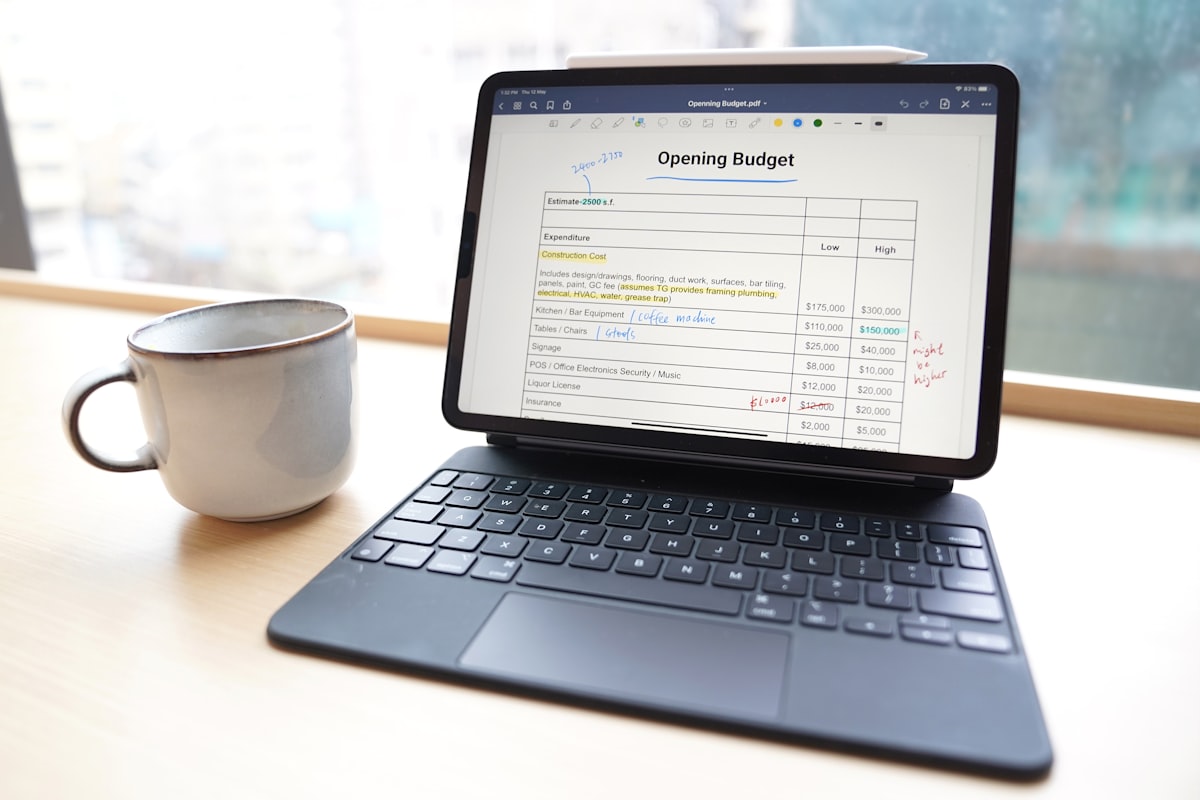
Event Planner Markup Percentage by Vendor Type

Bizzabo Alternatives for Event Planners
Vendor Relationship Management for Event Planners

Event Cost Calculator: Estimate Your Budget Right

Event Contractor Payment Tracking Tools for Planners

Event Communication Plan Template for Planners

How to Create Event Planning Packages

Event Insurance Cost: What Percentage of Your Budget

Social Tables Alternatives for Event Planners

How to Avoid Hidden Vendor Fees at Events

Corporate Event Planning Checklist for 2026

Post-Event Evaluation Template for Planners

Event Workflow Software: A Practical Guide

Propared Alternatives for Event Planners

Best Software for Managing Event Contractors

Wedding Planner Commission Rate Guide for 2026

Best CRM for Event Planners in 2026

Event Coordinator Tools for Portugal

Event Planner CRM: What to Look For in 2026
Vendor Contract Red Flags for Event Planners

Tripleseat Alternatives for Independent Planners

Event Catering Cost per Person by Event Type

Freelance Event Planner Toolkit for 2026

Wedding Vendor Management Spreadsheet Template

Subcontractor Management for Events in Portugal

Hidden Costs of Event Planning You Need to Know
Event Planning Software Pricing Compared

Event Planner Pricing Calculator: Set Your Fees
Event RFP Template for Professional Planners

How Much to Tip Event Staff and Vendors

Event Staff-to-Guest Ratios by Service Role

How Much Deposit Do Event Vendors Require?

Micro Wedding Planning Checklist

How to Hire Vendors for Your Wedding

How to Brief Event Staff Before an Event

Cvent Alternatives for Small Event Planners

How to Invoice Event Clients and Get Paid

Event Vendor Performance Scorecard Guide
Event Budgeting Apps: A Practical Guide for Planners

Cut Event Costs Without Sacrificing Quality

Dubsado vs HoneyBook for Event Planners

Event Risk Management Plan Template

Aisle Planner vs HoneyBook for Event Planners

Event Planning Workflow That Keeps Projects on Track

Wedding Planning Software for Portugal

Corporate Event Management Software for Portugal
Event Collaboration Tools for Planning Teams

Best Wedding Planner Tools for 2026 (Solo to Team)

Event Cost Breakdown Template for Planners

Event Budget Contingency Planning Guide

Event Management Automation Tools for 2026
5 Planning Pod Alternatives Compared (2026)

Event Day-of Coordination Checklist

How to Negotiate Event Vendor Pricing
Event Client Onboarding Template

Best Event Planning Apps Compared: 2026 Picks for Pros

AI Tools for Event Planning: A Practical Guide

How to Create a Vendor Shortlist for Events

Event Planner Tools for Brazil: A Practical Guide

Free Wedding Planner Tools That Work

Event Planning Checklist: 6 Phases to Cover

Wedding Planning Software: A Guide for Pros

How to Write an Event Proposal That Wins Clients

How to Coordinate Wedding Vendors Like a Pro

Event Vendor Cancelled? Your 3-Step Recovery Plan

Event Vendor Management Tips That Actually Work

5 Signs You've Outgrown Spreadsheets for Event Planning