
The average wedding involves 8 to 15 separate vendors. Venue, catering, photography, videography, florist, DJ or band, lighting, rentals, cake, hair and makeup, officiant, transportation, and stationery. Each one operates on their own schedule, their own payment terms, and their own definition of "confirmed."
Now multiply that by two or three weddings in the same month. That is the point where most organizers realize the spreadsheet and the group chat stopped working.
If you have ever found yourself at 11 PM scrolling through messages trying to remember whether the florist confirmed delivery or whether the caterer's deposit was overdue, this guide is for you. We will walk through a concrete framework for coordinating wedding vendors from the first booking to the last dance.
Why Wedding Vendor Coordination Falls Apart
Vendor coordination does not fail because vendors are unreliable. Most are competent professionals. It fails because of gaps between them, and between them and you.
Three patterns cause the most damage:
1. Information lives in too many places. The catering contract is in email. The DJ's quote is a PDF on your phone. The sound engineer's number is buried in a two-month-old WhatsApp thread. When you need something fast, you spend more time searching than solving. We covered this in detail in our guide on signs you have outgrown spreadsheets for event planning.
2. Timeline conflicts cascade silently. The caterer needs to set up before the decorator. The decorator needs the lighting rig in place first. The lighting team needs the generator delivered before they start. If one vendor runs 30 minutes late, the ripple effect reaches the ceremony. And nobody told anybody.
3. Budget drift goes unnoticed. You agreed on $4,500 with the rental company, but forgot the delivery fee was separate. The photographer's $1,500 deposit was due last week and you missed it. By the end, total costs run 15-20% over budget because nobody tracked the running total. If budget control is a challenge, our event budget tracking guide shows a practical method for monitoring committed versus paid costs.
These problems do not appear when you manage three vendors. They appear at eight, ten, fifteen. And at a wedding, where client expectations are sky-high, any gap becomes a crisis.
The 5-System Wedding Vendor Coordination Method
After working with dozens of event organizers, we have identified five systems that separate chaotic coordination from professional coordination. These are not theories. They are practices that work day to day.
System 1: Centralized Vendor Registry
Before anything else, build a single registry of every vendor on the wedding, starting with the vendor preferences your client shared during onboarding. This sounds obvious, but most organizers keep data scattered across at least four different places.
For each vendor, record:
- Name and business name
- Direct phone number (the one that gets answered on a Sunday, not the office line)
- Service hired and exact scope
- Total agreed price
- Payment terms (dates and amounts for each installment)
- Contract status (quote sent, approved, contract signed)
- Special notes (restrictions, technical needs, past reliability)
If you manage up to 5 vendors per event, a spreadsheet works. Our wedding vendor spreadsheet template covers the columns, multi-wedding structure, and payment tracking layout that professional planners use. Beyond that, consider event vendor management software that lets you filter, search, and update without scrolling through rows. We wrote about the signs your spreadsheet has stopped working if that sounds familiar.
System 2: Reverse Setup Timeline
The most common timeline mistake in wedding planning is thinking forwards: "The ceremony is at 4 PM, so decorators should start at noon." Professionals work backwards.
Build your timeline in reverse:
- Ceremony starts at 4:00 PM
- Decor must be complete 1 hour before: 3:00 PM
- Decor setup takes 3 hours: starts at 12:00 PM
- Lighting must be done before decor begins: complete by 11:30 AM
- Lighting setup takes 2 hours: starts at 9:30 AM
- Venue access must be open: 9:00 AM
Now you have a concrete schedule to communicate to each vendor. Not "arrive early" but specific times with no ambiguity.
Day-of timeline checklist:
- Venue opening time confirmed with the site manager
- Setup sequence defined (who arrives first, who depends on whom)
- Arrival time communicated to each vendor in writing
- Point-of-contact at the venue assigned (who greets vendors on arrival)
- Contingency plan for delays over 30 minutes
System 3: The 3-Wave Confirmation Protocol
Do not wait until the night before the wedding to confirm vendors. Use a three-wave system.
Wave 1 - 30 days out: Send a formal message reconfirming date, time, venue, and scope of service. Request written confirmation. This is your last window to replace a vendor without panic. If anyone shows signs of pulling out, consult our vendor cancellation contingency plan immediately.
Wave 2 - 7 days out: Send operational details. Full venue address, parking instructions, exact arrival time, name of the person meeting them on site, your mobile number for emergencies.
Wave 3 - 48 hours out: Short message confirming everything is on track. If any vendor does not respond within 24 hours at this stage, call them immediately.
Experienced organizers cite this 3-Wave system as one of the single most effective practices for preventing day-of problems. It is simple. Most people skip it because they are too busy putting out other fires. Once your confirmations are locked in, a structured day-of coordination checklist keeps you and your team aligned from setup through teardown.
System 4: Per-Vendor Financial Tracking
A wedding budget does not blow up all at once. It drifts - $200 here, $500 there - until the final total is 15-20% higher than planned.
Track these fields for every vendor:
| Field | Example |
|---|---|
| Agreed total | $4,500 |
| Deposit paid | $1,500 (paid March 10) |
| Second installment | $1,500 (due March 25) |
| Final balance | $1,500 (due 7 days post-event) |
| Confirmed extras | $350 (extra table + delivery fee) |
| Actual total | $4,850 |
Notice that the "actual total" already differs from the "agreed total." This happens on nearly every wedding. If you are not tracking extras and add-ons per vendor, you are working with a fictional budget.
The key is recording each payment the moment it happens. Not tomorrow. Not "when you have time." Now. Five minutes of logging prevents hours of reconciliation later.
System 5: Centralized Communication
A WhatsApp group with 15 vendors feels efficient, but creates three serious problems: important messages get buried in volume, vendors see information that is not relevant to them, and you cannot search for a specific detail three weeks later.
Practical rules:
- Communicate individually with each vendor about their scope
- Use group channels only for information everyone needs (venue address, site opening time)
- Confirm every financial agreement or scope change in writing, outside the group
- Keep a single document or system where you log what was agreed with each vendor
For more on managing vendor relationships, our guide with 5 practical vendor management tips complements this framework. And when you are ready to formalize agreements with clients, see our guide on writing event proposals that win clients.
Complete Wedding Vendor Checklist
Use this as a starting point. Not every wedding needs every item, but it is better to cross something off than to forget it.
Essential:
- Venue
- Catering
- Decor
- Photography
- Videography
- DJ or band
- Officiant
- Cake and desserts
Common:
- Florist
- Lighting
- Sound system
- Rentals (tables, chairs, lounge furniture)
- Hair and makeup
- Invitations and stationery
Situational:
- Transportation (shuttle for bridal party, vintage car)
- Generator
- Security
- Valet parking
- Fireworks or sparklers
- Live musicians for the ceremony
For every vendor you book, apply all five systems: centralized registry, reverse timeline, 3-Wave confirmations, per-vendor financial tracking, and centralized communication. If you need a repeatable template that covers booking timelines, vetting criteria, and document collection for each category, our wedding vendor checklist template provides the full structure.
5 Common Wedding Vendor Coordination Mistakes
1. Trusting your memory. You will not remember what you agreed with 12 vendors two months ago. Log everything the same day.
2. Skipping the setup sequence. Two vendors arrive at the same time and compete for the same space. Guaranteed chaos. The reverse timeline from System 2 prevents this entirely.
3. Paying without recording. Transfer made, receipt saved on your phone, never looked at again. Three months later, the vendor says a payment is missing.
4. Leaving everything to the last week. If your final confirmation is 48 hours before the event, your problem-solving window needs to start 30 days out. The week before is for confirming, not for discovering surprises.
5. Having no backup vendors. For at least three critical categories (catering, photography, and DJ/sound), keep a backup contact on file. They do not need to be booked. They need to be reachable on short notice. A structured approach to hiring wedding vendors naturally produces runner-up candidates who become your backup list.
When to Use Wedding Vendor Management Software
Vendor coordination works fine on paper or in a spreadsheet when you run one or two weddings a year. Once events start overlapping, the volume of information exceeds what one person can track reliably.
Signs you need a dedicated tool:
- You manage more than 10 vendors at the same time
- You have missed a payment deadline or forgotten a confirmation
- You spend over 30 minutes a day searching for vendor information
- You run more than one event in parallel
If you are comparing tools, our roundup of the best tools for wedding planners covers specific options by category, and our guide on choosing wedding planning software breaks down which features matter and which ones you can skip.
Abastio was built for exactly this part of the work: a centralized vendor registry, payment tracking, per-vendor status by event, and mobile access from anywhere. You can start free with up to 2 events and 5 vendors to test whether it fits your workflow. See all plans to compare features.
Frequently Asked Questions
How do you coordinate wedding vendors effectively?
Start with a single source of truth for all vendor data: contacts, contracts, pricing, payment status, and notes. Build a reverse timeline that works backwards from the ceremony, assigning each vendor a specific arrival time and setup window. Use the 3-Wave confirmation protocol (30 days, 7 days, 48 hours) to catch problems before they become emergencies. Track every payment per vendor, including extras and add-ons, so your budget reflects reality. The difference between smooth coordination and chaos is almost always systematic tracking versus scattered notes across email, spreadsheets, and messaging apps.
How many vendors does a typical wedding need?
Most weddings involve 8 to 15 vendors. A smaller ceremony with a simple setup might need as few as 5 (venue, caterer, photographer, officiant, DJ). A larger or more elaborate wedding can reach 20 or more, adding lighting designers, rental companies, valet services, live painters, or specialty performers. Coordination complexity does not scale linearly. Going from 8 to 15 vendors roughly triples the number of cross-vendor dependencies you need to manage. The essential vendors for most weddings are: venue, catering, decor, photography, videography, DJ, officiant, and cake/desserts.
How far in advance should you book wedding vendors?
For high-demand vendors like the venue, photographer, and caterer, book 12 to 8 months before the wedding. DJ, decor, and videography are typically secured 8 to 6 months out. Complementary vendors like stationery, transportation, and hair/makeup can be booked 4 to 2 months before. Peak-season dates (May through October in most markets, October through March in the Southern Hemisphere) require even more lead time. Starting early gives you leverage on pricing and first pick of availability.
How do you prevent the wedding budget from going over?
The main cause of budget overruns at weddings is untracked extras and add-ons. To prevent it: record the agreed price and every additional cost immediately, track the "actual total" (not just the original quote) for each vendor, and reserve a contingency of 10-15% of your total budget for surprises. Use the per-vendor financial tracking table from System 4 as your template. Our event budget tracking guide covers this method in full detail.
What should you do if a wedding vendor cancels?
First, activate your backup contact. If you followed the recommendation to keep 1-2 alternatives for each critical category, reach out immediately. If you do not have a backup, contact your network of fellow organizers or check vendor directories in your area. Time is the critical factor: at 30 days out, replacement is straightforward; at 7 days, it is stressful but possible; at 48 hours, you need your entire network working the phones. Our vendor cancellation contingency plan walks through a full 3-Phase Backup Protocol for this exact situation.
What is the difference between a spreadsheet and software for wedding vendor coordination?
A spreadsheet works well for 1-2 events with up to 5 vendors each. Beyond that, the problems start: outdated information, difficulty accessing data on mobile, risk of accidentally deleting rows, and no way to filter vendors by status or event. Dedicated event vendor management software offers a centralized registry, payment tracking, status views per event, and mobile access. The practical difference is time spent searching for information versus time spent using it.
Ready to simplify your event management?
Try Abastio free and see how it streamlines vendor coordination.
Start freeMore posts

Event Subcontractor Agreement Template

Destination Wedding Vendor Coordination Guide

Post-Event Vendor Debrief Template
Wedding Timeline Software: A Planner's Guide
Event Setup and Teardown Checklist for Planners

Wedding Vendor Checklist Template for Planners

How to Handle Last-Minute Event Changes

How to Create an Event Run Sheet (Step by Step)

Event Logistics Planning Guide for Organizers

How to Manage Corporate Event Vendors

Client Communication Tips for Event Planners

Planning Pod vs HoneyBook: Which Fits Your Events?

Event Cost per Attendee Calculator and Guide

How to Create a Vendor Management System for Events

Event Staffing Software for Small Business Teams

Whova Alternatives for Event Planners in 2026

Eventbrite Alternatives for Small Events in 2026

Event Vendor Insurance Requirements Checklist

How to Choose Event Management Software
Best Invoicing Software for Event Planners (2026)
Wedding Vendor Payment Schedule Template
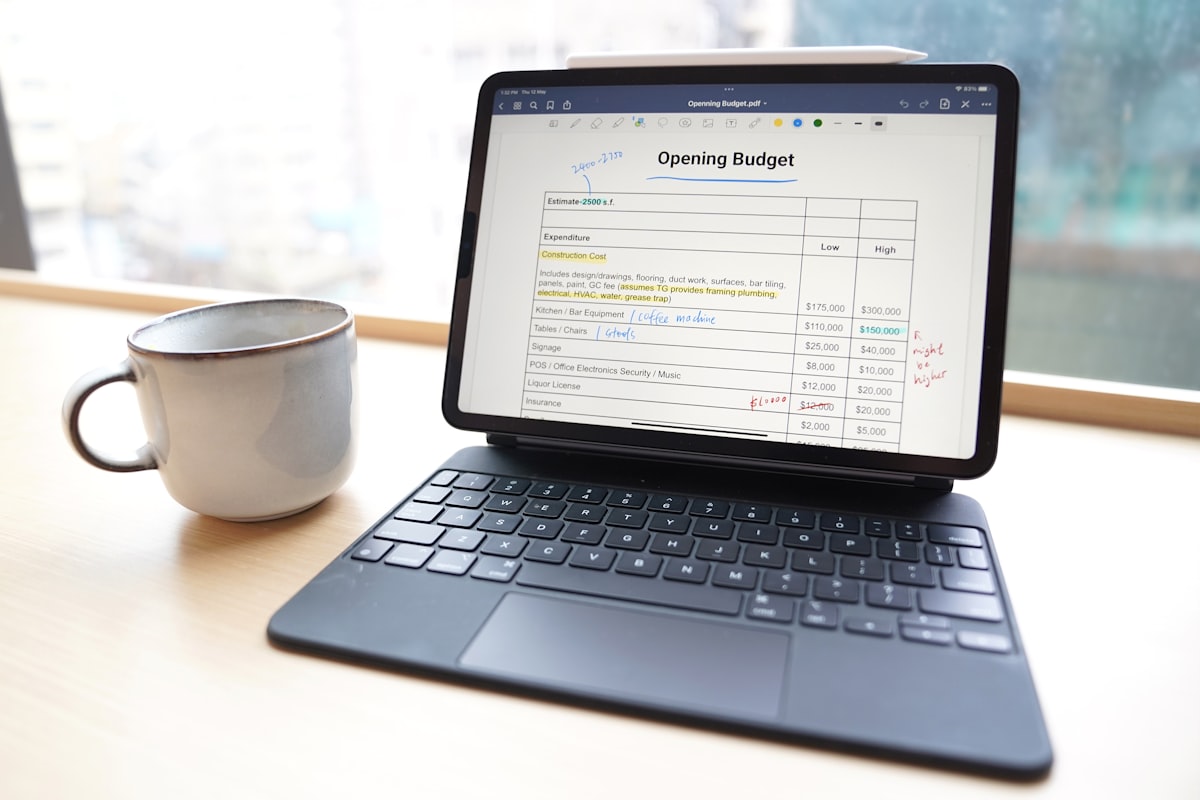
Event Planner Markup Percentage by Vendor Type

Bizzabo Alternatives for Event Planners

Vendor Relationship Management for Event Planners

Event Cost Calculator: Estimate Your Budget Right

Event Contractor Payment Tracking Tools for Planners

Event Communication Plan Template for Planners

How to Create Event Planning Packages

Event Insurance Cost: What Percentage of Your Budget
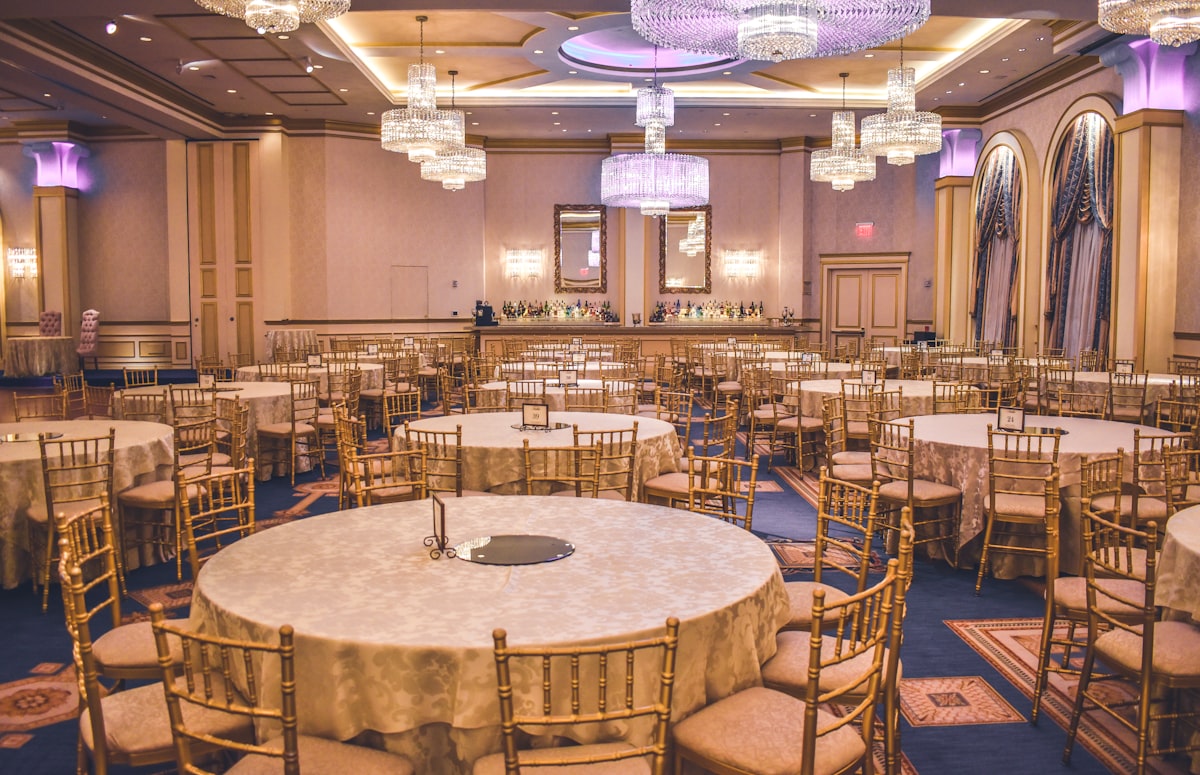
Social Tables Alternatives for Event Planners

How to Avoid Hidden Vendor Fees at Events

Corporate Event Planning Checklist for 2026

Post-Event Evaluation Template for Planners

Event Workflow Software: A Practical Guide

Propared Alternatives for Event Planners

Best Software for Managing Event Contractors

Wedding Planner Commission Rate Guide for 2026

Best CRM for Event Planners in 2026

Event Coordinator Tools for Portugal

Event Planner CRM: What to Look For in 2026
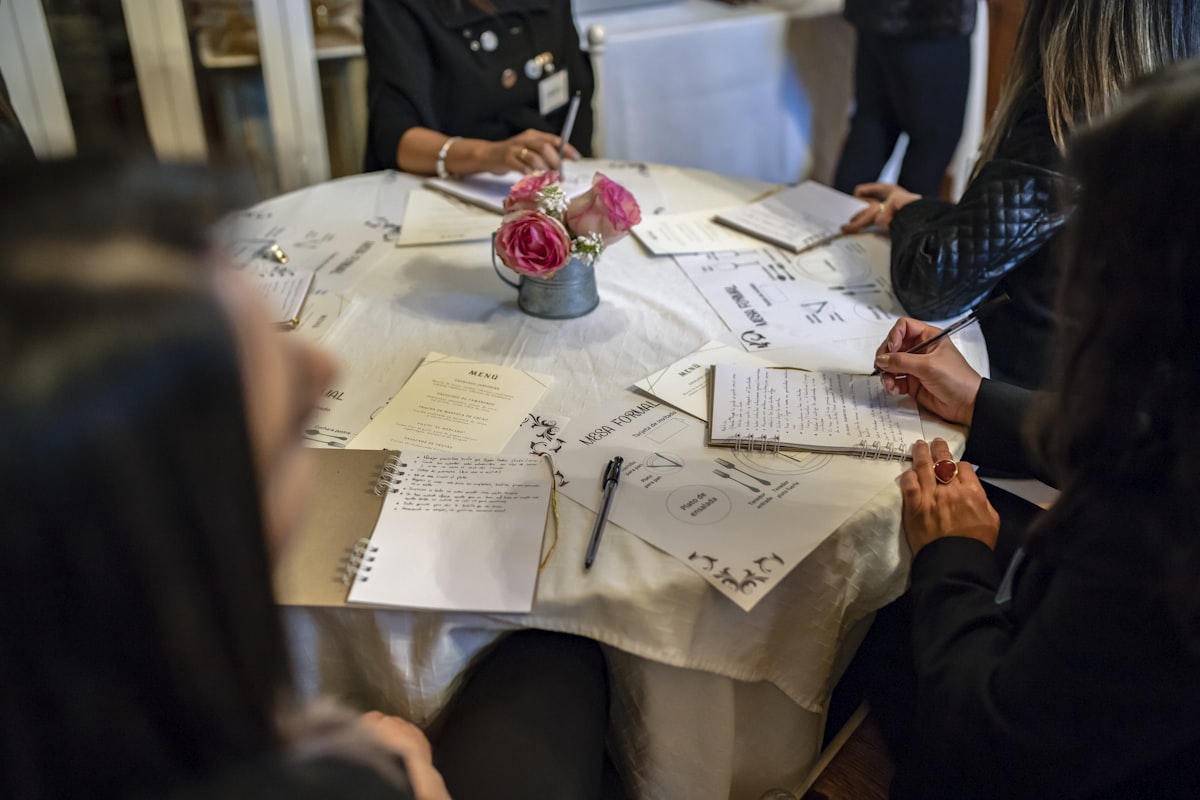
Vendor Contract Red Flags for Event Planners

Tripleseat Alternatives for Independent Planners

Event Catering Cost per Person by Event Type

Freelance Event Planner Toolkit for 2026

Wedding Vendor Management Spreadsheet Template

Subcontractor Management for Events in Portugal

Hidden Costs of Event Planning You Need to Know
Event Planning Software Pricing Compared

Event Planner Pricing Calculator: Set Your Fees
Event RFP Template for Professional Planners

How Much to Tip Event Staff and Vendors
Event Staff-to-Guest Ratios by Service Role

How Much Deposit Do Event Vendors Require?

Micro Wedding Planning Checklist

How to Hire Vendors for Your Wedding

How to Brief Event Staff Before an Event

Cvent Alternatives for Small Event Planners

How to Invoice Event Clients and Get Paid

Event Vendor Performance Scorecard Guide
Event Budgeting Apps: A Practical Guide for Planners

Cut Event Costs Without Sacrificing Quality

Dubsado vs HoneyBook for Event Planners

Event Risk Management Plan Template

Aisle Planner vs HoneyBook for Event Planners

Event Planning Workflow That Keeps Projects on Track

Wedding Planning Software for Portugal

Corporate Event Management Software for Portugal

Event Collaboration Tools for Planning Teams

Best Wedding Planner Tools for 2026 (Solo to Team)

Event Cost Breakdown Template for Planners

Event Budget Contingency Planning Guide

Event Management Automation Tools for 2026
5 Planning Pod Alternatives Compared (2026)
Event Day-of Coordination Checklist

How to Negotiate Event Vendor Pricing
Event Client Onboarding Template

Best Event Planning Apps Compared: 2026 Picks for Pros

AI Tools for Event Planning: A Practical Guide

How to Create a Vendor Shortlist for Events
HoneyBook Alternatives for Event Planners

Event Planner Tools for Brazil: A Practical Guide

Free Wedding Planner Tools That Work

Event Planning Checklist: 6 Phases to Cover

Wedding Planning Software: A Guide for Pros

How to Write an Event Proposal That Wins Clients

Event Vendor Cancelled? Your 3-Step Recovery Plan

Event Vendor Management Tips That Actually Work

5 Signs You've Outgrown Spreadsheets for Event Planning