
Every event planner has been there. You build a budget, present it to the client, and feel confident about the numbers. Then the event happens. Costs creep in that you did not plan for, and the final total lands 15% to 25% higher than your estimate.
Most event budgets fail because of structural gaps: categories that were never included, contingencies that were too small, and vendor costs that changed between the quote and the invoice. Here is a practical framework for building budgets that hold up. Budget tracking is one phase of a structured workflow. The numbers feed into the timeline, vendor negotiations, and post-event review. If you want a quick starting estimate, our free budget calculator generates cost breakdowns by event type and guest count.
Start With Categories, Not Line Items
The most common budgeting mistake is jumping straight to line items. You start listing things: "Flowers: $500. DJ: $800. Catering: $3,000." This feels productive, but it skips the step that actually matters: making sure you have covered every category of spending.
Core budget categories for most events:
- Venue - rental fees, insurance requirements, setup and teardown costs
- Catering and beverages - food, drinks, service staff, equipment rental (if not included)
- Entertainment and production - music, lighting, sound, AV equipment, staging
- Decor and design - florals, furniture, linens, signage, special installations
- Photography and video - photographer, videographer, editing, prints or albums
- Transportation and logistics - delivery fees, guest transport, parking, freight
- Staffing - coordinators, security, ushers, registration staff
- Stationery and materials - invitations, programs, name cards, welcome kits
- Contingency - a buffer for unexpected costs (more on this below)
- Your fee - the amount you charge for planning and coordination
Start by listing your categories first. Then fill in the line items under each one. This approach catches the costs that get forgotten when you build bottom-up: the venue's mandatory insurance fee, the delivery surcharge from the rental company, the overtime rate for the DJ if the event runs late.
Get Three Quotes, Use the Middle One
When estimating vendor costs, avoid using the first number you get. A single quote gives you a price. Three quotes give you a range, and that range tells you something important about the market rate for that service in your area.
How to use the three-quote method:
- Contact three vendors for each major category
- Compare their pricing for the same scope of work
- Use the middle quote for your budget estimate (not the lowest)
Using the lowest quote is tempting because it makes your budget look good. But the cheapest vendor is often cheap for a reason: less experience, fewer staff, or equipment that is one breakdown away from failing. The middle quote is your safest bet for budgeting because it reflects a realistic market price.
Keep records of all three quotes. If the client wants to cut costs, you have a lower option ready. If they want premium quality, you have the higher option documented. This is where event vendor tracking software earns its value: you can store quotes alongside vendor profiles and pull them up during client conversations. For more on keeping vendor data organized, see our guide on practical tips for managing event vendors. And when you are ready to discuss those quotes with vendors, our guide on negotiating event vendor pricing covers tactics that protect your budget without damaging supplier relationships.
Build in a Real Contingency
Every event budget needs a contingency line, and most planners undersize it. As a starting point, allocate 10% to 15% of your total budget for unexpected costs. Our dedicated event budget contingency planning guide covers how to size the reserve by event type, which risks to fund first, and how to present the contingency to clients without pushback.
Never present the contingency as optional. Frame it as part of the budget structure: "This budget includes a contingency for adjustments and unforeseen requirements." That framing protects both your margin and your client relationship.
Track Actual Spending Against the Budget
A budget is only useful if you compare it to reality. Many planners create the budget at the start and only look at the numbers again when the bills come in.
Track in real time:
- When you confirm a vendor and agree on a price, update the budget with the actual amount
- When you make a payment, record it immediately
- When scope changes (more guests, different menu, additional decor), update the affected line items
This gives you a running total of committed spend versus budgeted spend. When you are three weeks out and you can see that 85% of the catering budget is already committed, you can adjust before it is too late.
The "committed vs. paid" distinction
Not all committed costs are paid yet, and not all paid costs were in the original budget. Track both:
- Budgeted amount - what you estimated at the start
- Committed amount - what you have agreed with vendors (may be higher or lower than budgeted)
- Paid amount - what has actually left the account
This is The 3-Column Budget Method, and it gives you a clear picture of financial health at any point in the planning process. For a deeper look at how to structure the categories, line items, and percentage allocations behind this method, see our event cost breakdown template guide.
Present Budgets Professionally
How you present the budget to your client matters almost as much as the numbers themselves. A well-structured budget document signals professionalism and builds trust. A messy spreadsheet with inconsistent formatting signals the opposite.
What a professional event budget should include:
- Event name, date, and client name at the top
- Clear categories with subtotals
- Line items with vendor names (when confirmed) and unit pricing
- A total that includes all categories plus contingency
- Your payment terms and schedule
- A version number and date
If you are creating budgets manually, this formatting takes time. An event budgeting app can produce clean, consistent documents from your data without the manual layout work. For tips on structuring and presenting your budget alongside a client proposal, see our guide on writing event proposals that win clients. Abastio includes a budget generator that pulls vendor costs and event details into a formatted PDF, ready to share with clients.
Cut Costs Without Cutting Corners
Building a solid budget is only half the equation. Knowing where to save money, without sacrificing event quality, is what separates profitable planners from those who break even. Our guide on cutting event costs without sacrificing quality covers the specific strategies that protect your margins while keeping the guest experience intact.
Practical cost-saving strategies:
- Book early. Venues and high-demand vendors often offer lower rates for bookings made 6 or more months in advance. Early commitments also give you more leverage in negotiations because vendors prefer confirmed revenue over empty dates.
- Negotiate package deals. If you are hiring multiple services from the same company (e.g., catering and bar service, or photography and videography), ask for a bundled rate. Most vendors will offer 10-15% off when you combine services.
- Compare seasonal pricing. Off-peak dates can reduce venue and vendor costs by 20-30%. A Friday wedding in November costs significantly less than a Saturday wedding in June, for the same quality of service.
- Reduce print and physical materials. Digital invitations, QR-code menus, and online event programs cut stationery costs and are faster to update when details change.
- Audit the "nice-to-have" list. Before finalizing the budget, separate requirements into "must-have" and "nice-to-have" categories. If the budget is tight, cut from the second list first. Clients rarely notice the absence of something that was never promised.
These savings add up. On a mid-size event, combining early booking discounts with bundled vendor rates and seasonal timing can recover 15-20% of the total budget, often enough to cover your entire contingency fund.
Learn From Every Event
After each event, compare your final actual costs to the original budget. This is the single most effective way to improve your budgeting accuracy over time.
Ask yourself:
- Which categories came in over budget, and by how much?
- Were there costs that did not appear in the budget at all?
- Was the contingency sufficient?
- Did any vendor's final invoice differ significantly from their quote?
Over time, this review builds your personal pricing database. You will know that outdoor events almost always trigger extra logistics costs. You will know which vendor categories tend to run over. These numbers come from your own experience, not from generic industry benchmarks. Pairing this review with a structured event planning checklist ensures those lessons feed directly into your process for the next event.
A Budget Is a Living Document
The best event budgets are not the ones with the fanciest formatting. They are the ones that get updated consistently throughout the planning process. Build the structure up front. Get real quotes. Include a contingency that reflects the actual risk. Then track every dollar committed, every payment made, every scope change.
If you are still managing all of this in spreadsheets, you might want to read about the signs you have outgrown spreadsheets for event planning.
If you want a tool that ties vendor management and budget tracking together, Abastio is built for event planners who need clarity without complexity. Try it free and see how your next event budget compares to reality.
Frequently Asked Questions
What percentage should an event contingency budget be?
For most events, 10% to 15% of the total budget is a good starting point. The right number depends on event complexity, venue familiarity, and guest list stability. Our contingency planning guide breaks down recommended percentages by event type and risk level.
How do I track committed vs. paid costs?
Use The 3-Column Budget Method: for each line item, track three values side by side. The budgeted amount (your original estimate), the committed amount (what you have agreed with the vendor), and the paid amount (what has actually left your account). This gives you a real-time view of financial exposure without waiting for invoices.
Should I show the contingency to my client?
Yes. Present it as a standard part of the budget structure, not as optional padding. Our contingency planning guide includes framing language and strategies for handling client pushback on the reserve amount.
How many vendor quotes should I get before budgeting?
Get three quotes for each major vendor category and use the middle one for your budget estimate. The lowest quote is often unrealistically cheap, while the highest may include extras you do not need. The middle quote gives you the most realistic market price. Keep all three quotes on file so you can offer the client options if they want to adjust scope or quality.
What event costs do planners forget most often?
The most commonly missed costs include venue insurance requirements, overtime fees for vendors who stay past the agreed time, delivery and pickup surcharges from rental companies, power and generator costs for outdoor events, gratuities for service staff, and parking or transport for your own team. These "invisible" costs can add 10-15% to your total if you do not budget for them upfront. A thorough category-first approach catches most of these before they become surprises.
How do I negotiate better rates with event vendors?
Start by getting three quotes for the same scope of work so you understand the market rate. Book early to secure lower prices, and ask about package discounts if you are hiring multiple services from the same vendor. Be transparent about your budget range. Most vendors prefer to adjust scope rather than lose the booking entirely. Offering repeat business or referrals can also unlock preferred pricing. The key is to negotiate before signing, not after.
When should I update the budget during event planning?
Update immediately whenever a cost changes: when a vendor confirms a different price than estimated, when scope changes (more guests, different menu), and when any payment is made. A budget that is only reviewed at the start and end of planning will miss the warning signs that spending is drifting off track.
Ready to simplify your event management?
Try Abastio free and see how it streamlines vendor coordination.
Start freeMore posts

Event Subcontractor Agreement Template

Destination Wedding Vendor Coordination Guide

Post-Event Vendor Debrief Template
Wedding Timeline Software: A Planner's Guide
Event Setup and Teardown Checklist for Planners
Wedding Vendor Checklist Template for Planners

How to Handle Last-Minute Event Changes

How to Create an Event Run Sheet (Step by Step)
Event Logistics Planning Guide for Organizers

How to Manage Corporate Event Vendors

Client Communication Tips for Event Planners
Planning Pod vs HoneyBook: Which Fits Your Events?
Event Cost per Attendee Calculator and Guide

How to Create a Vendor Management System for Events
Event Staffing Software for Small Business Teams
Whova Alternatives for Event Planners in 2026

Eventbrite Alternatives for Small Events in 2026
Event Vendor Insurance Requirements Checklist

How to Choose Event Management Software
Best Invoicing Software for Event Planners (2026)
Wedding Vendor Payment Schedule Template
Event Planner Markup Percentage by Vendor Type

Bizzabo Alternatives for Event Planners
Vendor Relationship Management for Event Planners
Event Cost Calculator: Estimate Your Budget Right

Event Contractor Payment Tracking Tools for Planners

Event Communication Plan Template for Planners

How to Create Event Planning Packages

Event Insurance Cost: What Percentage of Your Budget
Social Tables Alternatives for Event Planners
How to Avoid Hidden Vendor Fees at Events
Corporate Event Planning Checklist for 2026

Post-Event Evaluation Template for Planners

Event Workflow Software: A Practical Guide
Propared Alternatives for Event Planners

Best Software for Managing Event Contractors
Wedding Planner Commission Rate Guide for 2026

Best CRM for Event Planners in 2026
Event Coordinator Tools for Portugal

Event Planner CRM: What to Look For in 2026
Vendor Contract Red Flags for Event Planners
Tripleseat Alternatives for Independent Planners

Event Catering Cost per Person by Event Type

Freelance Event Planner Toolkit for 2026

Wedding Vendor Management Spreadsheet Template
Subcontractor Management for Events in Portugal
Hidden Costs of Event Planning You Need to Know
Event Planning Software Pricing Compared

Event Planner Pricing Calculator: Set Your Fees
Event RFP Template for Professional Planners
How Much to Tip Event Staff and Vendors
Event Staff-to-Guest Ratios by Service Role
How Much Deposit Do Event Vendors Require?

Micro Wedding Planning Checklist

How to Hire Vendors for Your Wedding

How to Brief Event Staff Before an Event

Cvent Alternatives for Small Event Planners

How to Invoice Event Clients and Get Paid

Event Vendor Performance Scorecard Guide
Event Budgeting Apps: A Practical Guide for Planners
Cut Event Costs Without Sacrificing Quality
Dubsado vs HoneyBook for Event Planners

Event Risk Management Plan Template

Aisle Planner vs HoneyBook for Event Planners

Event Planning Workflow That Keeps Projects on Track
Wedding Planning Software for Portugal

Corporate Event Management Software for Portugal
Event Collaboration Tools for Planning Teams
Best Wedding Planner Tools for 2026 (Solo to Team)
Event Cost Breakdown Template for Planners
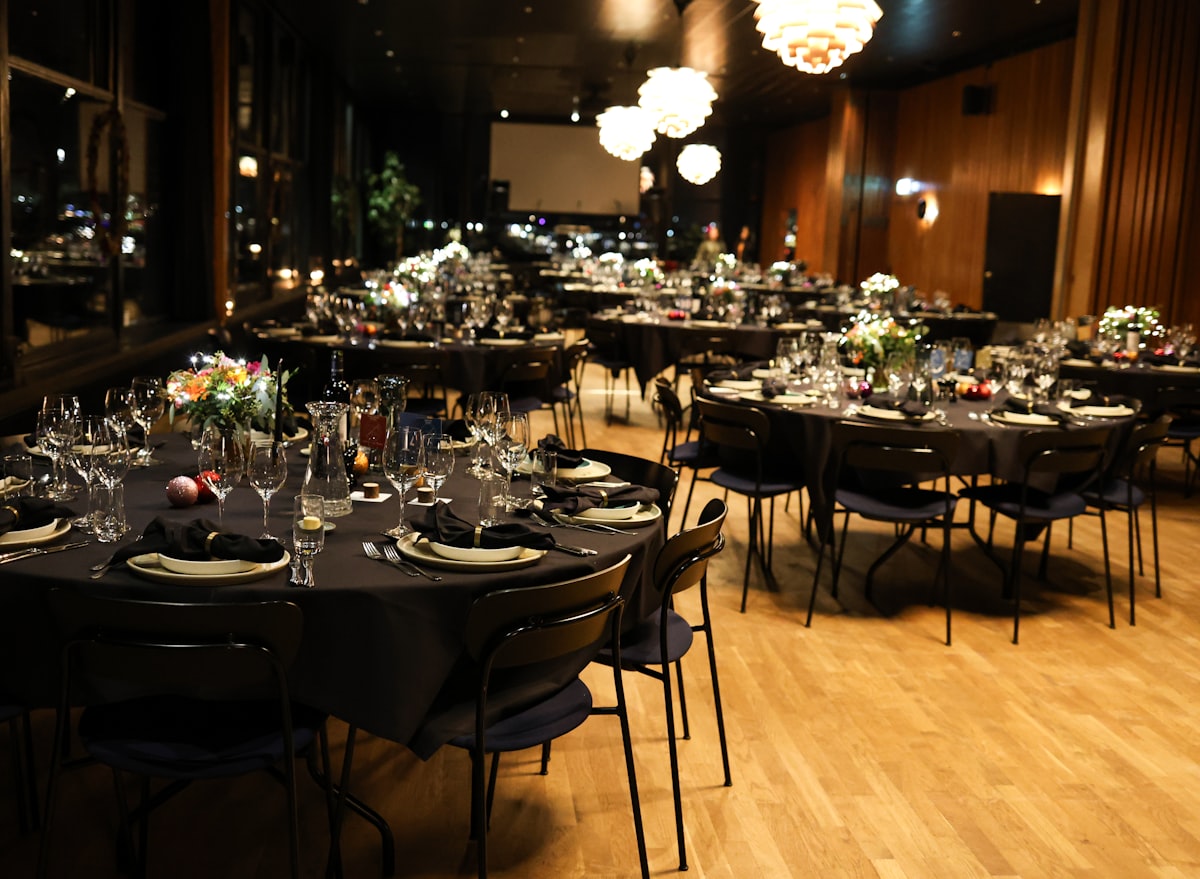
Event Budget Contingency Planning Guide

Event Management Automation Tools for 2026
5 Planning Pod Alternatives Compared (2026)
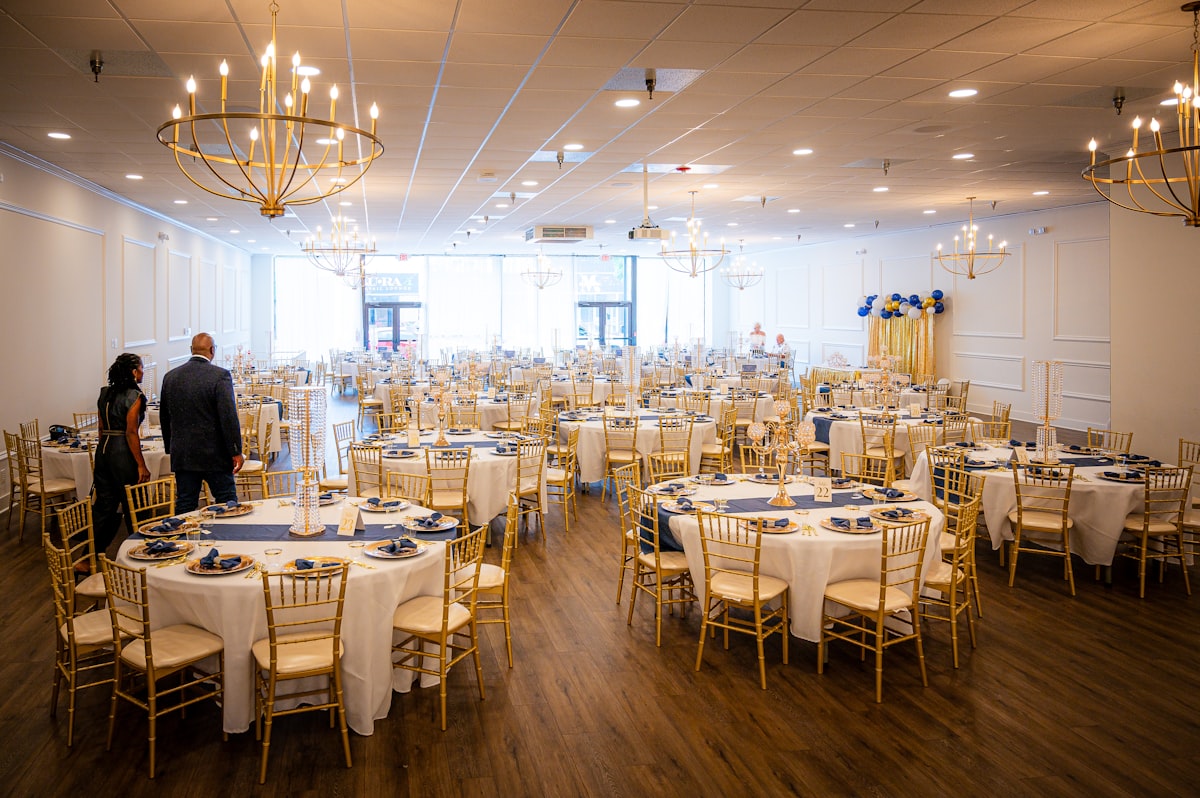
Event Day-of Coordination Checklist

How to Negotiate Event Vendor Pricing
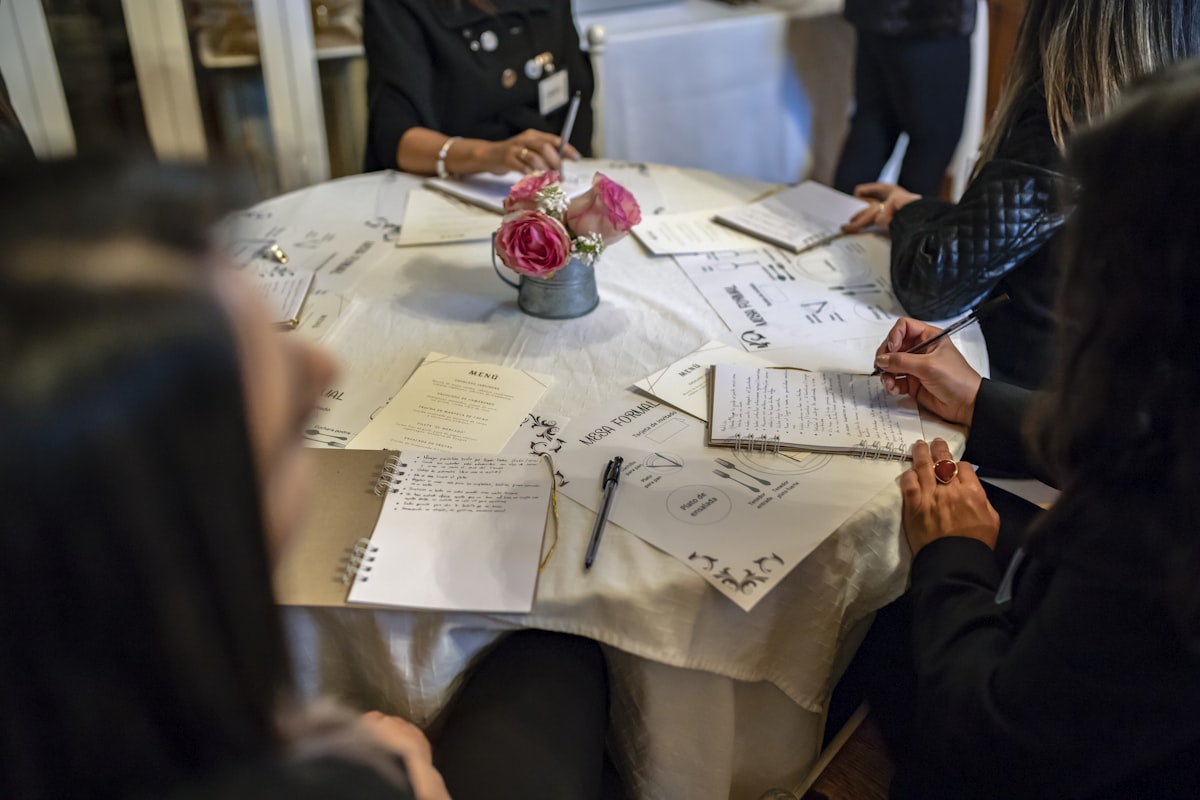
Event Client Onboarding Template
Best Event Planning Apps Compared: 2026 Picks for Pros

AI Tools for Event Planning: A Practical Guide

How to Create a Vendor Shortlist for Events
HoneyBook Alternatives for Event Planners

Event Planner Tools for Brazil: A Practical Guide

Free Wedding Planner Tools That Work
Event Planning Checklist: 6 Phases to Cover

Wedding Planning Software: A Guide for Pros

How to Write an Event Proposal That Wins Clients

How to Coordinate Wedding Vendors Like a Pro

Event Vendor Cancelled? Your 3-Step Recovery Plan

Event Vendor Management Tips That Actually Work