
If you run a wedding planning business, you already know the chaos: vendor threads buried in WhatsApp, budgets tracked across three different spreadsheets, and client timelines that live in your head more than anywhere else. The right wedding planning software fixes all of this. But with dozens of tools on the market, picking the right one can feel like another project to manage. This guide breaks down what actually matters when choosing wedding planning software, what features you need versus what sounds nice in a demo, and how to make the switch without disrupting your current bookings.
Why Spreadsheets Stop Working
Most wedding planners start with free tools like spreadsheets, email, and a notes app. It works when you are handling two or three weddings a year. But once you cross five or six active clients, the cracks show fast.
You forget to follow up with a florist because the reminder was in a different tab. A client asks about their budget and you spend twenty minutes rebuilding the numbers. You double-book a vendor because their availability lives in an email thread from three months ago.
The problem is not spreadsheets themselves. The problem is that wedding planning involves dozens of moving parts across multiple vendors, timelines, and budgets. Spreadsheets were not designed to connect all of that. Dedicated wedding planning software is.
If this sounds familiar, you might find our piece on signs you have outgrown spreadsheets useful as well.
Features That Actually Matter
Not every feature a software company advertises will change your workflow. Here are the ones that move the needle for professional wedding planners.
Client and Lead Management
A built-in CRM is non-negotiable. You need to track every lead from first inquiry to signed contract, see where each client sits in your pipeline, and pull up their details without digging through email. Look for a visual pipeline view, like a Kanban board, so you can see your entire book of business at a glance.
Vendor Coordination
This is where most generic project management tools fall short. Wedding planning software should let you maintain a database of trusted vendors, tag them by category and location, track their availability, and share relevant details with clients. If you are juggling caterers, florists, photographers, DJs, and rental companies for every event, you need a central vendor hub instead of a contact list. Our guide on coordinating wedding vendors walks through a 5-system method for managing this at scale.
For tips on getting this right, read our guide on managing event vendors.
Budget Tracking
Clients want to know where their money is going, and you need to track it accurately. The software should let you build itemised budgets, assign costs to specific vendors or line items, and generate reports you can share as a PDF. If you want a framework for structuring those budgets, our event budget tracking guide covers a method for monitoring committed versus paid costs. Bonus points if it handles multiple currencies, which matters if you work with destination weddings in markets like Portugal or international vendors.
Timeline and Task Management
Every wedding has a critical path. The software should let you build a master timeline, assign tasks to team members and vendors, set reminders, and flag delays before they cascade. Templates are helpful here too. If eighty percent of your weddings follow the same six-month sequence, you should not be rebuilding that timeline from scratch every time.
Quoting and Contracts
Sending quotes, tracking approvals, and managing contracts should happen inside the same tool where you manage everything else. If your quoting workflow involves switching between a design tool for proposals, a PDF editor for contracts, and an email client for follow-ups, you are wasting hours every week. Our guide on writing event proposals that win clients covers a 6-part framework for structuring proposals and pricing tiers.
What Professional Wedding Planners Need at Each Stage
The right software depends on whether you handle three weddings a year or thirty. Needs change predictably as a planning business grows, and a tool that fits a solo planner often becomes a bottleneck for a four-person team.
Solo planners (1-5 weddings per year)
Lead capture, simple proposals, and basic budget tracking. Anything heavier slows you down. If most of your work is intimate ceremonies with under 50 guests, a streamlined checklist and a spreadsheet may cover you longer than you expect. A spreadsheet plus a contract tool is often enough until two patterns appear: leads slip because follow-ups missed, or vendor invoices eat your Sunday evenings.
Growing solo or small team (6-25 weddings per year)
Automation in the places that eat time: client portals, vendor outreach templates, automatic payment reminders. A second pair of hands (assistant, freelance coordinator) makes roles, permissions, and a shared timeline matter. Budget tracking has to handle parallel weddings without manual reconciliation.
Established team or agency (25+ weddings per year)
Real CRM behavior: pipelines, lead scoring, close-rate reporting by source. Vendor management has to track contracts, performance, and payment status across hundreds of relationships. Most consumer-grade wedding tools break down here. The choice usually comes down to building on a generic platform (HoneyBook, Dubsado) or pairing operational tools (like Abastio for vendor and budget management) with a CRM.
The mistake most planners make is buying for where they want to be in two years instead of where they are now. Start with what handles your current pain. Most modern tools let you upgrade plans as you scale, so you're rarely locked in.
What to Skip in the Sales Demo
Software vendors love feature-packed demos. Here are things that look impressive but rarely justify a higher price.
3D venue rendering. Unless you are also a venue designer, this is a nice-to-have at best. Most clients care about the seating chart, not a photorealistic walkthrough.
AI-powered suggestions. Some tools now offer AI-generated timelines or vendor recommendations. These are improving, but most wedding planners already know what they need. Better to invest in a tool that executes your plan efficiently than one that guesses at it.
Social media integrations. Your wedding planning software should manage your operations, not your marketing. Keep those separate.
White-label client apps. Unless your brand specifically demands a custom app, the built-in client portal or shared link is usually enough.
Focus your evaluation on the core workflow: lead comes in, you send a quote, the client signs, you plan the event, you coordinate vendors, you track the budget, you deliver the wedding. Any feature that does not make that loop faster is optional. If you are currently using a client-focused tool like HoneyBook and finding it lacks vendor-side depth, our guide to HoneyBook alternatives for event planners compares the options worth evaluating. For a category-by-category breakdown of specific tools, see our wedding planner tools guide for 2026.
How to Evaluate Without Wasting Time
Here is a practical framework for comparing wedding planning software without spending weeks on free trials.
Step 1: List your top three pain points. Not features you want, but problems you have. "I lose track of vendor confirmations." "Budget updates take too long." "I cannot see all my active weddings in one view."
Step 2: Run one real scenario. Pick a past wedding and try to recreate it in the tool. Add the client, build the vendor list, create the budget, set up the timeline. If any of those steps feel clunky, that friction will multiply across every event you manage.
Step 3: Test with your team. If you have coordinators or assistants, they need to use it too. A tool that only works for the lead planner defeats the purpose. Check role-based permissions so you can control who sees what.
Step 4: Check the mobile experience. You are not at a desk on wedding day. If the app is unusable on your phone, it will not help when you need to confirm a vendor arrival time at the venue.
Tools like Abastio are built specifically for this kind of workflow. You get client management, vendor coordination, budgets, and quotes in one place, with team access and role-based permissions included. It is worth running your scenario through a purpose-built tool rather than adapting a generic project manager.
Making the Switch Without Losing Data
The biggest fear with adopting new software is the migration. You have active clients, running timelines, and vendor commitments. Here is how to switch without dropping anything.
Do not migrate everything at once. Start with your next new client. Set them up entirely in the new software. Keep existing clients in your current system until their event concludes.
Export what matters. Most tools let you export client lists, vendor contacts, and budget data as CSV files. Do this before your trial ends on the old platform.
Set a cutover date. Pick a date, usually after your current busy season, when all new work moves to the new tool. Communicate this to your team so everyone switches together.
Run parallel for one event. If you are nervous, manage one wedding in both systems simultaneously. It is extra work, but it builds confidence that nothing is falling through the cracks.
Block two hours for setup. Import your vendor list, create your event templates, set up your pipeline stages, and customise your quote format. Two hours upfront saves weeks of ad hoc adjustments later.
Frequently Asked Questions
What is the best wedding planning software for small businesses?
The best option depends on your specific pain points. For solo planners or small teams, look for tools that combine client management, vendor tracking, and budgeting without requiring an enterprise-level subscription. Abastio offers these core features with flexible pricing that scales as your business grows.
How much does wedding planning software cost?
Pricing ranges widely. Some tools offer free tiers with limited features, while full-featured platforms typically cost between fifteen and fifty dollars per month per user. Compare what is included at each tier. A cheaper plan that lacks vendor management or budget tracking may cost you more in time.
Can I use wedding planning software for corporate events too?
Yes. Most professional event management platforms handle corporate events, social events, and weddings. The core workflows, including client management, vendor coordination, budgeting, and timelines, are the same across event types. Choose a tool that supports multiple event templates so you can reuse your setup.
Do I need separate software for contracts and invoicing?
Not necessarily. Many modern wedding planning tools include quoting, contracts, and payment tracking built in. Consolidating these into one platform reduces context-switching and ensures your financial data stays connected to each event. Check whether the tool supports PDF exports for client-facing documents.
How long does it take to set up wedding planning software?
Initial setup typically takes two to four hours. This includes importing your vendor list, creating event templates, configuring your client pipeline, and customising your quote format. The time investment pays off quickly. Most planners report saving five to ten hours per week once the system is running.
Ready to simplify your event management?
Try Abastio free and see how it streamlines vendor coordination.
Start freeMore posts

Event Subcontractor Agreement Template

Destination Wedding Vendor Coordination Guide

Post-Event Vendor Debrief Template
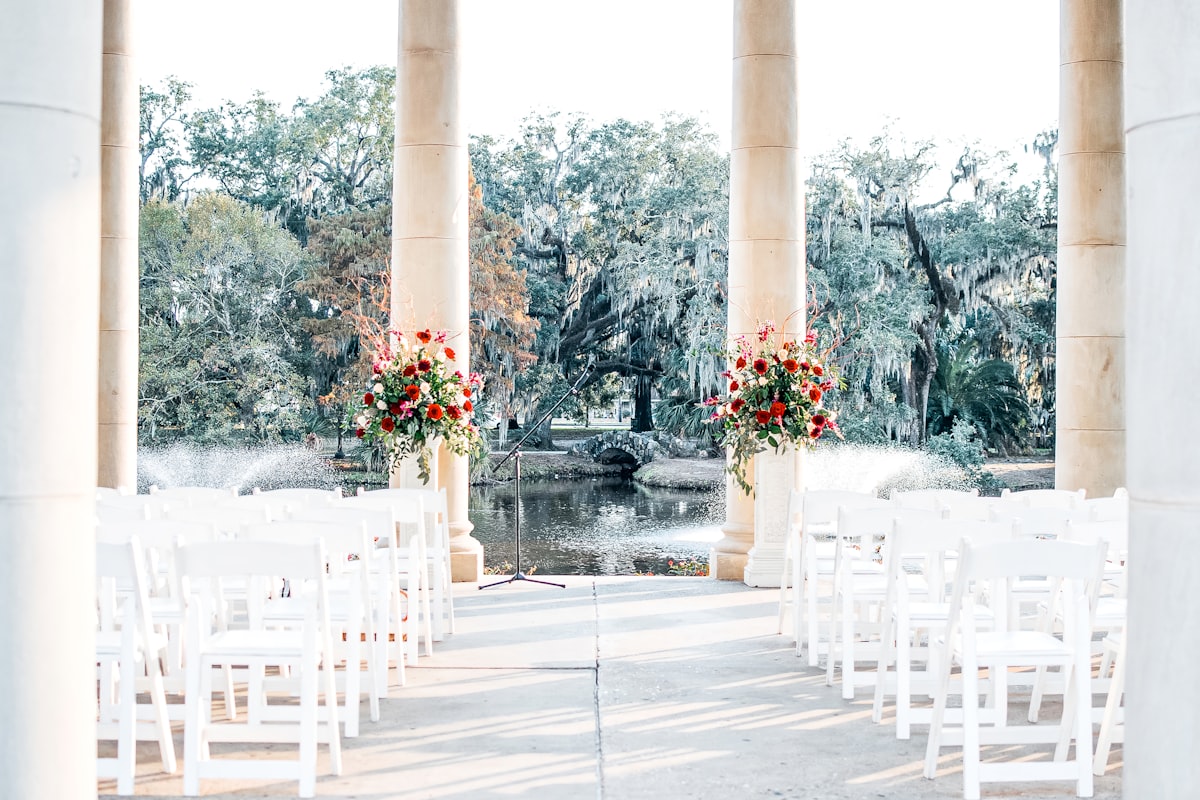
Wedding Timeline Software: A Planner's Guide

Event Setup and Teardown Checklist for Planners

Wedding Vendor Checklist Template for Planners

How to Handle Last-Minute Event Changes

How to Create an Event Run Sheet (Step by Step)

Event Logistics Planning Guide for Organizers

How to Manage Corporate Event Vendors

Client Communication Tips for Event Planners
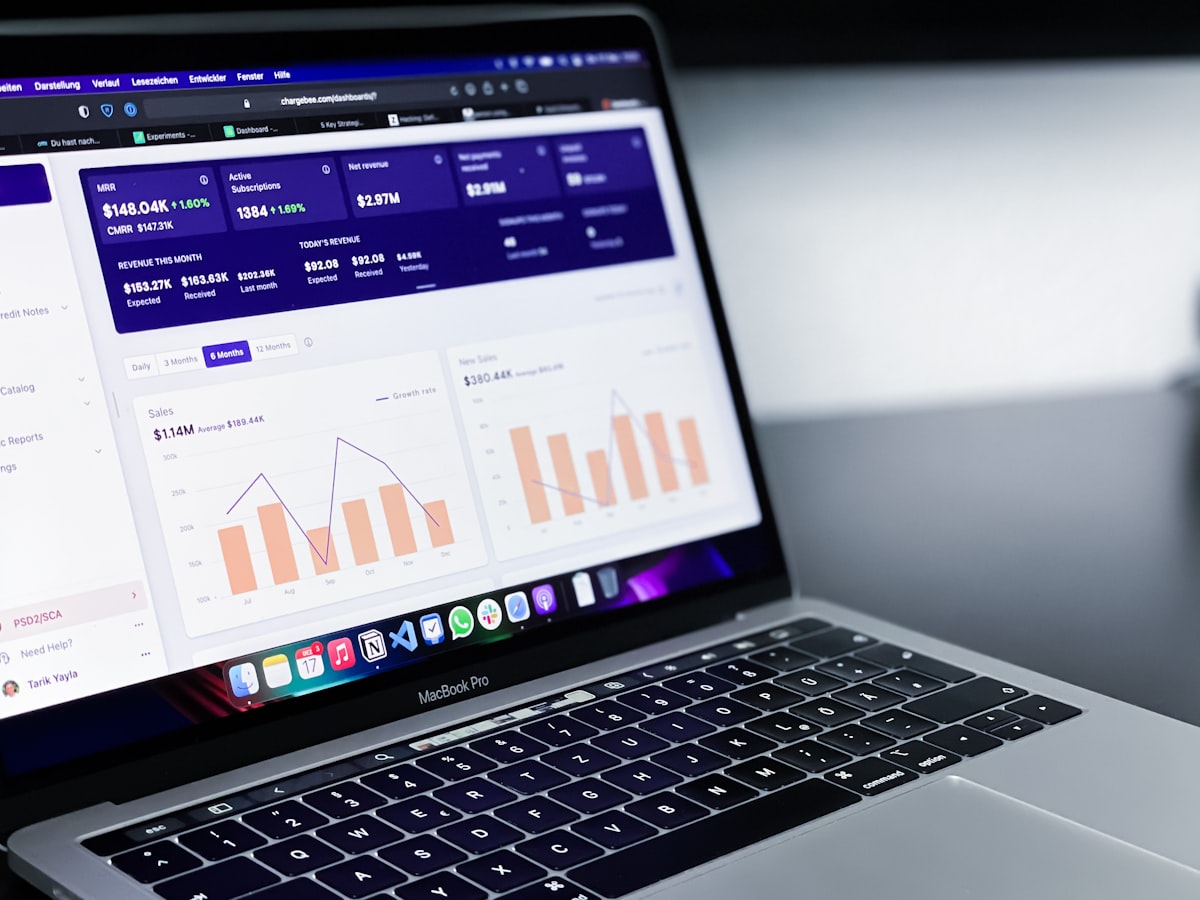
Planning Pod vs HoneyBook: Which Fits Your Events?

Event Cost per Attendee Calculator and Guide

How to Create a Vendor Management System for Events

Event Staffing Software for Small Business Teams

Whova Alternatives for Event Planners in 2026

Eventbrite Alternatives for Small Events in 2026

Event Vendor Insurance Requirements Checklist

How to Choose Event Management Software
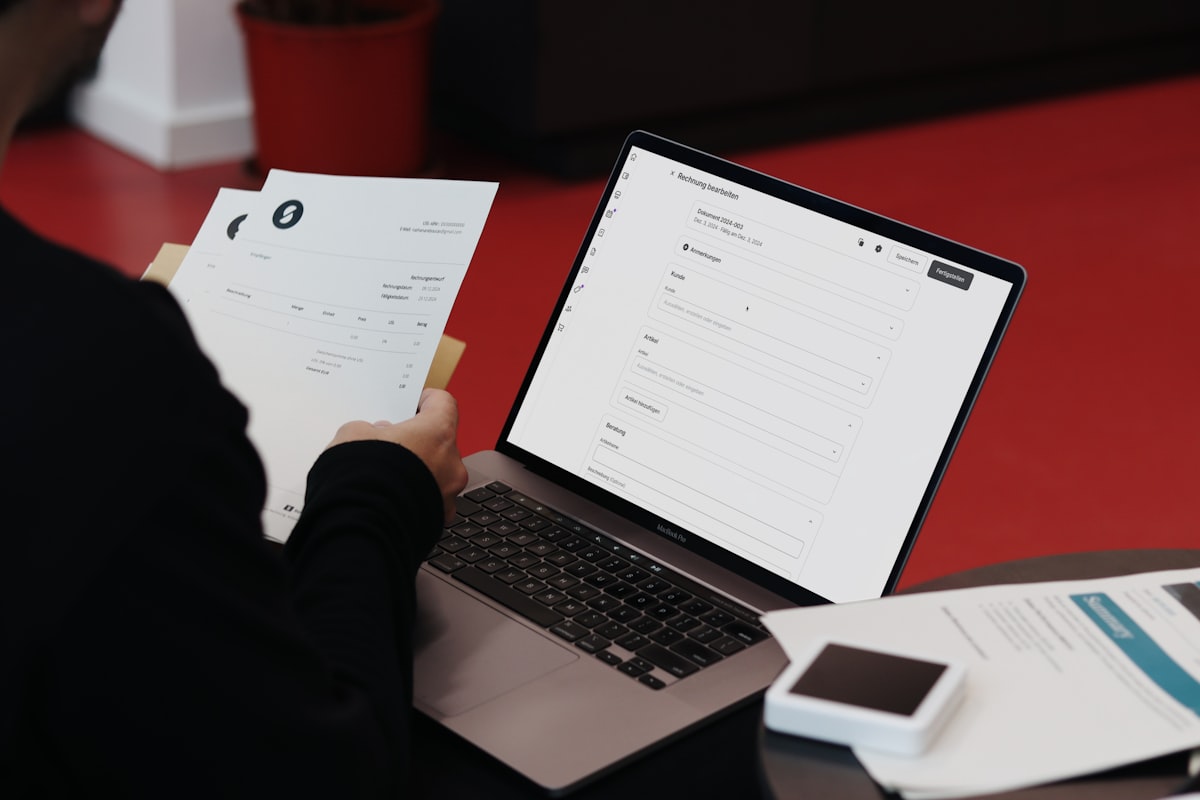
Best Invoicing Software for Event Planners (2026)

Wedding Vendor Payment Schedule Template
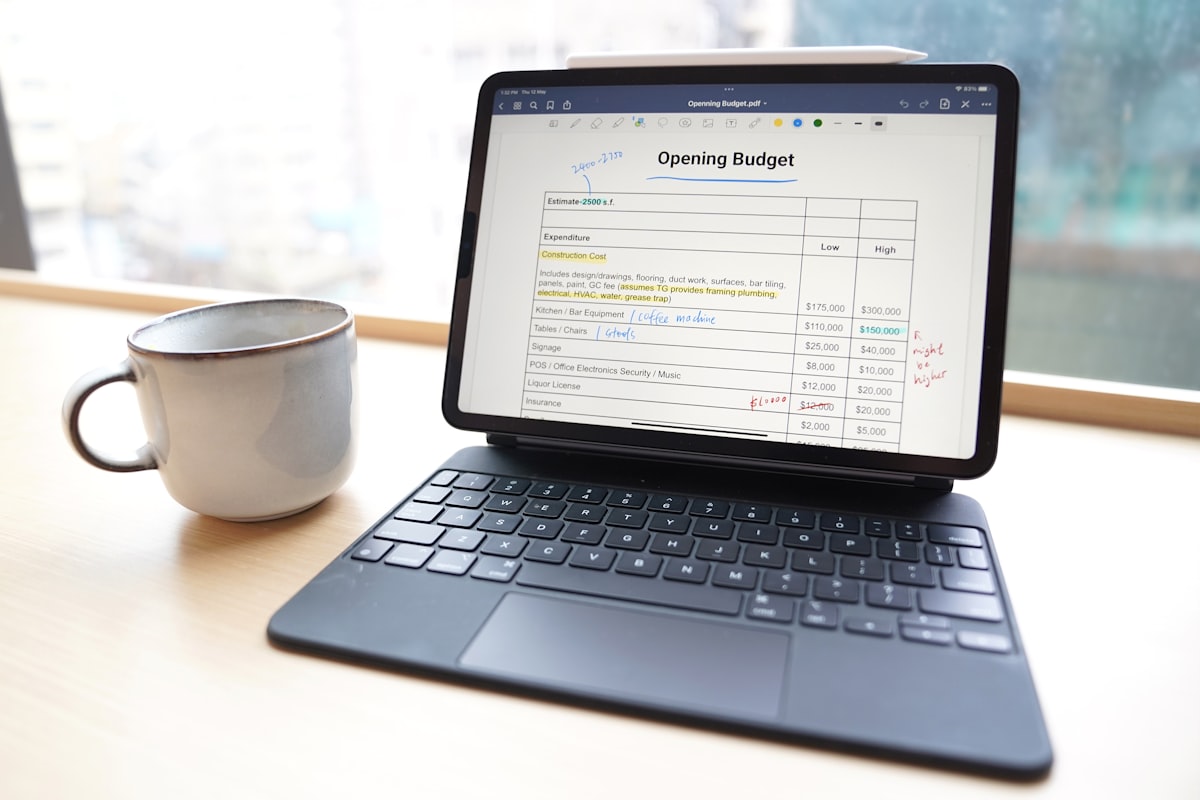
Event Planner Markup Percentage by Vendor Type

Bizzabo Alternatives for Event Planners
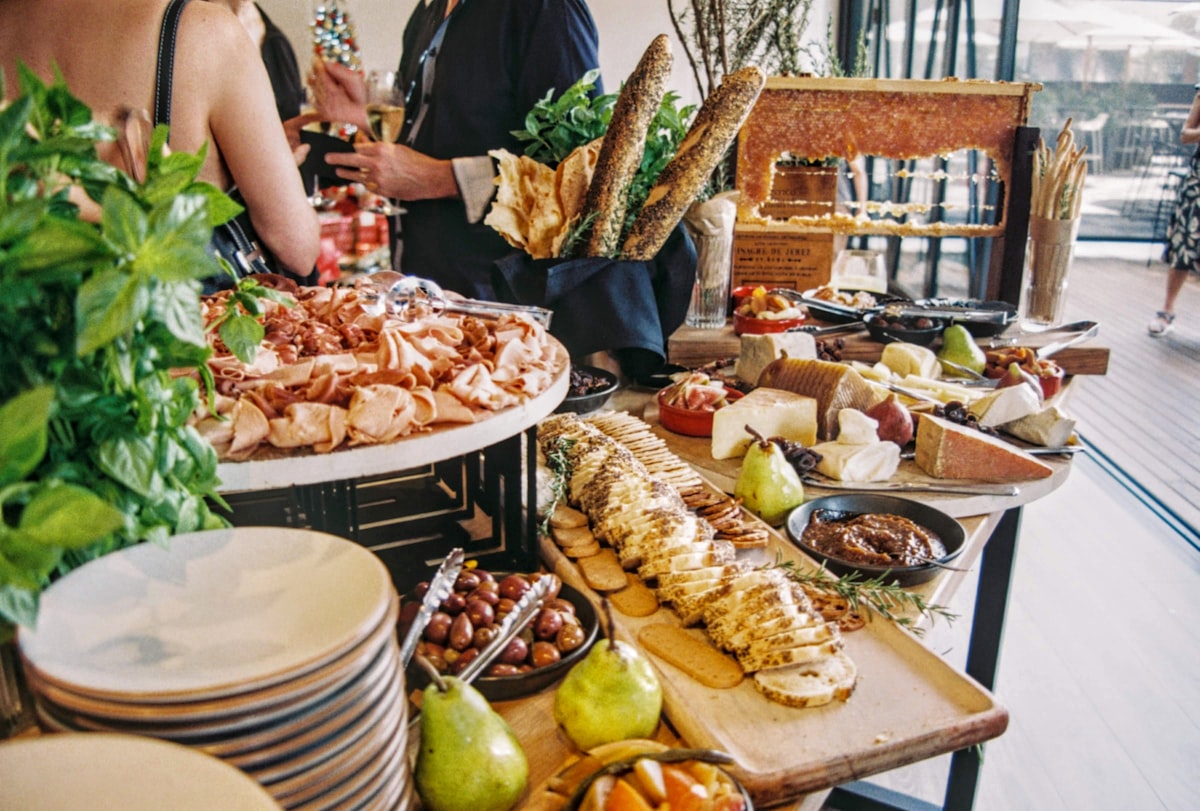
Vendor Relationship Management for Event Planners

Event Cost Calculator: Estimate Your Budget Right

Event Contractor Payment Tracking Tools for Planners

Event Communication Plan Template for Planners

How to Create Event Planning Packages

Event Insurance Cost: What Percentage of Your Budget

Social Tables Alternatives for Event Planners

How to Avoid Hidden Vendor Fees at Events

Corporate Event Planning Checklist for 2026

Post-Event Evaluation Template for Planners

Event Workflow Software: A Practical Guide

Propared Alternatives for Event Planners

Best Software for Managing Event Contractors

Wedding Planner Commission Rate Guide for 2026

Best CRM for Event Planners in 2026

Event Coordinator Tools for Portugal

Event Planner CRM: What to Look For in 2026
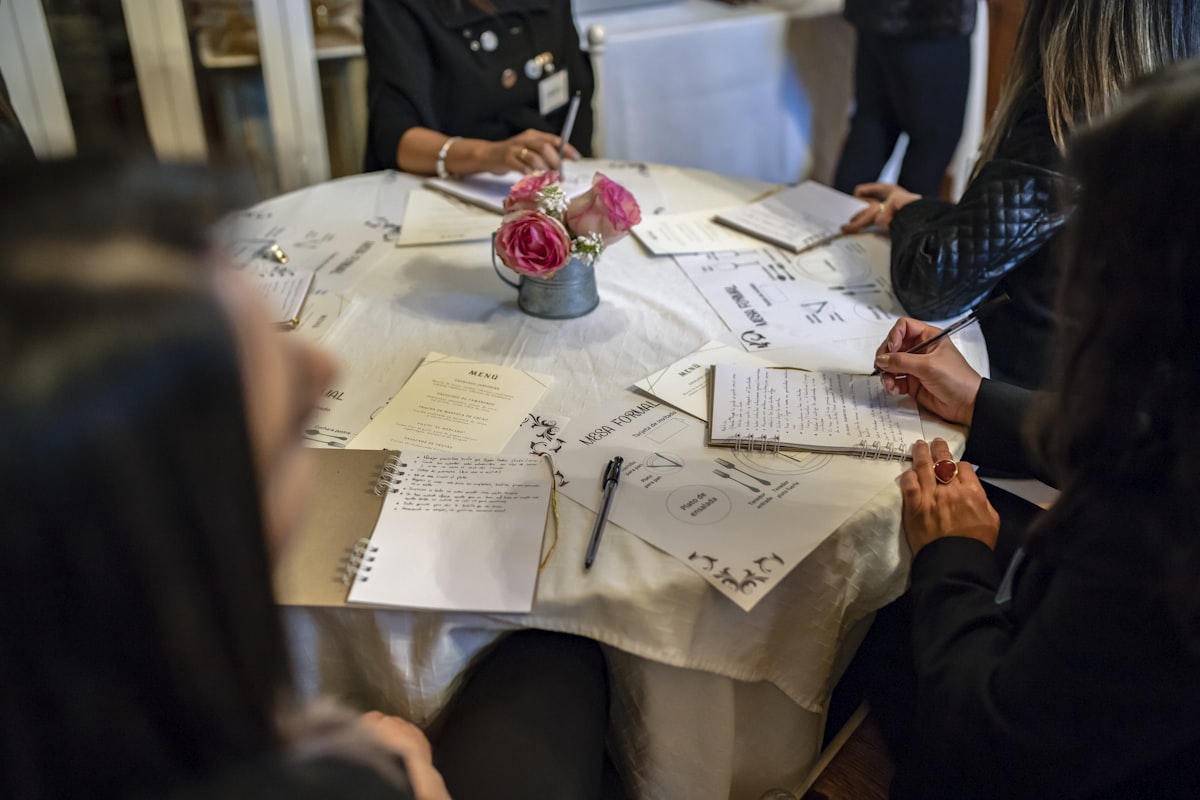
Vendor Contract Red Flags for Event Planners

Tripleseat Alternatives for Independent Planners

Event Catering Cost per Person by Event Type

Freelance Event Planner Toolkit for 2026

Wedding Vendor Management Spreadsheet Template

Subcontractor Management for Events in Portugal

Hidden Costs of Event Planning You Need to Know
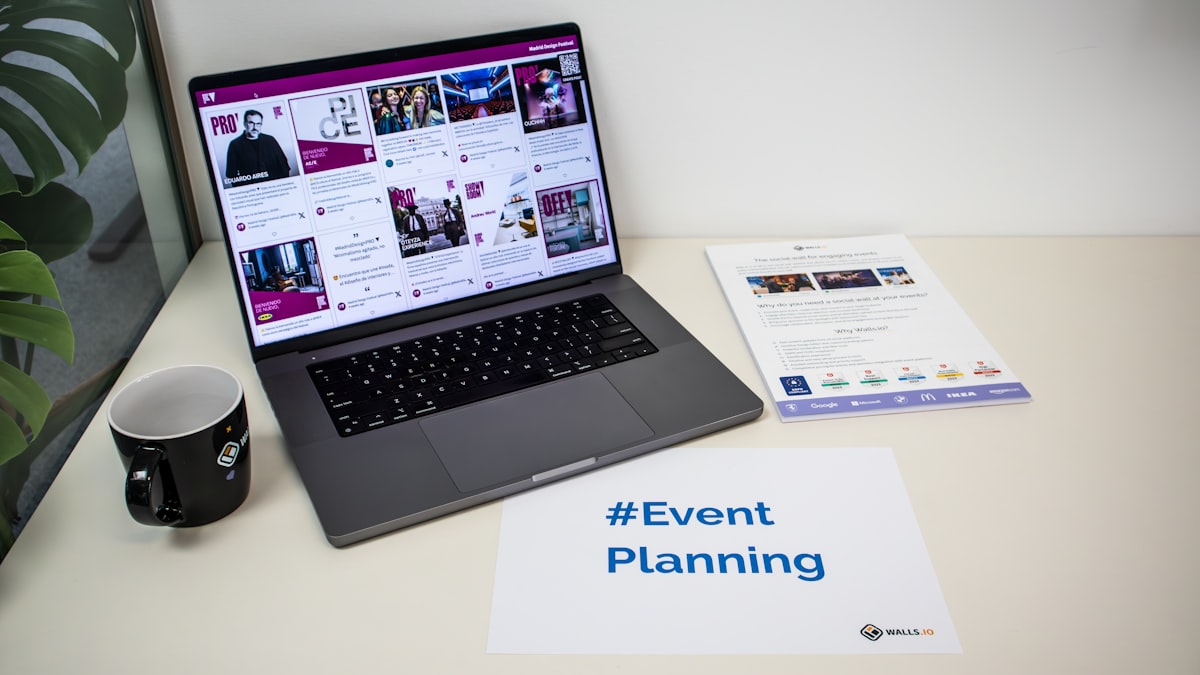
Event Planning Software Pricing Compared

Event Planner Pricing Calculator: Set Your Fees
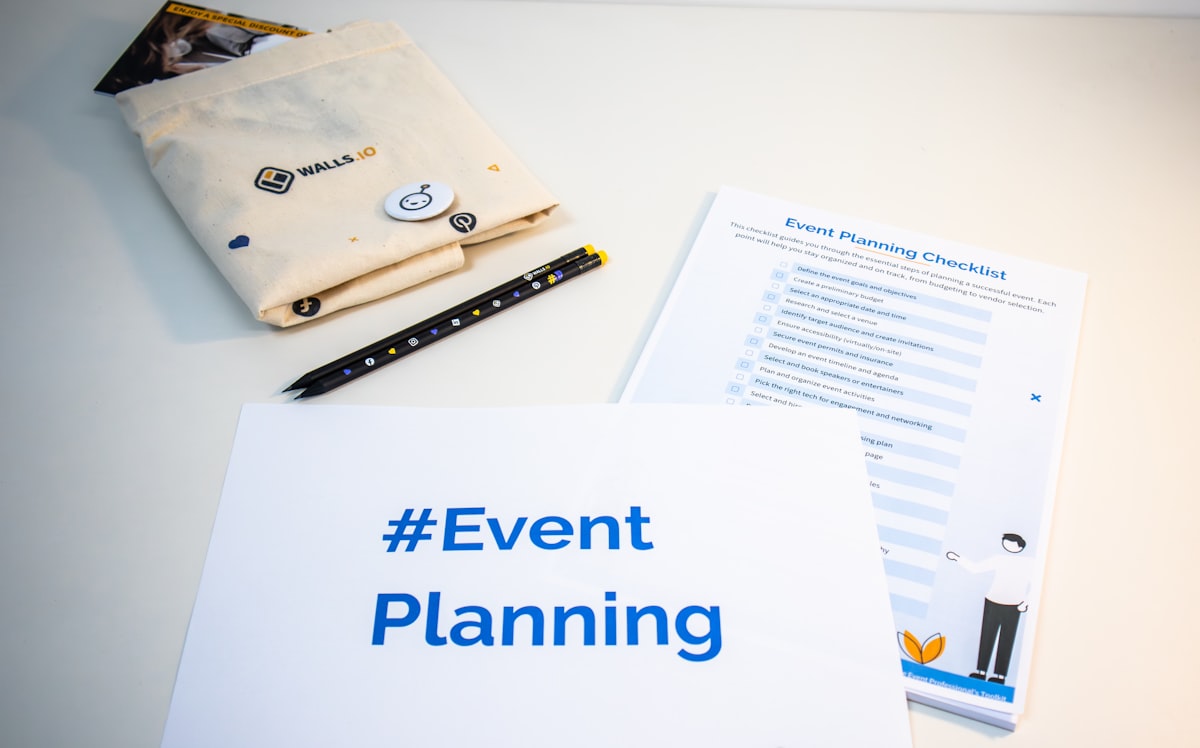
Event RFP Template for Professional Planners

How Much to Tip Event Staff and Vendors

Event Staff-to-Guest Ratios by Service Role

How Much Deposit Do Event Vendors Require?

Micro Wedding Planning Checklist

How to Hire Vendors for Your Wedding

How to Brief Event Staff Before an Event

Cvent Alternatives for Small Event Planners

How to Invoice Event Clients and Get Paid

Event Vendor Performance Scorecard Guide
Event Budgeting Apps: A Practical Guide for Planners

Cut Event Costs Without Sacrificing Quality
Dubsado vs HoneyBook for Event Planners

Event Risk Management Plan Template

Aisle Planner vs HoneyBook for Event Planners

Event Planning Workflow That Keeps Projects on Track

Wedding Planning Software for Portugal

Corporate Event Management Software for Portugal
Event Collaboration Tools for Planning Teams

Best Wedding Planner Tools for 2026 (Solo to Team)

Event Cost Breakdown Template for Planners

Event Budget Contingency Planning Guide

Event Management Automation Tools for 2026
5 Planning Pod Alternatives Compared (2026)

Event Day-of Coordination Checklist

How to Negotiate Event Vendor Pricing
Event Client Onboarding Template

Best Event Planning Apps Compared: 2026 Picks for Pros

AI Tools for Event Planning: A Practical Guide

How to Create a Vendor Shortlist for Events
HoneyBook Alternatives for Event Planners

Event Planner Tools for Brazil: A Practical Guide

Free Wedding Planner Tools That Work

Event Planning Checklist: 6 Phases to Cover

How to Write an Event Proposal That Wins Clients

How to Coordinate Wedding Vendors Like a Pro

Event Vendor Cancelled? Your 3-Step Recovery Plan

Event Vendor Management Tips That Actually Work

5 Signs You've Outgrown Spreadsheets for Event Planning