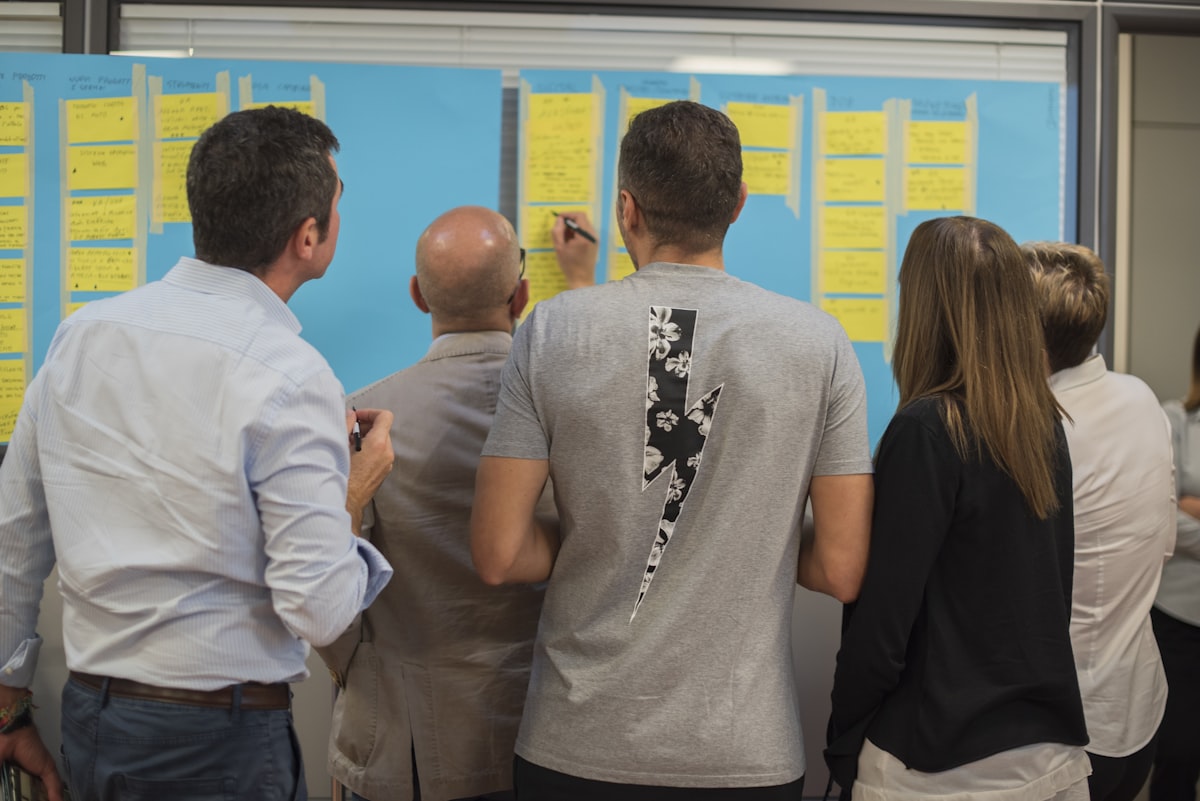
Running events as a solo planner is hard enough. Add two or three team members and the coordination overhead doubles overnight. Suddenly you need everyone to see the same contractor list, track the same budget, and know which client conversation happened when. Generic tools like Slack and Trello help with communication, but they were not built for the specific demands of event planning. They also do not enforce the structured planning workflow that keeps phases, owners, and dependencies straight across multiple events. This guide covers what event planning teams actually need from collaboration tools, where generic options fall short, and how to set up your team for smooth coordination from day one.
Why Event Teams Struggle to Stay Aligned
Event planning involves dozens of moving parts that change daily. A florist confirms, a venue raises its price, a client adds thirty guests two weeks before the date. When you work alone, all of this lives in your head. When you work with a team, it needs to live somewhere everyone can access it.
Most teams start by cobbling together free tools. Spreadsheets for budgets, WhatsApp for vendor communication, Google Calendar for timelines, and email for client updates. Each tool works fine on its own, but many teams eventually discover they have outgrown spreadsheets for event planning. The problem is the gaps between them.
Your coordinator updates a vendor status in the spreadsheet, but you do not see it because you are checking the WhatsApp group. A team member books a photographer who was already rejected by the lead planner. The client gets two different budget numbers because the latest version is on someone else's laptop.
These breakdowns are not caused by bad team members. They are caused by fragmented information. When your team's knowledge is spread across five different tools, no one has the full picture. Every handoff becomes a potential failure point, and the bigger the event, the more handoffs you have.
What to Look for in Event Collaboration Tools
Not every collaboration feature matters equally for event teams. A video conferencing tool is nice, but it will not prevent a double-booked vendor. Focus on features that solve the specific coordination challenges of event planning.
Shared Contractor and Vendor Database
Your team needs one place to see every contractor's contact details, rates, availability, and past performance. If one planner tags a DJ as "reliable" and another has a note saying "showed up late twice," both of those notes need to be visible to the whole team. Look for tools that let you tag, filter, and search contractors by category and track their booking history across events. A shared database eliminates the "I thought you were handling the caterer" problem entirely. If your team also handles shift-based staffing alongside freelance contractors, our guide to event staffing software for small businesses explains how to pick the right category of tool for each need.
Role-Based Access
Not every team member needs access to everything. Your lead planner might handle client pricing and contracts, while coordinators focus on vendor logistics. Good event tools let you assign roles so team members see what they need without being overwhelmed by information that is not relevant to their work. This also protects sensitive data like client budgets and payment details from team members who do not need to see them.
Centralized Client Information
Client details, preferences, event requirements, and communication history should live in one shared record. When a client calls and your lead planner is on-site at another event, any team member should be able to pull up the client's file and give an informed answer. A shared client view with a visual pipeline, such as a Kanban board, helps the entire team see which clients are in the lead stage, which have signed contracts, and which events are actively in production.
Team Calendar and Event Timeline
A shared calendar that shows all team members' event assignments prevents scheduling conflicts. Beyond dates, the best tools show event milestones, vendor deadlines, and task assignments in one view. When your coordinator can see that the venue walkthrough is on Thursday and the final vendor payment is due Friday, they can plan their week without asking you for updates. When event day arrives, a structured day-of coordination checklist ensures every team member knows their role from setup to teardown.
Budget Visibility
Budget disagreements between team members create confusion and damage client trust. The right tool gives your team a shared, real-time view of each event's budget, including committed costs, pending quotes, and remaining margin. This way, no one approves an extra expense without knowing the current financial picture.
Centralized Platforms vs. Stitching Tools Together
Most event teams default to combining several generic tools: Trello for tasks, Slack for messages, Google Sheets for budgets, and a CRM for clients. This approach works at first, but it creates three problems as your team grows.
Information lives in silos. Your budget data is in the spreadsheet, your vendor notes are in Trello, and your client history is in the CRM. No single tool gives you the complete picture of an event. Every team meeting starts with ten minutes of "let me pull that up."
Updates fall through the cracks. When you update a vendor's status in one tool, you still need to tell the rest of the team in another tool. The more tools you use, the more manual syncing you do, and the more updates get missed.
Onboarding takes longer. Every new team member needs access to five different tools, each with its own login, structure, and conventions. What should take a day becomes a week of "where do I find that?" A solid client onboarding template helps on the client side, but your internal team onboarding suffers just as much from fragmented tools.
A centralized event management platform solves these problems by putting clients, contractors, events, budgets, and team assignments in one place. Instead of switching between tabs, your team works from a single dashboard. When a coordinator updates a vendor's booking status, the lead planner sees it immediately. When a new budget line item gets added, the whole team's financial view updates in real time.
The tradeoff is flexibility. Generic tools let you build any workflow you want. Centralized platforms give you a workflow designed for event planning, which means less setup but also fewer customization options. For most teams under ten people, the time saved by having everything in one place far outweighs the flexibility of a custom tool stack.
How Teams Use Collaboration Features Day to Day
Abstract feature lists do not show you how a tool actually fits into your daily work. Here is what strong team collaboration looks like in practice for a typical event planning team.
Monday Morning Check-In
The lead planner opens the team dashboard and sees three events in production this week. Each event shows its status: one is fully confirmed, one has two pending vendor confirmations, and one has a budget overage that needs attention. Without asking anyone, the planner knows where to focus the team's energy.
Client Handoff
A lead planner is heading to a site visit and a client calls with a question about their quote. The coordinator opens the client's profile, sees the latest quote with line items and pricing, and answers the question accurately. No back-and-forth texts, no waiting for the planner to call back.
Vendor Coordination
The team is managing fifteen contractors for a corporate event. Each contractor has a status: confirmed, pending contract, or on the shortlist. When the coordinator confirms the AV company, they update the status once. The planner sees it reflected in the event overview and the vendor shortlist without a separate message.
New Team Member Onboarding
A new coordinator joins the team. Instead of getting access to five different tools and a two-page document explaining where everything lives, they get one login. The contractor database, client pipeline, event calendar, and budget tracker are all in the same place. They can be productive within a day rather than a week.
Setting Up Your Team for Smooth Collaboration
The best tool in the world will not fix a team that has no process. Before you invest in new software, establish a few ground rules that make collaboration work regardless of which platform you choose.
Agree on a single source of truth. Decide where vendor information, client details, and budgets live. If it is not in the system, it does not exist. This prevents the "but I had it in my notes" problem. Tools like Abastio are built for this exact purpose, giving your event team a shared dashboard for clients, contractors, budgets, and events with role-based access and team management.
Define who updates what. Assign clear ownership for different data categories. Maybe coordinators own vendor status updates and the lead planner owns client communication logs. Clear ownership prevents both duplication and gaps. Review our event planning checklist for a starting framework you can adapt to your team.
Review together weekly. A short weekly review of active events, flagged vendors, and budget status keeps everyone aligned. The review is faster when your tool shows all of this in one view rather than requiring you to pull data from multiple sources.
Use your tool's permissions. Role-based access is not just about security. It reduces noise. When coordinators only see the events and contractors relevant to their work, they make fewer mistakes and feel less overwhelmed. Start with the minimum access each role needs and expand as your team settles into its workflow.
Frequently Asked Questions
What is the best collaboration tool for small event planning teams?
For teams of two to five people, a centralized event management platform gives you more value than combining separate tools. You need shared contractor databases, client pipelines, and budget views in one place. Generic project management tools like Trello or Asana can work, but they require significant setup to fit event planning workflows and still leave budget and vendor data in separate systems.
How do I transition my team from spreadsheets to event collaboration software?
Start by importing your contractor database and active client list. Set up your current events with their timelines and budgets. Then run both systems in parallel for one or two events before fully committing. The key is getting your team to trust that the new tool is always up to date, so enforce the "if it is not in the system, it does not exist" rule from day one.
Do event planning teams need separate communication tools like Slack?
For most teams under ten people, a centralized event platform combined with your existing phone and email covers communication needs. Adding Slack creates another place where important information can get buried. If your team is larger or distributed across multiple cities, a dedicated chat tool helps, but keep event-specific decisions and updates in your event management platform, not in chat.
What features should I prioritize when choosing team event software?
Prioritize shared contractor management, role-based access, centralized client records, and team-wide budget visibility. These features directly address the coordination failures that cause the most damage in event planning: double-booked vendors, inconsistent client communication, and budget surprises. Task management and calendar features matter too, but they are secondary to having a single source of truth for your core data.
How much does event collaboration software cost for a small team?
Pricing varies widely. Generic tools like Trello offer free tiers but require significant customization for event planning. Dedicated event platforms typically range from free for solo users to $79-$399 per month for teams, depending on the number of users and events. Look for platforms that offer a free tier to test with your team before committing to a paid plan, and compare the total cost against the three or four separate subscriptions you might be replacing.
Ready to simplify your event management?
Try Abastio free and see how it streamlines vendor coordination.
Start freeMore posts

Event Subcontractor Agreement Template

Destination Wedding Vendor Coordination Guide

Post-Event Vendor Debrief Template

Wedding Timeline Software: A Planner's Guide

Event Setup and Teardown Checklist for Planners

Wedding Vendor Checklist Template for Planners

How to Handle Last-Minute Event Changes

How to Create an Event Run Sheet (Step by Step)
Event Logistics Planning Guide for Organizers

How to Manage Corporate Event Vendors

Client Communication Tips for Event Planners
Planning Pod vs HoneyBook: Which Fits Your Events?

Event Cost per Attendee Calculator and Guide

How to Create a Vendor Management System for Events
Event Staffing Software for Small Business Teams

Whova Alternatives for Event Planners in 2026

Eventbrite Alternatives for Small Events in 2026

Event Vendor Insurance Requirements Checklist

How to Choose Event Management Software
Best Invoicing Software for Event Planners (2026)

Wedding Vendor Payment Schedule Template
Event Planner Markup Percentage by Vendor Type

Bizzabo Alternatives for Event Planners
Vendor Relationship Management for Event Planners
Event Cost Calculator: Estimate Your Budget Right

Event Contractor Payment Tracking Tools for Planners

Event Communication Plan Template for Planners

How to Create Event Planning Packages

Event Insurance Cost: What Percentage of Your Budget
Social Tables Alternatives for Event Planners

How to Avoid Hidden Vendor Fees at Events

Corporate Event Planning Checklist for 2026

Post-Event Evaluation Template for Planners

Event Workflow Software: A Practical Guide
Propared Alternatives for Event Planners

Best Software for Managing Event Contractors

Wedding Planner Commission Rate Guide for 2026

Best CRM for Event Planners in 2026
Event Coordinator Tools for Portugal

Event Planner CRM: What to Look For in 2026
Vendor Contract Red Flags for Event Planners

Tripleseat Alternatives for Independent Planners

Event Catering Cost per Person by Event Type

Freelance Event Planner Toolkit for 2026

Wedding Vendor Management Spreadsheet Template

Subcontractor Management for Events in Portugal

Hidden Costs of Event Planning You Need to Know
Event Planning Software Pricing Compared

Event Planner Pricing Calculator: Set Your Fees
Event RFP Template for Professional Planners

How Much to Tip Event Staff and Vendors
Event Staff-to-Guest Ratios by Service Role

How Much Deposit Do Event Vendors Require?

Micro Wedding Planning Checklist

How to Hire Vendors for Your Wedding

How to Brief Event Staff Before an Event

Cvent Alternatives for Small Event Planners

How to Invoice Event Clients and Get Paid

Event Vendor Performance Scorecard Guide
Event Budgeting Apps: A Practical Guide for Planners
Cut Event Costs Without Sacrificing Quality
Dubsado vs HoneyBook for Event Planners

Event Risk Management Plan Template

Aisle Planner vs HoneyBook for Event Planners
Event Planning Workflow That Keeps Projects on Track

Wedding Planning Software for Portugal

Corporate Event Management Software for Portugal

Best Wedding Planner Tools for 2026 (Solo to Team)

Event Cost Breakdown Template for Planners

Event Budget Contingency Planning Guide

Event Management Automation Tools for 2026
5 Planning Pod Alternatives Compared (2026)
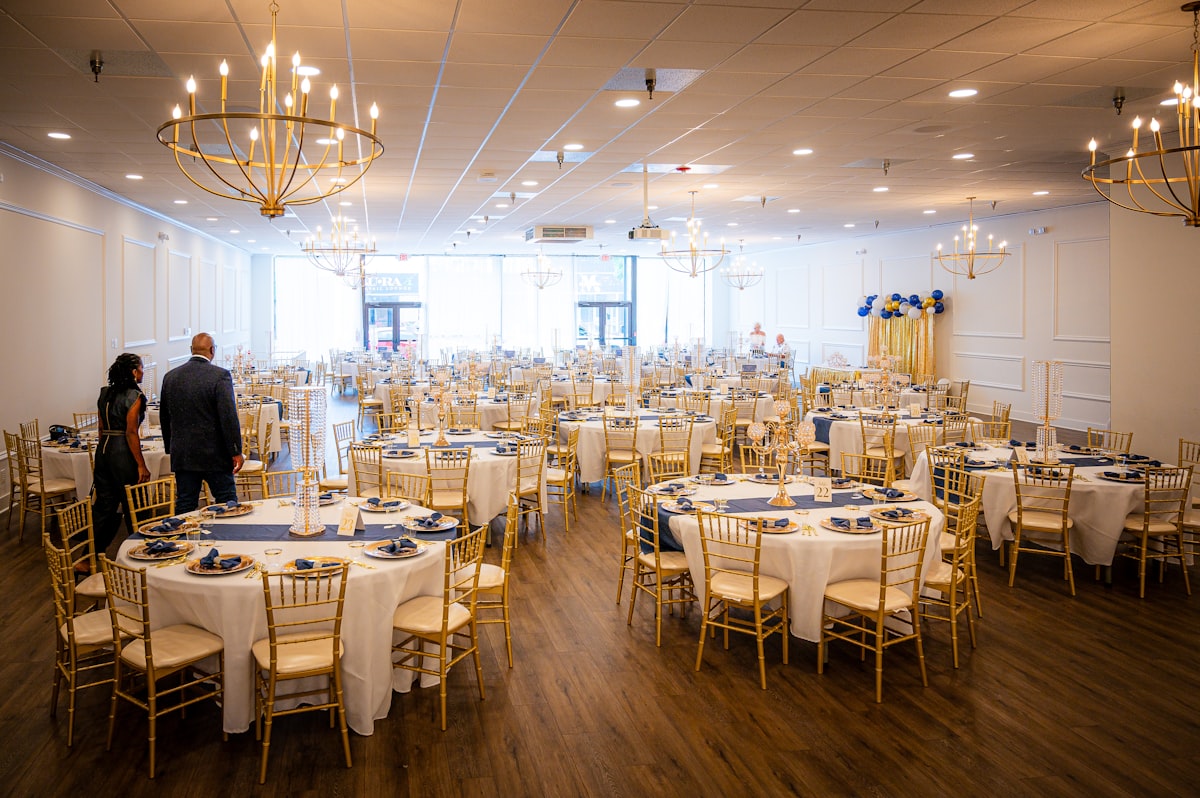
Event Day-of Coordination Checklist

How to Negotiate Event Vendor Pricing
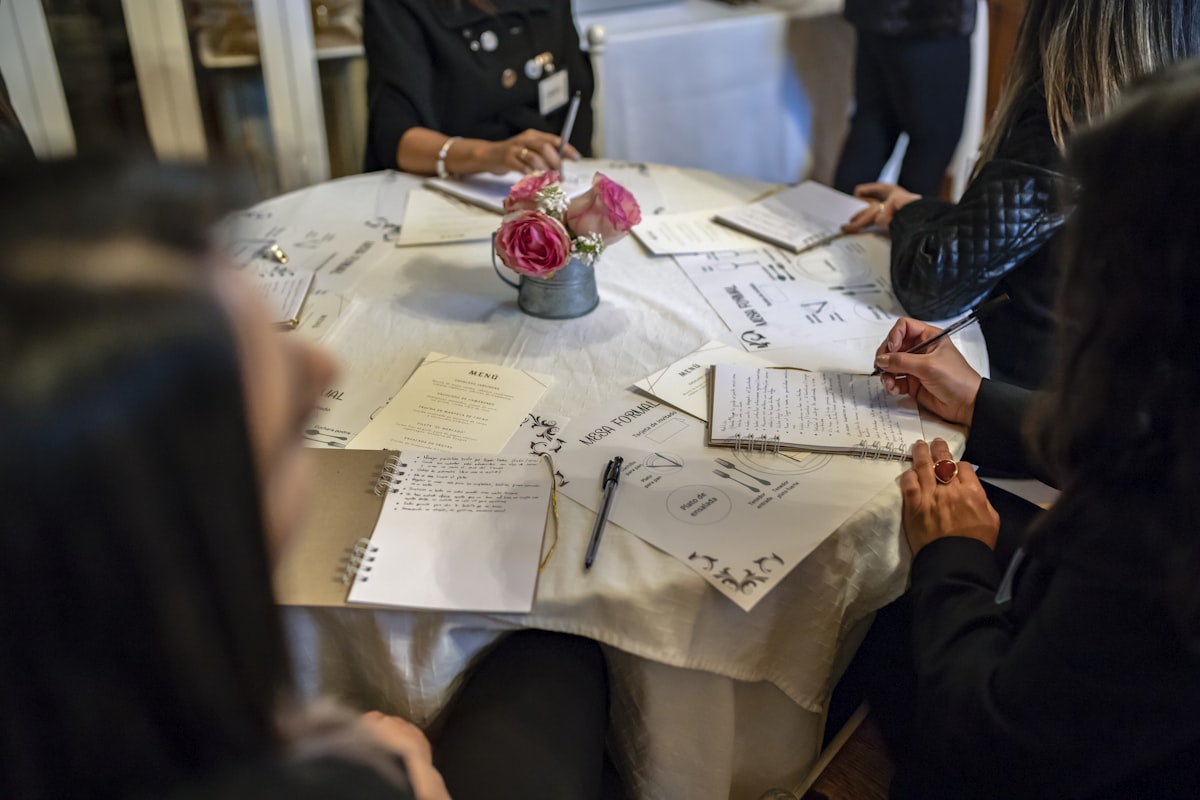
Event Client Onboarding Template

Best Event Planning Apps Compared: 2026 Picks for Pros

AI Tools for Event Planning: A Practical Guide

How to Create a Vendor Shortlist for Events
HoneyBook Alternatives for Event Planners

Event Planner Tools for Brazil: A Practical Guide

Free Wedding Planner Tools That Work

Event Planning Checklist: 6 Phases to Cover

Wedding Planning Software: A Guide for Pros

How to Write an Event Proposal That Wins Clients

How to Coordinate Wedding Vendors Like a Pro

Event Vendor Cancelled? Your 3-Step Recovery Plan

Event Vendor Management Tips That Actually Work

5 Signs You've Outgrown Spreadsheets for Event Planning