
Running events means juggling vendors, timelines, budgets, and client expectations at the same time. The right event planning app can turn that chaos into a repeatable system. The wrong one adds another tab to your already crowded browser.
This guide breaks down the best event planning apps for 2026 by what they actually do well, so you can pick the one that fits your workflow instead of the one with the flashiest landing page.
Evaluation Criteria That Actually Matter
Most app comparison lists rank tools by feature count. That approach misses the point. A tool with 50 features you never use is worse than one with 10 that match your daily workflow.
Here are the criteria that matter for event professionals:
- Vendor and contractor coordination. Can you track who is booked, who has confirmed, and who still needs a contract? For planners managing 20+ suppliers per event, this is the difference between control and chaos.
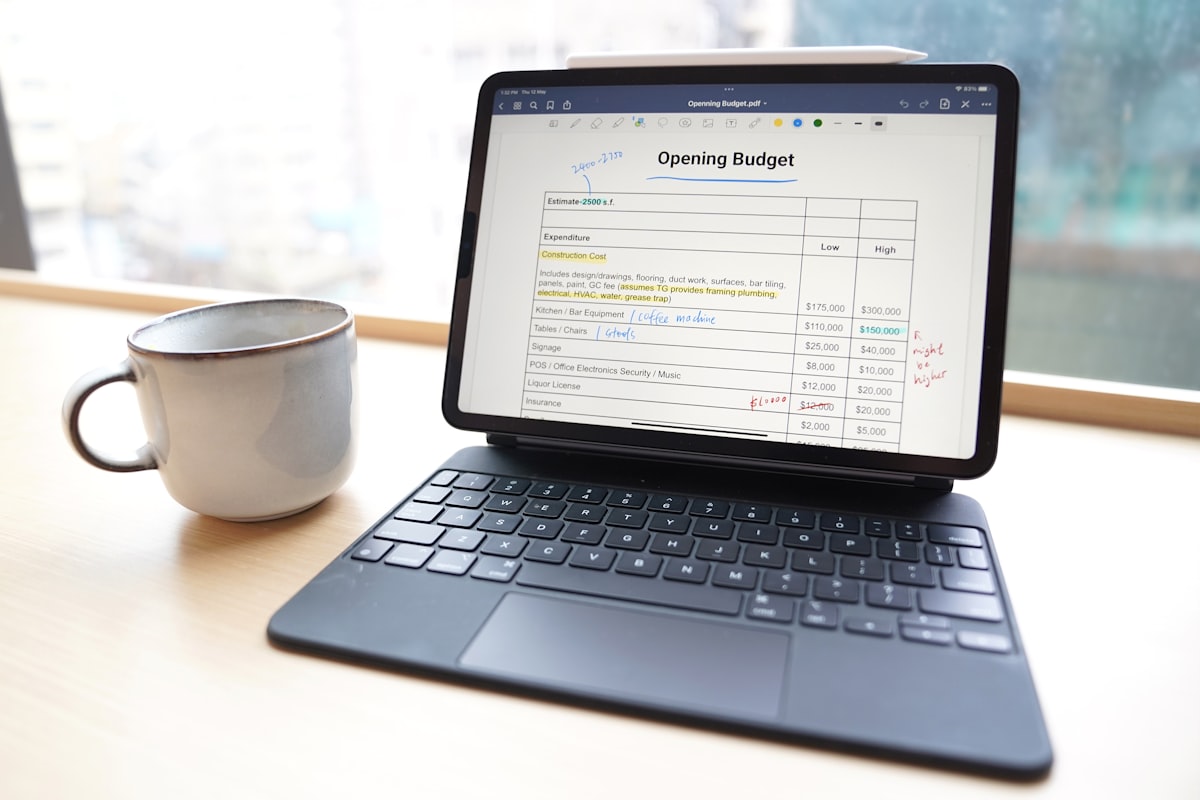
- Budget and quote management. Does the app let you build itemized budgets, compare vendor quotes, and export them for clients? Spreadsheets work until they don't. Our event budgeting app guide covers what to look for in dedicated budgeting tools.
- Client relationship tracking. Can you manage leads, track communication history, and move clients through a pipeline? Event businesses live and die by repeat clients and referrals.
- Mobile access. You are on-site more than you are at a desk. If the app only works well on desktop, it will collect dust.
- Simplicity. If your team needs a training session to figure out the app, adoption will stall. The best tools feel obvious within the first 10 minutes.
Apps Built for Event Operations
These tools were designed specifically for event professionals. They understand that your job involves coordinating people, not just managing tasks.
Abastio focuses on sub-contractor management for event organizers. It combines a client CRM with Kanban pipeline, contractor pool management with booking tracking, event-level budget and quote generation, and team collaboration with role-based access. It is built for planners who coordinate 10 to 50+ vendors per event and need a single place to track who is doing what, at what cost. Abastio offers a free tier for solo planners with up to 2 active events, making it easy to test before committing.
Planning Pod covers event management end-to-end, including floor plans, guest management, task lists, and vendor tracking. It works well for venues and full-service planning companies that handle every detail in-house. The learning curve is steeper, and pricing starts higher than most tools on this list. Our Planning Pod alternatives guide breaks down where it fits best and which tools serve event organizers who do not manage their own venue.
Tripleseat targets hospitality venues like hotels, restaurants, and event spaces. It handles lead capture, event booking, and banquet event orders. If you run a venue rather than a planning business, Tripleseat is worth evaluating. It is less relevant for independent planners or wedding coordinators.
Apps for Client Management and Sales
Some event planners need a tool that handles the business side: proposals, contracts, invoices, and client communication. These apps prioritize the sales cycle over event-day logistics.
HoneyBook is popular among creative professionals and event planners who want to send branded proposals, collect e-signatures, and automate invoicing. It handles client-facing workflows well but offers limited vendor coordination features. If your main pain point is chasing payments and organizing client files, HoneyBook delivers. For a detailed comparison, see our HoneyBook alternatives guide.
Dubsado automates client onboarding with custom workflows, forms, and scheduling. It appeals to solo planners who want to reduce repetitive admin work. The setup process takes time, but the automation pays off for planners handling a high volume of inquiries. If you are deciding between Dubsado and HoneyBook, our side-by-side comparison for event planners covers pricing, automation, and where each tool falls short.
17hats bundles quotes, contracts, invoicing, and bookkeeping for small businesses. It is lighter than HoneyBook or Dubsado, which makes it a good fit for planners who want simple client management without a steep learning curve.
Best Apps for Event Budgeting and Cost Tracking
Budget management is the area where generic tools fail event planners fastest. Spreadsheets work for one event. At five concurrent events with 15 vendors each, they become a liability.
Abastio builds budgets at the event level, aggregating costs across all booked contractors. When you update a vendor quote, the event budget updates automatically. The quote generator exports client-ready PDFs with tiered pricing options, so you can present "good, better, best" packages without rebuilding a spreadsheet each time. The free tier includes this workflow for up to 2 events.
Planning Pod includes budget templates with category-level tracking, integrated with its broader event management features. It works well for planners who also need floor plans and BEOs alongside financials. Pricing starts at $59/month.
HoneyBook handles invoicing and payment collection but lacks line-item budget tracking across vendors. If your budget challenge is collecting client payments on time, HoneyBook solves that. If your challenge is tracking how much you owe 20 vendors across 3 events, you need a multi-vendor tool.
For planners who want a quick baseline before building detailed budgets, the free budget calculator generates estimates by event type and guest count. Our dedicated event budgeting app guide covers more options if budget management is your primary bottleneck.
General-Purpose Tools Event Planners Adapt
Not every planner needs a dedicated event app. Some adapt project management tools to fit their workflow. These tools are flexible but require more setup.
Asana works well for task management and team coordination. You can build templates for repeating event types and assign tasks to team members with deadlines. It lacks event-specific features like budget tracking or vendor databases, so you will still need a spreadsheet or secondary tool for financials.
ClickUp offers more customization than Asana, including custom fields, multiple views, and built-in docs. Power users can build an event management system inside ClickUp, but it takes effort. The flexibility that makes it powerful also makes it overwhelming for small teams.
Trello keeps things visual with Kanban boards. It is a solid option for solo planners who want a simple way to track tasks across events. The free tier is generous, but Trello breaks down when you need to manage complex vendor relationships or financial data across multiple events.
If you have outgrown spreadsheets but feel overwhelmed by dedicated software, a general-purpose tool can serve as an intermediate step.
Choosing the Right App for Your Event Business
The best event planning app is the one your team will actually use. Start by identifying your biggest operational pain point, then choose accordingly.
If vendor coordination is your bottleneck, you need a tool with contractor management, booking status tracking, and cost aggregation per event. Abastio was built for exactly this workflow and offers a free tier to get started.
If client management is your priority, HoneyBook or Dubsado will handle proposals, contracts, and payments more effectively than a general project management tool.
If you mainly need task tracking, Asana or ClickUp will cover your planning checklists and team assignments without the cost of dedicated event software.
If you run a venue, Tripleseat or Planning Pod offer features tailored to space management, catering coordination, and event-day logistics.
A common pattern among experienced planners: they use one tool for event operations (vendor management, budgets, timelines) and one for client management (proposals, contracts, payments). Two focused tools often work better than one tool stretched beyond its strengths. If you work as a freelancer and want a framework for assembling your full stack without overspending on subscriptions, our freelance event planner toolkit guide covers how to evaluate and consolidate tools at solo scale. If you specialize in weddings, our guide to the best tools for wedding planners breaks down specific recommendations by category.
Also watch for these red flags during your evaluation. No free trial means you cannot test with real data before paying. Feature overload usually signals that the tool tries to cover everything and excels at nothing. A desktop-only experience will not survive the reality of working from venues, loading docks, and parking lots. And if you cannot export your contacts, budgets, and event data, the tool is holding your business hostage.
Frequently Asked Questions
Which event planning app works best for wedding planners?
Wedding planners who coordinate many vendors per event benefit most from tools with contractor management features. Abastio and Planning Pod both handle vendor tracking and event budgets. For the client-facing side (proposals and contracts), HoneyBook is a popular choice. Many wedding planners use two complementary tools. See our wedding vendor coordination guide for more context.
Are free event planning apps good enough for professionals?
Free tiers work well for solo planners managing a small number of events. Abastio's free plan supports 1 user, 2 active events, and 5 contractors. Trello and Asana also have generous free tiers. As your event volume grows and you add team members, paid plans become necessary for collaboration features and higher limits.
Can I replace event-specific software with a general project management tool?
Yes, if your needs are mainly task tracking and team coordination. Asana and ClickUp handle those well. You will miss event-specific features like vendor databases, budget tracking with cost aggregation, and quote generation. Most planners who start with general tools eventually move to dedicated event software as their business grows.
Which app handles corporate event management best?
Corporate event managers typically need team collaboration, budget controls, and vendor coordination at scale. Planning Pod and Abastio both serve this market. Cvent is an option for enterprise teams with large budgets and complex requirements, but it is more expensive and takes longer to implement.
How many event planning apps do I actually need?
Most successful planners use one or two. One tool for event operations (vendor management, budgets, timelines) and optionally one for client management (proposals, contracts, payments). Using more than three tools creates fragmentation and data silos. The goal is consolidation, not collection.
Ready to simplify your event management?
Try Abastio free and see how it streamlines vendor coordination.
Start freeMore posts

Event Subcontractor Agreement Template

Destination Wedding Vendor Coordination Guide

Post-Event Vendor Debrief Template

Wedding Timeline Software: A Planner's Guide

Event Setup and Teardown Checklist for Planners

Wedding Vendor Checklist Template for Planners

How to Handle Last-Minute Event Changes

How to Create an Event Run Sheet (Step by Step)

Event Logistics Planning Guide for Organizers

How to Manage Corporate Event Vendors

Client Communication Tips for Event Planners
Planning Pod vs HoneyBook: Which Fits Your Events?
Event Cost per Attendee Calculator and Guide

How to Create a Vendor Management System for Events
Event Staffing Software for Small Business Teams

Whova Alternatives for Event Planners in 2026

Eventbrite Alternatives for Small Events in 2026

Event Vendor Insurance Requirements Checklist

How to Choose Event Management Software
Best Invoicing Software for Event Planners (2026)

Wedding Vendor Payment Schedule Template
Event Planner Markup Percentage by Vendor Type

Bizzabo Alternatives for Event Planners
Vendor Relationship Management for Event Planners
Event Cost Calculator: Estimate Your Budget Right

Event Contractor Payment Tracking Tools for Planners

Event Communication Plan Template for Planners

How to Create Event Planning Packages

Event Insurance Cost: What Percentage of Your Budget

Social Tables Alternatives for Event Planners

How to Avoid Hidden Vendor Fees at Events

Corporate Event Planning Checklist for 2026

Post-Event Evaluation Template for Planners

Event Workflow Software: A Practical Guide
Propared Alternatives for Event Planners

Best Software for Managing Event Contractors

Wedding Planner Commission Rate Guide for 2026

Best CRM for Event Planners in 2026
Event Coordinator Tools for Portugal

Event Planner CRM: What to Look For in 2026
Vendor Contract Red Flags for Event Planners

Tripleseat Alternatives for Independent Planners
Event Catering Cost per Person by Event Type

Freelance Event Planner Toolkit for 2026

Wedding Vendor Management Spreadsheet Template

Subcontractor Management for Events in Portugal

Hidden Costs of Event Planning You Need to Know
Event Planning Software Pricing Compared

Event Planner Pricing Calculator: Set Your Fees
Event RFP Template for Professional Planners

How Much to Tip Event Staff and Vendors

Event Staff-to-Guest Ratios by Service Role

How Much Deposit Do Event Vendors Require?

Micro Wedding Planning Checklist

How to Hire Vendors for Your Wedding

How to Brief Event Staff Before an Event

Cvent Alternatives for Small Event Planners

How to Invoice Event Clients and Get Paid

Event Vendor Performance Scorecard Guide
Event Budgeting Apps: A Practical Guide for Planners

Cut Event Costs Without Sacrificing Quality
Dubsado vs HoneyBook for Event Planners

Event Risk Management Plan Template

Aisle Planner vs HoneyBook for Event Planners

Event Planning Workflow That Keeps Projects on Track

Wedding Planning Software for Portugal

Corporate Event Management Software for Portugal
Event Collaboration Tools for Planning Teams

Best Wedding Planner Tools for 2026 (Solo to Team)

Event Cost Breakdown Template for Planners

Event Budget Contingency Planning Guide

Event Management Automation Tools for 2026
5 Planning Pod Alternatives Compared (2026)

Event Day-of Coordination Checklist

How to Negotiate Event Vendor Pricing
Event Client Onboarding Template

AI Tools for Event Planning: A Practical Guide

How to Create a Vendor Shortlist for Events
HoneyBook Alternatives for Event Planners

Event Planner Tools for Brazil: A Practical Guide

Free Wedding Planner Tools That Work

Event Planning Checklist: 6 Phases to Cover

Wedding Planning Software: A Guide for Pros

How to Write an Event Proposal That Wins Clients

How to Coordinate Wedding Vendors Like a Pro

Event Vendor Cancelled? Your 3-Step Recovery Plan

Event Vendor Management Tips That Actually Work

5 Signs You've Outgrown Spreadsheets for Event Planning