
AI has moved from conference buzzword to daily tool for event planners. But most guides focus on large-scale conferences and enterprise platforms. If you manage weddings, corporate events, or productions with a lean team, you need AI that fits your actual workflow.
This guide covers the practical ways event planners use AI tools right now, with a focus on vendor coordination, budgeting, and client communication.
Where AI Adds Real Value for Event Planners
Event planning involves hundreds of small decisions, from vendor selection to timeline adjustments. AI tools reduce the repetitive work so you can focus on creative and relationship-driven tasks.
The most useful AI applications for event organizers fall into four areas:
- Vendor management and coordination. AI helps you track supplier availability, compare quotes, and flag potential scheduling conflicts before they become problems.
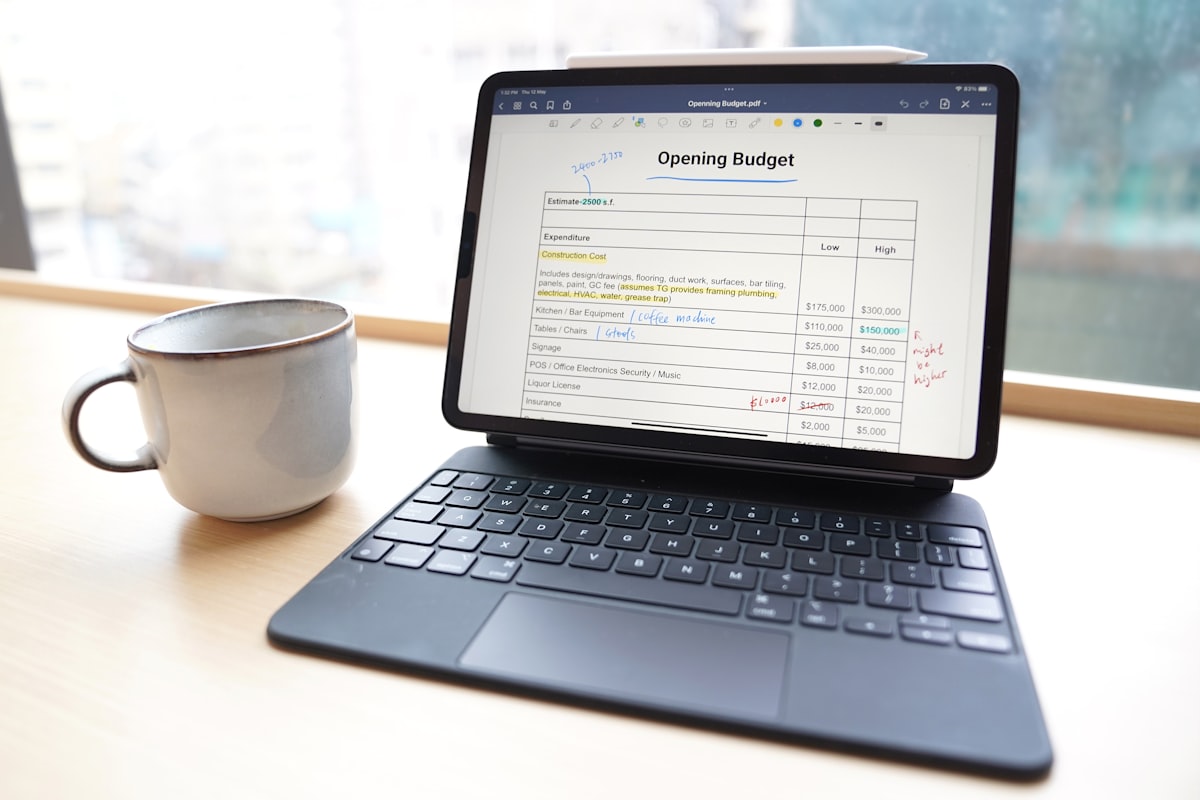
- Budget creation and monitoring. AI-powered tools generate budget templates based on event type and size, then monitor spending against your plan in real time.
- Client communication. AI drafts follow-up emails, generates status updates, and helps you maintain consistent communication across dozens of active clients.
- Content and proposals. AI generates event proposals, social media posts, and run-of-show documents faster than starting from a blank page.
The key difference between a helpful AI tool and a gimmick: it should save you at least 30 minutes per event, not just look impressive in a demo.
AI for Vendor and Sub-Contractor Management
Managing 10 to 50 sub-contractors per event is where things get chaotic. AI tools now help with several parts of this process.
Finding and vetting vendors. AI search tools can scan vendor databases, review sites, and social profiles to build a shortlist based on your criteria. You specify the event type, budget range, and location. The tool returns ranked options with availability indicators.
Scheduling and availability tracking. Instead of sending individual messages to check availability, AI assistants can batch-check calendars and send booking requests with your standard terms attached. When a vendor confirms or declines, the system updates your planning timeline automatically.
Communication templates. AI generates vendor briefing documents, contract summaries, and day-of instructions based on your event details. You review and customize the output rather than writing everything from scratch.
Conflict detection. The most valuable AI feature for vendor management is automatic conflict detection. The tool scans your event timeline and flags overlapping bookings, missing confirmations, or vendors who haven't responded within your deadline window.
If you already track vendors manually and are comparing event planning apps, a platform like Abastio centralizes your contractor pool with tags, booking tracking, and contact management. Clean, structured data gives AI tools a stronger foundation to work with.
For more on organizing your vendor process, read our guide on event vendor management tips.
Smarter Budgets and Proposals with AI
Event budgets involve dozens of line items that change frequently. AI tools help at three stages of the process.
Initial budget generation. Give an AI tool your event type, guest count, and location. It produces a budget template with realistic cost ranges based on market data. A corporate dinner for 200 in London generates different line items than a beach wedding for 80 in Lisbon.
Quote comparison. When you receive multiple vendor quotes, AI tools can extract key terms, compare pricing structures, and highlight outliers. This cuts hours of spreadsheet work, especially for events with 15 or more vendor categories.
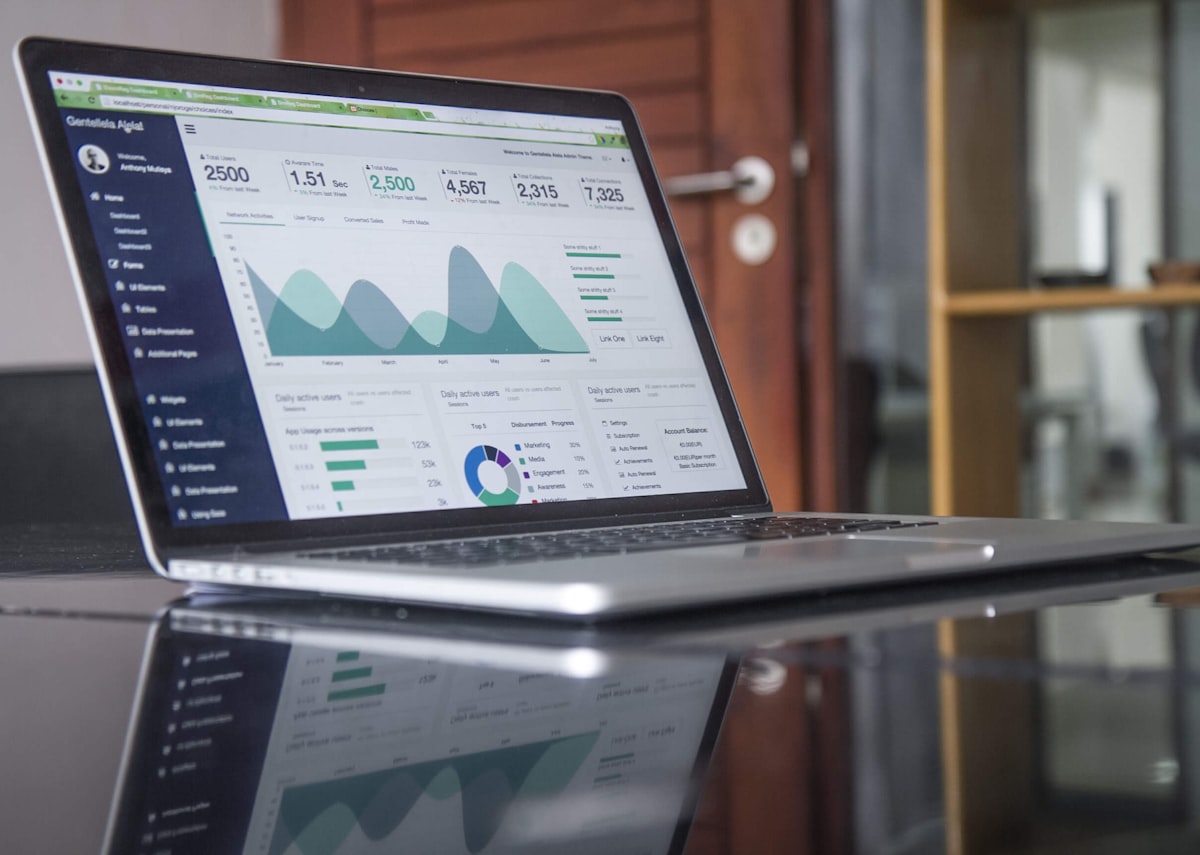
Ongoing monitoring. AI-powered budget trackers compare actual spending against your plan and alert you when a category trends over budget. You catch overruns at 60% of the budget, not 95%.
Proposal writing. AI generates the first draft of client proposals based on your event brief, past proposals, and pricing templates. The output includes scope descriptions, timeline estimates, and tiered pricing options. You edit for accuracy and add the personal touch that wins the client.
For a deeper look at tracking costs across events, see our event budget tracking guide.
Client Communication and Follow-Up
Event planners lose deals and damage relationships through slow or inconsistent communication. AI helps you stay responsive without spending your evenings writing emails.
Automated follow-ups. Set rules for client communication: send a status update every Friday, follow up on unanswered emails after 48 hours, send a post-event feedback request three days after the event. AI tools draft these messages using your tone and the specific details of each event.
Meeting summaries. After a client call, AI transcription tools produce a summary with action items. Share this with your client within minutes of hanging up. The speed signals professionalism and prevents miscommunication about what was agreed.
FAQ responses. Clients ask similar questions across events: payment schedules, cancellation policies, what happens if a vendor drops out. AI tools maintain a library of your answers and suggest responses when it recognizes a familiar question pattern.
Multilingual communication. If you work across markets, AI translation tools handle client emails in multiple languages. The output still needs a human review, but it cuts response time from hours to minutes for non-native languages.
The goal is not to automate your client relationships. It is to handle the routine communication so you have more time for the conversations that actually matter.
Where AI Falls Short in Event Planning
AI tools work well for structured, repetitive tasks. They struggle with the parts of event planning that require judgment, creativity, and relationship skills.
Vendor negotiations. AI can prepare your negotiation brief with market rates and comparison data. It cannot read the room during a call or build the trust that earns you a better rate from a long-term supplier.
Crisis management. When a vendor cancels 48 hours before an event, you need human judgment, industry contacts, and fast decision-making. AI can help you search for replacement options, but the final call requires experience.
Creative direction. AI generates mood boards, color palettes, and theme suggestions. These work as starting points, not final concepts. Your client hired you for your creative eye, not for AI-generated output.
Relationship building. The events industry runs on relationships. Remembering that a photographer's child just started school, or that a caterer prefers early morning deliveries, keeps your vendor network strong. AI tracks data, but it does not build trust.
Use AI for the 60% of your work that is coordination, documentation, and communication. For the rule-based parts of that work, event management automation tools handle tasks like payment reminders and vendor status updates without needing AI at all. Protect the 40% that requires your expertise and personal touch.
Frequently Asked Questions
What are the best AI tools for small event planning businesses?
For small teams, focus on tools that handle the highest-volume tasks: client communication, budget tracking, and vendor coordination. General-purpose AI assistants like ChatGPT and Claude work well for drafting proposals and emails. For event-specific workflows, look for platforms that combine project management with AI features, such as vendor scheduling automation and budget monitoring. Start with free tiers and upgrade only when you confirm the tool saves you measurable time.
How much time does AI save event planners?
The time savings depend on your event volume and current process. Planners who manage 5 or more events per month typically save 8 to 12 hours weekly by automating proposal drafts, vendor communication, and budget tracking. The biggest gains come from reducing manual data entry and eliminating repetitive email writing. Track your time for two weeks before and after adopting AI tools to measure your actual savings.
Can AI replace event planners?
No. AI handles structured, repetitive tasks well: drafting documents, comparing quotes, scheduling follow-ups. It does not replace the creative direction, crisis management, vendor relationships, and client trust that define a skilled event planner. Think of AI as a capable assistant that handles administrative work so you can focus on the high-value parts of your job.
Is AI reliable enough for mission-critical event tasks?
AI tools are reliable for drafting and data analysis, but you should always review the output before sending it to clients or vendors. Treat AI-generated content as a first draft, not a final product. For scheduling and timeline management, use AI as a cross-check against your own planning rather than the sole source of truth. The risk is low when you maintain a human review step.
How do I start using AI in my event planning workflow?
Start with one high-volume task, not five. Most planners see the fastest return by using AI for client email drafts or vendor communication templates. Spend one week using AI for that single task. Once you trust the output quality, expand to a second use case like budget generation or proposal writing. Avoid buying enterprise AI platforms before you know which features you will actually use. Many AI capabilities are available through free tools, and platforms like Abastio help you organize your event data so AI tools can work more effectively.
Ready to simplify your event management?
Try Abastio free and see how it streamlines vendor coordination.
Start freeMore posts

Event Subcontractor Agreement Template

Destination Wedding Vendor Coordination Guide

Post-Event Vendor Debrief Template

Wedding Timeline Software: A Planner's Guide

Event Setup and Teardown Checklist for Planners
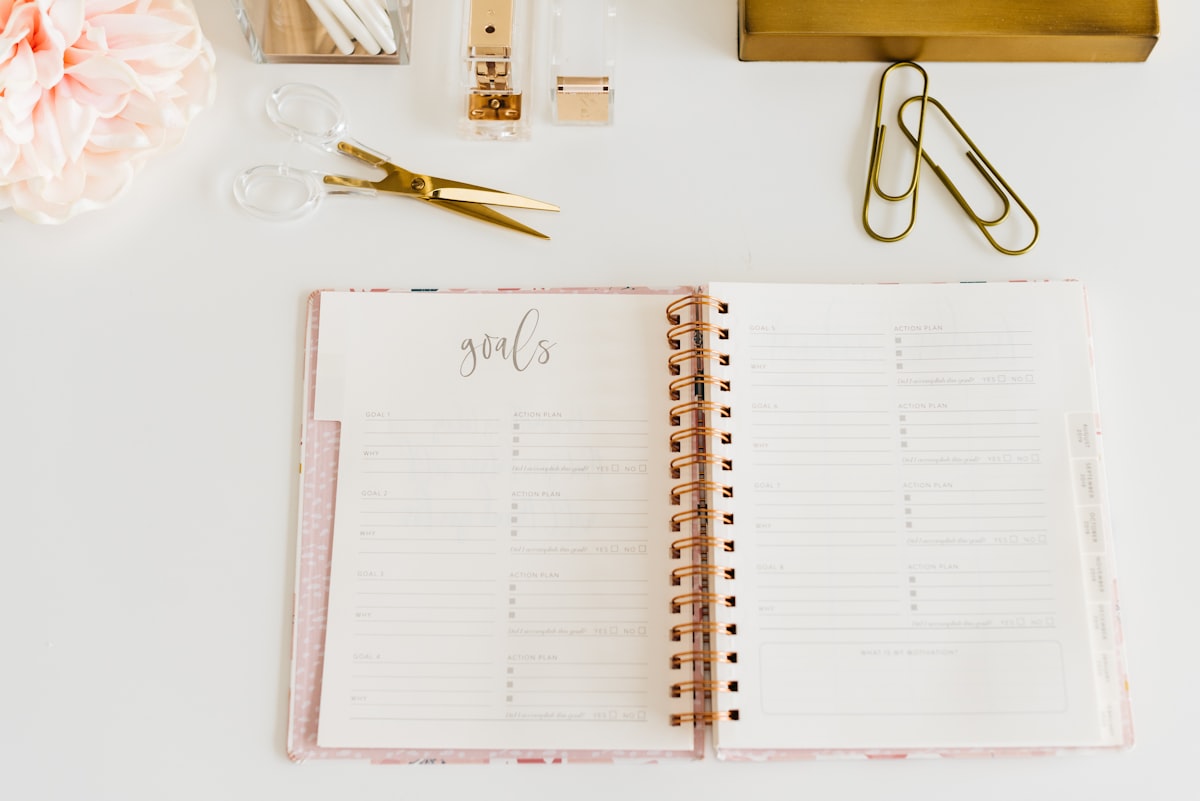
Wedding Vendor Checklist Template for Planners

How to Handle Last-Minute Event Changes

How to Create an Event Run Sheet (Step by Step)

Event Logistics Planning Guide for Organizers

How to Manage Corporate Event Vendors

Client Communication Tips for Event Planners
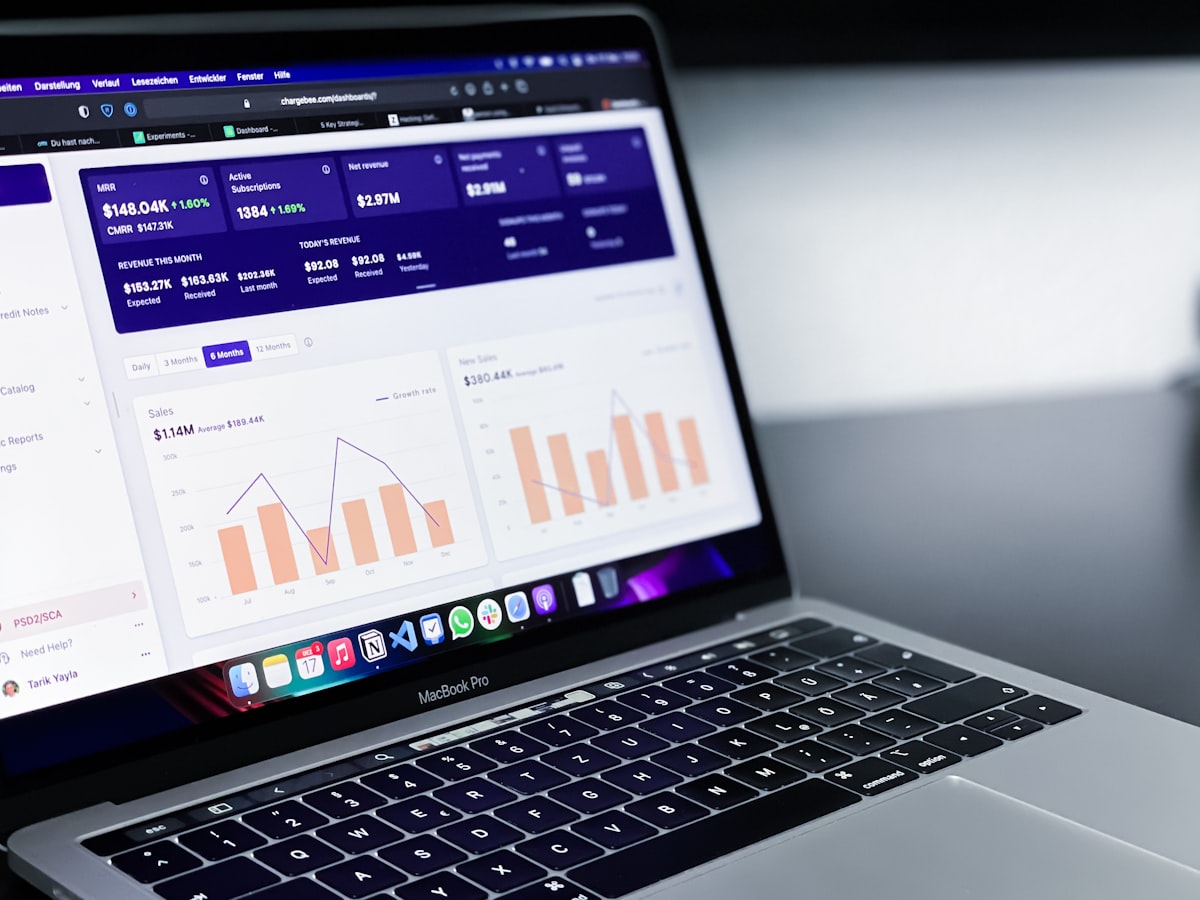
Planning Pod vs HoneyBook: Which Fits Your Events?
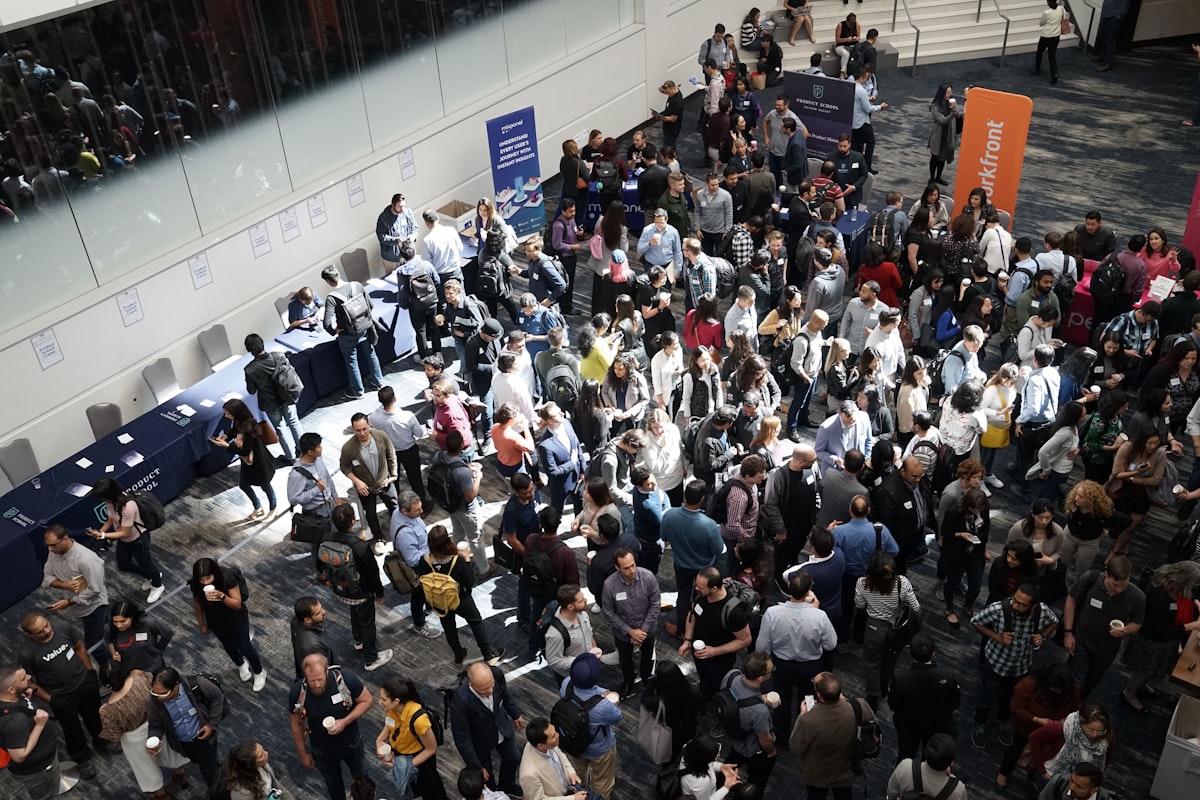
Event Cost per Attendee Calculator and Guide

How to Create a Vendor Management System for Events

Event Staffing Software for Small Business Teams

Whova Alternatives for Event Planners in 2026

Eventbrite Alternatives for Small Events in 2026

Event Vendor Insurance Requirements Checklist

How to Choose Event Management Software
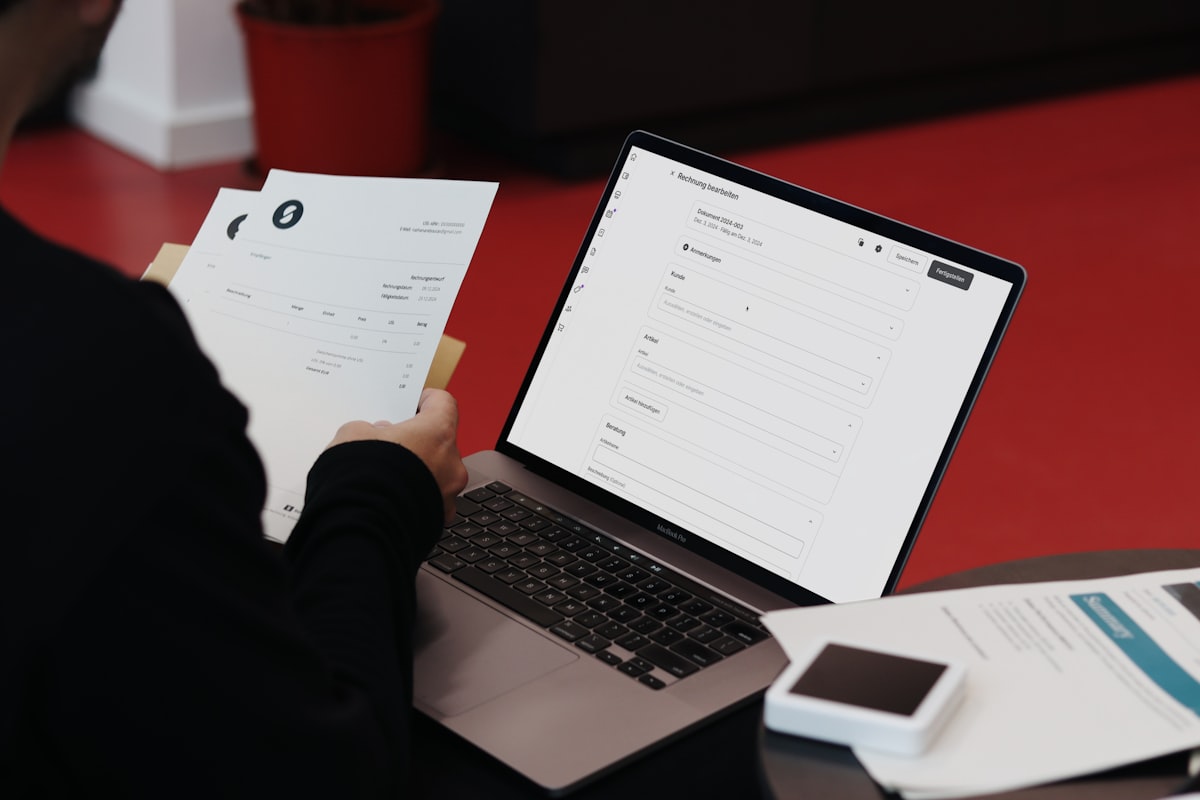
Best Invoicing Software for Event Planners (2026)

Wedding Vendor Payment Schedule Template
Event Planner Markup Percentage by Vendor Type

Bizzabo Alternatives for Event Planners

Vendor Relationship Management for Event Planners
Event Cost Calculator: Estimate Your Budget Right

Event Contractor Payment Tracking Tools for Planners

Event Communication Plan Template for Planners

How to Create Event Planning Packages

Event Insurance Cost: What Percentage of Your Budget

Social Tables Alternatives for Event Planners

How to Avoid Hidden Vendor Fees at Events

Corporate Event Planning Checklist for 2026

Post-Event Evaluation Template for Planners

Event Workflow Software: A Practical Guide

Propared Alternatives for Event Planners

Best Software for Managing Event Contractors

Wedding Planner Commission Rate Guide for 2026

Best CRM for Event Planners in 2026

Event Coordinator Tools for Portugal

Event Planner CRM: What to Look For in 2026
Vendor Contract Red Flags for Event Planners

Tripleseat Alternatives for Independent Planners

Event Catering Cost per Person by Event Type

Freelance Event Planner Toolkit for 2026

Wedding Vendor Management Spreadsheet Template

Subcontractor Management for Events in Portugal

Hidden Costs of Event Planning You Need to Know
Event Planning Software Pricing Compared

Event Planner Pricing Calculator: Set Your Fees
Event RFP Template for Professional Planners

How Much to Tip Event Staff and Vendors

Event Staff-to-Guest Ratios by Service Role

How Much Deposit Do Event Vendors Require?

Micro Wedding Planning Checklist

How to Hire Vendors for Your Wedding

How to Brief Event Staff Before an Event

Cvent Alternatives for Small Event Planners

How to Invoice Event Clients and Get Paid

Event Vendor Performance Scorecard Guide
Event Budgeting Apps: A Practical Guide for Planners

Cut Event Costs Without Sacrificing Quality
Dubsado vs HoneyBook for Event Planners

Event Risk Management Plan Template

Aisle Planner vs HoneyBook for Event Planners
Event Planning Workflow That Keeps Projects on Track

Wedding Planning Software for Portugal

Corporate Event Management Software for Portugal
Event Collaboration Tools for Planning Teams

Best Wedding Planner Tools for 2026 (Solo to Team)

Event Cost Breakdown Template for Planners

Event Budget Contingency Planning Guide
Event Management Automation Tools for 2026
5 Planning Pod Alternatives Compared (2026)

Event Day-of Coordination Checklist

How to Negotiate Event Vendor Pricing
Event Client Onboarding Template

Best Event Planning Apps Compared: 2026 Picks for Pros

How to Create a Vendor Shortlist for Events
HoneyBook Alternatives for Event Planners

Event Planner Tools for Brazil: A Practical Guide

Free Wedding Planner Tools That Work

Event Planning Checklist: 6 Phases to Cover

Wedding Planning Software: A Guide for Pros

How to Write an Event Proposal That Wins Clients

How to Coordinate Wedding Vendors Like a Pro

Event Vendor Cancelled? Your 3-Step Recovery Plan

Event Vendor Management Tips That Actually Work

5 Signs You've Outgrown Spreadsheets for Event Planning