
Every event budget has a ceiling. The vendors you need to deliver that event know this, and they price accordingly. The difference between an event that stays on budget and one that quietly bleeds money often comes down to how well you negotiate vendor pricing before signing anything.
This is not about squeezing suppliers for the lowest possible rate. Aggressive negotiation damages relationships, and in the events industry, relationships are your supply chain. The goal is to reach a price that reflects the real value of the work, protects your margin, and keeps the vendor motivated to deliver their best. Negotiation comes after vendor shortlisting in a structured event planning workflow, so the conversation is grounded in what you actually need before contracts are signed. If you are still managing vendor costs in a spreadsheet, our guide on event budget tracking covers the fundamentals of keeping your numbers organized.
Here are five practical strategies for negotiating event vendor pricing without burning bridges.
1. Research Market Rates Before You Start the Conversation
Walking into a vendor negotiation without knowing market rates puts you at an immediate disadvantage. You cannot tell whether a quote is fair, inflated, or genuinely competitive if you have no benchmark.
Build a pricing reference before you negotiate:
- Request quotes from at least three vendors for the same service. Specify identical requirements (headcount, hours, equipment, location) so the quotes are comparable.
- Ask other event planners in your network what they typically pay for similar services. Industry communities, both online and local, are surprisingly open about pricing ranges.
- Check whether the vendor offers published pricing on their website or social media. Many photographers, DJs, and florists post starting rates that give you a baseline.
The point is not to wave competitor quotes in a vendor's face. It is to know, with confidence, whether the number in front of you is within a reasonable range. When you can say "I have seen similar packages priced between X and Y," you shift the conversation from guesswork to data.
This research also protects you from underpricing. If a vendor's quote is significantly below market rate, that can signal corners being cut on staffing, materials, or equipment quality.
2. Understand What You Are Actually Paying For
A vendor quote is rarely one number. It is a bundle of line items, and each one represents a negotiation opportunity. When you understand the cost structure behind a quote, you can negotiate specific components instead of asking for a blanket discount.
Break down the quote into categories:
- Labor: Staff hours, overtime rates, setup and teardown time. Ask whether setup is included or billed separately.
- Materials and equipment: Linens, tableware, AV gear, floral arrangements. Ask what is rented vs. owned by the vendor.
- Travel and logistics: Delivery fees, fuel surcharges, parking. These are often the most flexible line items.
- Markup and profit margin: Standard in every industry. Knowing standard markup percentages by vendor type helps you estimate how much room a vendor has. You do not need the vendor to reveal their exact margin, but understanding that it exists helps you frame requests realistically.
Once you see the breakdown, you can make targeted adjustments. Maybe you do not need the premium linen upgrade. Maybe you can handle your own setup to eliminate a labor charge. Maybe the vendor can waive the delivery fee if you combine two events in the same week.
This approach works better than asking "Can you do it for less?" because it shows the vendor you respect their pricing structure and are looking for genuine efficiencies, not charity. A structured event cost breakdown template makes this kind of category-by-category analysis much easier to do consistently across all your events. Knowing which unexpected fees tend to surface after contracts are signed also helps you ask the right questions before you agree to anything.
3. Negotiate Value, Not Just the Dollar Amount
Price is only one part of a vendor agreement. When a vendor cannot move on price, they can often move on scope, timing, or terms. The best event planners negotiate the total value of a deal, not just the bottom line number.
Value levers you can negotiate:
- Extended hours at the same rate. A photographer who quotes 6 hours might include a 7th hour at no extra charge rather than dropping their per-hour rate.
- Upgraded options at the original price. A caterer might swap in a premium appetizer or add a dessert station if the overall contract value stays the same.
- Priority scheduling. Some vendors offer preferred booking windows or faster response times for clients who commit early or sign multi-event agreements.
- Marketing exchange. Newer vendors or those building their portfolio may accept a lower rate in exchange for professional photos of their work at your event, social media mentions, or referrals to other planners.
This is where strong vendor management becomes a negotiation tool. When you track what each vendor has delivered across past events with a performance scorecard, you can reference specific outcomes. "Your team handled 300 guests flawlessly at our last corporate dinner" is a stronger position than "I need a discount."
4. Use Volume and Loyalty to Your Advantage
One-off event bookings give you limited negotiation power. Ongoing relationships change the equation entirely. If you run multiple events per year, or if you consistently book the same vendor types, you have volume leverage.
Ways to use repeat business in negotiations:
- Multi-event contracts. Offer a vendor guaranteed bookings for three or four events in exchange for a reduced per-event rate. This gives them revenue predictability, which many vendors value more than a higher single-event fee.
- Preferred vendor agreements. Commit to using a vendor as your first choice for a specific service category. In return, negotiate a standing discount, priority booking, or dedicated account management.
- Referral value. If you regularly recommend a vendor to other planners or clients, quantify that. "I referred four clients to you last year" is a concrete reason for the vendor to offer you better terms.
Track these commitments carefully. A verbal promise of "I will book you again next quarter" carries less weight than a documented history of repeat bookings. Our guide on vendor relationship management for event planners covers how to build tiered vendor networks and communication cadences that make loyalty claims concrete. Tools like Abastio let you tag vendors, track booking history, and see at a glance which suppliers you have worked with most, giving you the data to back up your loyalty claims.
5. Handle Deposits and Payment Terms Strategically
Payment terms are often overlooked during vendor negotiations, but they have a direct impact on your cash flow and risk exposure. The timing and structure of payments can be just as important as the total price.
Key payment terms to negotiate:
- Deposit percentage. Industry standard ranges from 25% to 50% upfront. If a vendor asks for 50%, propose 30% with a second installment 30 days before the event. This reduces your upfront cash outlay and gives you more flexibility. For a detailed breakdown of standard deposit percentages by vendor type, including payment schedule structures, see our dedicated guide.
- Payment milestones. Instead of a single balance-due date, propose milestone-based payments tied to deliverables. For example, 30% at booking, 30% after the planning walkthrough, and 40% within 14 days after the event.
- Early payment discounts. Some vendors offer a 3% to 5% discount for payment in full before the event. If your cash flow allows it, this can add up across multiple vendors.
- Cancellation and refund terms. Negotiate a sliding scale for cancellations. Full refund if cancelled 90+ days out, 50% if cancelled 30-60 days out, no refund under 30 days. This protects both sides and is fairer than a flat "no refunds" policy. For more on handling cancellation scenarios, see our vendor cancellation contingency plan.
Put every agreed payment term in writing. Include the exact amounts, due dates, accepted payment methods, and what happens if either side misses a deadline. Verbal agreements about payment are the fastest path to disputes.
If you are managing vendor payments across multiple events, a centralized system that tracks payment status alongside vendor contact details and contract terms saves you from the spreadsheet chaos that leads to missed payments and double bookings. Abastio tracks all of this in one dashboard, so you always know which vendors are paid, which invoices are pending, and where your event budget stands in real time.
Frequently Asked Questions
When is the best time to negotiate with event vendors?
Start negotiations as early as possible, ideally 4 to 6 months before your event. Vendors have more flexibility on pricing and terms when their calendar is not yet full. Off-peak seasons (January through March for weddings, summer months for corporate events) also give you more room to negotiate because vendors are competing harder for bookings.
How much can you realistically negotiate off an event vendor's price?
Most event vendors have 10% to 20% flexibility in their pricing, depending on the service type and how busy their schedule is. Commoditized services like basic AV rental or transportation tend to have more margin for negotiation. Specialized services like custom floral design or live entertainment have less flexibility because the labor and materials are harder to substitute.
Should you tell a vendor your budget upfront?
Share a range, not an exact number. Saying "Our catering budget is between $8,000 and $10,000 for 150 guests" gives the vendor enough information to propose realistic options without anchoring the conversation at your maximum. If you share your exact ceiling, most vendors will price right up to it.
How do you negotiate with a vendor you want to work with again?
Frame the negotiation around the long-term relationship. Be transparent about your budget constraints and your intention to rebook. Offer concrete commitments like "I have three corporate events planned this year and want to use the same caterer for all three." Vendors respond well to predictable, repeat revenue, and they will often offer better terms to secure it.
What should you do if a vendor refuses to negotiate?
Respect their position and evaluate whether their pricing fits within your budget as quoted. Some vendors, especially those with strong reputations and full schedules, price firmly because demand supports it. If the price does not work, thank them professionally and move to your next option. Keep the relationship positive because your budget or their availability may align on a future event.
Ready to simplify your event management?
Try Abastio free and see how it streamlines vendor coordination.
Start freeMore posts

Event Subcontractor Agreement Template

Destination Wedding Vendor Coordination Guide

Post-Event Vendor Debrief Template

Wedding Timeline Software: A Planner's Guide

Event Setup and Teardown Checklist for Planners
Wedding Vendor Checklist Template for Planners

How to Handle Last-Minute Event Changes

How to Create an Event Run Sheet (Step by Step)

Event Logistics Planning Guide for Organizers

How to Manage Corporate Event Vendors

Client Communication Tips for Event Planners
Planning Pod vs HoneyBook: Which Fits Your Events?

Event Cost per Attendee Calculator and Guide

How to Create a Vendor Management System for Events

Event Staffing Software for Small Business Teams

Whova Alternatives for Event Planners in 2026

Eventbrite Alternatives for Small Events in 2026

Event Vendor Insurance Requirements Checklist

How to Choose Event Management Software
Best Invoicing Software for Event Planners (2026)
Wedding Vendor Payment Schedule Template
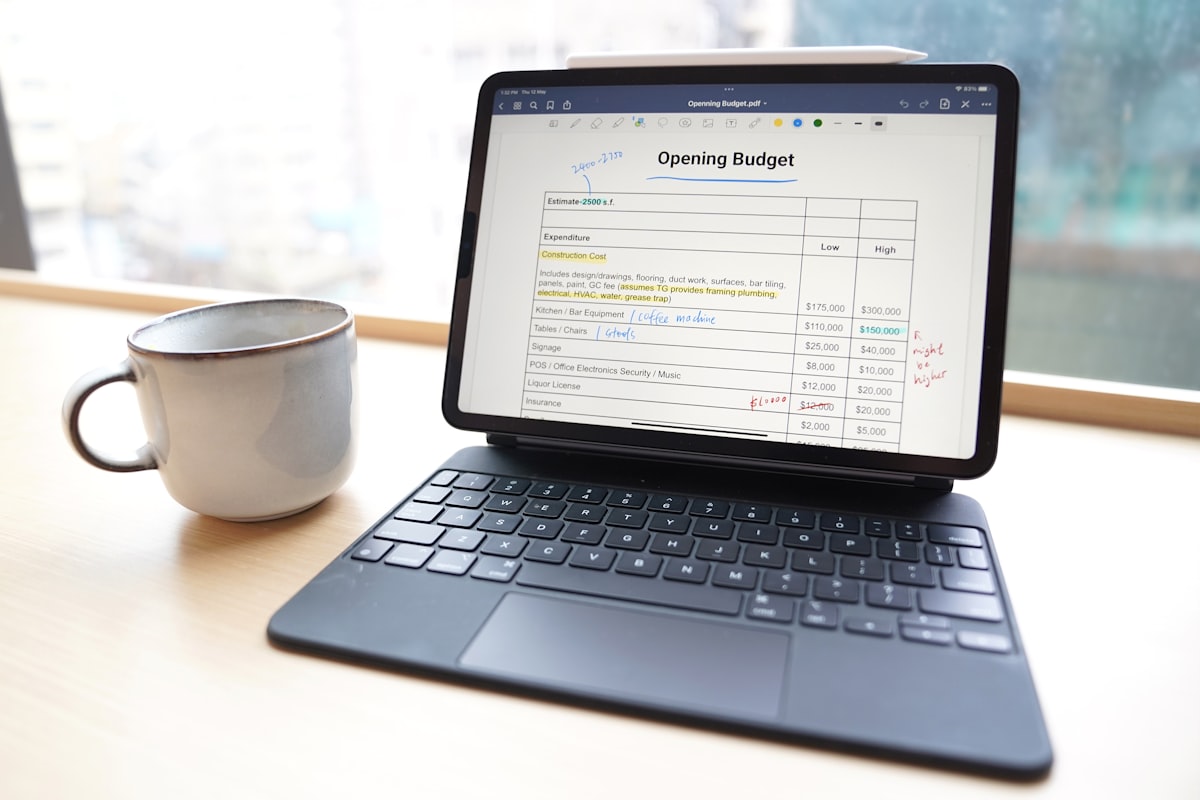
Event Planner Markup Percentage by Vendor Type

Bizzabo Alternatives for Event Planners

Vendor Relationship Management for Event Planners

Event Cost Calculator: Estimate Your Budget Right

Event Contractor Payment Tracking Tools for Planners

Event Communication Plan Template for Planners

How to Create Event Planning Packages

Event Insurance Cost: What Percentage of Your Budget

Social Tables Alternatives for Event Planners
How to Avoid Hidden Vendor Fees at Events

Corporate Event Planning Checklist for 2026

Post-Event Evaluation Template for Planners

Event Workflow Software: A Practical Guide

Propared Alternatives for Event Planners

Best Software for Managing Event Contractors

Wedding Planner Commission Rate Guide for 2026

Best CRM for Event Planners in 2026

Event Coordinator Tools for Portugal

Event Planner CRM: What to Look For in 2026
Vendor Contract Red Flags for Event Planners

Tripleseat Alternatives for Independent Planners

Event Catering Cost per Person by Event Type

Freelance Event Planner Toolkit for 2026

Wedding Vendor Management Spreadsheet Template

Subcontractor Management for Events in Portugal

Hidden Costs of Event Planning You Need to Know
Event Planning Software Pricing Compared

Event Planner Pricing Calculator: Set Your Fees
Event RFP Template for Professional Planners

How Much to Tip Event Staff and Vendors
Event Staff-to-Guest Ratios by Service Role

How Much Deposit Do Event Vendors Require?

Micro Wedding Planning Checklist

How to Hire Vendors for Your Wedding

How to Brief Event Staff Before an Event

Cvent Alternatives for Small Event Planners

How to Invoice Event Clients and Get Paid

Event Vendor Performance Scorecard Guide
Event Budgeting Apps: A Practical Guide for Planners

Cut Event Costs Without Sacrificing Quality

Dubsado vs HoneyBook for Event Planners

Event Risk Management Plan Template

Aisle Planner vs HoneyBook for Event Planners

Event Planning Workflow That Keeps Projects on Track

Wedding Planning Software for Portugal

Corporate Event Management Software for Portugal

Event Collaboration Tools for Planning Teams

Best Wedding Planner Tools for 2026 (Solo to Team)

Event Cost Breakdown Template for Planners

Event Budget Contingency Planning Guide

Event Management Automation Tools for 2026
5 Planning Pod Alternatives Compared (2026)
Event Day-of Coordination Checklist
Event Client Onboarding Template

Best Event Planning Apps Compared: 2026 Picks for Pros

AI Tools for Event Planning: A Practical Guide

How to Create a Vendor Shortlist for Events
HoneyBook Alternatives for Event Planners

Event Planner Tools for Brazil: A Practical Guide

Free Wedding Planner Tools That Work

Event Planning Checklist: 6 Phases to Cover

Wedding Planning Software: A Guide for Pros

How to Write an Event Proposal That Wins Clients

How to Coordinate Wedding Vendors Like a Pro

Event Vendor Cancelled? Your 3-Step Recovery Plan

Event Vendor Management Tips That Actually Work

5 Signs You've Outgrown Spreadsheets for Event Planning