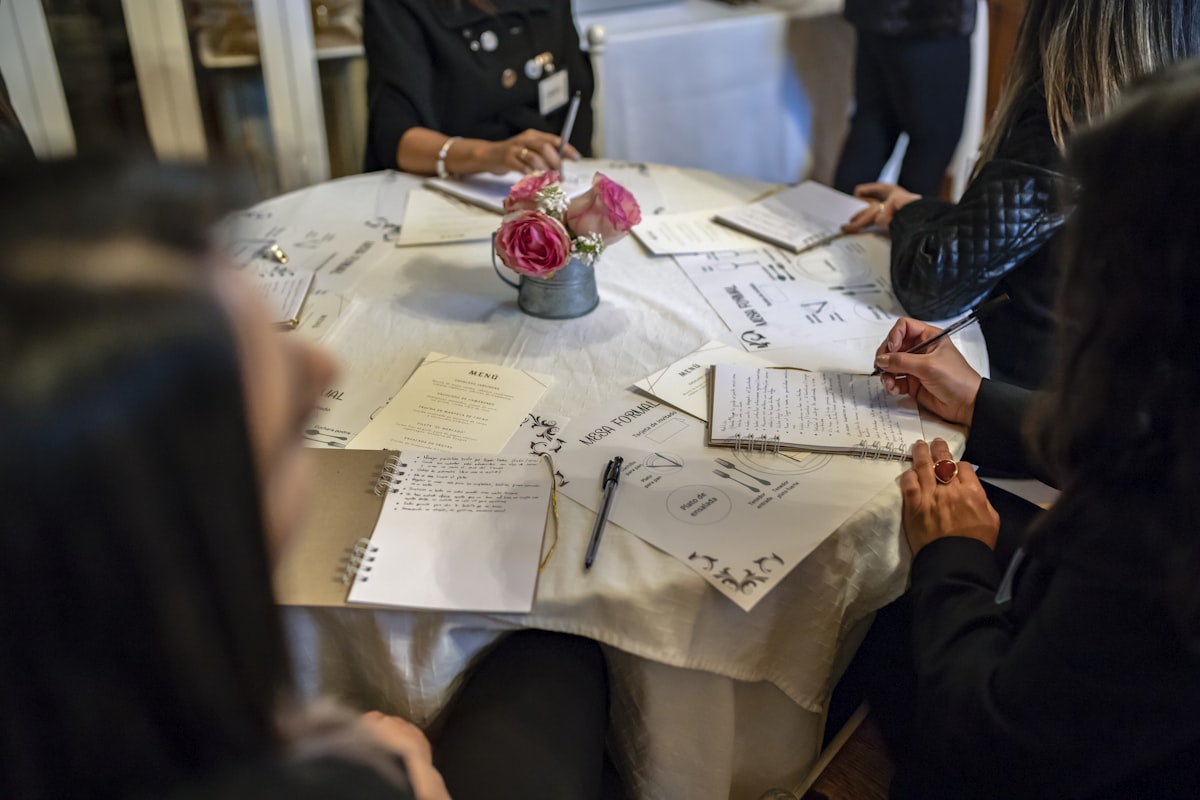
A signed contract is just the starting line. What happens in the first 48 hours with a new event client sets the tone for the entire project. Miss key details now, and you spend months chasing information that should have been captured on day one.
This event client onboarding template gives you a repeatable process for every new client, from the first intake call through the kickoff meeting. Use it as-is or adapt it to your event type, whether you plan weddings, corporate conferences, or music productions.
Why Client Onboarding Matters for Event Planners
Event planners who skip structured onboarding pay for it later. The symptoms are familiar: scope creep from unclear expectations, last-minute vendor changes because preferences were never documented, and budget disputes because nobody agreed on limits early enough.
A consistent onboarding process fixes these problems before they start. It captures every detail you need to plan with confidence, sets clear boundaries around scope and communication, and gives your client a professional experience from the first interaction.
The goal is simple. By the end of onboarding, both you and your client should be able to answer three questions: what are we building, what does it cost, and how will we communicate along the way?
The Five-Stage Onboarding Framework
Every event client onboarding process follows five stages. Some take five minutes, others take a full meeting. All five are necessary.
Stage 1: Inquiry Screening
Before you invest time in a full intake, confirm the basics. You need the event date, approximate guest count, location (or location preferences), and a rough budget range. This takes one email or a five-minute call.
Screening saves you hours. If the date conflicts with your calendar, the budget sits well below your minimum, or the event type falls outside your expertise, you can refer the client elsewhere without wasting either party's time.
Stage 2: Client Intake Form
This is where you gather the details that shape your planning. Send the intake form immediately after screening. Give the client 48 hours to complete it, and follow up once if they miss the deadline.
Stage 3: Proposal and Agreement
Use the intake data to build a tailored event proposal with scope, timeline, and pricing. Once the client approves, move to contract signing and deposit collection.
Stage 4: Kickoff Meeting
A 45-to-60-minute meeting where you walk through the project plan, confirm priorities, and establish communication rules. This meeting replaces dozens of scattered emails later.
Stage 5: Handoff to Planning
After kickoff, transition the client into your active project pipeline. Create their event record, assign initial tasks, and schedule your first check-in.
Client Intake Form Essentials
Your intake form is the single most important onboarding document. A thorough form prevents the back-and-forth that drains your time in the first weeks.
Include these sections in every intake form:
Contact and Logistics
- Client full name, phone, email, and billing address
- Event date (or date range if flexible)
- Event venue (confirmed or shortlist)
- Expected guest count (minimum and maximum)
- Event start and end times
Event Vision
- Event type (wedding, corporate, social, production)
- Theme, mood, or style keywords (the client describes in their own words)
- Three words that describe how they want guests to feel
- Reference images or events they admire
- Elements they specifically do not want
Budget and Priorities
- Total budget range (provide brackets: under $5,000, $5,000 to $15,000, $15,000 to $50,000, $50,000+)
- Top three budget priorities (where to spend the most)
- Areas where they are comfortable spending less
- Whether the budget includes your planning fee or sits separate
Vendor Preferences
- Vendors already booked or under contract
- Preferred vendors they want you to contact
- Vendor categories they need help sourcing
- Any vendors they have worked with before and want to avoid
Communication Preferences
- Preferred contact method (email, phone, messaging platform)
- Decision-maker name (if different from the primary contact)
- Response time expectations
- Availability for meetings (days and times)
Adapt the form by event type. Wedding clients need sections for ceremony details, bridal party size, and family dynamics. Corporate clients need brand guidelines, speaker requirements, and approval chains. Festival producers need technical riders, site maps, and permit timelines.
Kickoff Meeting Checklist
The kickoff meeting turns intake data into an action plan. Run it within one week of signing the contract, while enthusiasm is high and details are fresh.
Before the Meeting
- Review the completed intake form and flag any gaps
- Prepare a draft event budget based on the client's priorities
- Create a preliminary timeline with key milestones
- List your first five questions based on the intake answers
During the Meeting (45 to 60 Minutes)
Walk through this agenda:
-
Confirm the vision (10 min): Summarize what you understood from the intake form. Let the client correct or expand. This prevents assumptions from hardening into plans.
-
Review the budget framework (10 min): Present budget categories and allocations. Identify where the client is flexible and where they are firm. Agree on a payment schedule and a process for handling cost overruns.
-
Walk through the timeline (10 min): Show major milestones (vendor booking deadlines, design approvals, rehearsal, event day). Highlight decisions the client needs to make and when.
-
Set communication rules (10 min): Agree on weekly update format (email summary or brief call), response time expectations, and the escalation process for urgent issues. Define what counts as urgent.
-
Assign first actions (5 min): Give the client two or three specific tasks with deadlines (provide vendor shortlist feedback by Friday, confirm guest count by end of month, share brand assets by next week). Assign yourself matching tasks so the relationship starts balanced.
After the Meeting
- Send a summary email within 24 hours with all decisions and action items
- Create the event record in your project management tool
- Set reminders for every deadline discussed
- Schedule the first weekly check-in
Communication Protocols That Prevent Scope Creep
Most onboarding templates stop at the intake form. That is a mistake. The first month of a client relationship is where boundaries get tested, and without clear protocols, every boundary becomes a negotiation.
Define these rules during onboarding and include them in your welcome document:
Response Windows: You respond to non-urgent messages within 24 business hours. Urgent issues (vendor cancellation, venue problem, safety concern) get same-day response. Everything else follows the weekly update cycle.
Change Request Process: Any addition or change to the agreed scope requires a written change request. You assess the impact on budget and timeline before the client approves. No verbal agreements on scope changes.
Meeting Cadence: Weekly check-ins during active planning phases, biweekly during quieter stretches. Every meeting has an agenda sent 24 hours in advance and a summary sent within 24 hours after.
Single Point of Contact: All decisions flow through one designated person on the client side. This prevents conflicting instructions from multiple stakeholders, which is especially common with corporate events and weddings with involved family members.
Document these protocols in a one-page welcome guide. Send it alongside the signed contract. When a boundary gets tested later (and it will), you can refer back to the document instead of having an uncomfortable conversation from scratch. For a deeper dive on update cadence, handling scope conversations, and adapting your tone to different client types, see our client communication tips for event planners.
Moving From Templates to a Repeatable System
A template works for your first ten clients. After that, you need a system. The difference: a template is a document you fill out each time; a system captures information, triggers next steps, and tracks progress automatically.
Event planners who manage more than a handful of active clients benefit from moving their onboarding into a CRM with a pipeline view. Each onboarding stage (inquiry, intake, proposal, contract, kickoff) becomes a column. Each client card moves from left to right. Nothing falls through the cracks because every stuck card is visible at a glance.
Tools like Abastio provide this pipeline view alongside contractor management, budget tracking, and event timelines, so your onboarding data flows directly into your planning workspace instead of living in a separate spreadsheet.
The key shift is treating onboarding as the first phase of project management, not a separate administrative task. When your intake form feeds directly into your event record, vendor shortlist, and budget categories, you eliminate the manual transfer step where details get lost.
Start with the template in this guide. Once you are running five or more events simultaneously, invest the time to build it into a system. Your future self (and your clients) will notice the difference.
Frequently Asked Questions
How long should client onboarding take for event planners?
Plan for 7 to 14 days from signed contract to completed kickoff meeting. Send the intake form on day one, allow 48 hours for completion, schedule the kickoff within the first week, and finalize the welcome document by day 14. Faster onboarding is possible for smaller events, but rushing the process often creates gaps that surface later during planning.
What should an event planning intake form include?
A complete intake form covers five areas: contact and logistics (names, dates, venue, guest count), event vision (theme, mood, style references), budget and priorities (total range, where to spend most, where to save), vendor preferences (booked vendors, preferred suppliers, categories needing sourcing), and communication preferences (contact method, decision-maker, availability). Tailor additional sections to your event type.
When should I send the client welcome package?
Send your welcome package within 24 hours of contract signing. Include a welcome letter, the completed intake form summary, your communication protocols, the preliminary timeline, and instructions for your project management tool if you use one. Prompt delivery signals professionalism and keeps the client engaged during the transition from sales to planning.
How do I handle clients who resist filling out the intake form?
Position the form as a tool that saves them time, not creates work. Explain that a 20-minute form now prevents weeks of back-and-forth emails later. If a client still resists, offer to complete the form together during a 30-minute call. The information is non-negotiable for quality planning, but the format can be flexible.
Can I use the same onboarding template for weddings and corporate events?
Use the same five-stage framework (screening, intake, proposal, kickoff, handoff) for every event type. Customize the intake form sections: weddings need ceremony details, bridal party information, and family dynamics; corporate events need brand guidelines, speaker logistics, and approval chains; festivals and productions need technical riders and permit timelines. The structure stays consistent while the details adapt.
Ready to simplify your event management?
Try Abastio free and see how it streamlines vendor coordination.
Start freeMore posts

Event Subcontractor Agreement Template

Destination Wedding Vendor Coordination Guide

Post-Event Vendor Debrief Template

Wedding Timeline Software: A Planner's Guide
Event Setup and Teardown Checklist for Planners

Wedding Vendor Checklist Template for Planners

How to Handle Last-Minute Event Changes

How to Create an Event Run Sheet (Step by Step)
Event Logistics Planning Guide for Organizers

How to Manage Corporate Event Vendors

Client Communication Tips for Event Planners
Planning Pod vs HoneyBook: Which Fits Your Events?

Event Cost per Attendee Calculator and Guide

How to Create a Vendor Management System for Events

Event Staffing Software for Small Business Teams

Whova Alternatives for Event Planners in 2026

Eventbrite Alternatives for Small Events in 2026

Event Vendor Insurance Requirements Checklist

How to Choose Event Management Software
Best Invoicing Software for Event Planners (2026)

Wedding Vendor Payment Schedule Template
Event Planner Markup Percentage by Vendor Type

Bizzabo Alternatives for Event Planners

Vendor Relationship Management for Event Planners

Event Cost Calculator: Estimate Your Budget Right

Event Contractor Payment Tracking Tools for Planners

Event Communication Plan Template for Planners

How to Create Event Planning Packages

Event Insurance Cost: What Percentage of Your Budget
Social Tables Alternatives for Event Planners

How to Avoid Hidden Vendor Fees at Events
Corporate Event Planning Checklist for 2026

Post-Event Evaluation Template for Planners

Event Workflow Software: A Practical Guide

Propared Alternatives for Event Planners

Best Software for Managing Event Contractors

Wedding Planner Commission Rate Guide for 2026

Best CRM for Event Planners in 2026
Event Coordinator Tools for Portugal

Event Planner CRM: What to Look For in 2026
Vendor Contract Red Flags for Event Planners
Tripleseat Alternatives for Independent Planners

Event Catering Cost per Person by Event Type

Freelance Event Planner Toolkit for 2026

Wedding Vendor Management Spreadsheet Template

Subcontractor Management for Events in Portugal

Hidden Costs of Event Planning You Need to Know
Event Planning Software Pricing Compared

Event Planner Pricing Calculator: Set Your Fees
Event RFP Template for Professional Planners
How Much to Tip Event Staff and Vendors
Event Staff-to-Guest Ratios by Service Role

How Much Deposit Do Event Vendors Require?

Micro Wedding Planning Checklist

How to Hire Vendors for Your Wedding

How to Brief Event Staff Before an Event

Cvent Alternatives for Small Event Planners

How to Invoice Event Clients and Get Paid

Event Vendor Performance Scorecard Guide
Event Budgeting Apps: A Practical Guide for Planners

Cut Event Costs Without Sacrificing Quality

Dubsado vs HoneyBook for Event Planners

Event Risk Management Plan Template

Aisle Planner vs HoneyBook for Event Planners

Event Planning Workflow That Keeps Projects on Track

Wedding Planning Software for Portugal

Corporate Event Management Software for Portugal
Event Collaboration Tools for Planning Teams
Best Wedding Planner Tools for 2026 (Solo to Team)

Event Cost Breakdown Template for Planners

Event Budget Contingency Planning Guide

Event Management Automation Tools for 2026
5 Planning Pod Alternatives Compared (2026)
Event Day-of Coordination Checklist

How to Negotiate Event Vendor Pricing

Best Event Planning Apps Compared: 2026 Picks for Pros

AI Tools for Event Planning: A Practical Guide

How to Create a Vendor Shortlist for Events
HoneyBook Alternatives for Event Planners

Event Planner Tools for Brazil: A Practical Guide

Free Wedding Planner Tools That Work

Event Planning Checklist: 6 Phases to Cover

Wedding Planning Software: A Guide for Pros

How to Write an Event Proposal That Wins Clients

How to Coordinate Wedding Vendors Like a Pro

Event Vendor Cancelled? Your 3-Step Recovery Plan

Event Vendor Management Tips That Actually Work

5 Signs You've Outgrown Spreadsheets for Event Planning