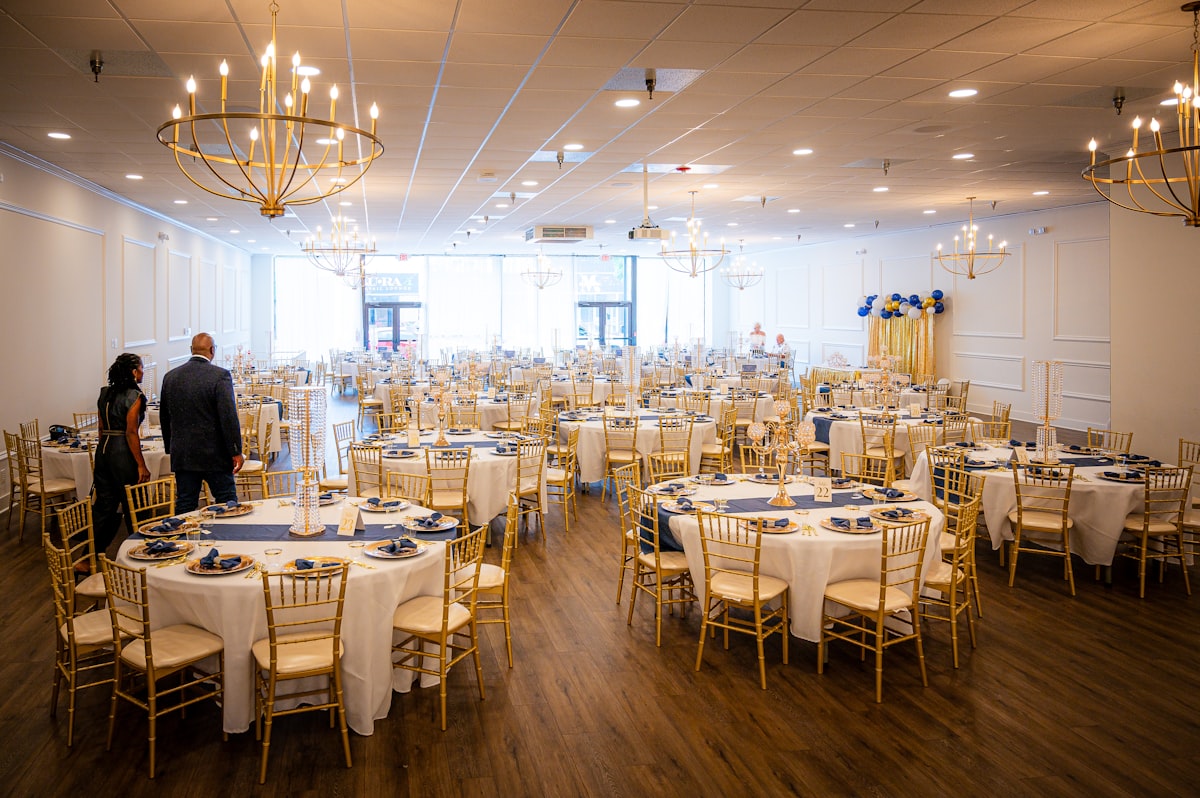
Months of planning come down to a single day. Every vendor confirmation, budget decision, and timeline revision from your planning workflow leads to this moment. Yet most event planners spend their planning energy on the weeks and months before, leaving the actual event day without a structured system.
A day-of coordination checklist closes that gap. It gives you and your team a shared reference point for every task that needs to happen from the moment you arrive at the venue to the moment the last vendor packs up. This guide covers the full sequence: final confirmations, morning setup, real-time coordination during the event, and same-day wrap-up.
48 Hours Before: Final Vendor Confirmations
The day-of checklist starts before the day itself. Two days out, lock down every detail that vendors and staff need to execute.
Confirm load-in times and locations. Call or message every vendor with their specific arrival time, entrance point, and setup area. Do not rely on the contract alone. Caterers need to know which kitchen entrance to use. Florists need to know if the elevator fits their arrangements. Audio-visual teams need to know where power drops are located. If you have not yet mapped venue access points and vendor arrival sequences, our event logistics planning guide walks through the full process.
Distribute the master timeline. Send every vendor and team member a final version of the timeline with their specific call times highlighted. Include a single point of contact for the day, usually yourself or your lead coordinator, with a phone number. If you manage multiple vendors across events, a centralized vendor database saves you from digging through email threads at the last minute.
Verify headcounts and special requirements. Confirm final guest counts with the caterer and cross-check staff-to-guest ratios for every service role to make sure no position is short-staffed. Check dietary restrictions, accessibility needs, and VIP arrangements. Confirm the number of chairs, place settings, and table configurations with the venue.
Run through contingencies. Review your backup plan for weather (outdoor events), vendor no-shows, and equipment failures. Know who your backup DJ is. Know where the indoor alternative space is. If you have built a vendor cancellation contingency plan, review it now. For a broader view that covers every risk category with assigned response owners, our event risk management plan template provides the full framework.
Charge and prepare your gear. Fully charge your phone, portable battery pack, and any radios or communication devices. Print physical copies of the timeline, vendor contact list, and floor plan. Digital tools fail when WiFi drops or phones die mid-event.
Morning of the Event: Setup and Team Briefing
Arrive at the venue at least two hours before the first vendor, earlier for complex events.
Walk the venue. Check every space your event will use: ceremony area, reception hall, catering staging, vendor loading zone, restrooms, parking, and emergency exits. Note anything that looks wrong or different from your site visit. Flag issues to venue staff immediately.
Brief your team. Gather all on-site staff and volunteers for a 10-minute briefing. Cover the timeline, each person's role, communication protocol (radio channels, phone numbers), and escalation process. Everyone should know: "If something goes wrong that you cannot fix in 60 seconds, call the lead coordinator." If your team uses collaboration tools that centralize event data, every staff member can pull up vendor details, the timeline, and contact lists from their phone instead of relying on printed sheets alone. For weddings with 8 to 15 vendors on site, a structured vendor coordination method makes this briefing far more effective.
Supervise vendor setup. As each vendor arrives, confirm they have the correct setup location and timeline. Walk through their specific requirements: power access, table placement, sound check schedule. Do not assume they remember every detail from a contract signed months ago.
Set up your command station. Designate a central, accessible location where you can manage operations. Keep your printed timeline, vendor contact list, first-aid kit, and emergency supplies here. This becomes your home base for the entire event.
Test everything before doors open. Run sound checks, test microphones, confirm projector inputs, check lighting levels, test WiFi for registration systems, and walk the guest flow from entrance to seating. Fix problems now, not when 200 guests are watching.
During the Event: Real-Time Coordination
Once guests arrive, your role shifts from setup manager to air traffic controller.
Work the timeline, not the room. Your job is to keep the event on schedule, not to mingle. Stay 15 minutes ahead of the timeline at all times. If dinner is at 7:00, confirm with the caterer at 6:30 that plating has started. If speeches begin at 8:00, find the speakers at 7:45.
Manage transitions actively. The moments between segments are where events stall. When cocktail hour ends, guide guests toward dinner seating. When dinner wraps, cue the DJ and lighting changes. Each transition should have a designated staff member responsible for moving it forward.
Keep vendors informed in real time. If the ceremony runs 20 minutes late, immediately inform the caterer, photographer, and DJ. Delayed timelines cascade quickly. A 20-minute ceremony delay becomes a 40-minute dinner delay if nobody adjusts.
Handle problems quietly. Issues will arise. A vendor arrives late, a speaker cancels, the projector dies. Handle these off-stage, away from guests. Delegate visible tasks to team members while you solve the problem. The goal: guests never know anything went wrong.
Track changes as they happen. Open a running note on your phone for any timeline changes, unexpected costs, or vendor issues. You will need this for the post-event evaluation and for settling invoices. If you use event management software like Abastio, you can log changes and update vendor statuses in real time from your phone, keeping your entire team in sync without a chain of text messages.
After the Last Guest Leaves: Same-Day Wrap-Up
The event is not over when the guests leave. Same-day wrap-up tasks prevent disputes, lost items, and forgotten follow-ups.
Supervise vendor breakdown. Stay on-site until every vendor has packed up and left. Check that the venue is returned to its original condition. Walk the space with venue staff and document any damage or leftover items with photos.
Collect outstanding items. Gather any guest belongings left behind, client personal items (guest books, gifts, signage), and rental equipment that needs to be returned separately. Label everything and arrange pickup or delivery.
Do a quick vendor check-in. Before each vendor leaves, confirm: did they deliver everything agreed upon? Were there any issues on their end? This 60-second conversation per vendor saves hours of back-and-forth emails later.
Settle same-day payments. Some vendors, particularly day-of rentals, require payment at the event. Handle these immediately and get receipts. Log the amounts against your event budget before you forget the details.
Send a same-day thank you. A quick message to the client within a few hours of the event ending matters. Mention one specific highlight: "The band transition into dinner was seamless" or "Your guests loved the outdoor setup." This is not a formal recap, just a human touchpoint that reinforces your professionalism.
Building Your Reusable Day-of Template
Every event you coordinate improves your checklist. After three or four events, patterns emerge: which vendor types need the most hand-holding, which transitions are hardest to manage, and which tasks you always forget until the last minute.
Turn those patterns into a template. Group tasks by time block (48 hours before, morning, during, after) and assign default owners for each task. Add a notes column for event-specific adjustments. Pairing this day-of template with a broader event planning checklist ensures every phase from goal-setting through post-event review feeds into your day-of execution.
The goal is not a perfect checklist. It is a starting point you customize for each event in 15 minutes instead of rebuilding from scratch. If you manage your events in a platform that supports templates and vendor tracking, building this template becomes even faster. Abastio's event management tools let you save event templates with pre-assigned tasks, vendor lists, and timelines, so every new event starts from your best previous one.
Frequently Asked Questions
How far in advance should I start day-of coordination planning?
Start your day-of checklist four to six weeks before the event. This gives you time to confirm every vendor, finalize the timeline, and brief your team. The 48-hour-before window is for final confirmations, not first-time conversations.
What is the difference between a day-of coordinator and a full event planner?
A full event planner manages every aspect from concept to completion, including venue selection, vendor sourcing, and budget management. A day-of coordinator takes over execution for the event day itself, working from the plans already in place. Many professional planners offer both services at different price points.
How many staff members do I need for day-of coordination?
For events with fewer than 100 guests, you and one assistant can manage most setups. For 100 to 250 guests, plan for three to four team members. Above 250, you need a team of five or more with clearly defined zones (registration, catering, AV, guest management). Scale based on the number of simultaneous activities, not just headcount.
What should I do if a vendor does not show up on event day?
Call the vendor immediately and get a confirmed ETA. If they cannot make it, activate your backup vendor from your contingency plan. If you do not have a backup, contact the venue for a referral or call a peer planner who may have a recommendation. Handle this before guests arrive if possible.
How do I manage timeline delays without disrupting the event?
Absorb small delays (under 10 minutes) by shortening buffer time between segments. For larger delays, notify all downstream vendors immediately and adjust the timeline as a group. Communicate changes to your team through a single channel, like a radio or group message, so everyone stays aligned.
Ready to simplify your event management?
Try Abastio free and see how it streamlines vendor coordination.
Start freeMore posts

Event Subcontractor Agreement Template

Destination Wedding Vendor Coordination Guide

Post-Event Vendor Debrief Template

Wedding Timeline Software: A Planner's Guide
Event Setup and Teardown Checklist for Planners
Wedding Vendor Checklist Template for Planners

How to Handle Last-Minute Event Changes

How to Create an Event Run Sheet (Step by Step)
Event Logistics Planning Guide for Organizers

How to Manage Corporate Event Vendors

Client Communication Tips for Event Planners

Planning Pod vs HoneyBook: Which Fits Your Events?

Event Cost per Attendee Calculator and Guide

How to Create a Vendor Management System for Events
Event Staffing Software for Small Business Teams

Whova Alternatives for Event Planners in 2026

Eventbrite Alternatives for Small Events in 2026

Event Vendor Insurance Requirements Checklist

How to Choose Event Management Software
Best Invoicing Software for Event Planners (2026)
Wedding Vendor Payment Schedule Template
Event Planner Markup Percentage by Vendor Type

Bizzabo Alternatives for Event Planners
Vendor Relationship Management for Event Planners

Event Cost Calculator: Estimate Your Budget Right

Event Contractor Payment Tracking Tools for Planners

Event Communication Plan Template for Planners

How to Create Event Planning Packages

Event Insurance Cost: What Percentage of Your Budget
Social Tables Alternatives for Event Planners

How to Avoid Hidden Vendor Fees at Events

Corporate Event Planning Checklist for 2026

Post-Event Evaluation Template for Planners

Event Workflow Software: A Practical Guide

Propared Alternatives for Event Planners

Best Software for Managing Event Contractors

Wedding Planner Commission Rate Guide for 2026

Best CRM for Event Planners in 2026
Event Coordinator Tools for Portugal

Event Planner CRM: What to Look For in 2026
Vendor Contract Red Flags for Event Planners

Tripleseat Alternatives for Independent Planners

Event Catering Cost per Person by Event Type

Freelance Event Planner Toolkit for 2026

Wedding Vendor Management Spreadsheet Template

Subcontractor Management for Events in Portugal

Hidden Costs of Event Planning You Need to Know
Event Planning Software Pricing Compared

Event Planner Pricing Calculator: Set Your Fees
Event RFP Template for Professional Planners
How Much to Tip Event Staff and Vendors
Event Staff-to-Guest Ratios by Service Role

How Much Deposit Do Event Vendors Require?

Micro Wedding Planning Checklist

How to Hire Vendors for Your Wedding

How to Brief Event Staff Before an Event
Cvent Alternatives for Small Event Planners

How to Invoice Event Clients and Get Paid

Event Vendor Performance Scorecard Guide
Event Budgeting Apps: A Practical Guide for Planners
Cut Event Costs Without Sacrificing Quality

Dubsado vs HoneyBook for Event Planners

Event Risk Management Plan Template

Aisle Planner vs HoneyBook for Event Planners
Event Planning Workflow That Keeps Projects on Track

Wedding Planning Software for Portugal

Corporate Event Management Software for Portugal
Event Collaboration Tools for Planning Teams
Best Wedding Planner Tools for 2026 (Solo to Team)

Event Cost Breakdown Template for Planners
Event Budget Contingency Planning Guide

Event Management Automation Tools for 2026
5 Planning Pod Alternatives Compared (2026)

How to Negotiate Event Vendor Pricing
Event Client Onboarding Template

Best Event Planning Apps Compared: 2026 Picks for Pros

AI Tools for Event Planning: A Practical Guide

How to Create a Vendor Shortlist for Events
HoneyBook Alternatives for Event Planners

Event Planner Tools for Brazil: A Practical Guide

Free Wedding Planner Tools That Work

Event Planning Checklist: 6 Phases to Cover

Wedding Planning Software: A Guide for Pros

How to Write an Event Proposal That Wins Clients

How to Coordinate Wedding Vendors Like a Pro

Event Vendor Cancelled? Your 3-Step Recovery Plan

Event Vendor Management Tips That Actually Work

5 Signs You've Outgrown Spreadsheets for Event Planning