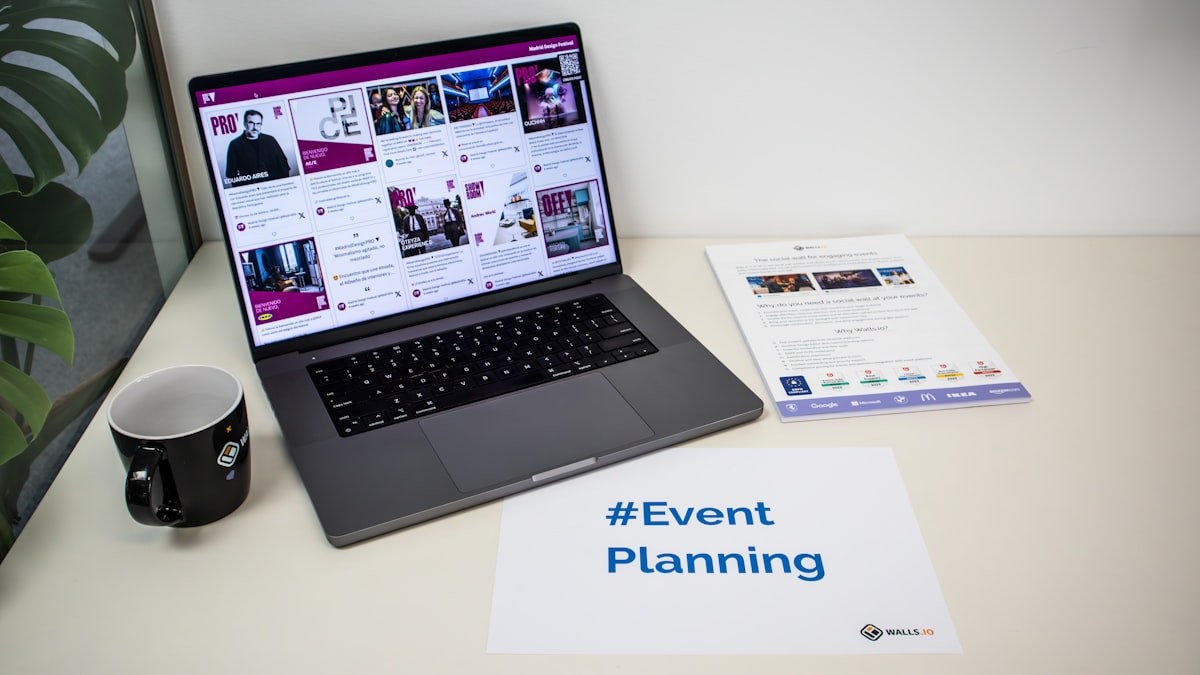
Planning Pod built its reputation on venue and event management: floor plans, banquet event orders (BEOs), guest seating charts, and food-and-beverage tracking. For venue managers running a conference center or banquet hall, it covers the logistics well. But many event planners searching for Planning Pod alternatives are not venue operators. They are wedding coordinators, corporate event managers, and freelance producers who need to track vendors, budgets, and client relationships without the overhead of venue-specific tools they will never use.
If Planning Pod feels overbuilt for your workflow or underbuilt for your vendor coordination needs, you have options. Planners migrating from production scheduling platforms like Propared will also find this breakdown useful, since many of the same gaps appear across venue-centric tools. This guide covers where Planning Pod fits, where it does not, and which alternatives match different types of event work.
Where Planning Pod Falls Short for Event Organizers
Planning Pod covers a wide range of event logistics. It handles floor plans, guest management, BEOs, and venue bookings from a single dashboard. These features serve venue operators and catering companies well.
The mismatch appears when you are an event organizer, not a venue manager. Three specific gaps push planners toward alternatives.
Venue-centric design. Planning Pod's strongest features (floor plan design, room booking, BEO templates) assume you operate a venue. If you coordinate events at third-party locations, these tools sit unused while the features you need, like sub-contractor coordination and booking history, get less attention.
Complexity and learning curve. Users consistently describe Planning Pod as complex to navigate. The breadth of features means more menus, more configuration, and more time spent finding the right screen. For a solo planner or small team managing 10 to 15 events per year, that overhead slows you down instead of speeding you up.
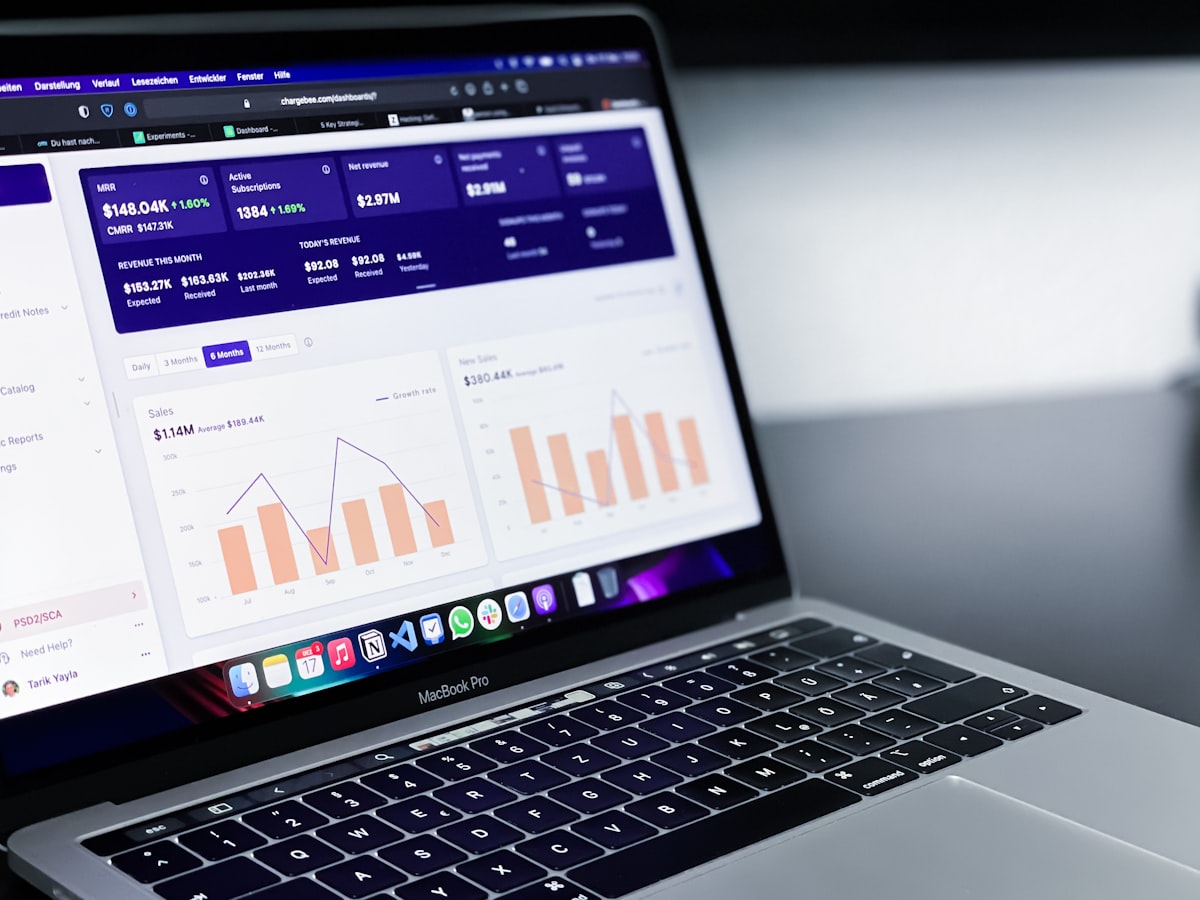
Pricing for small teams. Planning Pod charges $59/month as a starting price. That is reasonable for a venue processing hundreds of events annually. For a freelance wedding planner handling one to two events per month, the cost-to-value ratio tilts the wrong direction, especially when many features target venue operations you do not run. If you are weighing Planning Pod against another popular option, our Planning Pod vs HoneyBook comparison breaks down where each tool fits.
What Your Replacement Needs to Handle
Before evaluating alternatives, map your actual workflow. Event organizers who coordinate external vendors need different capabilities than venue managers who host events in-house.
Contractor database. You need a central pool of suppliers filterable by category, location, and past performance. When a caterer cancels 10 days before a wedding, your replacement search should take minutes, not hours. A strong vendor shortlist system is what separates reactive scrambling from prepared backup plans, and our vendor management tips cover how to maintain that database across events.
Event-level budgets. Each event needs its own budget with line items tied to specific vendors. You need committed costs, actual spend, and margin visible in one view. Spreadsheets handle this for three events. They fall apart at ten. If you are still tracking costs manually, our budget tracking guide covers the fundamentals.
Client pipeline. Event planning is a sales-driven business. You need a CRM that tracks leads from first inquiry to signed contract to completed event. Tools that treat client management as an afterthought force you into a separate CRM, doubling your data entry. Our best CRM for event planners comparison evaluates the top options by pipeline strength, vendor tracking, and pricing for different business sizes.
Team permissions. Even solo planners eventually bring on assistants or day-of coordinators. Your tool should support multiple users with different access levels. An assistant who can update vendor statuses should not need access to your profit margins.
Quote and proposal generation. Clients expect polished quotes with line items, plan tiers, and clear pricing. Building these from your event data saves hours compared to rebuilding them in a PDF editor. Our proposal writing guide covers what to include regardless of which tool you use.
Planning Pod Alternatives Worth Considering
Each tool below targets a different segment of the event industry. None is a perfect fit for every planner, which is why matching the tool to your specific workflow matters more than feature checklists.
Tripleseat
Tripleseat focuses on hospitality venues: restaurants, hotels, and event spaces that handle inbound bookings. It excels at lead capture, BEOs, and group dining coordination. Pricing starts around $250/month, reflecting its enterprise positioning. If you manage a venue and receive booking inquiries, Tripleseat handles that pipeline well. Freelance event planners who coordinate external vendors will find it too venue-focused and too expensive for their needs; our Tripleseat alternatives for independent planners covers what to use instead.
Aisle Planner
Aisle Planner serves wedding professionals specifically. It covers lead management, proposals, timelines, seating charts, and invoicing within a wedding-centric workflow. If your business is exclusively weddings, the templates and terminology match your world. For a detailed feature and pricing breakdown, see our Aisle Planner vs HoneyBook comparison. The limitation: corporate events, conferences, product launches, and multi-format productions do not fit its structure. You also lose event-level budget aggregation across vendors.
Dubsado
Dubsado offers strong workflow automation for client-facing processes: custom forms, automated email sequences, contracts, and scheduling. At $35/month, it provides solid value for the client management side of event planning. The gap is familiar: it organizes work around one client per project, not 25 vendors per event. If client communication is your bottleneck and you can handle vendor coordination separately, Dubsado covers that need well. HoneyBook occupies a similar space, and our Dubsado vs HoneyBook comparison breaks down the differences between the two. Our HoneyBook alternatives guide covers how these client-focused tools compare for event planners.
Perfect Venue
Perfect Venue targets smaller event venues and starts at $59/month. It handles proposals, BEOs, calendar management, and invoicing with a cleaner interface than Planning Pod. It suits boutique venue operators who find Planning Pod overly complex. Event planners without their own venue will hit the same venue-centric design limitations.
Abastio
Abastio was built specifically for event organizers who coordinate multiple sub-contractors on every project. Where Planning Pod focuses on venue logistics and the tools above focus on either client management or venue operations, Abastio treats vendor coordination as the core workflow.
What it covers:
- Contractor pool with tags, categories, and full booking history across events
- Event-level budgets with per-vendor line items and real-time cost tracking
- Client CRM with a visual pipeline from lead through event completion
- Quote generation with plan tiers, templates, and PDF export
- Team management with role-based access for assistants and coordinators
The free tier supports 2 active events and 5 contractors, enough to test it against your real workflow before committing. Check the pricing page for details by region.
For planners who manage 10 or more vendors per event and found Planning Pod either too complex or too venue-focused, Abastio removes the features you do not need and strengthens the ones you do.
How to Pick the Right Fit for Your Business
The right replacement depends on what type of events you run and where your current workflow breaks down.
Wedding planners who handle only weddings should evaluate Aisle Planner first. Its templates, terminology, and workflow match that niche. If you also take on corporate or social events, a more flexible tool avoids maintaining two systems. Our wedding vendor coordination guide covers the specific challenges of managing 8 to 15 suppliers per ceremony.
Venue operators looking for a simpler alternative to Planning Pod should consider Perfect Venue or Tripleseat. Both handle venue-specific workflows with less complexity, though Tripleseat's pricing targets larger operations.
Freelance and small-team planners who coordinate external vendors at third-party locations should prioritize tools with contractor databases, event-level budgets, and team permissions. This is where general-purpose tools and venue platforms leave the biggest gaps, and where a purpose-built vendor coordination tool like Abastio fits.
Multi-format producers running weddings, corporate events, and social gatherings need a platform that does not force every event into a single template. Flexible event structures with customizable fields matter more than niche-specific features.
Before committing, run a parallel test. Enter one upcoming event into two or three tools. Work through your real process: add vendors, build the budget, create a quote, assign tasks. You will know within a week which tool matches how you think. If you are still running your event business on spreadsheets and email, our guide on signs you have outgrown spreadsheets can help you decide whether dedicated software is the right move. Once you pick a platform, event automation workflows can handle repetitive vendor coordination and payment tracking without manual effort.
Frequently Asked Questions
What is the main difference between Planning Pod and event organizer software?
Planning Pod is event venue management software built for operators who host events at their own facilities. It emphasizes floor plans, room booking, BEOs, and guest management. Event organizer software focuses on coordinating external vendors, tracking budgets across suppliers, and managing client relationships. The distinction matters because a wedding planner who coordinates 20 vendors at a hotel needs different tools than the hotel itself.
How much does Planning Pod cost compared to alternatives?
Planning Pod starts at $59/month. Alternatives range from free to $250/month depending on features and scale. Dubsado charges $35/month, Perfect Venue starts at $59/month, and Tripleseat targets $250/month and above. Abastio offers a free tier with limited events and contractors, with paid plans starting at $79/month for full feature access.
Can I migrate my data from Planning Pod to another tool?
Most event management tools support CSV imports for contacts, client lists, and vendor databases. Export your data from Planning Pod before cancelling your subscription. Migrate gradually: start new events in your replacement tool while finishing active events in Planning Pod. Avoid switching mid-event, which creates confusion for your team and vendors. Most planners complete the transition within two to three months.
Is Planning Pod a good fit for wedding planners?
Planning Pod can work for wedding planners, but it was designed primarily for venue operators and event spaces. Wedding planners who do not manage their own venue pay for floor plan design, room booking, and BEO features they rarely use. Wedding-specific tools like Aisle Planner or vendor-focused platforms like Abastio often provide a better workflow match at a comparable or lower price point.
What should I look for if I manage more than 10 vendors per event?
Focus on contractor database management with search, filters, and booking history. You also need event-level budget tracking across all vendors, team permissions for assistants and coordinators, and quote generation from your event data. Most general-purpose CRMs and venue tools treat vendor management as a secondary feature. Look for platforms where multi-vendor coordination is the primary design focus.
Ready to simplify your event management?
Try Abastio free and see how it streamlines vendor coordination.
Start freeMore posts

Event Subcontractor Agreement Template

Destination Wedding Vendor Coordination Guide

Post-Event Vendor Debrief Template

Wedding Timeline Software: A Planner's Guide

Event Setup and Teardown Checklist for Planners

Wedding Vendor Checklist Template for Planners

How to Handle Last-Minute Event Changes

How to Create an Event Run Sheet (Step by Step)

Event Logistics Planning Guide for Organizers

How to Manage Corporate Event Vendors

Client Communication Tips for Event Planners
Planning Pod vs HoneyBook: Which Fits Your Events?
Event Cost per Attendee Calculator and Guide

How to Create a Vendor Management System for Events

Event Staffing Software for Small Business Teams

Whova Alternatives for Event Planners in 2026

Eventbrite Alternatives for Small Events in 2026

Event Vendor Insurance Requirements Checklist

How to Choose Event Management Software
Best Invoicing Software for Event Planners (2026)

Wedding Vendor Payment Schedule Template
Event Planner Markup Percentage by Vendor Type

Bizzabo Alternatives for Event Planners
Vendor Relationship Management for Event Planners

Event Cost Calculator: Estimate Your Budget Right

Event Contractor Payment Tracking Tools for Planners

Event Communication Plan Template for Planners

How to Create Event Planning Packages

Event Insurance Cost: What Percentage of Your Budget

Social Tables Alternatives for Event Planners

How to Avoid Hidden Vendor Fees at Events

Corporate Event Planning Checklist for 2026

Post-Event Evaluation Template for Planners

Event Workflow Software: A Practical Guide

Propared Alternatives for Event Planners

Best Software for Managing Event Contractors

Wedding Planner Commission Rate Guide for 2026

Best CRM for Event Planners in 2026
Event Coordinator Tools for Portugal

Event Planner CRM: What to Look For in 2026
Vendor Contract Red Flags for Event Planners

Tripleseat Alternatives for Independent Planners

Event Catering Cost per Person by Event Type

Freelance Event Planner Toolkit for 2026

Wedding Vendor Management Spreadsheet Template

Subcontractor Management for Events in Portugal

Hidden Costs of Event Planning You Need to Know
Event Planning Software Pricing Compared

Event Planner Pricing Calculator: Set Your Fees
Event RFP Template for Professional Planners

How Much to Tip Event Staff and Vendors

Event Staff-to-Guest Ratios by Service Role

How Much Deposit Do Event Vendors Require?

Micro Wedding Planning Checklist

How to Hire Vendors for Your Wedding

How to Brief Event Staff Before an Event

Cvent Alternatives for Small Event Planners

How to Invoice Event Clients and Get Paid

Event Vendor Performance Scorecard Guide
Event Budgeting Apps: A Practical Guide for Planners

Cut Event Costs Without Sacrificing Quality

Dubsado vs HoneyBook for Event Planners

Event Risk Management Plan Template

Aisle Planner vs HoneyBook for Event Planners

Event Planning Workflow That Keeps Projects on Track

Wedding Planning Software for Portugal

Corporate Event Management Software for Portugal
Event Collaboration Tools for Planning Teams

Best Wedding Planner Tools for 2026 (Solo to Team)

Event Cost Breakdown Template for Planners

Event Budget Contingency Planning Guide

Event Management Automation Tools for 2026

Event Day-of Coordination Checklist

How to Negotiate Event Vendor Pricing
Event Client Onboarding Template

Best Event Planning Apps Compared: 2026 Picks for Pros

AI Tools for Event Planning: A Practical Guide

How to Create a Vendor Shortlist for Events
HoneyBook Alternatives for Event Planners

Event Planner Tools for Brazil: A Practical Guide

Free Wedding Planner Tools That Work

Event Planning Checklist: 6 Phases to Cover

Wedding Planning Software: A Guide for Pros

How to Write an Event Proposal That Wins Clients

How to Coordinate Wedding Vendors Like a Pro

Event Vendor Cancelled? Your 3-Step Recovery Plan

Event Vendor Management Tips That Actually Work

5 Signs You've Outgrown Spreadsheets for Event Planning