A checklist tells you what to do. A workflow tells you when, who, and in what order. Most event planners have some version of a checklist. Fewer have a structured workflow that moves a project from client brief to post-event wrap-up without tasks falling through the gaps.
The difference matters when you are juggling multiple events at different stages. A wedding three months out, a corporate dinner next week, and a festival still in the proposal phase all compete for your attention. Without a defined workflow, the urgent always wins over the important, and the important surfaces as a crisis later.
Here is a practical event planning workflow built for professional planners who manage multiple projects. It is not a generic timeline. It is a repeatable system you can apply to any event type.
Phase 1: Discovery and Scope Lock
Every event starts with a conversation. The client has a vision, a budget range, and a date in mind. Your job in this phase is to turn that vision into a concrete scope document before any planning begins.
What to capture in the discovery meeting:
- Event type, date range, and expected guest count
- Budget ceiling (not just the "ideal" number, but the absolute maximum)
- Non-negotiable requirements (specific venue, dietary restrictions, cultural considerations)
- Decision-making structure (who approves what, and how fast)
- Success criteria (what does "this went well" look like for the client?)
The scope document is your anchor for the entire project. When a client asks to add a cocktail hour or upgrade the florals mid-planning, you reference the scope to assess impact on budget and timeline. Without it, scope creep happens silently until the budget is gone.
Lock the scope with a signed agreement, often built from a written proposal that wins the brief, before moving to the next phase. If you use Abastio, you can create the client record and attach the event with budget and requirements from this first meeting.
Phase 2: Vendor Selection and Booking
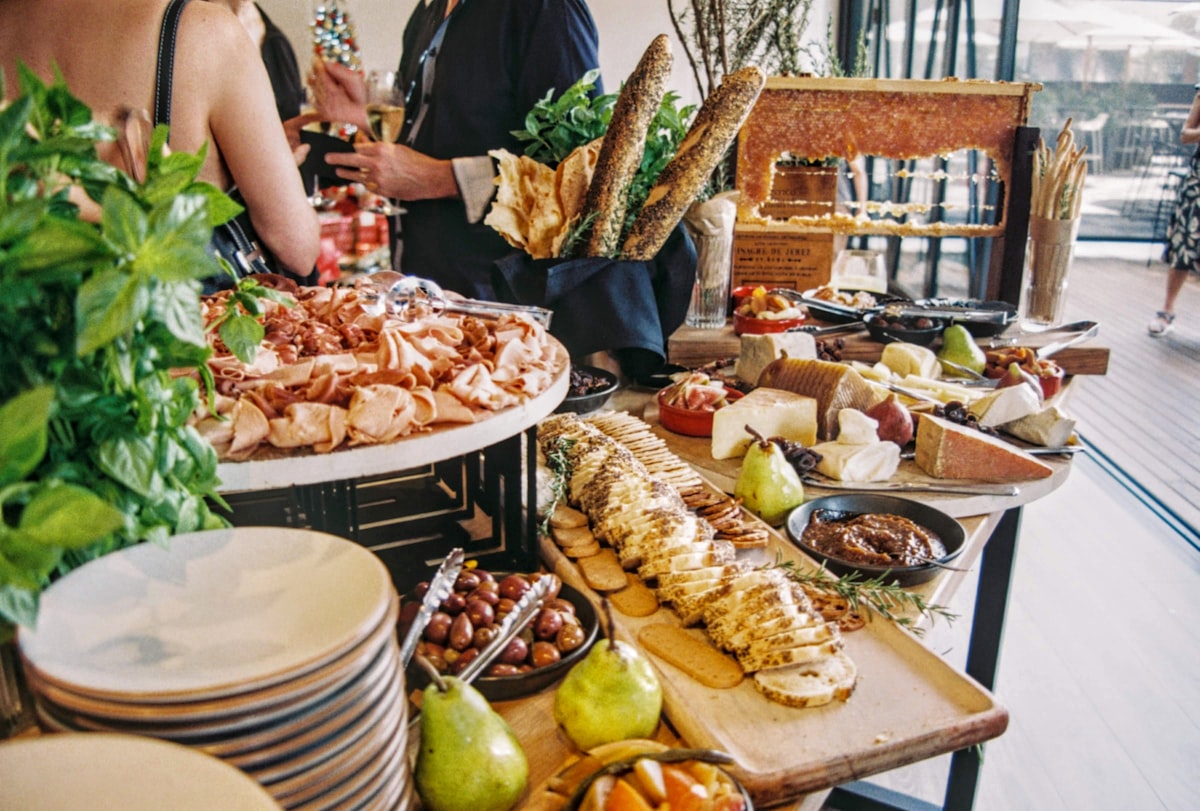
With scope locked, vendor selection follows a predictable pattern. The goal is to move from long list to confirmed bookings as quickly as possible. Delayed vendor decisions lead to lost availability and higher prices.
The selection funnel:
- Long list (5-8 vendors per category) built from your existing contractor pool and referrals
- Short list (2-3 per category) after checking availability, reviewing portfolios, and confirming they work within budget. For categories where you need comparable proposals, sending a structured event RFP at this stage produces responses you can score side by side.
- Final selection (1 per category) after quotes are compared and client preferences are applied
- Booking with signed contracts, deposits, and confirmed dates
For each vendor category, track: name, contact, quote amount, deposit due date, balance due date, and contract status. Trying to manage this across email threads and spreadsheets works for one event. It breaks down at three.
If you want a more detailed approach to narrowing your options, our vendor shortlist guide walks through evaluation criteria and comparison methods. And if you are working with new vendors, our vendor management tips cover the relationship side of the equation.
Phase 3: Timeline and Task Assignment
Once vendors are booked, the planning phase generates dozens of tasks with dependencies. A timeline without task assignment is a wish list. Someone has to own each item, and that ownership has to be visible to the team.
Structure your timeline in three layers:
- Milestones are the major deadlines that cannot move: venue walkthrough, menu tasting, final headcount confirmation, rehearsal, event day. These are fixed anchors.
- Tasks are the work items that feed into milestones: send invitations, confirm AV requirements, finalize seating chart, order signage. Each task has an owner, a deadline, and a dependency (what must be done before this task can start).
- Check-ins are regular sync points where you review progress against milestones. Weekly is standard for events more than a month out. Daily for the final week.
The most common workflow failure is not missing a task. It is discovering a missed dependency too late. The florist cannot finalize centrepieces until the table layout is confirmed. The table layout depends on the final headcount. The final headcount depends on the RSVP deadline. If the RSVP deadline slips by three days, the entire chain compresses.
Map your dependencies early. A planning checklist covers the items themselves. Your workflow connects them in sequence.
Phase 4: Budget Tracking and Change Management
Budget tracking runs in parallel with every other phase. It is not something you do at the beginning and revisit at the end. Every vendor confirmation, every scope change, and every client addition should update the budget immediately.
Track three numbers for every line item:
- Estimated (from your initial scope)
- Committed (what you have agreed with the vendor)
- Paid (what has actually left the account)
When a client requests a change mid-planning, run it through a simple impact assessment: what does this cost, which budget line does it affect, and does it push the total past the approved ceiling? Present the answer in writing before proceeding. This protects you and sets expectations.
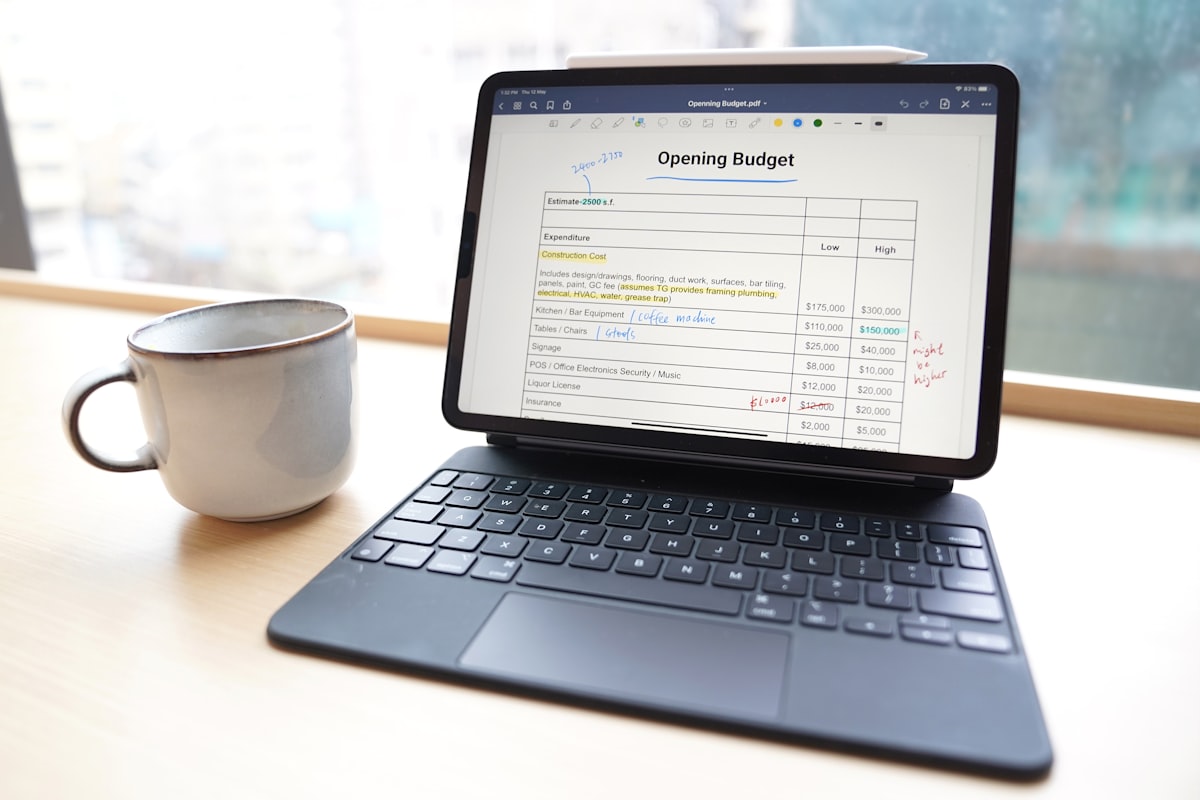
Our budget tracking guide covers the 3-column method in detail, and our contingency planning guide explains how to size the reserve that absorbs these mid-project changes. For a quick initial estimate, the free budget calculator generates cost breakdowns by event type and guest count.
Phase 5: Execution Week and Day-Of Coordination
The final week before an event is where workflow discipline matters most. This is not the time to improvise. Build a run sheet that covers every hour of setup, event, and teardown. Our step-by-step guide on creating an event run sheet walks through the column structure, timing buffers, and live update process in detail.
Your run sheet should include:
- Vendor load-in times and locations
- Setup sequence (what gets built first, what depends on what)
- Key contact numbers for every vendor on-site
- Client arrival time and staff briefing schedule
- Contingency contacts (backup vendors, emergency services, building management)
- Teardown sequence and vendor load-out windows
If you have not already built a formal event risk management plan, the execution week is the latest you should have one in place. It maps each risk to a named response owner so your team knows exactly who handles what when problems surface on-site.
On event day, your workflow shifts from planning to communication. You are the central node. Every vendor question, client request, and timeline adjustment flows through you. Keep a single shared communication channel for the team, and designate one person as the client point of contact so you can focus on operations.
Our day-of coordination checklist breaks this down into a printable format you can carry on-site.
Phase 6: Post-Event Review and Process Improvement
The event is over. The temptation is to move straight to the next project. Resist it. A 30-minute post-event review is the single most valuable habit you can build as a planner.
Review these four areas:
- Budget accuracy: Where did estimates match reality? Where did they diverge? By how much?
- Vendor performance: Who delivered as promised? Who required extra management? Would you rebook them?
- Timeline adherence: Which milestones hit on time? Which slipped? What caused the delay?
- Client feedback: What did they highlight as positive? What would they change?
Document the answers while they are fresh. Over time, this review builds your personal database of pricing accuracy, reliable vendors, and common failure points. That database is what separates a planner with five years of experience from a planner with one year of experience repeated five times.
If you are ready to move from spreadsheets and email chains to a single system for managing clients, contractors, budgets, and events, Abastio is built for exactly this. Start free and see the difference a structured workflow makes.
Frequently Asked Questions
What is an event planning workflow?
An event planning workflow is the structured sequence of phases, tasks, and decisions that move an event from the initial client brief through to post-event review. Unlike a checklist, a workflow defines task order, dependencies, ownership, and decision points so nothing falls through the gaps when multiple events run in parallel.
How many phases should an event planning workflow have?
Most professional planners use five to six phases: discovery and scoping, vendor selection, timeline and task planning, budget tracking, execution, and post-event review. The exact number matters less than ensuring each phase has clear entry criteria (what must be true before you start) and exit criteria (what must be done before you move on).
How do I handle scope changes during event planning?
Run every change through a three-part impact assessment: what does it cost, which budget line does it affect, and does it push the total past the approved ceiling? Present the answer to the client in writing before proceeding. This turns emotional requests into informed decisions and protects both your margin and the client relationship.
What is the most common event planning workflow mistake?
Missing task dependencies is the most frequent workflow failure. A delayed RSVP deadline pushes back the final headcount, which delays the seating chart, which delays the florist's centrepiece order, which creates a rush fee. Mapping these dependencies early, during the timeline phase, prevents cascade failures in the final weeks.
When should I use event planning software instead of spreadsheets?
When you are managing more than two events simultaneously, tracking vendors across multiple categories, or sharing budget updates with clients regularly, spreadsheets become a bottleneck. Purpose-built tools centralize client records, contractor details, budgets, and timelines in one place so updates happen once instead of across five tabs.
Ready to simplify your event management?
Try Abastio free and see how it streamlines vendor coordination.
Start freeMore posts

Event Subcontractor Agreement Template

Destination Wedding Vendor Coordination Guide

Post-Event Vendor Debrief Template
Wedding Timeline Software: A Planner's Guide
Event Setup and Teardown Checklist for Planners

Wedding Vendor Checklist Template for Planners

How to Handle Last-Minute Event Changes

How to Create an Event Run Sheet (Step by Step)
Event Logistics Planning Guide for Organizers

How to Manage Corporate Event Vendors

Client Communication Tips for Event Planners
Planning Pod vs HoneyBook: Which Fits Your Events?
Event Cost per Attendee Calculator and Guide

How to Create a Vendor Management System for Events
Event Staffing Software for Small Business Teams

Whova Alternatives for Event Planners in 2026

Eventbrite Alternatives for Small Events in 2026

Event Vendor Insurance Requirements Checklist

How to Choose Event Management Software
Best Invoicing Software for Event Planners (2026)

Wedding Vendor Payment Schedule Template
Event Planner Markup Percentage by Vendor Type

Bizzabo Alternatives for Event Planners
Vendor Relationship Management for Event Planners

Event Cost Calculator: Estimate Your Budget Right

Event Contractor Payment Tracking Tools for Planners

Event Communication Plan Template for Planners

How to Create Event Planning Packages

Event Insurance Cost: What Percentage of Your Budget
Social Tables Alternatives for Event Planners

How to Avoid Hidden Vendor Fees at Events
Corporate Event Planning Checklist for 2026

Post-Event Evaluation Template for Planners

Event Workflow Software: A Practical Guide

Propared Alternatives for Event Planners

Best Software for Managing Event Contractors

Wedding Planner Commission Rate Guide for 2026

Best CRM for Event Planners in 2026
Event Coordinator Tools for Portugal

Event Planner CRM: What to Look For in 2026
Vendor Contract Red Flags for Event Planners
Tripleseat Alternatives for Independent Planners

Event Catering Cost per Person by Event Type

Freelance Event Planner Toolkit for 2026

Wedding Vendor Management Spreadsheet Template

Subcontractor Management for Events in Portugal

Hidden Costs of Event Planning You Need to Know
Event Planning Software Pricing Compared

Event Planner Pricing Calculator: Set Your Fees
Event RFP Template for Professional Planners
How Much to Tip Event Staff and Vendors
Event Staff-to-Guest Ratios by Service Role

How Much Deposit Do Event Vendors Require?

Micro Wedding Planning Checklist

How to Hire Vendors for Your Wedding

How to Brief Event Staff Before an Event

Cvent Alternatives for Small Event Planners

How to Invoice Event Clients and Get Paid

Event Vendor Performance Scorecard Guide
Event Budgeting Apps: A Practical Guide for Planners
Cut Event Costs Without Sacrificing Quality

Dubsado vs HoneyBook for Event Planners

Event Risk Management Plan Template

Aisle Planner vs HoneyBook for Event Planners
Wedding Planning Software for Portugal

Corporate Event Management Software for Portugal
Event Collaboration Tools for Planning Teams
Best Wedding Planner Tools for 2026 (Solo to Team)

Event Cost Breakdown Template for Planners

Event Budget Contingency Planning Guide

Event Management Automation Tools for 2026
5 Planning Pod Alternatives Compared (2026)
Event Day-of Coordination Checklist

How to Negotiate Event Vendor Pricing
Event Client Onboarding Template

Best Event Planning Apps Compared: 2026 Picks for Pros

AI Tools for Event Planning: A Practical Guide

How to Create a Vendor Shortlist for Events
HoneyBook Alternatives for Event Planners

Event Planner Tools for Brazil: A Practical Guide

Free Wedding Planner Tools That Work

Event Planning Checklist: 6 Phases to Cover
Wedding Planning Software: A Guide for Pros

How to Write an Event Proposal That Wins Clients

How to Coordinate Wedding Vendors Like a Pro

Event Vendor Cancelled? Your 3-Step Recovery Plan

Event Vendor Management Tips That Actually Work

5 Signs You've Outgrown Spreadsheets for Event Planning