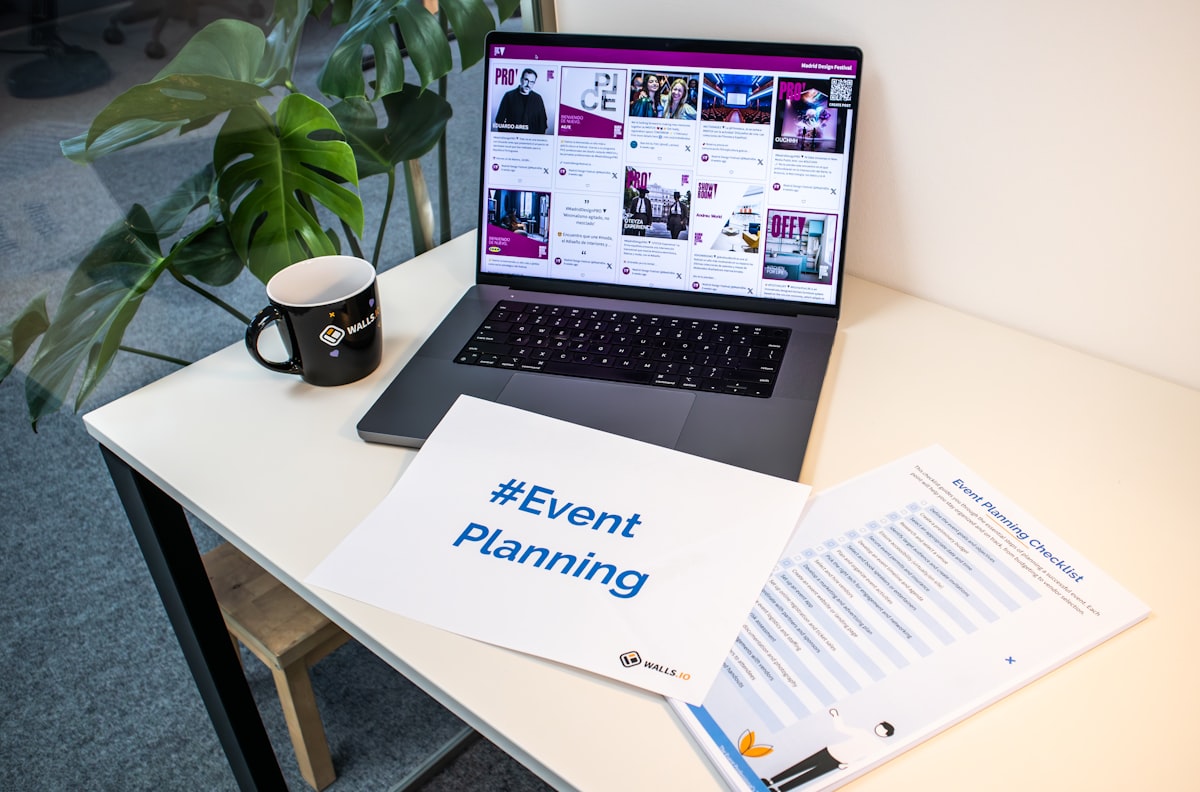
Running one event on a spreadsheet is manageable. Running five at the same time, each with different vendors, timelines, and cost structures, turns that spreadsheet into a liability. Numbers get overwritten. Formulas break. Version control becomes "which file did I email the client last Tuesday?"
An event budgeting app solves this by giving you a structured, centralized place to build, track, and adjust event budgets without wrestling with formulas or hunting through email threads. But not every budgeting tool works the same way, and picking the wrong one creates more friction than it removes.
This guide breaks down the types of event budgeting tools available, what to prioritize when choosing one, and how to set up a budgeting workflow that scales across events.
Why Spreadsheets Stop Working for Event Budgets
Spreadsheets are the default budgeting tool for most event planners starting out. They are flexible, free, and familiar. For a planner running two or three events per year, a well-organized spreadsheet handles the job.
The problems appear when volume increases. Event planners managing 10 or more events per year regularly encounter these issues:
Version confusion. You update the master budget, but the version you sent the client last week is now outdated. Multiple copies circulate, and it becomes unclear which version reflects the actual numbers.
No real-time visibility. When a vendor sends a revised quote, someone needs to manually update the spreadsheet. If that update gets delayed, your budget is wrong until someone catches it.
Formula fragility. One misplaced cell reference can cascade errors across your entire budget. This often goes unnoticed until a client questions the numbers, or worse, until the event wraps and margins are thinner than expected.
No cross-event reporting. Comparing budget performance across events requires copying data between sheets or building a separate reporting layer. Most planners never bother, which means they lose the insight that comes from trend analysis.
If you have already hit these pain points, you have likely outgrown spreadsheets and need a dedicated tool.
What to Look for in an Event Budgeting App
Not every budgeting tool is built for event work. Accounting software designed for ongoing businesses tracks monthly revenue and expenses. Event budgets are project-based, with start dates, end dates, and costs tied to specific vendors and line items. The tool you choose should reflect that structure.
Project-based budgeting. Each event should have its own budget with categories, line items, and vendor assignments. Avoid tools that force you into a monthly income/expense model.
Vendor cost tracking. You need to associate costs with specific contractors and compare quotes. The tool should let you mark costs as estimated, quoted, or final so you can see where numbers might still shift. When quotes come in higher than expected, knowing how to negotiate vendor pricing helps you keep the budget on track.
Budget vs. actual comparison. The most useful feature in any budgeting tool is the ability to compare your planned budget against actual spending in real time. This is where you catch overruns early enough to adjust.
Export and sharing. Clients and stakeholders expect polished budget summaries. PDF export or shareable reports save you from manually reformatting data for every client meeting.
Multi-event support. If you run more than a few events per year, the tool should let you view all active budgets from a single dashboard. Cross-event visibility helps you spot patterns, like which vendor categories consistently run over budget.
Templates. Rebuilding a budget from scratch for every event is unnecessary. Good tools let you create reusable templates for different event types, whether that is a wedding, a corporate conference, or a product launch.
Types of Event Budgeting Tools Compared
Event planners typically choose from three categories. Each has trade-offs.
Spreadsheets (Google Sheets, Excel)
Best for solo planners running fewer than five events per year. Free, flexible, and no learning curve. The downsides grow with volume: manual data entry, no automation, and collaboration requires careful version management.
General Accounting Software (QuickBooks, FreshBooks, Zoho)
Best for planners who need invoicing and expense tracking alongside budgeting. These tools are strong on financial reporting and tax preparation but weak on event-specific workflows. They track money well but do not understand the concept of an event as a project with multiple vendors, timelines, and client deliverables. If invoicing is your primary pain point, our guide to the best invoicing software for event planners compares tools that handle milestone billing and pass-through costs.
Event Planning Platforms (Abastio, Honeybook, Planning Pod)
Best for planners who want budgeting integrated with vendor management, client tracking, and event coordination. These platforms treat each event as a project, connecting budgets to the vendors and clients involved.
Abastio handles budget tracking with line items, vendor cost management, and PDF export, all alongside its contractor pool, client CRM, and quote generation features. For planners who want a single tool for budgets, vendors, and clients, a platform approach eliminates the need to sync data between separate systems.
The trade-off with full platforms is that they do more than just budgeting. If you only need budget tracking and nothing else, a simpler tool may fit better. But if you are already managing vendors and clients in separate tools, consolidating into one platform saves time. If you need to estimate event costs before committing to a tool, start with the cost categories and validation steps in that guide, then use the free budget calculator to generate breakdowns by event type and guest count.
Setting Up Your Event Budget Workflow
Choosing a tool is step one. Getting value from it requires building a repeatable workflow.
Start from a template. Create a base budget template for each event type you regularly plan. Include standard categories (venue, catering, production, decor, staffing, contingency) and placeholder line items. Ground the staffing line in your pricing calculator so the fee baseline stays consistent across events. This saves 30 to 45 minutes per event and prevents you from forgetting categories.
Log vendor quotes immediately. When a quote comes in, enter it into your budgeting tool the same day. Delays lead to inaccuracies, and inaccurate budgets lead to difficult conversations with clients.
Mark cost status. Use clear labels: estimated, quoted, confirmed, invoiced, paid. This tells you at a glance how solid your numbers are. A budget where 80% of costs are still "estimated" is not a budget. It is a guess.
Review weekly. Block 20 minutes each week to review active budgets. Compare planned vs. actual spending. Flag anything trending over budget while there is still time to adjust. Waiting until the event is over turns budget tracking into an autopsy. Our event budget tracking guide walks through how to structure this weekly review using the 3-column method.
Run a post-event review. After each event, compare the final budget against the original. Note which categories ran over or under, and why. Feed those insights back into your templates. This is how your budgets get more accurate over time. For a deeper breakdown of cost allocation by event type, see the event cost breakdown template.
Common Budgeting Mistakes and How to Prevent Them
Even with good tools, certain habits undermine budget accuracy.
Skipping contingency. Every event budget should include a contingency line of 10% to 15% of total costs. This is not padding. It is planning for the reality that at least one cost will come in higher than expected. Read more about contingency planning for event budgets.
Mixing estimated and confirmed costs. Treating a verbal estimate the same as a signed contract leads to false confidence. Your budgeting tool should let you distinguish between the two. When clients see a budget total, they deserve to know how firm that number actually is.
Ignoring indirect costs. Travel, parking, meals for crew, tips, and last-minute supplies add up. These rarely appear in the first draft of a budget but routinely account for 5% to 8% of total costs.
Tracking revenue and costs separately. If your budgeting tool only tracks expenses, you lose sight of margins. The best approach connects revenue (client payments, sponsorships) with costs in the same view so you always know your profit position.
Failing to update after changes. A budget is a living document. When scope changes, vendor pricing shifts, or the client adds a last-minute request, the budget needs to change with it. Stale budgets create surprises, and surprises erode client trust.
If you want a centralized place to manage budgets alongside your contractor pool and client pipeline, try Abastio free. It brings budget tracking, vendor management, and quote generation into one platform built for event professionals.
Frequently Asked Questions
What is the best free event budgeting app?
Google Sheets remains the most capable free option for planners who are comfortable building their own templates. For a purpose-built free tool, the Abastio budget calculator provides cost estimates by event type and guest count without requiring an account.
Do I need a separate budgeting app if I already use event planning software?
It depends on your platform. If your planning software includes budget tracking with line items, vendor cost association, and budget vs. actual comparison, a separate tool adds unnecessary complexity. If your platform only tracks high-level costs, a dedicated budgeting tool fills the gap.
How do I track budgets for multiple events at the same time?
Use a platform that supports multi-event views and project-based budgeting. Each event should have its own budget, but you should be able to see all active budgets from a single dashboard. This makes it easier to spot cross-event patterns and manage cash flow.
When should I switch from spreadsheets to a budgeting app?
The tipping point usually comes around five to ten active events per year, or when you start managing events with 15 or more vendors. At that volume, the time spent maintaining spreadsheets outweighs the time it takes to learn a new tool.
How do I present event budgets to clients?
Export a clean PDF or shareable summary that shows categories, line items, and totals. Avoid sending raw spreadsheets or tool screenshots. Clients expect polished documents, and most budgeting tools and event platforms include PDF export for this purpose.
Ready to simplify your event management?
Try Abastio free and see how it streamlines vendor coordination.
Start freeMore posts

Event Subcontractor Agreement Template

Destination Wedding Vendor Coordination Guide

Post-Event Vendor Debrief Template

Wedding Timeline Software: A Planner's Guide

Event Setup and Teardown Checklist for Planners
Wedding Vendor Checklist Template for Planners

How to Handle Last-Minute Event Changes

How to Create an Event Run Sheet (Step by Step)

Event Logistics Planning Guide for Organizers

How to Manage Corporate Event Vendors

Client Communication Tips for Event Planners
Planning Pod vs HoneyBook: Which Fits Your Events?

Event Cost per Attendee Calculator and Guide

How to Create a Vendor Management System for Events

Event Staffing Software for Small Business Teams

Whova Alternatives for Event Planners in 2026

Eventbrite Alternatives for Small Events in 2026

Event Vendor Insurance Requirements Checklist

How to Choose Event Management Software
Best Invoicing Software for Event Planners (2026)
Wedding Vendor Payment Schedule Template
Event Planner Markup Percentage by Vendor Type

Bizzabo Alternatives for Event Planners
Vendor Relationship Management for Event Planners
Event Cost Calculator: Estimate Your Budget Right

Event Contractor Payment Tracking Tools for Planners

Event Communication Plan Template for Planners

How to Create Event Planning Packages

Event Insurance Cost: What Percentage of Your Budget

Social Tables Alternatives for Event Planners
How to Avoid Hidden Vendor Fees at Events

Corporate Event Planning Checklist for 2026

Post-Event Evaluation Template for Planners

Event Workflow Software: A Practical Guide
Propared Alternatives for Event Planners

Best Software for Managing Event Contractors

Wedding Planner Commission Rate Guide for 2026

Best CRM for Event Planners in 2026

Event Coordinator Tools for Portugal

Event Planner CRM: What to Look For in 2026
Vendor Contract Red Flags for Event Planners

Tripleseat Alternatives for Independent Planners

Event Catering Cost per Person by Event Type

Freelance Event Planner Toolkit for 2026

Wedding Vendor Management Spreadsheet Template

Subcontractor Management for Events in Portugal
Hidden Costs of Event Planning You Need to Know
Event Planning Software Pricing Compared

Event Planner Pricing Calculator: Set Your Fees
Event RFP Template for Professional Planners

How Much to Tip Event Staff and Vendors

Event Staff-to-Guest Ratios by Service Role

How Much Deposit Do Event Vendors Require?

Micro Wedding Planning Checklist

How to Hire Vendors for Your Wedding

How to Brief Event Staff Before an Event

Cvent Alternatives for Small Event Planners

How to Invoice Event Clients and Get Paid

Event Vendor Performance Scorecard Guide
Cut Event Costs Without Sacrificing Quality
Dubsado vs HoneyBook for Event Planners

Event Risk Management Plan Template

Aisle Planner vs HoneyBook for Event Planners

Event Planning Workflow That Keeps Projects on Track

Wedding Planning Software for Portugal

Corporate Event Management Software for Portugal
Event Collaboration Tools for Planning Teams

Best Wedding Planner Tools for 2026 (Solo to Team)

Event Cost Breakdown Template for Planners

Event Budget Contingency Planning Guide

Event Management Automation Tools for 2026
5 Planning Pod Alternatives Compared (2026)
Event Day-of Coordination Checklist

How to Negotiate Event Vendor Pricing
Event Client Onboarding Template

Best Event Planning Apps Compared: 2026 Picks for Pros

AI Tools for Event Planning: A Practical Guide

How to Create a Vendor Shortlist for Events
HoneyBook Alternatives for Event Planners

Event Planner Tools for Brazil: A Practical Guide

Free Wedding Planner Tools That Work

Event Planning Checklist: 6 Phases to Cover

Wedding Planning Software: A Guide for Pros

How to Write an Event Proposal That Wins Clients

How to Coordinate Wedding Vendors Like a Pro

Event Vendor Cancelled? Your 3-Step Recovery Plan

Event Vendor Management Tips That Actually Work

5 Signs You've Outgrown Spreadsheets for Event Planning