
You finished the event. The client was happy. You sent an invoice. Then silence.
Late payments are the norm in event planning, not the exception. Industry surveys consistently show that nearly a third of independent professionals wait more than 30 days past the due date to receive payment. For event planners, the problem runs deeper because project timelines stretch for months, budgets shift constantly, and clients often treat the final invoice as negotiable.
The fix is not chasing people harder. It is building invoicing into your process from the first client conversation, so payment becomes predictable rather than a source of stress.
Why Event Planners Struggle to Get Paid
Event planning has billing challenges that most industries do not face.
Long project timelines. A corporate event might take six months to plan. A wedding can take a year. If you wait until the event is over to invoice, you carry all the financial risk for that entire period. Meanwhile, you have already paid vendors, booked venues, and spent hundreds of hours on coordination.
Variable scope. Clients add requests throughout the planning process. An extra dessert station, a second photographer, upgraded lighting. If you do not document and bill for these additions as they happen, the final invoice surprises the client and triggers a dispute.
Emotional closure. After a successful event, clients feel the experience is complete. The invoice arrives as an unwelcome reminder that money is still owed. This is why post-event invoicing has the highest default rate of any billing method in professional services.
Informal agreements. Many event planners start with verbal agreements or vague contracts. Without clear payment terms documented upfront, you have no leverage when a client delays.
Build a Payment Schedule Into Every Contract
The single most effective invoicing practice is to never send just one invoice. Split payments across the project timeline so the client pays gradually and you maintain cash flow.
A proven payment structure for event planners:
- Deposit (25-50%): Due at contract signing. This secures the date and covers your initial vendor deposits. A non-refundable deposit also filters out clients who are not serious. The exact percentage varies by service category, and our guide to vendor deposit percentage standards breaks down what is typical for each vendor type.
- Progress payment (25-35%): Due 60 to 90 days before the event, or at a defined milestone such as venue confirmation or vendor booking completion. This covers the bulk of vendor payments you need to make.
- Final payment (15-25%): Due 7 to 14 days before the event, not after. Collecting before the event gives you leverage and eliminates post-event chasing.
- Post-event reconciliation: A small adjustment invoice (or credit) sent within 7 days after the event to account for actual costs versus estimates.
Write these terms into your contract and reference them on every invoice. When a client signed the contract, they agreed to this schedule. Your invoice is not a request. It is a reminder of an existing commitment. If you offer tiered service packages, attach the payment schedule directly to the package the client selected so there is no ambiguity about what each installment covers.
For related guidance on structuring your initial client agreements, see our event proposal writing guide. If your current tool does not support milestone billing or installment schedules natively, our comparison of invoicing software for event planners covers which platforms handle these payment structures out of the box.
Required Elements of an Event Planning Invoice
A vague invoice invites questions. A detailed invoice gets paid. Every event planning invoice should include these elements.
1. Your business details. Legal business name, address, phone number, email, and tax identification number. This is not optional. Clients need it for their own accounting.
2. Client details. Full name or company name, billing address, and a reference to the event (for example, "Johnson Wedding, September 14, 2026").
3. Invoice number and date. Use a sequential numbering system. Something like INV-2026-047 tells the client and your accountant exactly where this invoice falls in your records.
4. Itemized services. Break down every service with quantities and rates. Instead of "Event Planning Services: $5,000," write specific line items:
- Planning and coordination, 40 hours at $75/hr: $3,000
- Vendor sourcing and booking, flat rate: $800
- Day-of coordination, 12 hours at $100/hr: $1,200
This level of detail prevents disputes. The client can see exactly what they are paying for.
5. Payment terms. Due date, accepted payment methods, and late payment penalties. Be specific: "Due within 14 days of invoice date. Payments received after the due date incur a 2% monthly late fee."
6. Previous payments and balance. Show what the client has already paid (deposits, progress payments) and the remaining balance. This prevents double-payment confusion and reinforces that the client has been paying along the way.
7. Notes or special terms. Any agreed-upon discounts, package adjustments, or references to scope changes approved during planning.
Handle Scope Changes and Additional Charges
Scope creep kills event planner profitability. The client asks for "just one more thing" twenty times, and suddenly you have done 30% more work than the contract specified.
Document every addition in writing. When a client requests something outside the original scope, send a brief email: "Adding a second photographer will increase the photography line item by $600. I will include this in the next invoice. Please confirm." Get their written confirmation before proceeding.
Use change orders. For significant additions, create a simple change order document that lists the new item, the cost, and the updated project total. Both parties sign it. This is not bureaucratic. It is professional. Clients respect planners who track costs carefully because it signals that their budget is being managed well.
Invoice additions promptly. Do not save all the extras for the final invoice. If a change happens three months before the event, add it to the next scheduled payment. Spreading costs over time is easier for clients to absorb than a surprise at the end.
Keep a running cost log. Track every approved change with the date, description, cost, and client approval reference. This log becomes your evidence if a client disputes a charge. It also feeds directly into your budget tracking process.
Collect Late Payments Without Burning Bridges
Even with a solid payment schedule, some clients will pay late. Here is a practical escalation process that protects both your cash flow and your reputation.
Day 1 (due date). Send the invoice with a clear subject line: "Invoice #INV-2026-047 | Johnson Wedding | Due May 15, 2026." Attach the PDF and include a one-sentence summary of the amount and due date in the email body.
Day 3 (gentle reminder). A short, friendly email. "Just confirming you received Invoice #047, due May 15. Let me know if you have any questions about the line items."
Day 14 (firm follow-up). Reference your contract terms. "Per our agreement, Invoice #047 was due on May 15. The outstanding balance is $2,400. Please arrange payment within the next 5 business days. Late fees will apply per the contract terms starting May 30."
Day 30 (final notice). Formal tone. State the balance, the accumulated late fees, and the consequences of non-payment. "If payment is not received by June 15, we will pause all planning activities and refer the balance to collections."
Day 45 and beyond. If you have a collections process, use it. For smaller amounts, a demand letter from a lawyer often costs less than $200 and resolves most disputes.
Three rules for payment follow-ups:
- Never send a follow-up in frustration. Write the email, wait 24 hours, then send it.
- Keep every communication in writing. Phone calls are fine for relationships, but follow up with an email that summarizes what you discussed.
- Separate the event from the invoice. Continue delivering excellent work while pursuing payment through a separate channel.
Tracking which clients owe what across multiple events gets complicated fast. A centralized system that links your quotes, event details, and client records keeps everything visible. Abastio helps event planners manage client pipelines, generate quotes with PDF export, and track budgets from a single dashboard, so you always know where each project stands financially. See pricing for plan details.
Frequently Asked Questions
When should event planners send the first invoice?
Send a deposit invoice immediately after the client signs the contract. Waiting even a few days signals that payment is not a priority. A prompt deposit invoice sets the tone for the entire payment relationship and secures your calendar hold on the event date.
What percentage should an event planner charge as a deposit?
Most event planners charge between 25% and 50% of the total estimated project cost as a deposit. Higher-budget events (over $50,000) typically use a 25% deposit with a structured milestone payment schedule. Smaller events benefit from a 50% deposit because the total amount is lower and the planning timeline is shorter.
How do event planners handle clients who dispute invoice charges?
Start by referring to the signed contract and any change order approvals. Walk the client through the itemized invoice and match each charge to an approved service or addition. If the dispute is about scope, your written confirmation emails become essential evidence. Most disputes resolve when the planner can show a clear paper trail.
Should event planners charge late payment fees?
Yes. Include late fee terms in the contract upfront. A standard late fee is 1.5% to 2% per month on the outstanding balance. The fee itself matters less than its existence, because it signals that your payment terms are serious. Some planners waive the fee for first-time lateness as a goodwill gesture while still sending the formal notice.
What is the best invoicing frequency for long-term event planning projects?
For projects lasting six months or more, invoice monthly or at defined milestones (contract signing, vendor booking completion, 60 days before the event, 7 days before the event). Monthly invoicing keeps the client engaged with the financial side of the project and prevents payment shock at the end. It also maintains your cash flow during the long planning period.
Ready to simplify your event management?
Try Abastio free and see how it streamlines vendor coordination.
Start freeMore posts

Event Subcontractor Agreement Template

Destination Wedding Vendor Coordination Guide

Post-Event Vendor Debrief Template

Wedding Timeline Software: A Planner's Guide

Event Setup and Teardown Checklist for Planners

Wedding Vendor Checklist Template for Planners

How to Handle Last-Minute Event Changes

How to Create an Event Run Sheet (Step by Step)

Event Logistics Planning Guide for Organizers

How to Manage Corporate Event Vendors

Client Communication Tips for Event Planners

Planning Pod vs HoneyBook: Which Fits Your Events?

Event Cost per Attendee Calculator and Guide

How to Create a Vendor Management System for Events

Event Staffing Software for Small Business Teams

Whova Alternatives for Event Planners in 2026

Eventbrite Alternatives for Small Events in 2026

Event Vendor Insurance Requirements Checklist

How to Choose Event Management Software
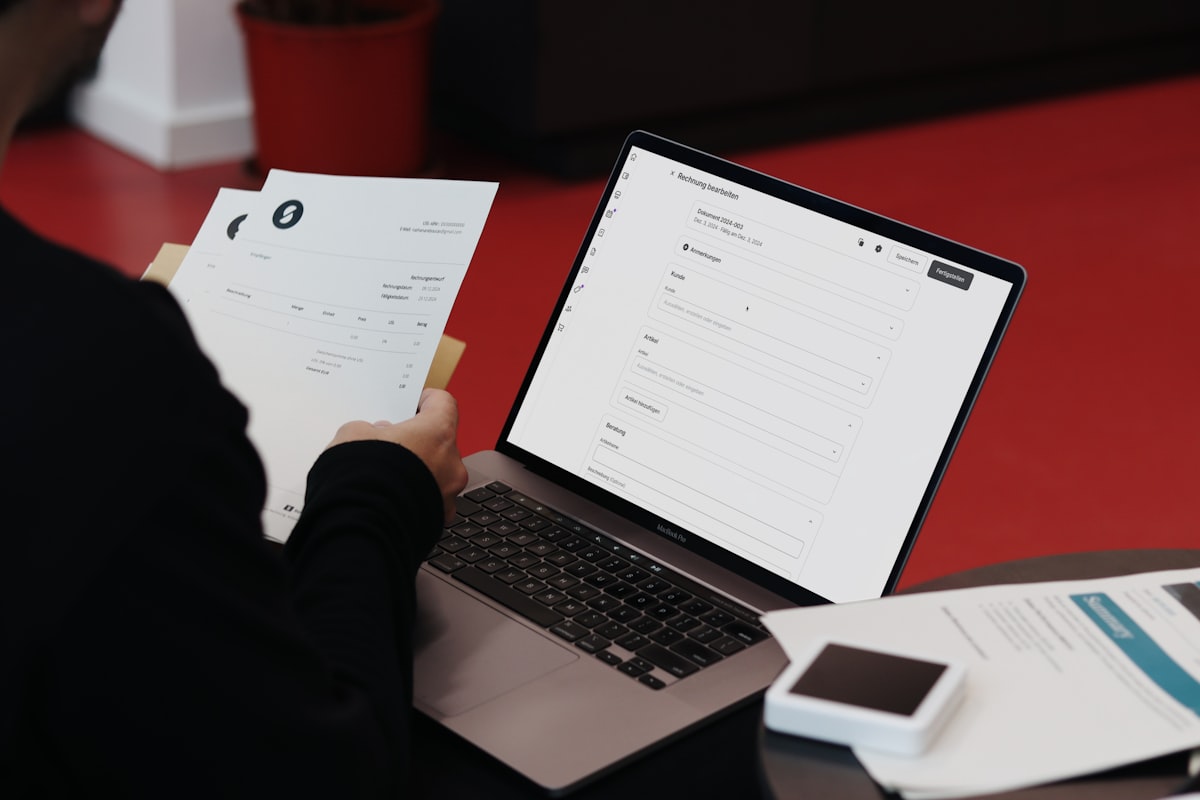
Best Invoicing Software for Event Planners (2026)

Wedding Vendor Payment Schedule Template
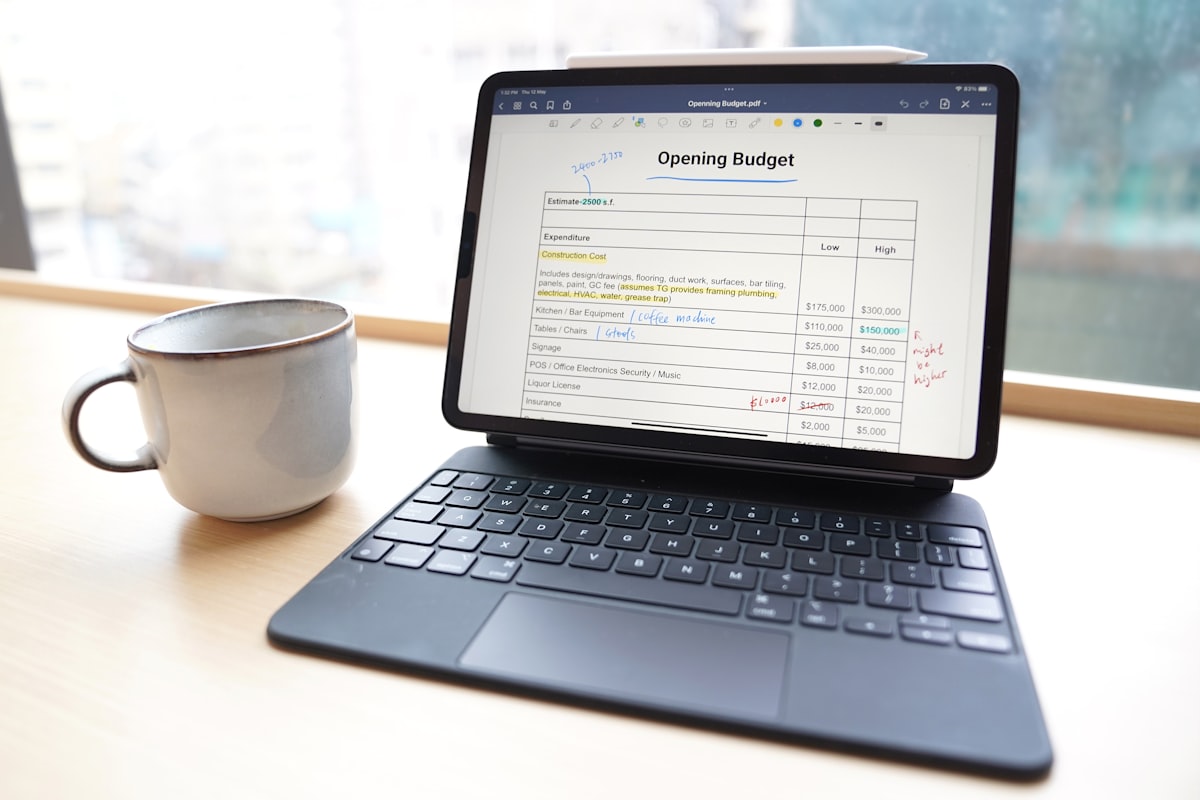
Event Planner Markup Percentage by Vendor Type

Bizzabo Alternatives for Event Planners

Vendor Relationship Management for Event Planners

Event Cost Calculator: Estimate Your Budget Right

Event Contractor Payment Tracking Tools for Planners

Event Communication Plan Template for Planners

How to Create Event Planning Packages

Event Insurance Cost: What Percentage of Your Budget

Social Tables Alternatives for Event Planners

How to Avoid Hidden Vendor Fees at Events

Corporate Event Planning Checklist for 2026

Post-Event Evaluation Template for Planners

Event Workflow Software: A Practical Guide

Propared Alternatives for Event Planners

Best Software for Managing Event Contractors

Wedding Planner Commission Rate Guide for 2026

Best CRM for Event Planners in 2026

Event Coordinator Tools for Portugal

Event Planner CRM: What to Look For in 2026
Vendor Contract Red Flags for Event Planners

Tripleseat Alternatives for Independent Planners

Event Catering Cost per Person by Event Type

Freelance Event Planner Toolkit for 2026

Wedding Vendor Management Spreadsheet Template

Subcontractor Management for Events in Portugal

Hidden Costs of Event Planning You Need to Know
Event Planning Software Pricing Compared

Event Planner Pricing Calculator: Set Your Fees
Event RFP Template for Professional Planners

How Much to Tip Event Staff and Vendors

Event Staff-to-Guest Ratios by Service Role

How Much Deposit Do Event Vendors Require?

Micro Wedding Planning Checklist

How to Hire Vendors for Your Wedding

How to Brief Event Staff Before an Event

Cvent Alternatives for Small Event Planners

Event Vendor Performance Scorecard Guide
Event Budgeting Apps: A Practical Guide for Planners

Cut Event Costs Without Sacrificing Quality

Dubsado vs HoneyBook for Event Planners

Event Risk Management Plan Template

Aisle Planner vs HoneyBook for Event Planners

Event Planning Workflow That Keeps Projects on Track

Wedding Planning Software for Portugal

Corporate Event Management Software for Portugal

Event Collaboration Tools for Planning Teams

Best Wedding Planner Tools for 2026 (Solo to Team)

Event Cost Breakdown Template for Planners

Event Budget Contingency Planning Guide

Event Management Automation Tools for 2026
5 Planning Pod Alternatives Compared (2026)

Event Day-of Coordination Checklist

How to Negotiate Event Vendor Pricing
Event Client Onboarding Template

Best Event Planning Apps Compared: 2026 Picks for Pros

AI Tools for Event Planning: A Practical Guide

How to Create a Vendor Shortlist for Events
HoneyBook Alternatives for Event Planners

Event Planner Tools for Brazil: A Practical Guide

Free Wedding Planner Tools That Work

Event Planning Checklist: 6 Phases to Cover

Wedding Planning Software: A Guide for Pros

How to Write an Event Proposal That Wins Clients

How to Coordinate Wedding Vendors Like a Pro

Event Vendor Cancelled? Your 3-Step Recovery Plan

Event Vendor Management Tips That Actually Work

5 Signs You've Outgrown Spreadsheets for Event Planning