
Micro weddings sit between elopements and traditional large-scale celebrations. They typically include 10 to 50 guests, and they have become one of the fastest-growing formats in the events industry. The appeal is straightforward: a smaller guest count lets you spend more per person on food, venue, and experience, while keeping the planning process manageable.
But "smaller" does not mean "simpler." A micro wedding still requires vendor coordination, budget discipline, and timeline management. The difference is that every decision carries more weight. A mediocre caterer at a 200-person wedding blends into the crowd. At a 30-person dinner, every guest notices.
This micro wedding planning checklist walks through the six steps that matter most, from locking your guest list to managing day-of logistics. If you are an event organizer running micro weddings for clients, or a couple planning your own, these steps apply equally.
Lock the Guest List Before Anything Else
The guest list is the single most consequential decision in micro wedding planning. It determines your venue options, catering costs, seating layout, and the overall atmosphere of the day.
Set a hard cap early. Decide whether your micro wedding is a 15-person family dinner or a 45-person cocktail celebration. The number changes everything: a 15-person event can fit in a private dining room, while 45 guests need a larger venue with catering infrastructure.
Expect pushback. Small guest lists create difficult conversations. Parents want to invite extended family. Friends assume they are included. Set boundaries early and stick to them. One effective approach: create an "A list" of non-negotiable guests and a "B list" for if space opens up. Share the cap with family before sharing names.
Plan for plus-ones deliberately. At a 200-person wedding, extra plus-ones disappear into the crowd. At a 30-person event, each additional guest changes the dynamic. Decide your plus-one policy upfront and communicate it clearly on invitations.
Set a Realistic Budget and Track It
Micro weddings cost less in total but more per guest. The average US micro wedding runs between $5,000 and $20,000, though that range shifts depending on location, season, and how you allocate the savings from a smaller headcount.
Allocate by priority, not by tradition. Traditional wedding budget formulas (50% venue and catering, 10% photography, etc.) do not translate directly to micro weddings. With fewer mouths to feed, you have room to invest heavily in one or two priorities. If food matters most, spend 60% on a private chef experience. If the setting is everything, put the budget into a stunning venue and keep catering simple.
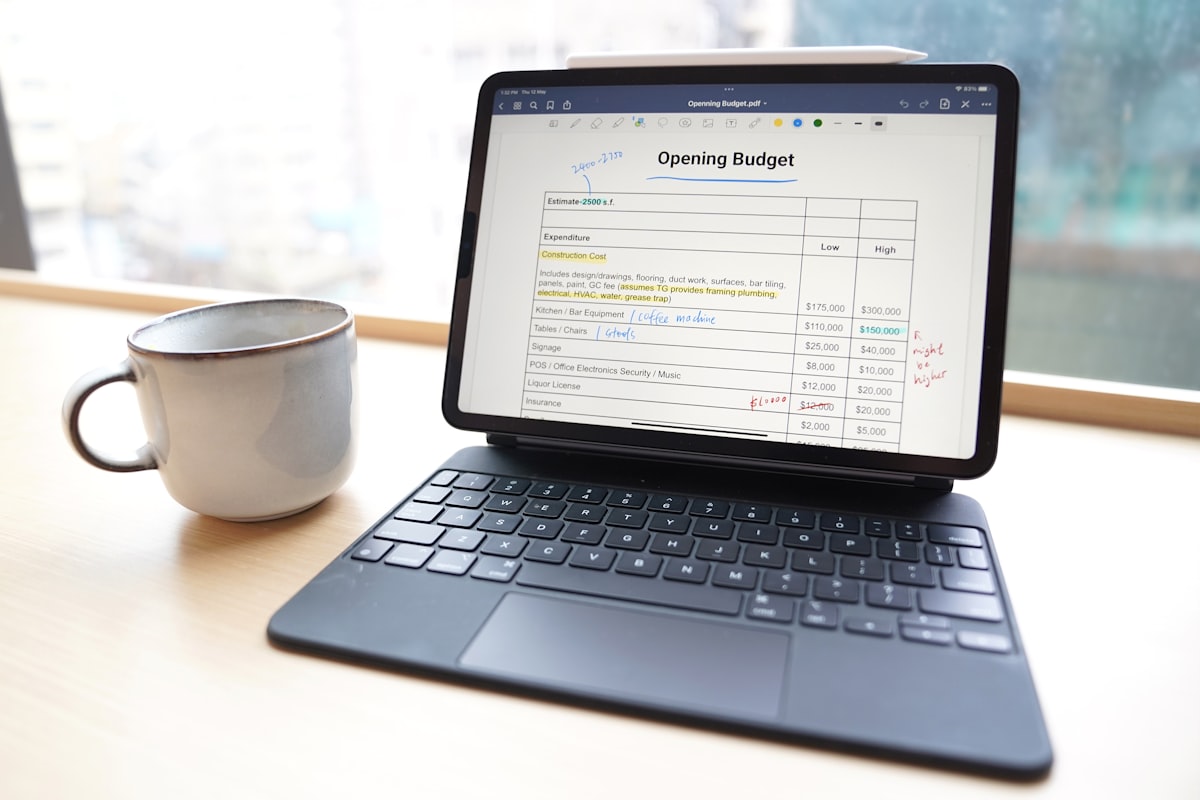
Track every commitment in one place. Vendor deposits, final payments, gratuities, and incidentals add up fast. Use a spreadsheet at minimum, or one of the free planning tools available for wedding organizers that tie vendor costs directly to the event. Our free budget calculator generates cost estimates by event type and guest count, giving you a baseline before you start collecting quotes. For a deeper system, our guide on tracking event expenses covers how to monitor actuals against your plan throughout the process.
Build in a 10-15% contingency. Last-minute additions happen: upgraded linens, extra floral arrangements, a second dessert option. A contingency buffer prevents these from blowing your total budget.
Choose a Venue That Matches the Scale
Micro weddings unlock venue options that large weddings cannot access. Restaurants, art galleries, botanical gardens, private estates, rooftop terraces, and boutique hotels all become viable when your headcount is under 50.
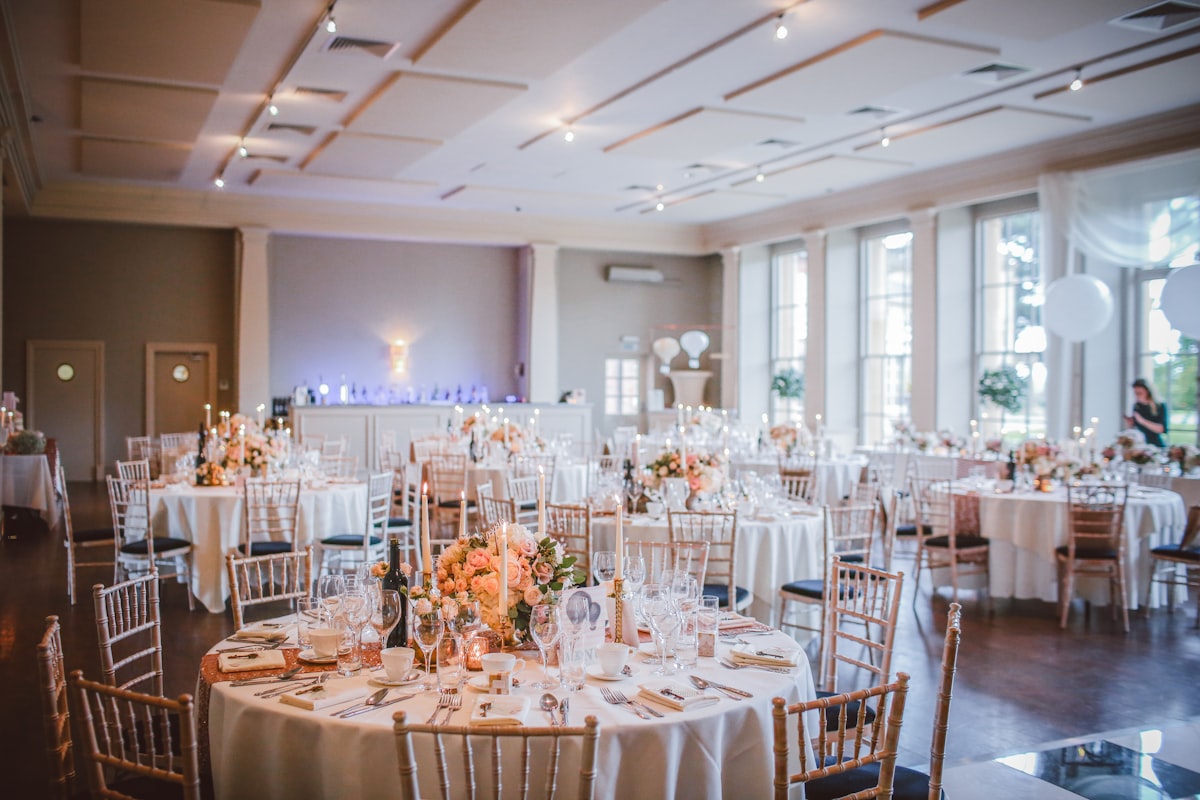
Match capacity to your guest count. A 30-person wedding in a 300-capacity ballroom feels empty. Look for venues where your group fills the space naturally. Private dining rooms, courtyards, and intimate event spaces create warmth that oversized rooms cannot.
Ask about minimum spend requirements. Many restaurants and boutique venues require a food and beverage minimum rather than a flat rental fee. This can work in your favor: if the minimum aligns with what you planned to spend on catering, you avoid a separate venue rental cost entirely.
Check vendor restrictions. Some venues require you to use their in-house catering or bar service. Others restrict outside vendors for sound, lighting, or decor. Know these rules before you sign. Venue-imposed vendors limit your flexibility but simplify coordination.
Visit at the right time of day. If your ceremony is at sunset, visit the venue at sunset. Lighting, noise levels, and ambiance shift dramatically between afternoon and evening. A space that feels perfect at 2 PM may feel completely different at 7 PM.
Build Your Vendor Team
A micro wedding needs fewer vendors than a large event, but each one plays a bigger role. With a small guest count, there is nowhere for poor quality to hide.
Start with the essentials. Most micro weddings need five core vendors: venue (or venue coordinator), caterer, photographer, officiant, and florist. Beyond these, everything is optional. A DJ may be unnecessary if you are hosting a seated dinner. A videographer may matter more than a florist if your priority is capturing the day. If you need a structured approach to tracking these vendors across booking stages, a wedding vendor checklist template covers all 12 standard categories with vetting criteria and document collection, and you can strip it down to the five or six that apply to your micro wedding.
Vet vendors for small-event experience. Not every vendor excels at intimate events. A caterer who typically handles 200-plate banquets may not deliver the same quality for a 25-person plated dinner. Ask specifically about their experience with micro weddings and request references from similar-sized events.
Consolidate where possible. Some venues offer all-inclusive packages that cover catering, bar service, and basic decor. A photographer-videographer team can cover both for less than two separate bookings. Fewer vendor relationships mean fewer coordination points and fewer contracts to manage.
Confirm everything in writing. Even for a small wedding, every vendor agreement should include scope, deliverables, timeline, payment schedule, and cancellation terms. Verbal agreements create misunderstandings. If you coordinate multiple vendors across weddings, a centralized system for tracking contracts and payment milestones saves significant time.
Plan the Timeline and Day-of Logistics
Micro weddings move faster than large events. With fewer guests, transitions between ceremony, cocktails, dinner, and dancing happen quickly. Your timeline should reflect that pace.
Work backward from your key moments. Identify the non-negotiable moments: ceremony start, first dance, dinner service, cake cutting (if applicable), and departure. Then fill in the gaps. Most micro wedding timelines run four to six hours from first guest arrival to last departure. If you coordinate more than a handful of vendors, wedding timeline software lets you build the schedule once and share filtered views so each vendor sees only the blocks that involve them.
Allow buffer time between transitions. Even with 30 guests, moving from a ceremony space to a dinner area takes 15 to 20 minutes. Cocktail hours need at least 45 minutes to feel relaxed rather than rushed. Build these buffers into the schedule.
Create a vendor load-in schedule. Determine when each vendor arrives, sets up, and needs access to the space. Share this schedule with the venue coordinator so they can manage access. For a detailed framework, our day-of coordination checklist covers the full sequence from final vendor confirmations through post-event wrap-up.
Designate a point person. Whether you hire a day-of coordinator or assign a trusted friend, someone other than the couple (or the lead organizer, if you are planning for a client) should handle vendor questions and timeline adjustments on the day itself.
Manage Guest Communication and Expectations
Micro wedding guests often expect a different experience than attendees at large weddings. The intimacy creates higher expectations for personalization, and the small guest list means every absence is noticeable.
Send invitations early with clear details. Micro wedding guests need to know this is a small, curated event. Include a note about the intimate format so they understand the significance of their invitation. Send invitations 8 to 10 weeks before the date, with RSVPs due 4 weeks out.
Communicate what to expect. Will there be a traditional reception or a seated dinner? Is the dress code formal or relaxed? Are children included? Small guest lists make assumptions dangerous. Spell everything out.
Have a plan for declines. At a 200-person wedding, 10 declines barely register. At a 25-person dinner, 3 declines change the room. Decide in advance whether you will invite B-list guests if A-list guests decline, and set a cutoff date for doing so.
Follow up personally. With a small guest list, you can afford to follow up individually with guests who have not responded. A phone call or personal message gets faster results than a generic reminder and reinforces the intimate nature of the event.
If you organize micro weddings for clients regularly, a platform that tracks client details, vendor bookings, and event budgets from a single dashboard removes the friction of switching between tools. Abastio gives event organizers a central place to manage their contractor pool, generate quotes, and track costs across every event, so you can focus on creating the experience rather than managing the logistics. See pricing plans for teams of every size.
Frequently Asked Questions
How many guests make a micro wedding?
Most industry definitions place micro weddings between 10 and 50 guests. Under 10 is typically considered an elopement. The exact number matters less than the intent: a micro wedding is designed for intimacy, where every guest has a personal connection to the couple. The guest count directly shapes your venue options, catering approach, and overall budget.
How much does a micro wedding cost?
Micro weddings in the US typically cost between $5,000 and $20,000. The range depends on location, venue, and how you allocate savings from a smaller headcount. Per-guest spending is usually higher than a traditional wedding because couples invest in better food, premium venues, or elevated details. Set your total budget first, then divide by guest count to see your per-person allocation.
How far in advance should you plan a micro wedding?
Three to six months is a comfortable timeline for most micro weddings. If you want a specific high-demand venue on a peak-season Saturday, plan 9 to 12 months ahead. If you are flexible on date and location, some couples pull together a micro wedding in as little as 6 to 8 weeks. The smaller vendor list and simpler logistics make shorter timelines realistic.
Do you need a wedding planner for a micro wedding?
Not necessarily, but it depends on your bandwidth and the complexity of the event. If your micro wedding involves a single all-inclusive venue, you can likely manage the coordination yourself. If you are working with five or more separate vendors, a custom menu, and a non-traditional venue, a planner or day-of coordinator reduces stress significantly. At minimum, designate someone who is not in the wedding party to manage vendor communication on the day.
What vendors are essential for a micro wedding?
The five core vendors for most micro weddings are a venue (or venue coordinator), caterer, photographer, officiant, and florist. Beyond these, every vendor is optional and depends on your priorities. Some couples skip the DJ in favor of a curated playlist. Others skip florals and invest in a videographer. The key is matching your vendor team to the experience you want, not to a traditional wedding vendor checklist.
Ready to simplify your event management?
Try Abastio free and see how it streamlines vendor coordination.
Start freeMore posts

Event Subcontractor Agreement Template

Destination Wedding Vendor Coordination Guide

Post-Event Vendor Debrief Template

Wedding Timeline Software: A Planner's Guide
Event Setup and Teardown Checklist for Planners

Wedding Vendor Checklist Template for Planners

How to Handle Last-Minute Event Changes

How to Create an Event Run Sheet (Step by Step)

Event Logistics Planning Guide for Organizers

How to Manage Corporate Event Vendors

Client Communication Tips for Event Planners

Planning Pod vs HoneyBook: Which Fits Your Events?

Event Cost per Attendee Calculator and Guide

How to Create a Vendor Management System for Events

Event Staffing Software for Small Business Teams

Whova Alternatives for Event Planners in 2026

Eventbrite Alternatives for Small Events in 2026

Event Vendor Insurance Requirements Checklist

How to Choose Event Management Software

Best Invoicing Software for Event Planners (2026)

Wedding Vendor Payment Schedule Template
Event Planner Markup Percentage by Vendor Type

Bizzabo Alternatives for Event Planners

Vendor Relationship Management for Event Planners

Event Cost Calculator: Estimate Your Budget Right

Event Contractor Payment Tracking Tools for Planners

Event Communication Plan Template for Planners

How to Create Event Planning Packages

Event Insurance Cost: What Percentage of Your Budget

Social Tables Alternatives for Event Planners

How to Avoid Hidden Vendor Fees at Events

Corporate Event Planning Checklist for 2026

Post-Event Evaluation Template for Planners

Event Workflow Software: A Practical Guide

Propared Alternatives for Event Planners

Best Software for Managing Event Contractors

Wedding Planner Commission Rate Guide for 2026

Best CRM for Event Planners in 2026

Event Coordinator Tools for Portugal

Event Planner CRM: What to Look For in 2026
Vendor Contract Red Flags for Event Planners

Tripleseat Alternatives for Independent Planners

Event Catering Cost per Person by Event Type

Freelance Event Planner Toolkit for 2026

Wedding Vendor Management Spreadsheet Template

Subcontractor Management for Events in Portugal

Hidden Costs of Event Planning You Need to Know
Event Planning Software Pricing Compared

Event Planner Pricing Calculator: Set Your Fees

Event RFP Template for Professional Planners

How Much to Tip Event Staff and Vendors

Event Staff-to-Guest Ratios by Service Role

How Much Deposit Do Event Vendors Require?

How to Hire Vendors for Your Wedding

How to Brief Event Staff Before an Event

Cvent Alternatives for Small Event Planners

How to Invoice Event Clients and Get Paid

Event Vendor Performance Scorecard Guide

Event Budgeting Apps: A Practical Guide for Planners

Cut Event Costs Without Sacrificing Quality

Dubsado vs HoneyBook for Event Planners

Event Risk Management Plan Template

Aisle Planner vs HoneyBook for Event Planners

Event Planning Workflow That Keeps Projects on Track

Wedding Planning Software for Portugal

Corporate Event Management Software for Portugal

Event Collaboration Tools for Planning Teams

Best Wedding Planner Tools for 2026 (Solo to Team)

Event Cost Breakdown Template for Planners

Event Budget Contingency Planning Guide

Event Management Automation Tools for 2026
5 Planning Pod Alternatives Compared (2026)
Event Day-of Coordination Checklist

How to Negotiate Event Vendor Pricing
Event Client Onboarding Template

Best Event Planning Apps Compared: 2026 Picks for Pros

AI Tools for Event Planning: A Practical Guide

How to Create a Vendor Shortlist for Events

HoneyBook Alternatives for Event Planners

Event Planner Tools for Brazil: A Practical Guide

Free Wedding Planner Tools That Work

Event Planning Checklist: 6 Phases to Cover

Wedding Planning Software: A Guide for Pros

How to Write an Event Proposal That Wins Clients

How to Coordinate Wedding Vendors Like a Pro

Event Vendor Cancelled? Your 3-Step Recovery Plan

Event Vendor Management Tips That Actually Work

5 Signs You've Outgrown Spreadsheets for Event Planning