Sending a vague email to five vendors and hoping for comparable quotes is not a sourcing strategy. It produces inconsistent proposals, missed requirements, and hours spent chasing clarifications. A structured Request for Proposal (RFP) fixes this by giving every vendor the same brief, the same format expectations, and the same deadline.
Professional event planners who use RFPs consistently get faster responses, clearer pricing, and proposals they can actually compare. This guide covers what belongs in an event RFP, how to adapt it for different vendor categories, and how to evaluate the responses you receive.
What Every Event RFP Must Include
A complete event RFP has seven sections. Skip any of them and you will spend the next week answering vendor questions that the document should have covered.
1. Organization overview. Two to three sentences about your company, the types of events you produce, and your role in the process. Vendors use this to gauge whether the project fits their capacity and expertise. Keep it brief.
2. Event details. Cover the essentials: event type (wedding, corporate conference, product launch), date or date range, location or venue, expected attendance, and event duration. If the venue is confirmed, include the address and any access restrictions. If the venue is still under consideration, note that and describe the general area.
3. Scope of work. This is the most important section. Spell out exactly what you need the vendor to deliver. "Catering for 150 guests" is not a scope of work. "Plated three-course dinner for 150 guests, two dietary alternatives per course, passed appetizers during a 90-minute cocktail hour, bar service for 4 hours with a predetermined drink list" tells the vendor what to price.
Include setup and teardown responsibilities, staffing expectations, equipment the vendor must provide versus what the venue supplies, and any specific brand or quality standards. The more precise your scope, the more accurate the proposals you receive.
4. Budget guidance. Vendors perform better when they know the range. You do not need to reveal your exact ceiling, but stating "our target budget for this category is between $X and $Y" prevents proposals that are either wildly over budget or suspiciously cheap. If you need help establishing budget ranges before sending RFPs, our event cost breakdown template provides percentage-based allocations by event type, and the free budget calculator generates estimates by guest count.
5. Timeline and milestones. List the key dates: RFP submission deadline, shortlist notification date, vendor interviews or tastings, contract signing deadline, and event date. Vendors plan their calendars around commitments. The sooner they know your timeline, the better their availability picture.
6. Submission requirements. Tell vendors exactly what format you want. Specify whether you need an itemized cost breakdown, references from similar events, proof of insurance, and portfolio samples. Standardizing the format makes side-by-side comparison possible. If every vendor submits in a different structure, you will waste hours reorganizing the information. Our vendor shortlist guide covers how to score and rank vendors once those proposals arrive.
7. Evaluation criteria. State how you will assess proposals: pricing (with a suggested weight of 30-40%), relevant experience (20-25%), responsiveness and communication (15%), references (10-15%), and flexibility or value-adds (10%). Publishing your criteria signals professionalism and encourages vendors to address what matters most to you.
How to Adapt Your RFP by Vendor Category
A one-size-fits-all RFP misses the details that matter for each vendor type. Here is how to adjust the scope section for the categories event planners send RFPs to most often.
Catering and food service
Specify the meal format (plated, buffet, family-style, food stations), courses, dietary accommodation requirements, beverage service type and duration, and whether the caterer provides serviceware or uses the venue's inventory. Ask about staffing ratios. A reliable ratio for plated service is one server per 15 to 20 guests. Include whether the caterer handles cleanup or if that falls to another vendor.
AV and production
List every piece of equipment you need: microphones (how many wireless, how many wired), projection setup, speaker system size based on venue dimensions, lighting requirements, and any live-streaming or recording needs. Specify whether you need an on-site technician for the full event or just setup and teardown. Ask for a contingency plan in case of equipment failure.
Photography and videography
Define the hours of coverage, number of photographers or videographers, deliverable formats (raw files, edited gallery, highlight reel), delivery timeline, and usage rights. State whether you need a second shooter, drone footage, or same-day edits. If the event has specific moments that require coverage (a keynote speech, a first dance, an award ceremony), list them.
Decor and florals
Describe the aesthetic direction, list specific items (centerpieces, ceremony arch, table runners), specify any venue restrictions on candles or confetti, and note load-in and load-out windows. Include reference photos if you have them. Ask whether the vendor supplies vases and hardware or charges separately.
Entertainment and music
Specify the performance duration, setup and soundcheck windows, technical requirements (power, staging area, green room), genre or playlist restrictions, and volume limits from the venue. For DJs, ask about backup equipment. For live bands, ask about their minimum stage footprint and whether they bring their own PA system.
Five Mistakes That Produce Poor RFP Responses
Sending an RFP is not enough. How you write and distribute it determines the quality of what comes back.
1. Sending the RFP to too many vendors. More is not better. If you send the same RFP to 15 caterers, you dilute your attention and signal to experienced vendors that their chances are slim. Target 3 to 5 vendors per category. You will get more thoughtful proposals from a focused group. If you are sourcing vendors for a wedding, our guide on hiring vendors for weddings covers how to build that shortlist before the RFP goes out.
2. Omitting the budget range. Vendors interpret silence on budget as either "unlimited" or "we want the cheapest option." Neither produces a useful proposal. A stated range helps vendors calibrate their offering to your expectations.
3. Setting an unrealistic timeline. Giving vendors 48 hours to respond to a complex RFP guarantees rushed, incomplete proposals. Allow 7 to 10 business days for most categories. High-complexity categories like AV production or full-service catering may need two weeks.
4. Being vague on scope. "We need a photographer" gives you nothing to compare. Two vendors will quote different hours, different deliverables, and different add-ons. When you define the scope clearly, every response prices the same work, and you can compare on value.
5. Skipping the evaluation criteria. When vendors do not know how you will judge their proposal, they guess. Some lead with price. Others lead with their portfolio. Stating your criteria up front shapes the response to match what you actually care about. If you want to negotiate effectively once proposals arrive, our guide on negotiating event vendor pricing covers strategies that preserve the vendor relationship.
How to Compare and Evaluate RFP Responses
Receiving five proposals is only useful if you can evaluate them consistently. Build a comparison framework before the first response arrives.
Create a scoring matrix. Use the evaluation criteria from your RFP as column headers. Add each vendor as a row. Score every vendor from 1 to 5 on each criterion, then apply your stated weights. A vendor who scores 5 on pricing but 2 on experience may still rank lower than a vendor who scores 4 on both.
Flag scope gaps. Check whether each vendor addressed every item in your scope of work. Missing items could mean the vendor overlooked them, chose not to include them, or does not offer them. Follow up on gaps before making a decision, because those gaps will become surprises on event day. If you track vendor performance over time using a structured vendor management process, past notes on reliability and communication will also inform your evaluation.
Verify references. Ask for two or three references from events similar to yours in size and format. When you call references, ask specific questions: "Did they meet the agreed timeline?" "How did they handle a last-minute change?" "Would you hire them again?" General questions like "Were they good?" produce general answers.
Run a cost comparison on equal scope. If one vendor quotes $8,000 and another quotes $5,500, check what each includes. The lower quote may exclude setup labor, equipment rental, or overtime charges that the higher quote bundles in. Our guide to hidden costs in event planning lists the specific line items that most often get left out of vendor quotes. Normalize the numbers to the same scope before comparing.
Once you select your vendor, store their proposal, contract, and performance notes in one place. Tools like Abastio let you track contractors by category, attach documents, and record performance across events, so your next RFP cycle starts with data instead of memory.
Event RFP Tools That Speed Up Proposal Management
Managing RFPs through email and Word documents works when you send two or three per event. When you regularly source five vendor categories per event across multiple concurrent projects, the manual process breaks. Several tools can automate parts of the RFP cycle.
Event management platforms with built-in vendor tracking. Tools like Abastio and Planning Pod let you store vendor profiles, attach past proposals, and track response status per event. You can see which vendors have been contacted, who has responded, and compare their quotes side by side. The vendor database carries forward between events, so you build institutional memory instead of starting fresh each time.
Document collaboration tools. Google Docs or Notion work for drafting and sharing RFPs internally, but they do not track vendor responses or automate follow-ups. They are a step up from email but still require manual comparison.
Dedicated procurement platforms. Enterprise tools like Procurify or Coupa handle formal RFP workflows with approval chains, vendor portals, and automated scoring. These make sense for organizations that manage vendor procurement across departments. For most independent event planners, the overhead exceeds the benefit.
The practical approach for small to mid-size planning businesses: store your RFP templates and vendor contacts in the same platform you use for event management, so the sourcing process connects directly to your event timeline and budget.
Building a Reusable RFP Library
Writing an RFP from scratch for every event wastes time. Professional planners maintain a library of category-specific RFP templates that they customize per event.
Start with one master template that includes your standard sections: organization overview, event details placeholder, submission requirements, timeline format, and evaluation criteria. Save it as your base document. If you already follow a repeatable event planning workflow, your RFP templates should align with the vendor selection phase so the entire process stays consistent.
Then create category-specific scope inserts for your most common vendor types. When a new event requires catering, pull the master template and drop in your catering scope insert. Update the event details, adjust the budget range, set your deadlines, and send.
After each event, review which RFP sections produced clear vendor responses and which generated follow-up questions. Revise the templates to close those gaps. Within three to four events, your templates will produce consistent, comparable proposals with minimal editing.
If you manage your vendor pipeline in a tool like Abastio, you can link each RFP cycle to the corresponding event, track which vendors responded, and reference past proposals when planning future events. That history turns vendor selection from a fresh research project into an informed decision.
Frequently Asked Questions
What is an event RFP and when should you use one?
An event RFP is a formal document you send to potential vendors requesting a proposal for a specific service. Use one whenever you need to compare multiple vendors for the same scope of work. For events with three or more vendor categories, RFPs save significant time compared to informal email requests by standardizing the information you receive.
How many vendors should you send an event RFP to?
Send your RFP to 3 to 5 vendors per category. Fewer than three limits your options. More than five overwhelms your evaluation process and reduces the effort each vendor puts into their response. Quality of proposals drops when vendors suspect they are one of a dozen competitors.
How long should vendors have to respond to an event RFP?
Allow 7 to 10 business days for standard vendor categories. Complex categories like full-service catering, AV production, or multi-day event coordination may need 10 to 14 days. Shorter windows produce incomplete proposals and signal that you are not serious about the evaluation process.
Should you include your budget in the RFP?
Yes. Including a budget range helps vendors tailor their proposals to your expectations. You do not need to state your exact ceiling. A range like "$5,000 to $7,000 for photography" gives vendors enough context to propose appropriate packages without aiming for the maximum possible price.
How do you evaluate event RFP responses fairly?
Use a weighted scoring matrix based on the evaluation criteria you stated in the RFP. Score each vendor on factors like pricing, relevant experience, references, responsiveness, and flexibility. Weight each factor based on your priorities for that specific event. This approach removes subjective bias and creates a documented rationale for your vendor selection.
Ready to simplify your event management?
Try Abastio free and see how it streamlines vendor coordination.
Start freeMore posts

Event Subcontractor Agreement Template

Destination Wedding Vendor Coordination Guide

Post-Event Vendor Debrief Template
Wedding Timeline Software: A Planner's Guide
Event Setup and Teardown Checklist for Planners
Wedding Vendor Checklist Template for Planners

How to Handle Last-Minute Event Changes

How to Create an Event Run Sheet (Step by Step)
Event Logistics Planning Guide for Organizers

How to Manage Corporate Event Vendors

Client Communication Tips for Event Planners
Planning Pod vs HoneyBook: Which Fits Your Events?
Event Cost per Attendee Calculator and Guide

How to Create a Vendor Management System for Events
Event Staffing Software for Small Business Teams

Whova Alternatives for Event Planners in 2026

Eventbrite Alternatives for Small Events in 2026

Event Vendor Insurance Requirements Checklist

How to Choose Event Management Software
Best Invoicing Software for Event Planners (2026)
Wedding Vendor Payment Schedule Template
Event Planner Markup Percentage by Vendor Type

Bizzabo Alternatives for Event Planners
Vendor Relationship Management for Event Planners

Event Cost Calculator: Estimate Your Budget Right

Event Contractor Payment Tracking Tools for Planners

Event Communication Plan Template for Planners

How to Create Event Planning Packages

Event Insurance Cost: What Percentage of Your Budget
Social Tables Alternatives for Event Planners

How to Avoid Hidden Vendor Fees at Events
Corporate Event Planning Checklist for 2026

Post-Event Evaluation Template for Planners

Event Workflow Software: A Practical Guide
Propared Alternatives for Event Planners

Best Software for Managing Event Contractors
Wedding Planner Commission Rate Guide for 2026

Best CRM for Event Planners in 2026
Event Coordinator Tools for Portugal

Event Planner CRM: What to Look For in 2026
Vendor Contract Red Flags for Event Planners
Tripleseat Alternatives for Independent Planners
Event Catering Cost per Person by Event Type

Freelance Event Planner Toolkit for 2026

Wedding Vendor Management Spreadsheet Template
Subcontractor Management for Events in Portugal
Hidden Costs of Event Planning You Need to Know
Event Planning Software Pricing Compared

Event Planner Pricing Calculator: Set Your Fees
How Much to Tip Event Staff and Vendors
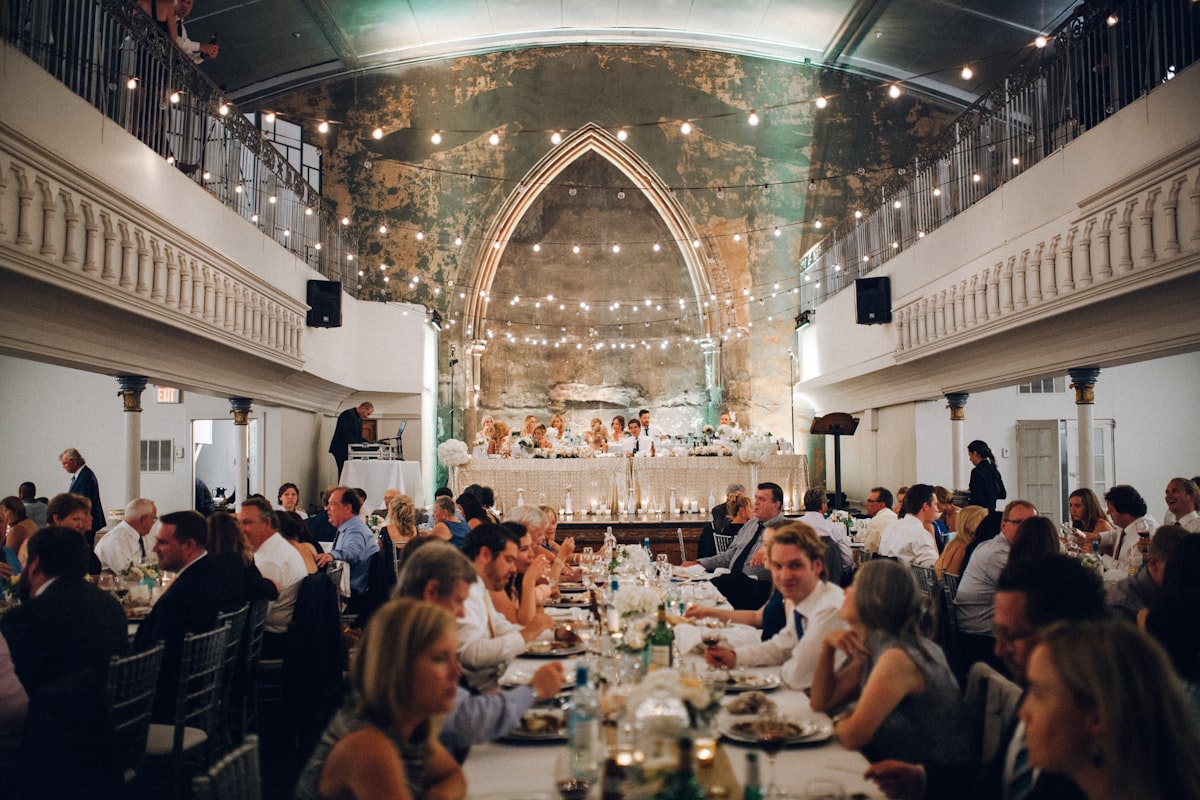
Event Staff-to-Guest Ratios by Service Role

How Much Deposit Do Event Vendors Require?

Micro Wedding Planning Checklist

How to Hire Vendors for Your Wedding

How to Brief Event Staff Before an Event

Cvent Alternatives for Small Event Planners

How to Invoice Event Clients and Get Paid

Event Vendor Performance Scorecard Guide
Event Budgeting Apps: A Practical Guide for Planners
Cut Event Costs Without Sacrificing Quality
Dubsado vs HoneyBook for Event Planners

Event Risk Management Plan Template

Aisle Planner vs HoneyBook for Event Planners

Event Planning Workflow That Keeps Projects on Track
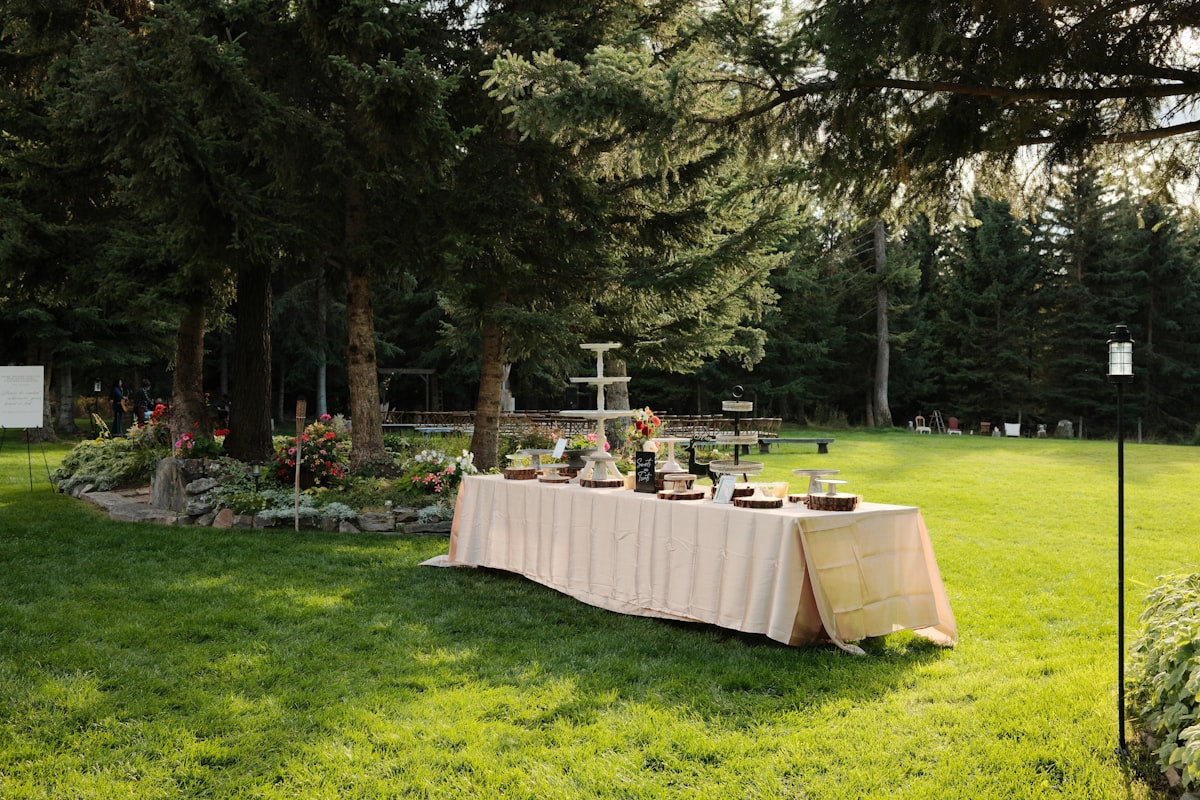
Wedding Planning Software for Portugal

Corporate Event Management Software for Portugal
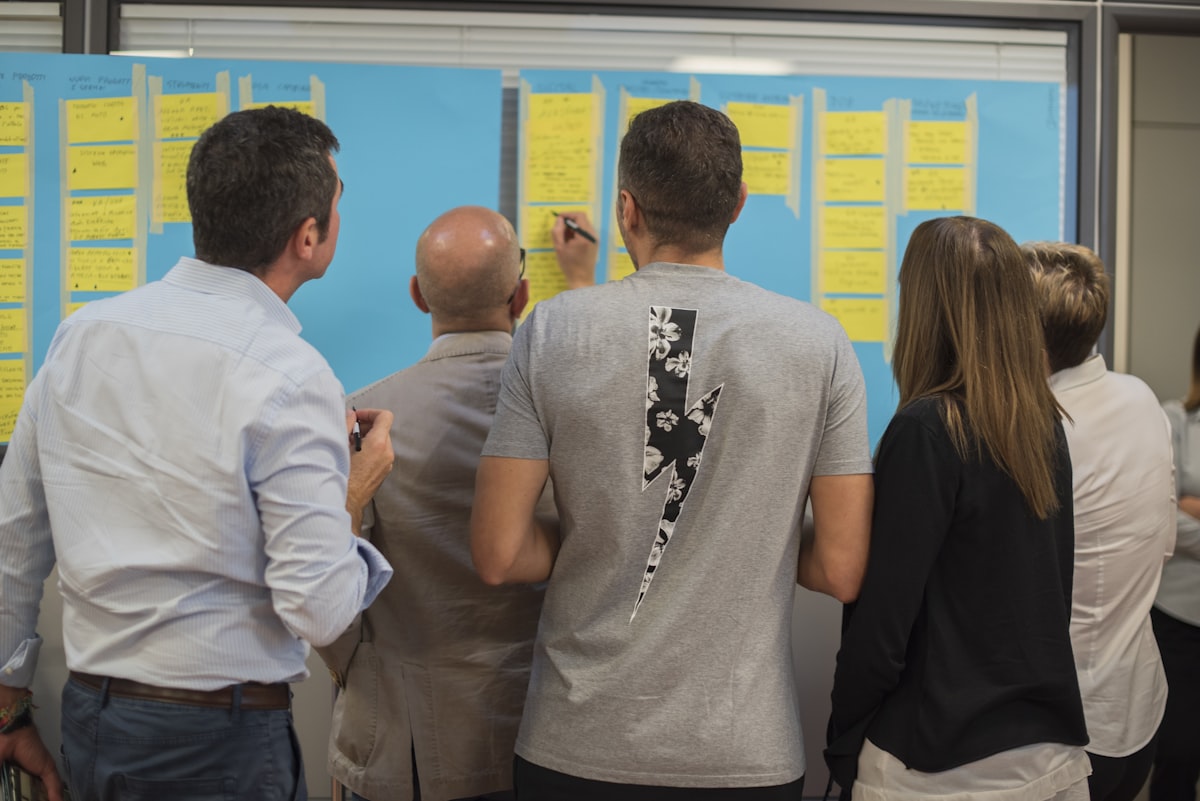
Event Collaboration Tools for Planning Teams
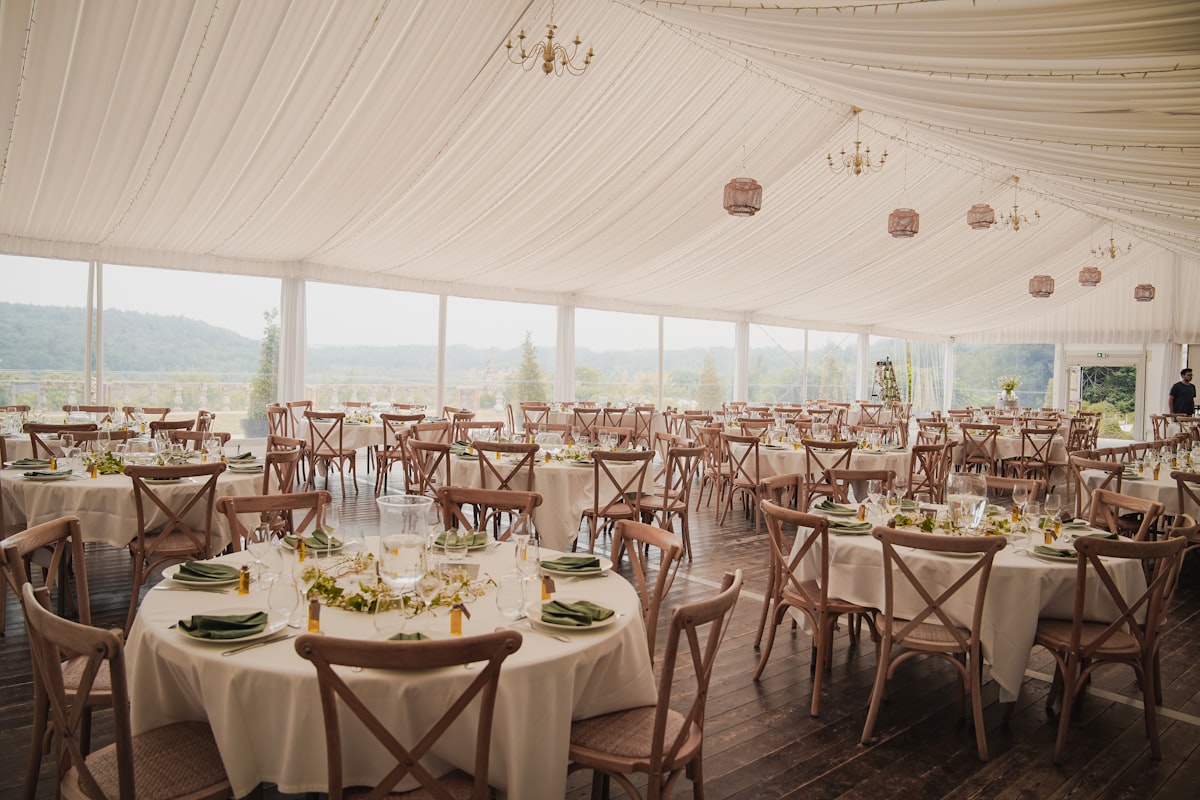
Best Wedding Planner Tools for 2026 (Solo to Team)

Event Cost Breakdown Template for Planners
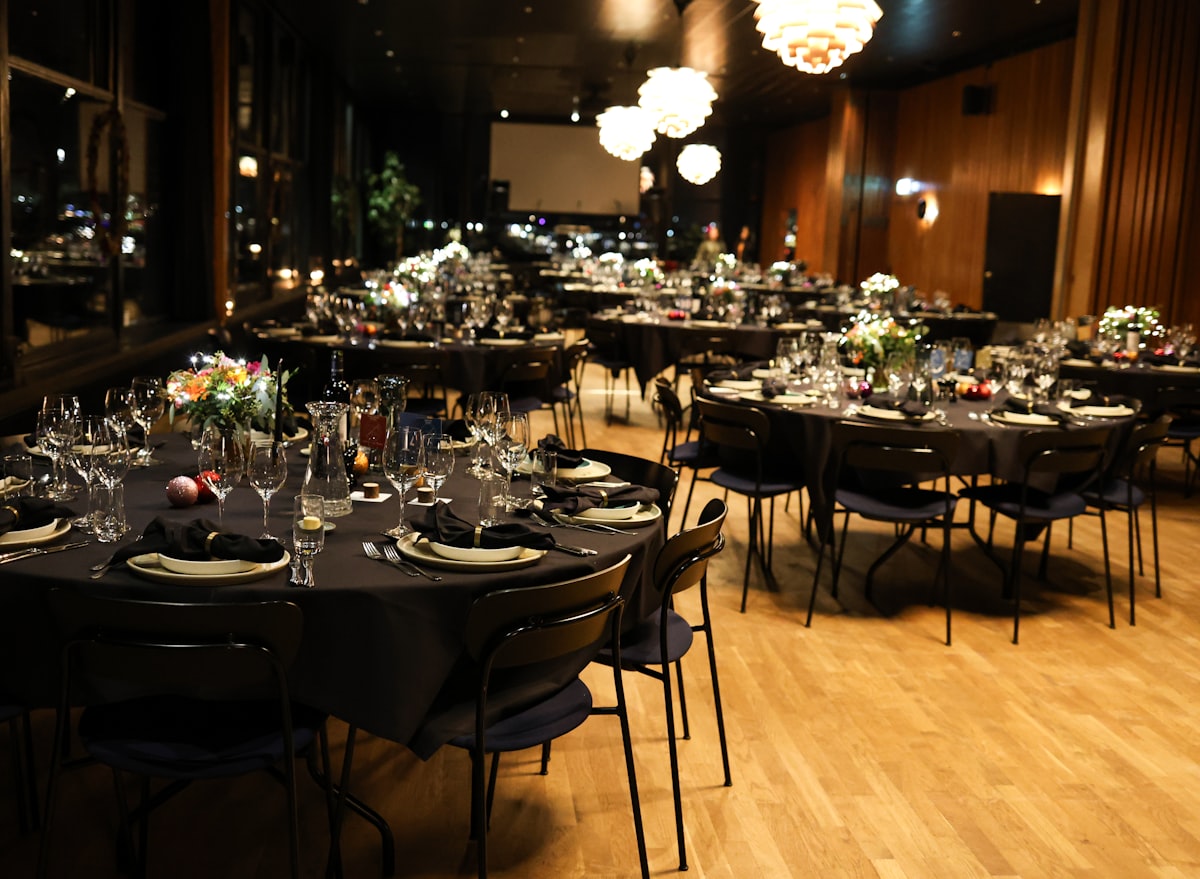
Event Budget Contingency Planning Guide

Event Management Automation Tools for 2026
5 Planning Pod Alternatives Compared (2026)
Event Day-of Coordination Checklist

How to Negotiate Event Vendor Pricing
Event Client Onboarding Template
Best Event Planning Apps Compared: 2026 Picks for Pros

AI Tools for Event Planning: A Practical Guide

How to Create a Vendor Shortlist for Events
HoneyBook Alternatives for Event Planners

Event Planner Tools for Brazil: A Practical Guide

Free Wedding Planner Tools That Work

Event Planning Checklist: 6 Phases to Cover

Wedding Planning Software: A Guide for Pros

How to Write an Event Proposal That Wins Clients

How to Coordinate Wedding Vendors Like a Pro

Event Vendor Cancelled? Your 3-Step Recovery Plan

Event Vendor Management Tips That Actually Work

5 Signs You've Outgrown Spreadsheets for Event Planning