
Setting the right price for event planning services is one of the hardest business decisions planners face. Charge too little and you burn out chasing volume. Charge too much without clear value and clients walk away. The difference between guessing and knowing your numbers comes down to a repeatable pricing formula.
This guide walks through the three standard pricing models, shows you how to calculate fees based on real costs, and explains how to adjust rates by event type. Whether you plan weddings, corporate conferences, or music shows, you will find a structure that fits your business.
Three Pricing Models for Event Planners
Most event planners use one of three pricing models. Each works best in different situations, and many planners combine two or more depending on the client and event scope.
Flat fee pricing. You quote a single price for the entire project. The client knows the total cost upfront. This model works best for events with a clearly defined scope: a one-day corporate conference, a day-of wedding coordination package, or a product launch with a fixed venue and vendor list. The risk is scope creep. If the project takes longer than expected, your effective hourly rate drops. Build in clear scope boundaries and a change-order clause to protect your margin.
Hourly rate pricing. You bill for actual hours worked. This model suits consulting engagements, partial planning services, or new client relationships where the scope is still unclear. It also works for planners building their portfolio who want fair pay while gaining experience. The downside: clients sometimes limit your involvement to control costs, which can hurt the event outcome.
Percentage of budget pricing. You charge a fixed percentage of the total event budget, typically 10-20%. Larger, more complex events generate higher fees because they demand more coordination. Full-service wedding planning and large corporate events commonly use this model. Our guide on wedding planner commission rates breaks down the specific percentage ranges by service level and how to handle vendor referral fees alongside your planning commission. The risk is budget cuts mid-project. Include a minimum fee clause in your contract to set a floor that protects your time.
How to Calculate Your Event Planning Fees
The pricing model gives you a structure. The actual number comes from understanding your costs. Walk through these five steps to find your baseline rate.
Step 1: Know your annual overhead. Add up every business expense that exists whether or not you have clients. Software subscriptions, insurance, office space, vehicle costs, phone, internet, professional development, and marketing. For most solo event planners, this ranges from $8,000 to $25,000 per year.
Step 2: Set your target income. Decide what you need to take home after expenses. Entry-level planners in mid-size cities might target $45,000 to $60,000. Experienced planners in major metro areas commonly target $80,000 to $120,000.
Step 3: Estimate your billable capacity. A full-time planner working 2,000 hours per year will spend roughly 40-60% of that time on billable client work. The rest goes to sales, administration, and business development. That gives you 800 to 1,200 billable hours per year.
Step 4: Run the formula. Add overhead to target income, then divide by billable hours.
(Target Income + Annual Overhead) / Billable Hours = Minimum Hourly Rate
Example: ($75,000 + $15,000) / 1,100 hours = $82 per hour
This is your floor. Every quote you send should recover at least this rate when you divide the fee by actual hours worked. Our free budget calculator generates cost estimates by event type and guest count, giving you a baseline for the vendor side of every quote.
Step 5: Validate against market rates. Check what planners in your area and experience level charge. If your calculated rate sits well above market, you need to either reduce overhead, increase capacity, or build a portfolio that justifies premium pricing. If your rate falls below market, you have room to raise it.
Adjusting Prices by Event Type
Not all events require the same effort. A 50-person corporate dinner and a 200-guest wedding involve different levels of complexity, vendor coordination, and client communication. Your event planner pricing calculator should account for these differences.
Weddings typically command the highest per-event fees. Emotional stakes are high, vendor counts run large, and planning timelines stretch 8-14 months. Wedding planners commonly charge 12-18% of the budget or flat fees of $3,000 to $10,000 for full-service planning. Day-of coordination packages use flat fees of $1,500 to $3,500. If you specialize in weddings, a structured vendor coordination workflow helps you estimate planning hours more accurately across events.
Corporate events vary widely. A half-day meeting might warrant a $1,500 flat fee. A multi-day conference with 500 attendees, AV production, and catering for every meal could justify $15,000 to $30,000. Corporate clients often prefer flat fees because they need a fixed number for budget approval before signing contracts.
Social events like birthdays, anniversaries, and galas sit in the middle. Budgets tend to be smaller than weddings but client expectations can be equally high. Flat fees of $1,500 to $5,000 cover most social events.
Music shows and festivals involve production complexity that changes the pricing equation. Sound, lighting, staging, security, and artist hospitality add layers that a standard planning fee may not cover. Many planners charge a base fee plus a per-day production management rate for these events.
Track your actual hours and costs per event category. After 10 to 15 events, you will have reliable data to set type-specific pricing that reflects your real effort.
Building a Repeatable Quoting System
A pricing calculator only works if it feeds into a consistent quoting process. The goal is to turn every new inquiry into a professional quote within hours, not days.
Start with a cost database. Track what vendors charge by category and region. After a few events, you will know that catering in your city runs $45 to $85 per person, florists charge $2,000 to $8,000 for weddings, and AV companies quote $1,500 to $5,000 for corporate setups. This data turns every new quote into an informed estimate. Our event cost breakdown template shows how to organize these numbers by category and event type.
Build an hours template. For each event type, estimate the hours required at each planning phase: discovery, vendor sourcing, coordination meetings, setup, event day, and post-event wrap-up. Multiply by your hourly rate to get your labor cost per event type.
Generate professional quotes. Clients judge your professionalism by how you present pricing. A well-structured quote with line items, clear totals, and payment terms closes deals faster than a price buried in an email thread. You can build quotes with plan tiers, export them as PDFs, and keep pricing consistent across every client using tools built for event professionals. See how Abastio's pricing plans support this workflow.
Review and adjust quarterly. Pull your actual hours and costs from the last quarter. Compare them to your quotes. If you consistently underestimate hours for a certain event type, adjust your template. If vendor costs have shifted, update your cost database. This feedback loop keeps your pricing accurate over time.
When to Raise Your Rates
If you have been planning events for more than a year without adjusting your prices, you are likely undercharging. Costs increase annually. Your experience compounds with every event. Your rates should reflect both.
Signs you need higher rates:
- You are booked more than 90% of available weekends for the next six months.
- You have not raised prices in 12 or more months while your costs have increased.
- Clients accept your quotes without negotiation. This usually means you are priced below their expected range.
- You are turning away work because you cannot take on more events at current rates.
Give existing clients 60 to 90 days notice before new rates take effect. Apply new pricing to all new inquiries immediately. A 10-15% annual increase is standard for growing event planning businesses. If you are significantly below market rate, a larger one-time adjustment works better than closing the gap slowly over several years.
Managing your contractor costs, client pipeline, and event budgets in one place makes it easier to spot when your margins are shrinking. Try Abastio free to centralize your event operations and keep your pricing grounded in real data.
Frequently Asked Questions
How much should a new event planner charge per hour?
New event planners typically charge $30 to $50 per hour while building their portfolio. Calculate your minimum rate using the five-step formula above, then compare it to local market rates. As you complete events and collect client testimonials, increase your rate in 10-15% increments every six to twelve months until you reach your target market position.
What percentage do event planners charge for weddings?
Most full-service wedding planners charge 12-18% of the total wedding budget. Day-of coordination uses flat fees instead, typically $1,500 to $3,500 depending on the market. Partial planning falls between the two, with flat fees of $3,000 to $6,000 or percentages of 8-12%.
Should I charge a flat fee or hourly rate for corporate events?
Corporate clients generally prefer flat fees because they need a fixed number for budget approval. Quote a flat fee based on your estimated hours plus a 15-20% buffer. If the scope is genuinely undefined at the start, propose an hourly rate with a cap to give the client cost certainty while protecting your time.
How do I price a destination event?
Start with your standard fee for that event type, then add a daily travel rate ($250 to $500 per day), travel expenses (flights, accommodation, meals), and additional coordination time for remote vendor management. Destination events typically require 20-30% more planning hours than local events due to site visits, time zone differences, and long-distance logistics.
When should I include vendor commissions in my pricing model?
Vendor commissions are separate from your planning fee. Some planners accept referral fees from preferred vendors, while others pass the savings directly to the client. Whichever approach you choose, disclose it clearly in your contract. Transparency builds trust, and clients who discover undisclosed commissions rarely return for future events.
Ready to simplify your event management?
Try Abastio free and see how it streamlines vendor coordination.
Start freeMore posts

Event Subcontractor Agreement Template

Destination Wedding Vendor Coordination Guide

Post-Event Vendor Debrief Template
Wedding Timeline Software: A Planner's Guide
Event Setup and Teardown Checklist for Planners

Wedding Vendor Checklist Template for Planners

How to Handle Last-Minute Event Changes

How to Create an Event Run Sheet (Step by Step)

Event Logistics Planning Guide for Organizers

How to Manage Corporate Event Vendors

Client Communication Tips for Event Planners
Planning Pod vs HoneyBook: Which Fits Your Events?

Event Cost per Attendee Calculator and Guide

How to Create a Vendor Management System for Events

Event Staffing Software for Small Business Teams

Whova Alternatives for Event Planners in 2026

Eventbrite Alternatives for Small Events in 2026

Event Vendor Insurance Requirements Checklist

How to Choose Event Management Software
Best Invoicing Software for Event Planners (2026)

Wedding Vendor Payment Schedule Template
Event Planner Markup Percentage by Vendor Type

Bizzabo Alternatives for Event Planners

Vendor Relationship Management for Event Planners

Event Cost Calculator: Estimate Your Budget Right

Event Contractor Payment Tracking Tools for Planners

Event Communication Plan Template for Planners

How to Create Event Planning Packages

Event Insurance Cost: What Percentage of Your Budget
Social Tables Alternatives for Event Planners

How to Avoid Hidden Vendor Fees at Events
Corporate Event Planning Checklist for 2026

Post-Event Evaluation Template for Planners

Event Workflow Software: A Practical Guide
Propared Alternatives for Event Planners

Best Software for Managing Event Contractors

Wedding Planner Commission Rate Guide for 2026

Best CRM for Event Planners in 2026

Event Coordinator Tools for Portugal

Event Planner CRM: What to Look For in 2026
Vendor Contract Red Flags for Event Planners
Tripleseat Alternatives for Independent Planners

Event Catering Cost per Person by Event Type

Freelance Event Planner Toolkit for 2026

Wedding Vendor Management Spreadsheet Template

Subcontractor Management for Events in Portugal

Hidden Costs of Event Planning You Need to Know
Event Planning Software Pricing Compared
Event RFP Template for Professional Planners

How Much to Tip Event Staff and Vendors
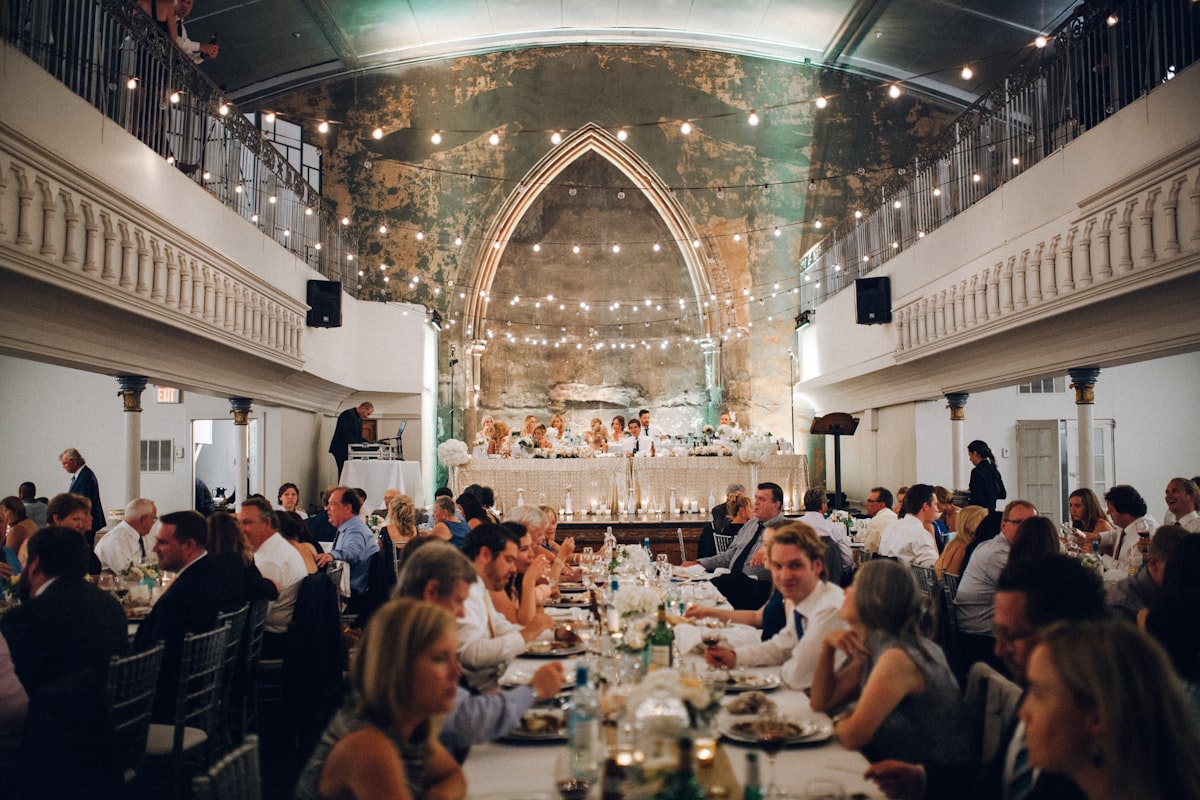
Event Staff-to-Guest Ratios by Service Role

How Much Deposit Do Event Vendors Require?

Micro Wedding Planning Checklist

How to Hire Vendors for Your Wedding

How to Brief Event Staff Before an Event

Cvent Alternatives for Small Event Planners

How to Invoice Event Clients and Get Paid

Event Vendor Performance Scorecard Guide
Event Budgeting Apps: A Practical Guide for Planners

Cut Event Costs Without Sacrificing Quality
Dubsado vs HoneyBook for Event Planners

Event Risk Management Plan Template

Aisle Planner vs HoneyBook for Event Planners

Event Planning Workflow That Keeps Projects on Track

Wedding Planning Software for Portugal

Corporate Event Management Software for Portugal
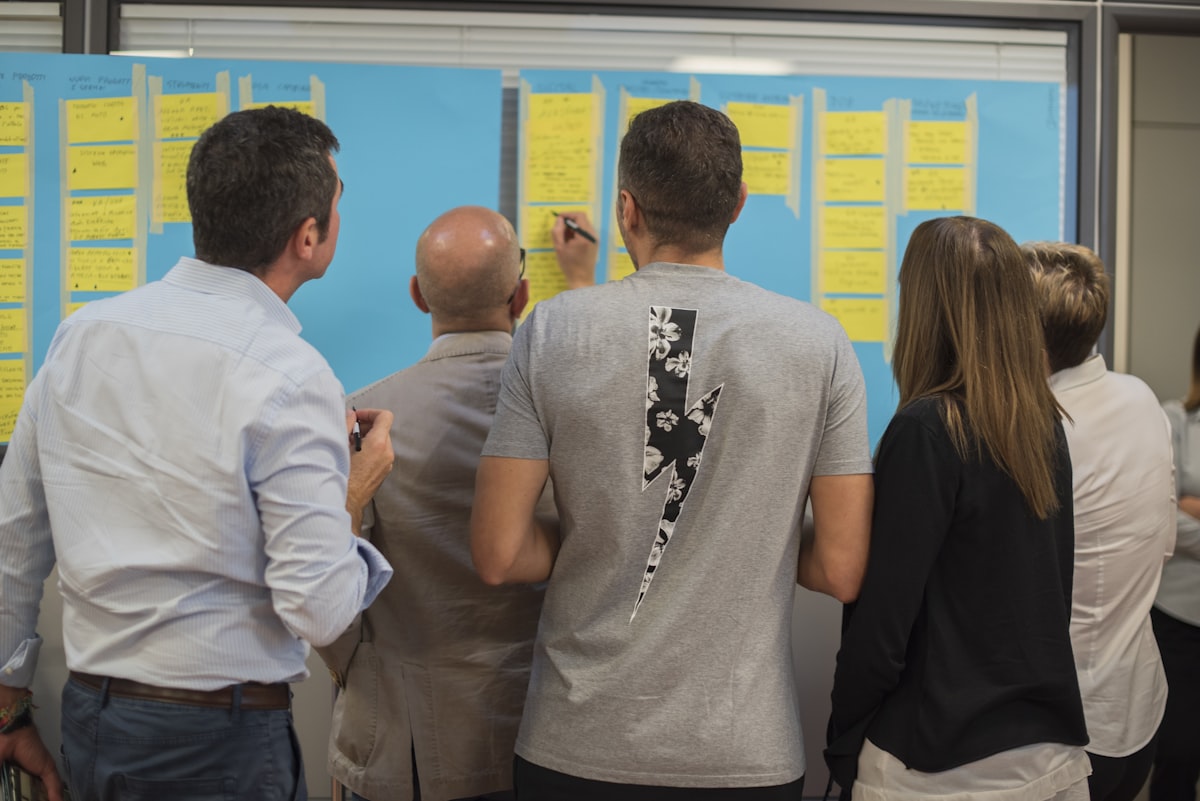
Event Collaboration Tools for Planning Teams

Best Wedding Planner Tools for 2026 (Solo to Team)

Event Cost Breakdown Template for Planners

Event Budget Contingency Planning Guide

Event Management Automation Tools for 2026
5 Planning Pod Alternatives Compared (2026)
Event Day-of Coordination Checklist

How to Negotiate Event Vendor Pricing
Event Client Onboarding Template

Best Event Planning Apps Compared: 2026 Picks for Pros

AI Tools for Event Planning: A Practical Guide

How to Create a Vendor Shortlist for Events
HoneyBook Alternatives for Event Planners

Event Planner Tools for Brazil: A Practical Guide

Free Wedding Planner Tools That Work

Event Planning Checklist: 6 Phases to Cover

Wedding Planning Software: A Guide for Pros

How to Write an Event Proposal That Wins Clients

How to Coordinate Wedding Vendors Like a Pro

Event Vendor Cancelled? Your 3-Step Recovery Plan

Event Vendor Management Tips That Actually Work

5 Signs You've Outgrown Spreadsheets for Event Planning