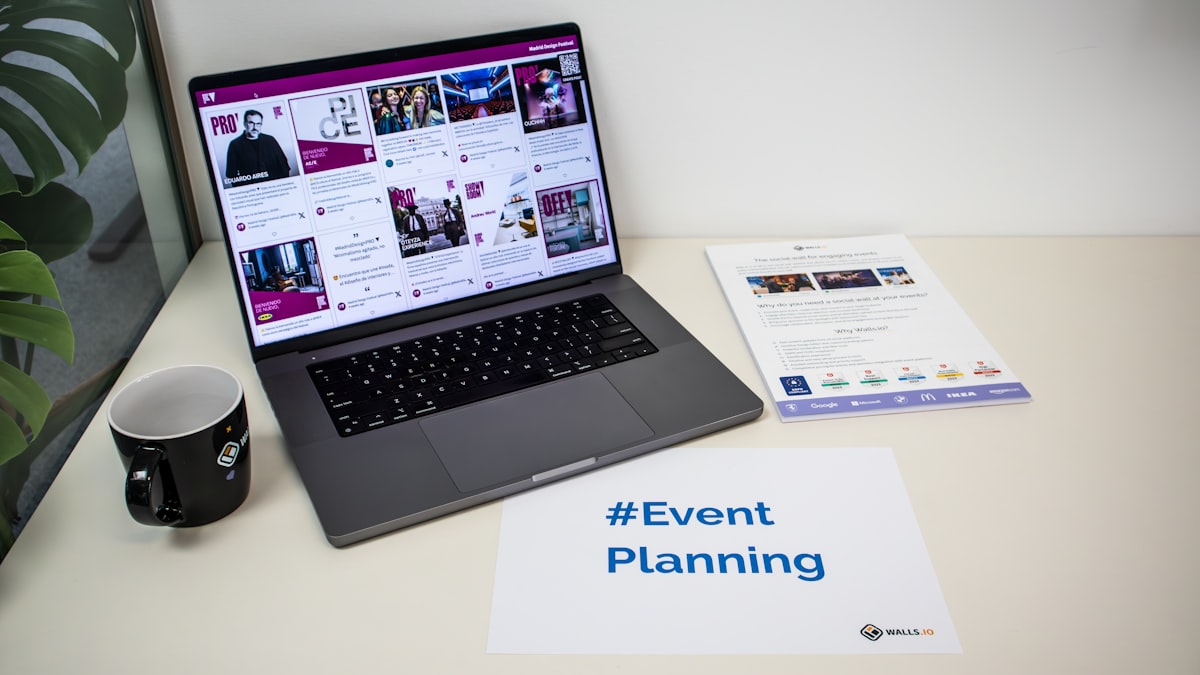
Event planning software pricing ranges from free to over $25,000 per year. That gap makes comparison difficult, especially when every vendor structures pricing differently. Some charge per user, others per event, and a few take a percentage of ticket sales.
This guide breaks down actual pricing across the most common event planning platforms in 2026. You will see what each tier includes, where hidden costs appear, and how to pick a pricing model that matches the way you work.
How Event Planning Software Pricing Works
Event planning software uses four main pricing models. Understanding these models helps you compare platforms even when their pricing pages look completely different.
Per-user, per-month pricing. You pay a monthly fee that scales with your team size. A solo planner pays for one seat. A team of five pays for five. This model is predictable and works well for planners who manage events year-round. Abastio, HoneyBook, and Dubsado all use this approach with tiered plans that unlock more features at each level. Our Dubsado vs HoneyBook comparison for event planners covers the differences between those two in detail.
Per-event pricing. You pay a fee for each event you create or manage. Platforms like Whova and Cvent charge per event, often tiered by attendee count. This model works for organizations that run a few large events per year but gets expensive fast if you manage many smaller events.
Percentage of ticket sales. Ticketing platforms like Eventbrite take a percentage of each ticket sold, plus a flat fee per ticket. This model costs nothing upfront but eats into margins on high-volume events. It also only applies if your events sell tickets, which rules out corporate retreats, weddings, and private functions.
Flat annual contracts. Enterprise platforms like Bizzabo and Cvent offer custom annual pricing starting around $5,000 to $18,000 per year. These contracts include dedicated support, custom integrations, and higher usage limits. They target organizations running 10+ large events annually.
Most planners in the wedding, corporate, and freelance space use per-user monthly pricing. It keeps costs predictable and lets you scale your plan as your business grows.
Price Ranges by Platform Category
Not all event planning software solves the same problem. Pricing reflects those differences. Here is what each category costs in 2026.
Organizer-focused tools ($0 to $200/month). These platforms help you manage clients, vendors, budgets, and timelines. They do not sell tickets or manage attendees. Within this category, two distinct subtypes exist, and pricing reflects the difference.
Client-CRM tools (single-client workflow). Originally built for creative freelancers like photographers and consultants, these tools organize work around one client per project. They cover proposals, contracts, invoicing, and scheduling. Vendors are treated as contacts, not as a coordinated supply chain. Our CRM comparison for event planners evaluates these tools side by side on pipeline features, vendor tracking, and fit by business type.
- HoneyBook: Starter at $19/month (billed annually), Essentials at $39/month, Premium at $79/month. Each tier adds automation and financial tools.
- Dubsado: Starter at $20/month for up to 3 active projects, Premier at $40/month for unlimited projects and custom workflows.
Multi-vendor event tools (event-coordination workflow). Built for organizers who handle 10 to 30 suppliers per event. They include a searchable contractor pool with booking history, event-level budget aggregation across all vendors, and timeline tools that span every supplier. The higher entry price reflects workflow complexity these tools handle natively, rather than through workarounds.
- Planning Pod: Plans start at $59/month for the Planner tier (5 events), rising to $89/month for the Business tier (unlimited events). See our Planning Pod alternatives guide for a full feature and fit comparison.
- Abastio: Free plan for 1 user with 2 active events and 5 contractors. Professional plan at $79/month with unlimited events, full contractor pool with booking history, and event-level budget aggregation. Business plan at $199/month for teams of 3 to 5 users, charged as a flat team rate rather than per seat. See full details on the Abastio pricing page.
Ticketing and registration platforms ($0 + fees per ticket). These focus on attendee management, ticket sales, and check-in. Eventbrite charges 3.7% + $1.79 per paid ticket on its standard plan, though lower-fee alternatives exist for small events. Splash and Bizzabo bundle registration with marketing tools at higher price points.
Enterprise and conference platforms ($5,000 to $25,000+/year). Cvent, Bizzabo, and Swoogo target organizations running large conferences and trade shows. Per-event pricing starts around $1,500 and annual contracts run $5,000 to $25,000+ depending on scale. These include virtual event features, dedicated mobile apps, and analytics dashboards. If you are evaluating Cvent specifically for its diagramming module (formerly Social Tables), our Social Tables alternatives guide covers dedicated diagramming tools at a fraction of the enterprise price.
For solo planners and small teams managing weddings, corporate events, or private functions, organizer-focused tools in the $0 to $200 range cover the core workflow. Our comparison of the best event planning apps evaluates these tools by features if you want a deeper look beyond price.
Free Plans: What You Get and Where They Cut
Every major platform offers a free tier or trial. The real question is whether the free plan works as a starting point or just a limited demo.
Abastio Free (Solo tier). Includes the full multi-vendor workflow: client CRM with Kanban pipeline, contractor pool with categories and booking history, event-level budget tracking across all vendors, and quote generation with PDF export. Caps are on scale (1 user, 2 active events, 5 contractors), not features. You can run two real events end-to-end before deciding whether to upgrade.
HoneyBook Free Trial. A 7-day trial, then you must pick a paid plan. No permanent free tier. This forces a quick decision, which works if you already know HoneyBook fits. It does not work for planners who want to test a tool across a full event cycle.
Dubsado Trial. Three active projects with no time limit. You can run Dubsado for free indefinitely on a small workload. The limitation is project count, not features, making it a solid option for part-time planners.
Eventbrite Free. Free for free events (no ticket fees on unpaid tickets). Paid events incur per-ticket fees immediately. If you run charity galas, community events, or other no-cost gatherings, Eventbrite's free tier is genuinely free.
Planning Pod Trial. A 14-day free trial, then paid plans only. The short window makes it hard to evaluate the tool under real event conditions.
The pattern is clear: organizer tools with permanent free tiers (Abastio, Dubsado) let you test the workflow under real conditions. Platforms with short trials push you toward a paid commitment before you have finished your first event cycle.
Hidden Costs That Inflate Your Software Budget
The monthly subscription price is rarely the full cost. Watch for these additions that can double your effective spend.
Per-attendee surcharges. Some platforms charge based on event size. Whova's pricing jumps from $1,499 to $5,999 depending on attendee count. If your events grow, your costs grow with them, even if your planning effort stays the same.
Setup and onboarding fees. Enterprise platforms often charge $500 to $2,000 for onboarding. Bizzabo and Cvent include setup assistance in annual contracts, but the cost is baked into the contract price.
Add-on modules. Features you assumed were included, like email marketing, mobile check-in, or badge printing, often sit behind separate paywalls. Ask which features require add-ons before committing to any platform.
Payment processing fees. If the platform processes payments for you (invoices, deposits, ticket sales), expect 2.5% to 3.5% plus $0.30 per transaction. A $50,000 wedding with a 3% processing fee costs $1,500 in transaction charges alone.
Data export restrictions. Some platforms limit data export on lower tiers. If you ever switch tools, you want full export access to your client records, vendor lists, and event history. Check export capabilities before you sign up.
Build a total-cost-of-ownership estimate before comparing platforms. A $20/month tool with $50/month in add-ons costs more than a $60/month tool that includes everything. Our free budget calculator helps you model total event costs by type and guest count.
How to Match Pricing to Your Event Business
The right plan depends on three factors: how many events you run per year, how large your team is, and which workflow steps consume the most time.
Solo planners running 1 to 5 events per year. Start with a free tier. Abastio's Solo plan or Dubsado's trial covers this workload at zero cost. Test the tool across at least one full event cycle before upgrading. You need to see how it handles vendor coordination, client communication, and budget tracking under real pressure. If you are freelancing and want to understand how to structure your full tool stack before committing to any single platform, our freelance event planner toolkit guide covers the minimum capabilities you need and what to consolidate first. If you are still running your events on spreadsheets, our guide on signs you have outgrown spreadsheets can help you decide when to make the switch.
Solo planners running 10 to 20 events per year. A mid-range plan ($40 to $90/month) unlocks features that matter at this volume: unlimited active events, larger contractor pools, template libraries, and reporting. At this scale, the decision is less about price and more about workflow fit. If you handle a handful of vendors per event, a single-client CRM at $40 may cover you. If you regularly coordinate 15+ suppliers per event, a multi-vendor tool at $60 to $90 pays for itself the first time you change a vendor and see the event budget update without rebuilding it manually.
Small teams of 3 to 5 people. You need multi-user access with role-based permissions. Plans in the $100 to $200/month range cover this. Compare per-user pricing versus flat team pricing carefully. Per-user pricing gets expensive when you add staff. Abastio's Business plan ($199/month for 3 to 5 users) charges a flat team rate rather than multiplying per seat.
Agencies and large firms. If you run 50+ events per year with more than 5 team members, enterprise plans or agency-tier pricing makes sense. At this level, negotiate directly with vendors. Published pricing is a starting point, not a ceiling.
For any plan, run the math on your last 6 months of events. Count the hours you spent on tasks the software handles: sending quotes, tracking vendor confirmations, building budgets. If the tool saves you 5 hours per event at $50/hour, that is $250 per event. A $79/month plan pays for itself after one event per quarter. Start with a free plan and track the actual time savings before committing to a paid tier.
Bizzabo Pricing: What Enterprise Event Plans Include
Bizzabo appears in more event software pricing searches than almost any other enterprise platform, yet its pricing is the least transparent in the category. Understanding what Bizzabo charges helps you decide whether the investment fits your event business.
Bizzabo does not publish pricing on its website. All plans require a sales conversation, and annual contracts typically start between $5,000 and $18,000 depending on event volume, attendee count, and the modules you need. Organizations running fewer than five events per year rarely find the per-event cost justifiable.
What Bizzabo includes at the enterprise tier. Event registration and check-in with branded experiences, attendee networking features, session management for multi-track conferences, email marketing tools, a branded mobile event app, analytics dashboards, and integrations with CRM platforms like Salesforce and HubSpot. Dedicated account management and onboarding support come standard with annual contracts.
Where Bizzabo pricing makes sense. Companies running 10 or more conferences, summits, or trade shows per year with 500+ attendees per event. At that scale, the per-event cost drops to a range where the built-in marketing, networking, and analytics tools replace multiple standalone subscriptions.
Where Bizzabo pricing does not make sense. Solo planners, small teams managing weddings or private events, and organizations running fewer than five events annually. The minimum contract cost exceeds what most small businesses spend on software in an entire year. For those teams, organizer-focused tools in the $0 to $200/month range cover the core workflow without the enterprise overhead. If you are evaluating Bizzabo alongside other enterprise options, our comparison of Bizzabo alternatives covers platforms at different price points.
Frequently Asked Questions
What is the average cost of event planning software in 2026?
For solo planners and small teams, expect $0 to $200 per month depending on the platform and tier. Single-client CRM tools like HoneyBook and Dubsado run $19 to $40/month for individual plans. Multi-vendor event tools like Planning Pod and Abastio run $59 to $90/month, reflecting the more specialized workflow. Enterprise platforms run $5,000 to $25,000+ per year.
Are free event planning software plans worth using?
Yes, for planners running fewer than 5 events per year. Free plans from Abastio and Dubsado include core features like client management, budgeting, and project tracking. The limits are on scale (number of events or contractors), not functionality. Test a free plan across one full event before deciding to upgrade.
How do I compare event planning software pricing fairly?
List every cost: subscription fee, per-attendee charges, payment processing fees, add-on modules, and setup fees. Then compare total cost of ownership, not just the sticker price. A $20/month plan with $50 in add-ons costs more than a $60/month plan that bundles everything. Also factor in time savings per event, which often outweighs the subscription difference.
Should I choose per-event or per-month pricing?
Per-month pricing works better for planners running events throughout the year. The cost stays predictable regardless of event count. Per-event pricing suits organizations that run a few large events annually. Calculate your annual event volume and multiply by the per-event price to see which model costs less over 12 months.
When should I upgrade from a free to a paid plan?
Upgrade when you hit a limit that affects your workflow: too few active events, not enough contractor slots, or missing features like team access or advanced reporting. If you find yourself working around the software's constraints rather than working within them, the paid plan is worth the cost. Most planners upgrade within 3 to 6 months of consistent use.
Ready to simplify your event management?
Try Abastio free and see how it streamlines vendor coordination.
Start freeMore posts

Event Subcontractor Agreement Template

Destination Wedding Vendor Coordination Guide

Post-Event Vendor Debrief Template

Wedding Timeline Software: A Planner's Guide

Event Setup and Teardown Checklist for Planners

Wedding Vendor Checklist Template for Planners

How to Handle Last-Minute Event Changes

How to Create an Event Run Sheet (Step by Step)

Event Logistics Planning Guide for Organizers

How to Manage Corporate Event Vendors

Client Communication Tips for Event Planners
Planning Pod vs HoneyBook: Which Fits Your Events?
Event Cost per Attendee Calculator and Guide

How to Create a Vendor Management System for Events

Event Staffing Software for Small Business Teams

Whova Alternatives for Event Planners in 2026

Eventbrite Alternatives for Small Events in 2026

Event Vendor Insurance Requirements Checklist

How to Choose Event Management Software
Best Invoicing Software for Event Planners (2026)

Wedding Vendor Payment Schedule Template
Event Planner Markup Percentage by Vendor Type

Bizzabo Alternatives for Event Planners

Vendor Relationship Management for Event Planners
Event Cost Calculator: Estimate Your Budget Right

Event Contractor Payment Tracking Tools for Planners

Event Communication Plan Template for Planners

How to Create Event Planning Packages

Event Insurance Cost: What Percentage of Your Budget

Social Tables Alternatives for Event Planners

How to Avoid Hidden Vendor Fees at Events
Corporate Event Planning Checklist for 2026

Post-Event Evaluation Template for Planners

Event Workflow Software: A Practical Guide

Propared Alternatives for Event Planners

Best Software for Managing Event Contractors

Wedding Planner Commission Rate Guide for 2026

Best CRM for Event Planners in 2026

Event Coordinator Tools for Portugal

Event Planner CRM: What to Look For in 2026
Vendor Contract Red Flags for Event Planners

Tripleseat Alternatives for Independent Planners

Event Catering Cost per Person by Event Type

Freelance Event Planner Toolkit for 2026

Wedding Vendor Management Spreadsheet Template

Subcontractor Management for Events in Portugal

Hidden Costs of Event Planning You Need to Know

Event Planner Pricing Calculator: Set Your Fees
Event RFP Template for Professional Planners

How Much to Tip Event Staff and Vendors

Event Staff-to-Guest Ratios by Service Role

How Much Deposit Do Event Vendors Require?

Micro Wedding Planning Checklist

How to Hire Vendors for Your Wedding

How to Brief Event Staff Before an Event

Cvent Alternatives for Small Event Planners

How to Invoice Event Clients and Get Paid

Event Vendor Performance Scorecard Guide
Event Budgeting Apps: A Practical Guide for Planners

Cut Event Costs Without Sacrificing Quality
Dubsado vs HoneyBook for Event Planners

Event Risk Management Plan Template

Aisle Planner vs HoneyBook for Event Planners

Event Planning Workflow That Keeps Projects on Track

Wedding Planning Software for Portugal

Corporate Event Management Software for Portugal
Event Collaboration Tools for Planning Teams

Best Wedding Planner Tools for 2026 (Solo to Team)

Event Cost Breakdown Template for Planners

Event Budget Contingency Planning Guide

Event Management Automation Tools for 2026
5 Planning Pod Alternatives Compared (2026)
Event Day-of Coordination Checklist

How to Negotiate Event Vendor Pricing
Event Client Onboarding Template

Best Event Planning Apps Compared: 2026 Picks for Pros

AI Tools for Event Planning: A Practical Guide

How to Create a Vendor Shortlist for Events
HoneyBook Alternatives for Event Planners

Event Planner Tools for Brazil: A Practical Guide

Free Wedding Planner Tools That Work

Event Planning Checklist: 6 Phases to Cover

Wedding Planning Software: A Guide for Pros

How to Write an Event Proposal That Wins Clients

How to Coordinate Wedding Vendors Like a Pro

Event Vendor Cancelled? Your 3-Step Recovery Plan

Event Vendor Management Tips That Actually Work

5 Signs You've Outgrown Spreadsheets for Event Planning