
Running events in Portugal means working with subcontractors. Caterers, photographers, AV technicians, florists, decorators, entertainment acts, transport providers, and security teams all operate as independent suppliers. The event organizer's job is to coordinate them into a single, seamless production.
Portugal's event market has its own rules. Supplier relationships tend to be personal and long-term. Legal frameworks around independent contracting differ from the US or UK. Seasonal demand spikes around wedding season (May through October) and corporate Q4 create bottlenecks that catch unprepared planners off guard. Whether you organize weddings at quintas in the Alentejo, corporate conferences in Lisbon, or music festivals in Porto, effective subcontractor management determines whether your event runs smoothly or falls apart.
This guide covers the practical steps for managing event subcontractors in Portugal, from building your supplier network to handling contracts, payments, and day-of coordination.
Build a Reliable Local Supplier Network
Portugal's event industry runs on relationships. Unlike markets where you browse online directories and book vendors sight unseen, Portuguese event organizers build supplier networks through referrals, repeated collaboration, and face-to-face meetings.
Start by identifying the supplier categories you need for your event types. A typical wedding requires 8 to 12 subcontractor categories: venue, catering, photography, videography, floral design, decoration, entertainment, sound and lighting, transport, and sometimes hair and makeup or officiant services. Corporate events shift the mix toward AV production, staging, simultaneous translation, and branded materials.
For each category, maintain at least two vetted suppliers. Portugal's market is small enough that a single cancellation can leave you scrambling if you rely on only one provider per category. Track each supplier's contact details, service area (Lisbon, Porto, Algarve, or nationwide), pricing tier, and past performance in a centralized system rather than scattered WhatsApp chats and email threads.
Attend industry events like the BTL tourism fair in Lisbon or regional wedding expos to meet new suppliers. If you focus on weddings, our guide on how to hire vendors for weddings covers the evaluation process in detail. Ask existing subcontractors for referrals. In Portugal, a personal introduction carries more weight than a cold email.
Structure Contracts for Portuguese Market Conditions
Every subcontractor relationship needs a written agreement, even when the working relationship feels informal. Portuguese event subcontractors typically operate as sole traders (trabalhadores independentes) issuing recibos verdes (green receipts) for their services.
Your contracts should cover these essentials:
Scope of work. Define exactly what the subcontractor delivers, including quantities, timelines, setup and teardown windows, and any equipment they bring versus what you provide. Vague scopes lead to disputes on event day. Our event subcontractor agreement template covers all seven essential sections with clause-by-clause guidance.
Payment terms. Standard practice in Portugal's event industry is a deposit (typically 30% to 50%) upon booking confirmation, with the balance due 7 to 14 days before the event. Some high-demand suppliers, especially during peak wedding season, require full payment 30 days in advance. Specify amounts, deadlines, and accepted payment methods (bank transfer via MB Way or direct IBAN transfer is most common).
Cancellation and force majeure. Define what happens if either party cancels. A solid vendor cancellation contingency plan covers your recovery protocol. Include weather-related clauses for outdoor events at quintas, which are common in Portugal. Specify refund percentages based on notice period: full refund for 60+ days, 50% for 30 to 60 days, no refund under 30 days is a typical structure.
Insurance and liability. Confirm each subcontractor carries their own professional liability insurance. For high-risk services like pyrotechnics, rigging, or large-scale AV installations, request proof of insurance before signing.
Handle Payments and Tax Compliance
Portugal's tax framework for independent contractors affects how you pay and document subcontractor work. Understanding the basics protects both you and your suppliers.
Subcontractors registered as sole traders issue recibos verdes through Portugal's tax authority (Autoridade Tributária). When you receive a service, the subcontractor issues an electronic receipt that serves as their invoice. Keep these receipts organized by event for your own accounting.
VAT (IVA) applies to most event services at the standard rate of 23%. Some subcontractors operating below the annual revenue threshold may be VAT-exempt. Confirm each supplier's VAT status before finalizing pricing so your budget reflects the actual cost.
Pay by bank transfer and keep transaction records. Cash payments are legal but harder to document and can create compliance headaches during tax audits. For international subcontractors (common for destination weddings), confirm IBAN details and factor in any transfer fees.
Track all subcontractor payments against your event budget in real time. Waiting until after the event to reconcile payments leads to missed invoices and budget overruns. Tools like Abastio let you assign budget line items per contractor and track actual spend against planned costs as payments go out.
Coordinate Communication and Logistics
Portuguese event subcontractors expect a specific communication rhythm. Getting this right reduces friction and builds the kind of relationships that lead to priority booking during peak season.
Initial briefing. Share a detailed event brief with every subcontractor at least 4 weeks before the event. Include the event date, venue address, load-in schedule, contact person on site, parking arrangements, and any venue-specific restrictions (noise curfews are common at quintas and historical venues in Portugal).
Pre-event confirmation. One week before the event, send a confirmation message to every subcontractor. Restate arrival time, setup location, and any changes since the initial brief. WhatsApp is the standard communication channel for Portuguese event suppliers. Create a broadcast list or group for each event, but keep day-of communication to direct messages to avoid information overload.
Day-of coordination. Assign a point person for subcontractor check-in. When multiple suppliers arrive at the same venue within a tight window, someone needs to direct traffic, confirm setup zones, and handle last-minute adjustments. Share a simple timeline document (not a 30-page production manual) with key milestones: load-in start, setup complete, event start, last call, teardown start.
Post-event follow-up. Within a week of the event, review each subcontractor's performance. Note what went well, what caused problems, and whether you would book them again. This feedback loop, stored in your contractor management system, builds institutional knowledge that makes every subsequent event smoother.
Navigate Seasonal Demand and Booking Timelines
Portugal's event calendar creates predictable pressure points that affect subcontractor availability and pricing.
Wedding season (May through October) absorbs the majority of supplier capacity, especially in the Algarve and Lisbon regions. Top photographers, videographers, and floral designers book 12 to 18 months in advance for Saturday weddings. If you plan events during this window, secure your key subcontractors as early as possible and confirm with signed contracts, not verbal agreements.
Corporate Q4 (September through December) overlaps with the tail end of wedding season, creating a second demand spike for AV companies, catering firms, and venue staff. Lisbon and Porto see the heaviest corporate event concentration.
Off-season advantages (November through March) offer more supplier availability and sometimes lower rates. Some subcontractors offer 10% to 15% discounts for events booked in January through March. If your event dates are flexible, shifting to off-season can reduce costs and give you access to suppliers who are fully booked during peak months.
Plan your subcontractor booking timeline around these patterns. For peak-season events, book core suppliers (venue, catering, photography) 9 to 12 months ahead. For supporting suppliers (decoration, entertainment, transport), 3 to 6 months is usually sufficient. Off-season events give you more flexibility, but still confirm bookings at least 6 to 8 weeks in advance.
Tracking your full supplier roster, booking status, and upcoming availability in one place prevents the kind of last-minute scramble that damages both your event quality and your professional reputation. Platforms like Abastio centralize your contractor pool with tags, booking tracking, and event-level cost aggregation, so you see exactly which suppliers are confirmed and which still need follow-up. See how it compares on our pricing page.
Frequently Asked Questions
How many subcontractors does a typical event in Portugal require?
A standard wedding in Portugal involves 8 to 12 subcontractor categories, while corporate conferences typically require 5 to 8. Large-scale festivals or multi-day events can involve 20 or more independent suppliers. The exact number depends on event size, venue capabilities (some quintas include in-house catering), and how much production you handle in-house versus outsourcing.
What payment methods do Portuguese event subcontractors prefer?
Bank transfer via IBAN is the standard payment method for Portuguese event suppliers. MB Way (a mobile payment platform widely used in Portugal) is increasingly common for smaller payments or deposits. Credit card payments are less common in B2B event transactions. Always request a recibo verde (electronic receipt) from each subcontractor for your accounting records.
Do I need written contracts with every event subcontractor in Portugal?
Yes. Even when working with suppliers you have booked many times before, a written agreement protects both parties. Portuguese courts recognize informal agreements, but proving terms without documentation is difficult. At minimum, confirm scope of work, payment schedule, cancellation terms, and setup/teardown times in writing. Email confirmations with specific terms can serve as lightweight contracts for lower-value services.
How far in advance should I book subcontractors for a peak-season event in Portugal?
For peak wedding season (May through October), book core suppliers 9 to 12 months in advance. Popular photographers, videographers, and top-tier caterers in the Algarve and Lisbon regions often fill their Saturday calendars more than a year ahead. Supporting suppliers like florists, decorators, and transport can typically be secured 3 to 6 months before the event.
How do I handle subcontractor no-shows or last-minute cancellations?
Prevention is the best strategy. Include cancellation penalties in your contracts, confirm attendance one week and again 48 hours before the event, and maintain backup suppliers for every critical category. If a cancellation happens despite these measures, activate your backup contact immediately, inform the client with a solution (not just the problem), and document the incident for future reference. After the event, review whether the cancelled subcontractor should remain in your active supplier pool.
Ready to simplify your event management?
Try Abastio free and see how it streamlines vendor coordination.
Start freeMore posts

Event Subcontractor Agreement Template

Destination Wedding Vendor Coordination Guide

Post-Event Vendor Debrief Template

Wedding Timeline Software: A Planner's Guide

Event Setup and Teardown Checklist for Planners

Wedding Vendor Checklist Template for Planners

How to Handle Last-Minute Event Changes

How to Create an Event Run Sheet (Step by Step)

Event Logistics Planning Guide for Organizers

How to Manage Corporate Event Vendors

Client Communication Tips for Event Planners

Planning Pod vs HoneyBook: Which Fits Your Events?

Event Cost per Attendee Calculator and Guide

How to Create a Vendor Management System for Events

Event Staffing Software for Small Business Teams

Whova Alternatives for Event Planners in 2026

Eventbrite Alternatives for Small Events in 2026

Event Vendor Insurance Requirements Checklist

How to Choose Event Management Software
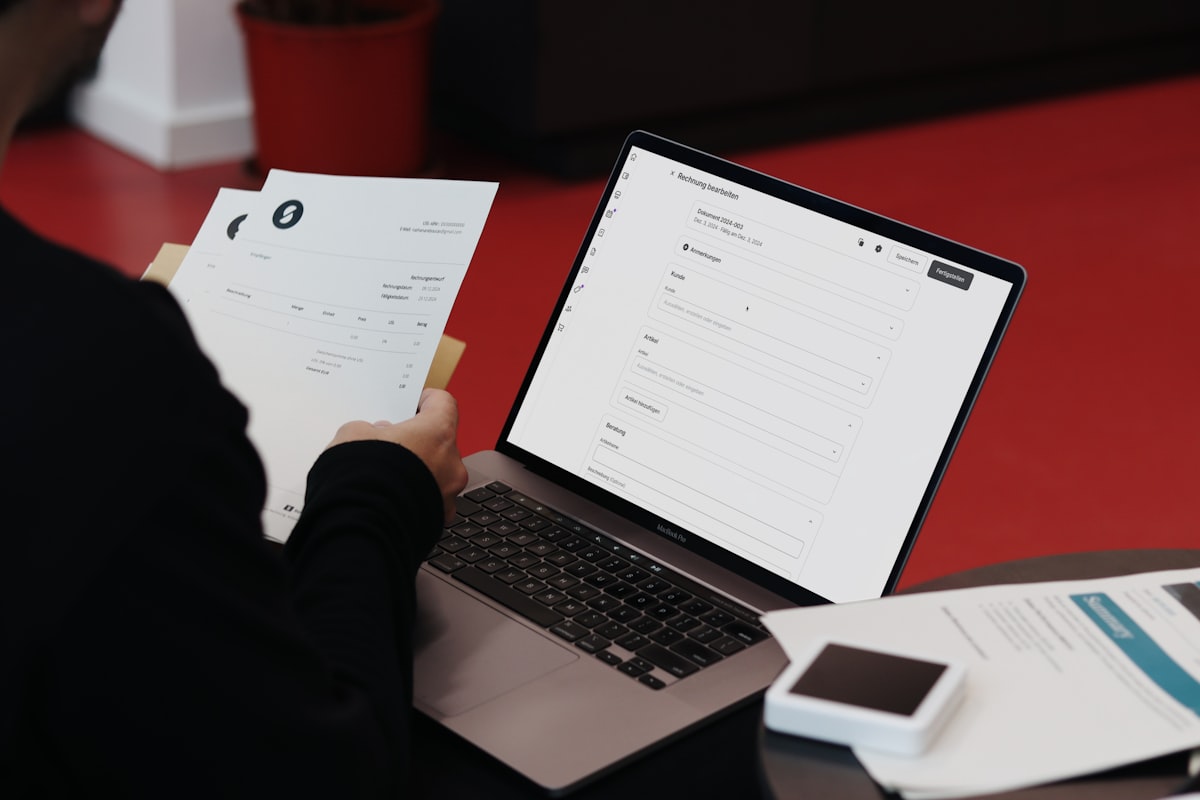
Best Invoicing Software for Event Planners (2026)

Wedding Vendor Payment Schedule Template
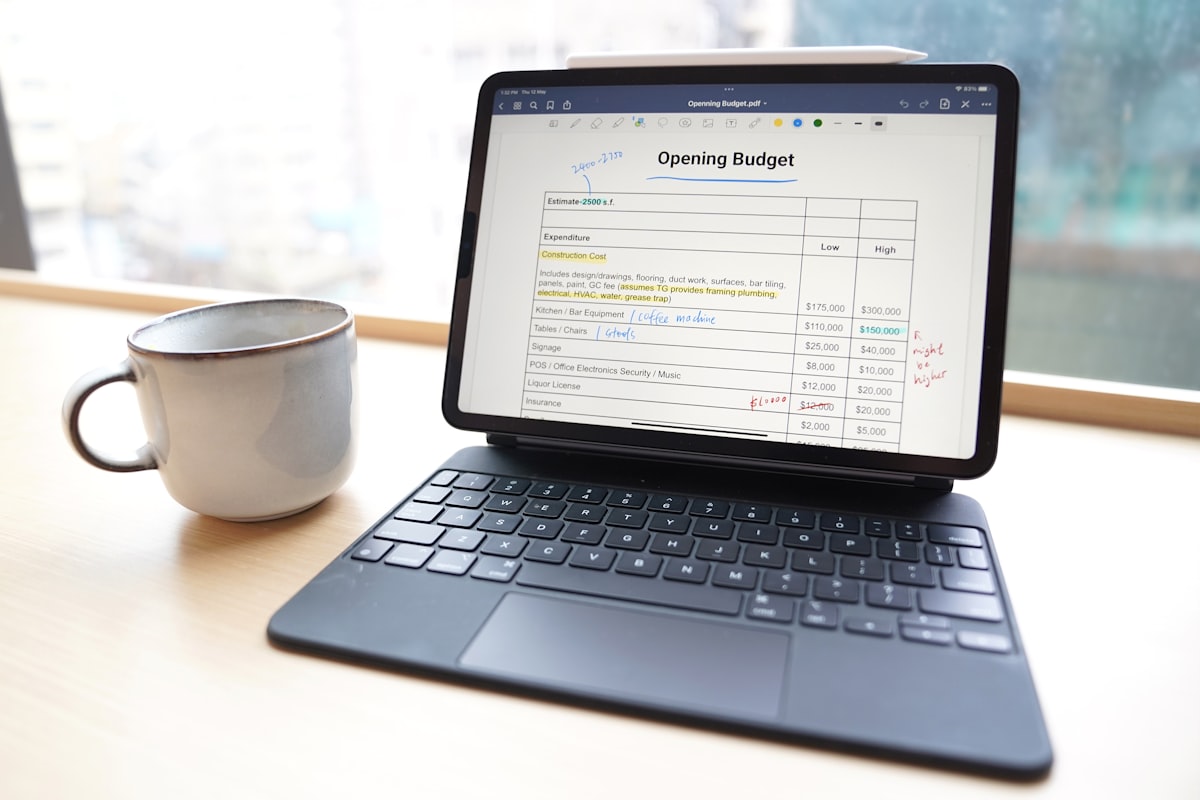
Event Planner Markup Percentage by Vendor Type

Bizzabo Alternatives for Event Planners

Vendor Relationship Management for Event Planners

Event Cost Calculator: Estimate Your Budget Right

Event Contractor Payment Tracking Tools for Planners

Event Communication Plan Template for Planners

How to Create Event Planning Packages

Event Insurance Cost: What Percentage of Your Budget

Social Tables Alternatives for Event Planners

How to Avoid Hidden Vendor Fees at Events

Corporate Event Planning Checklist for 2026

Post-Event Evaluation Template for Planners

Event Workflow Software: A Practical Guide

Propared Alternatives for Event Planners

Best Software for Managing Event Contractors

Wedding Planner Commission Rate Guide for 2026

Best CRM for Event Planners in 2026
Event Coordinator Tools for Portugal

Event Planner CRM: What to Look For in 2026
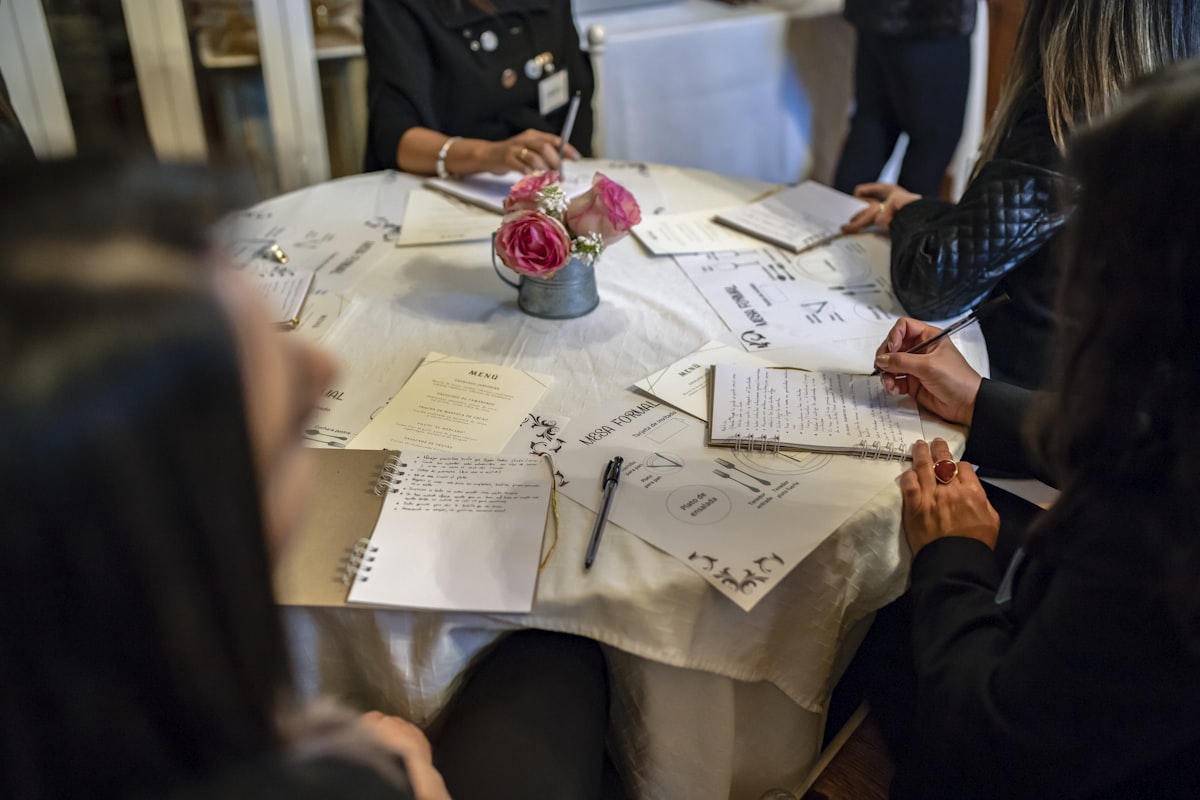
Vendor Contract Red Flags for Event Planners

Tripleseat Alternatives for Independent Planners

Event Catering Cost per Person by Event Type

Freelance Event Planner Toolkit for 2026

Wedding Vendor Management Spreadsheet Template

Hidden Costs of Event Planning You Need to Know
Event Planning Software Pricing Compared

Event Planner Pricing Calculator: Set Your Fees
Event RFP Template for Professional Planners

How Much to Tip Event Staff and Vendors

Event Staff-to-Guest Ratios by Service Role

How Much Deposit Do Event Vendors Require?

Micro Wedding Planning Checklist

How to Hire Vendors for Your Wedding

How to Brief Event Staff Before an Event

Cvent Alternatives for Small Event Planners

How to Invoice Event Clients and Get Paid

Event Vendor Performance Scorecard Guide
Event Budgeting Apps: A Practical Guide for Planners

Cut Event Costs Without Sacrificing Quality

Dubsado vs HoneyBook for Event Planners

Event Risk Management Plan Template

Aisle Planner vs HoneyBook for Event Planners

Event Planning Workflow That Keeps Projects on Track

Wedding Planning Software for Portugal

Corporate Event Management Software for Portugal
Event Collaboration Tools for Planning Teams

Best Wedding Planner Tools for 2026 (Solo to Team)

Event Cost Breakdown Template for Planners

Event Budget Contingency Planning Guide

Event Management Automation Tools for 2026
5 Planning Pod Alternatives Compared (2026)

Event Day-of Coordination Checklist

How to Negotiate Event Vendor Pricing
Event Client Onboarding Template

Best Event Planning Apps Compared: 2026 Picks for Pros

AI Tools for Event Planning: A Practical Guide

How to Create a Vendor Shortlist for Events
HoneyBook Alternatives for Event Planners

Event Planner Tools for Brazil: A Practical Guide

Free Wedding Planner Tools That Work

Event Planning Checklist: 6 Phases to Cover

Wedding Planning Software: A Guide for Pros

How to Write an Event Proposal That Wins Clients

How to Coordinate Wedding Vendors Like a Pro

Event Vendor Cancelled? Your 3-Step Recovery Plan

Event Vendor Management Tips That Actually Work

5 Signs You've Outgrown Spreadsheets for Event Planning