
Tripleseat handles event sales and booking for restaurants, hotels, and venues. It captures leads, manages BEOs (banquet event orders), and tracks room availability. If you run a venue, it works. If you are an independent planner who coordinates events across multiple venues with dozens of sub-contractors, Tripleseat is built for a different job.
This guide covers Tripleseat alternatives that actually fit independent planners: tools built for vendor management, client relationships, and budget tracking without the venue-centric features you will never use.
Why Tripleseat Does Not Fit Independent Planners
Tripleseat was designed for a specific workflow: a restaurant or hotel receives an event inquiry, the sales team creates a BEO, the venue manages the space, and the kitchen handles catering. Every feature supports that model.
Independent planners work differently. You book a venue as one of 15 to 30 vendors. You manage florists, caterers, DJs, lighting crews, and photographers across multiple events simultaneously. Your workflow centers on coordinating external contractors, not managing an internal venue team.
Here is where the mismatch shows up:
Lead management in Tripleseat tracks venue inquiries. Independent planners need a client CRM that follows a lead from initial consultation through contract, deposit, planning, and event execution. The pipeline is relationship-driven, not space-driven.
BEOs assume in-house food and beverage. You work with external caterers. You need a vendor database with contact details, booking status, and cost tracking per contractor per event.
Room management is irrelevant. You care about who is doing what at which venue, not about room capacity or floor plans. A contractor management tool with booking tracking serves you better than a venue availability calendar.
If you have been trying to make Tripleseat work for your planning business, the friction you feel is real. The tool is solving a different problem. For a broader look at event planning tools and how they compare, our complete event planning apps guide covers the full landscape.
What Independent Planners Need in Event Software
Before evaluating alternatives, define what your daily workflow demands. Most independent planners need these five capabilities:
Vendor coordination at scale. You manage 15 to 50 contractors per event. You need a central database with contact details, tags, availability, and booking status. When a florist cancels, you need to find a replacement in your pool within minutes, not hours. Our vendor management tips guide covers the operational side of this workflow.
Client pipeline management. Leads come from referrals, social media, and directories. You need a pipeline (Kanban boards work well) that tracks every prospect from inquiry to signed contract. Missing a follow-up loses you a client.
Event-level budgeting. Each event has its own budget with line items tied to specific vendors. You need to track quoted costs, actual costs, and payments per contractor. Spreadsheets handle this until you are managing five or more events simultaneously.
Quote and proposal generation. Clients expect professional quotes with plan tiers and clear pricing. You need a tool that builds quotes from your service catalog and exports them as clean PDFs.
Team access controls. If you work with assistants or a small team, role-based access keeps everyone aligned without giving everyone admin-level control.
Top Tripleseat Alternatives for Independent Planners
These tools serve independent planners who coordinate events across venues rather than managing a single space.
Abastio: Contractor Management and Client CRM
Abastio was built for event organizers who manage sub-contractors. It combines a Kanban-style client pipeline with a contractor pool, event-level budgeting, and quote generation with PDF export. The calendar shows events and bookings across month, week, and day views.
What makes it relevant here: Abastio is organizer-facing. You manage your clients and contractors from one dashboard. The contractor database supports tags and booking tracking, so you can filter by category (catering, photography, lighting) and see who is available for a given date. Budget tracking aggregates costs per event, and you can generate tiered quotes for clients directly.
The free tier (Solo plan) supports 1 user, 2 active events, and 5 contractors. Paid plans scale to teams of 5+ users with unlimited contractors. If your main pain point is coordinating a large vendor roster while tracking client relationships, Abastio covers both without venue-centric features getting in the way. Start with the free plan to test it with a real event.
HoneyBook: Client-Facing Workflows
HoneyBook is popular among creative professionals and event planners who prioritize the client experience. It handles proposals, contracts, invoicing, and online payments in one flow. Clients can view proposals, sign contracts, and pay deposits through a branded portal.
For independent planners, HoneyBook works best on the business side: closing clients, collecting payments, and automating follow-ups. It is weaker on vendor coordination. You will not find a contractor database, vendor booking tracking, or event-level cost aggregation. If you need both client management and vendor coordination, HoneyBook pairs well with a separate operations tool. For a deeper look, our HoneyBook alternatives guide covers where it excels and where it falls short.
Dubsado: Automation for High-Volume Planners
Dubsado appeals to planners who handle a high volume of inquiries and want to automate onboarding. Custom workflows trigger emails, questionnaires, and task assignments based on client actions. The setup takes time, but the automation reduces repetitive admin work.
The trade-off: Dubsado focuses on client management and admin automation, not event operations. Vendor management, budget tracking, and day-of coordination require separate tools. If you are deciding between Dubsado and HoneyBook, our side-by-side comparison covers pricing, workflows, and which fits event planners better.
Planning Pod: End-to-End Event Management
Planning Pod offers a broad feature set: task management, budgets, floor plans, vendor tracking, guest lists, and timelines. It tries to cover every aspect of event management in one platform.
The breadth is both a strength and a weakness. Planning Pod works well for planners who want everything in one tool and are willing to invest time in setup. The learning curve is steeper than more focused alternatives, and pricing starts higher than most options on this list. For a full breakdown, see our Planning Pod alternatives guide.
Aisle Planner: Wedding-Specific Tools
Aisle Planner is built for wedding planners. It combines design boards, timelines, checklists, and vendor coordination in a wedding-focused interface. If weddings are your primary business, it offers workflows designed for that niche.
The limitation: Aisle Planner is optimized for weddings, not corporate events, conferences, or music shows. If you work across event types, a more general tool gives you more flexibility. Our Aisle Planner vs HoneyBook comparison covers how these two wedding-popular tools differ.
How to Pick the Right Alternative
The right tool depends on your biggest operational bottleneck, not the longest feature list.
If vendor coordination is your primary pain point, you need a contractor database with booking tracking and per-event cost aggregation. Abastio was built for this workflow. Planning Pod also covers vendor management, but with more complexity. For a broader toolkit perspective, our freelance event planner toolkit guide covers how to assemble a lean stack without overspending.
If closing clients and collecting payments drives your business, HoneyBook or Dubsado handle proposals, contracts, and invoicing better than any operations-focused tool. You will likely pair one of these with a separate vendor management solution.
If you want one tool for everything, Planning Pod comes closest, but prepare for a longer setup process and higher monthly cost. Check our event planning software pricing comparison to see how these tools compare on cost. If you are evaluating conference-scale platforms like Bizzabo alongside independent planner tools, our Bizzabo alternatives guide covers that comparison.
If weddings are your only event type, Aisle Planner offers wedding-specific workflows that general tools lack. But if you also handle corporate events or social gatherings, a general-purpose planner tool adapts better.
Most experienced planners settle on two tools: one for event operations (vendor management, budgets, timelines) and one for client management (proposals, contracts, payments). Two focused tools outperform one tool stretched past its strengths.
Frequently Asked Questions
Is Tripleseat only for venues and restaurants?
Tripleseat is designed primarily for hospitality venues: restaurants, hotels, conference centers, and event spaces. Its core features (BEOs, room management, lead capture for spaces) serve venue operators. Independent planners who coordinate events across multiple venues will find most of these features irrelevant to their workflow.
Can I use Tripleseat and another tool together?
Yes, but the overlap creates more work than it saves. Tripleseat handles venue-side operations while your planning tool handles vendor coordination and client management. Most independent planners find it simpler to use a single platform built for their workflow rather than adapting a venue tool alongside a separate operations tool.
What is the most affordable Tripleseat alternative for solo planners?
Abastio offers a free Solo plan (1 user, 2 active events, 5 contractors) with no credit card required. HoneyBook starts at $19/month after a 7-day trial. Dubsado offers a free starter plan with limited clients. For detailed pricing across tools, see our pricing comparison guide.
Do any Tripleseat alternatives handle both vendor management and client invoicing?
Most tools specialize in one area or the other. Abastio focuses on vendor management and client pipeline tracking with quote generation. HoneyBook and Dubsado focus on client invoicing and proposals. Planning Pod attempts both but with higher complexity and cost. The common pattern is pairing an operations tool with a client management tool.
How do I migrate from Tripleseat to a different platform?
Export your client contacts, event history, and vendor lists from Tripleseat first. Most alternatives let you import contacts via CSV. Rebuild your active event records in the new tool while keeping Tripleseat active for past event reference. Plan for a 2 to 4 week overlap period where both systems run in parallel before fully switching.
Ready to simplify your event management?
Try Abastio free and see how it streamlines vendor coordination.
Start freeMore posts

Event Subcontractor Agreement Template

Destination Wedding Vendor Coordination Guide

Post-Event Vendor Debrief Template

Wedding Timeline Software: A Planner's Guide

Event Setup and Teardown Checklist for Planners

Wedding Vendor Checklist Template for Planners

How to Handle Last-Minute Event Changes

How to Create an Event Run Sheet (Step by Step)

Event Logistics Planning Guide for Organizers

How to Manage Corporate Event Vendors

Client Communication Tips for Event Planners
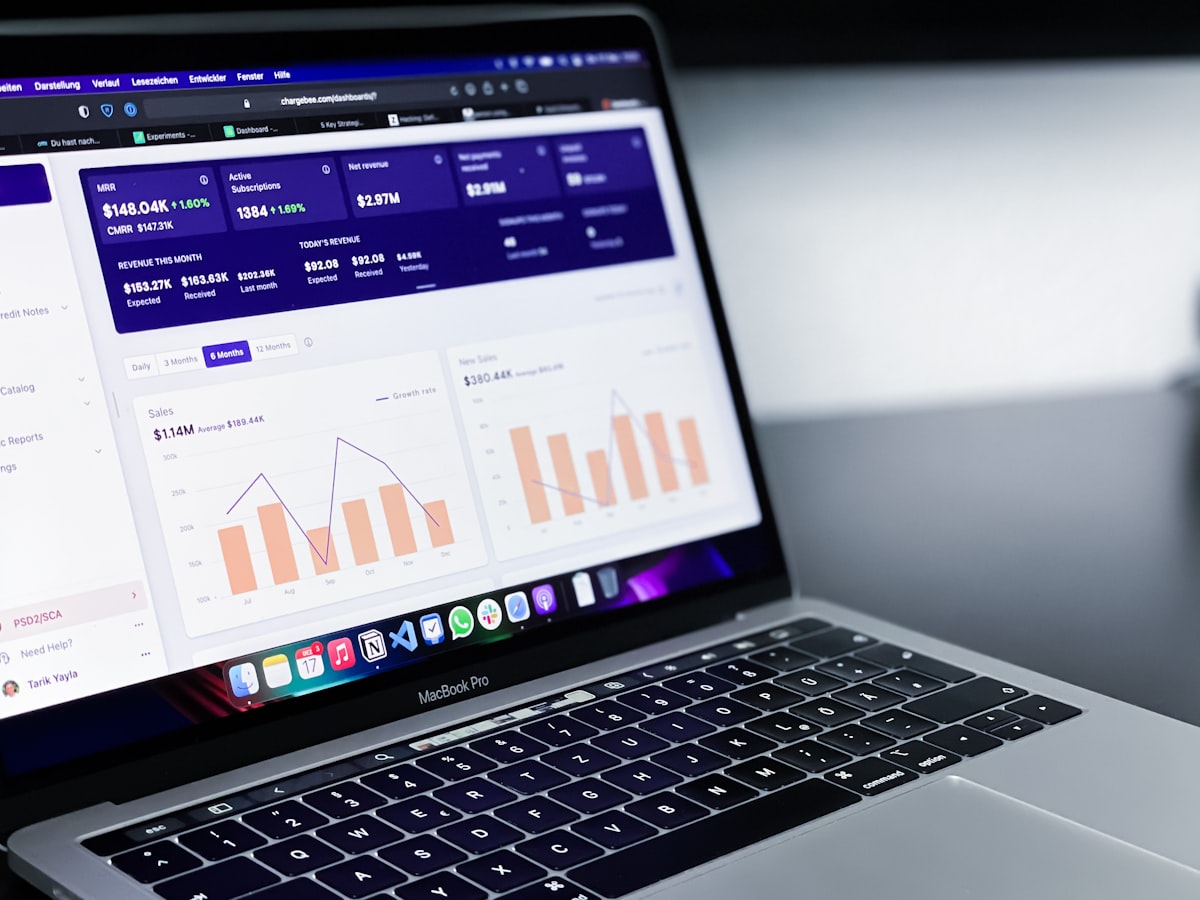
Planning Pod vs HoneyBook: Which Fits Your Events?
Event Cost per Attendee Calculator and Guide

How to Create a Vendor Management System for Events

Event Staffing Software for Small Business Teams

Whova Alternatives for Event Planners in 2026

Eventbrite Alternatives for Small Events in 2026

Event Vendor Insurance Requirements Checklist

How to Choose Event Management Software
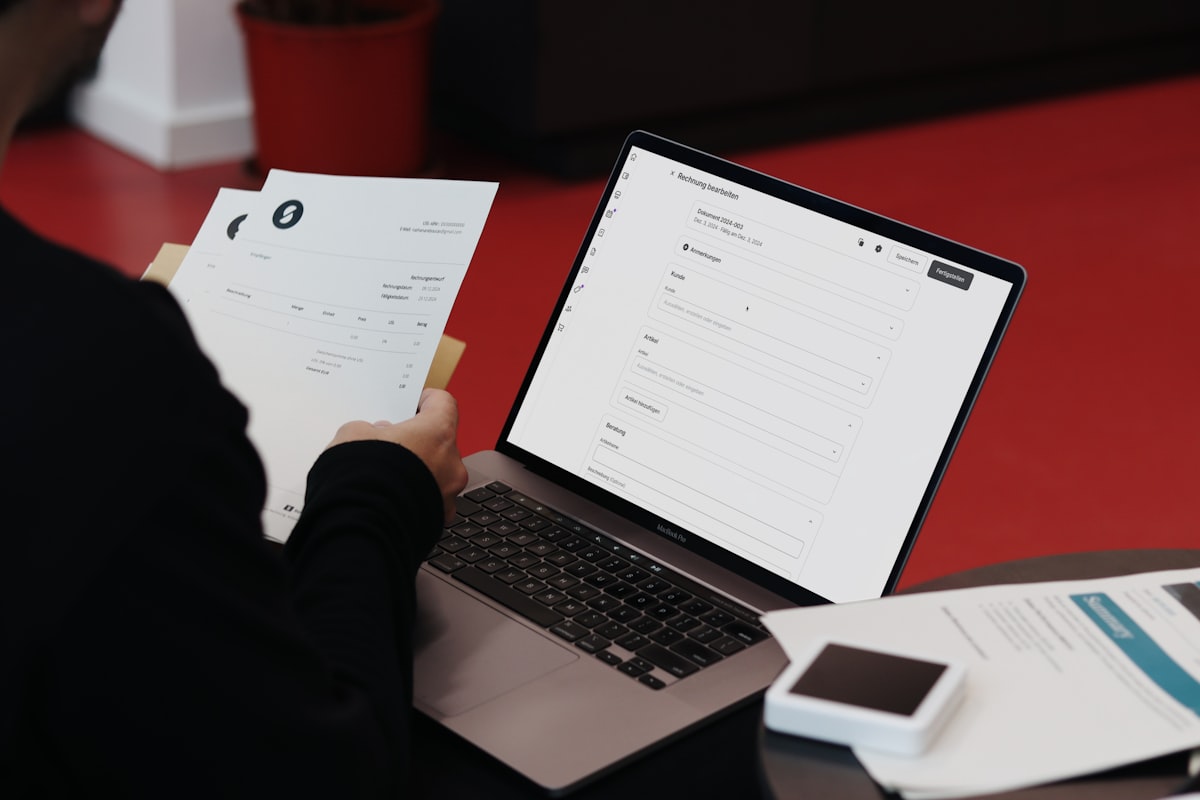
Best Invoicing Software for Event Planners (2026)

Wedding Vendor Payment Schedule Template
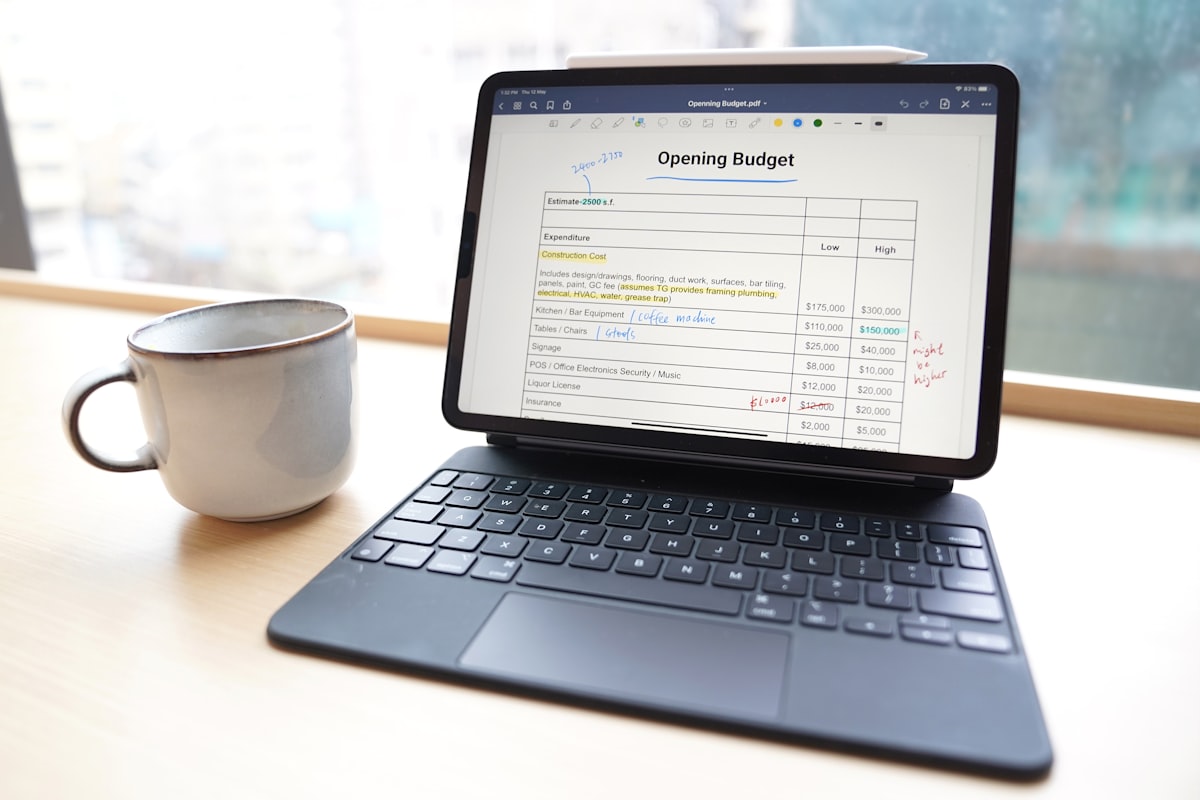
Event Planner Markup Percentage by Vendor Type

Bizzabo Alternatives for Event Planners
Vendor Relationship Management for Event Planners

Event Cost Calculator: Estimate Your Budget Right

Event Contractor Payment Tracking Tools for Planners

Event Communication Plan Template for Planners

How to Create Event Planning Packages

Event Insurance Cost: What Percentage of Your Budget

Social Tables Alternatives for Event Planners

How to Avoid Hidden Vendor Fees at Events

Corporate Event Planning Checklist for 2026

Post-Event Evaluation Template for Planners

Event Workflow Software: A Practical Guide

Propared Alternatives for Event Planners

Best Software for Managing Event Contractors

Wedding Planner Commission Rate Guide for 2026

Best CRM for Event Planners in 2026

Event Coordinator Tools for Portugal

Event Planner CRM: What to Look For in 2026

Vendor Contract Red Flags for Event Planners

Event Catering Cost per Person by Event Type

Freelance Event Planner Toolkit for 2026

Wedding Vendor Management Spreadsheet Template

Subcontractor Management for Events in Portugal

Hidden Costs of Event Planning You Need to Know
Event Planning Software Pricing Compared

Event Planner Pricing Calculator: Set Your Fees
Event RFP Template for Professional Planners

How Much to Tip Event Staff and Vendors

Event Staff-to-Guest Ratios by Service Role

How Much Deposit Do Event Vendors Require?

Micro Wedding Planning Checklist

How to Hire Vendors for Your Wedding

How to Brief Event Staff Before an Event

Cvent Alternatives for Small Event Planners

How to Invoice Event Clients and Get Paid

Event Vendor Performance Scorecard Guide
Event Budgeting Apps: A Practical Guide for Planners

Cut Event Costs Without Sacrificing Quality

Dubsado vs HoneyBook for Event Planners

Event Risk Management Plan Template

Aisle Planner vs HoneyBook for Event Planners

Event Planning Workflow That Keeps Projects on Track

Wedding Planning Software for Portugal

Corporate Event Management Software for Portugal
Event Collaboration Tools for Planning Teams

Best Wedding Planner Tools for 2026 (Solo to Team)

Event Cost Breakdown Template for Planners

Event Budget Contingency Planning Guide

Event Management Automation Tools for 2026
5 Planning Pod Alternatives Compared (2026)

Event Day-of Coordination Checklist

How to Negotiate Event Vendor Pricing

Event Client Onboarding Template

Best Event Planning Apps Compared: 2026 Picks for Pros

AI Tools for Event Planning: A Practical Guide

How to Create a Vendor Shortlist for Events
HoneyBook Alternatives for Event Planners

Event Planner Tools for Brazil: A Practical Guide

Free Wedding Planner Tools That Work

Event Planning Checklist: 6 Phases to Cover

Wedding Planning Software: A Guide for Pros

How to Write an Event Proposal That Wins Clients

How to Coordinate Wedding Vendors Like a Pro

Event Vendor Cancelled? Your 3-Step Recovery Plan

Event Vendor Management Tips That Actually Work

5 Signs You've Outgrown Spreadsheets for Event Planning