
Freelance event planners handle everything an agency does, but without the team. You find your own clients, coordinate your own vendors, track your own budgets, and deliver flawless events with nobody to delegate to. That reality demands a toolkit built for one person doing the work of five.
Most "best tools" lists target teams with dedicated roles and enterprise budgets. A freelance event planner toolkit looks different. It prioritizes speed over collaboration features, affordability over seat-based pricing, and integration over isolated single-purpose apps. This guide covers what that toolkit actually needs to contain and how to assemble one that scales with your business.
What Makes a Freelance Planner's Toolkit Different
Agency planners split responsibilities across account managers, production coordinators, and admin staff. Freelancers collapse those roles into one person. Your toolkit needs to reflect that compression.
Three principles should guide every tool you add to your stack:
Single-operator speed. Every click, tab switch, and manual data entry costs you billable time. Tools that require complex setup or team onboarding workflows waste your most limited resource. Look for platforms that let you move from client inquiry to confirmed booking in the fewest steps possible.
Consolidated information. When you manage 8 to 12 events per year across different venues, vendors, and clients, scattered information creates risk. One missed vendor confirmation or one overlooked contract clause can derail an event. Your toolkit should keep client details, vendor contacts, event timelines, and financial records accessible from one place.
Predictable costs. Per-seat pricing means nothing when you are the only seat. But per-event or usage-based pricing can spike during your busiest months. Look for flat-rate plans that stay predictable whether you run 3 events or 15 in a quarter.
Client Pipeline and Relationship Management
Your business lives or dies on your ability to convert inquiries into bookings. A freelance event planner toolkit starts with a client management system that tracks every prospect from first contact through final payment.
At minimum, you need visibility into which prospects are waiting for proposals, which have signed contracts, and which owe deposits. A Kanban-style pipeline gives you that view at a glance. Move cards from "Inquiry" to "Proposal Sent" to "Contract Signed" to "Event Complete" and you always know where every relationship stands.
What matters for freelancers specifically: speed of proposal generation. You compete against agencies that have template libraries and dedicated sales staff. Your CRM should let you generate a quote or proposal in under 10 minutes, attach it to the client record, and track whether they opened it.
Avoid CRMs built for large sales teams. Features like territory management, lead scoring algorithms, and multi-layer approval workflows add complexity you will never use. A platform designed for creative professionals or small service businesses fits better. Our guide on what to look for in an event planner CRM covers pipeline setup, feature evaluation, and sizing the tool to your business. Our best event planning apps comparison evaluates the options that solo planners and small operations actually use, ranked by the workflows that matter most. If you want a head-to-head look at specific CRM platforms with pricing and fit recommendations, our best CRM for event planners comparison covers HoneyBook, Dubsado, Planning Pod, Pipedrive, and Abastio in detail. Abastio's pipeline view handles this for event professionals without the overhead of enterprise tools.
Contractor and Vendor Coordination
Freelance planners rarely execute events alone. You build temporary teams for each event: caterers, decorators, AV technicians, photographers, florists, rental companies. Managing that rotating roster of sub-contractors is the core operational challenge of freelance event work.
Your toolkit needs a vendor database that goes beyond a spreadsheet of names and phone numbers. For each contractor, track their specialties, rate ranges, availability patterns, past performance notes, and contract terms. Tag vendors by category and location so you can pull a shortlist in seconds when scoping a new event.
Booking tracking matters just as much. When you assign a caterer to a June wedding, that commitment needs to appear on your calendar and your budget simultaneously. Double-booking a vendor or forgetting to confirm their availability two weeks before the event are preventable mistakes that damage your reputation.
Communication history with each vendor should live in one place. When a florist emails you a revised quote, that update should be linked to both the vendor record and the specific event. Searching through email threads to find pricing discussions from three months ago is not a productive use of your Wednesday morning.
For an in-depth look at building a reliable vendor network, our vendor management guide covers the relationship side of contractor coordination. If you have been evaluating venue-focused platforms and found them the wrong fit for outbound vendor work, our guide to Tripleseat alternatives for independent planners maps out what independent planners should use instead.
Budget Tracking and Quote Generation
Financial management separates sustainable freelance businesses from those that stay stuck in the side-hustle phase. You need tools that handle three distinct financial workflows: client quoting, event budgeting, and business accounting.
Client quoting requires a system that produces professional proposals fast. Your quotes need to break costs into clear line items, offer tiered options when appropriate, and export to PDF for clients who want something they can print and review. The ability to duplicate and modify past quotes saves significant time when you plan similar events repeatedly.
Event budgeting tracks what you actually spend against what you quoted. Every vendor confirmation, deposit, and final invoice should update your running total automatically. Our free budget calculator generates cost estimates by event type and guest count, giving you a starting baseline before you customize for each client.
Business accounting covers your freelance overhead: software subscriptions, marketing expenses, travel costs, insurance, and professional development. Keeping event costs separate from operating costs gives you a clear picture of per-event profitability. Many freelancers realize too late that their most labor-intensive events were also their least profitable.
The key integration point: your quoting tool and your budgeting tool should share data. When a quote becomes a confirmed booking, the quoted amounts should flow into your budget as the baseline. Manual re-entry between systems introduces errors and wastes time you could spend on client relationships.
Day-of Execution and Timeline Management
A well-organized toolkit means nothing if execution day falls apart. Freelance planners need lightweight tools that keep the event running on schedule without requiring constant phone checks or laptop access.
Build a master timeline for each event that breaks the day into 15 or 30-minute blocks. Every vendor arrival, setup milestone, ceremony moment, and teardown task gets a slot. Share a simplified version with your key vendors so they know their window without needing to call you.
Checklist tools work better than project management boards for day-of work. On event day, you need binary completion states: done or not done. You do not need Gantt charts, dependency mapping, or resource allocation views. A simple shared checklist that you and your assistant (if you hire one) can check off in real time keeps everyone aligned.
Communication on event day should consolidate into one channel. Texting some vendors, emailing others, and calling a third group creates chaos. Pick one messaging platform for day-of coordination and tell all vendors to use it. This small decision eliminates the mental overhead of remembering where each conversation lives.
After the event, log what went well and what went wrong while it is fresh. A simple post-event note attached to the event record builds institutional knowledge over time. Six months later, when you plan a similar event, those notes save you from repeating the same mistakes.
Building Your Stack Without Subscription Bloat
The average freelance event planner uses between 4 and 7 paid tools. At $30 to $80 per month each, that stack costs $1,500 to $6,000 per year before you serve a single client. Our event planning software pricing comparison breaks down what each tier actually includes and where hidden costs appear, so you can evaluate tools by total cost rather than sticker price. Choosing platforms that consolidate multiple functions into one subscription keeps that number manageable.
Start with the non-negotiables: a client and vendor management platform, a budgeting tool, and a communication system. Everything else is optional until your volume demands it. A freelancer handling 6 events per year does not need a dedicated email marketing platform, an analytics dashboard, or a social media scheduler.
When evaluating any new tool, ask one question: does this replace two things I already use, or does it add a ninth tab to my browser? Consolidation tools earn their subscription. Single-purpose tools rarely do at freelance scale. If you work in a specific market like Portugal, our guide to event coordinator tools for Portugal covers how to evaluate platforms against local requirements like EUR pricing, VAT handling, and bilingual operations.
Abastio combines client management, contractor coordination, budget tracking, and quote generation in one platform built for event professionals. Instead of stitching together a CRM, a spreadsheet, a PDF tool, and a contact manager, you get a single system designed for how freelance planners actually work.
Frequently Asked Questions
What is the minimum toolkit a freelance event planner needs to start?
Start with three core capabilities: client tracking (even a basic CRM or spreadsheet), vendor contact management, and budget tracking. You can run your first few events with these three functions covered. Add specialized tools only when manual processes start costing you time or creating mistakes.
How much should a freelance event planner spend on software tools?
Keep your total software spend below 3% of annual revenue. For a freelancer earning $60,000 per year, that ceiling is $1,800 annually or $150 per month across all tools. Prioritize platforms that replace multiple single-purpose tools to stay within this budget.
Should freelance planners use the same tools as event planning agencies?
Rarely. Agency tools optimize for team collaboration, role-based permissions, and multi-user workflows. Freelancers need speed and simplicity. An agency CRM with 5-seat minimums and onboarding requirements adds friction without value when you are the only user. Choose platforms designed for solo professionals or small businesses.
How do I manage vendor relationships without a dedicated coordinator?
Build a searchable vendor database with tags for specialty, location, price range, and reliability rating. After every event, update your notes on each vendor's performance. This running record replaces the institutional knowledge that agencies keep in their team's collective memory. Schedule quarterly check-ins with your top 10 vendors to maintain relationships between bookings.
When should a freelance event planner upgrade from free tools to paid platforms?
Three signals indicate it is time: you miss details because information lives in too many places, you spend more than 2 hours per week on administrative tasks that software could automate, or you lose a client because your proposal looked less professional than a competitor's. Any of these costs more than a monthly subscription.
Ready to simplify your event management?
Try Abastio free and see how it streamlines vendor coordination.
Start freeMore posts

Event Subcontractor Agreement Template

Destination Wedding Vendor Coordination Guide

Post-Event Vendor Debrief Template
Wedding Timeline Software: A Planner's Guide
Event Setup and Teardown Checklist for Planners

Wedding Vendor Checklist Template for Planners

How to Handle Last-Minute Event Changes

How to Create an Event Run Sheet (Step by Step)
Event Logistics Planning Guide for Organizers

How to Manage Corporate Event Vendors

Client Communication Tips for Event Planners
Planning Pod vs HoneyBook: Which Fits Your Events?
Event Cost per Attendee Calculator and Guide

How to Create a Vendor Management System for Events
Event Staffing Software for Small Business Teams

Whova Alternatives for Event Planners in 2026

Eventbrite Alternatives for Small Events in 2026

Event Vendor Insurance Requirements Checklist

How to Choose Event Management Software
Best Invoicing Software for Event Planners (2026)

Wedding Vendor Payment Schedule Template
Event Planner Markup Percentage by Vendor Type

Bizzabo Alternatives for Event Planners
Vendor Relationship Management for Event Planners
Event Cost Calculator: Estimate Your Budget Right

Event Contractor Payment Tracking Tools for Planners

Event Communication Plan Template for Planners

How to Create Event Planning Packages

Event Insurance Cost: What Percentage of Your Budget
Social Tables Alternatives for Event Planners

How to Avoid Hidden Vendor Fees at Events
Corporate Event Planning Checklist for 2026

Post-Event Evaluation Template for Planners

Event Workflow Software: A Practical Guide
Propared Alternatives for Event Planners

Best Software for Managing Event Contractors

Wedding Planner Commission Rate Guide for 2026

Best CRM for Event Planners in 2026
Event Coordinator Tools for Portugal

Event Planner CRM: What to Look For in 2026
Vendor Contract Red Flags for Event Planners
Tripleseat Alternatives for Independent Planners
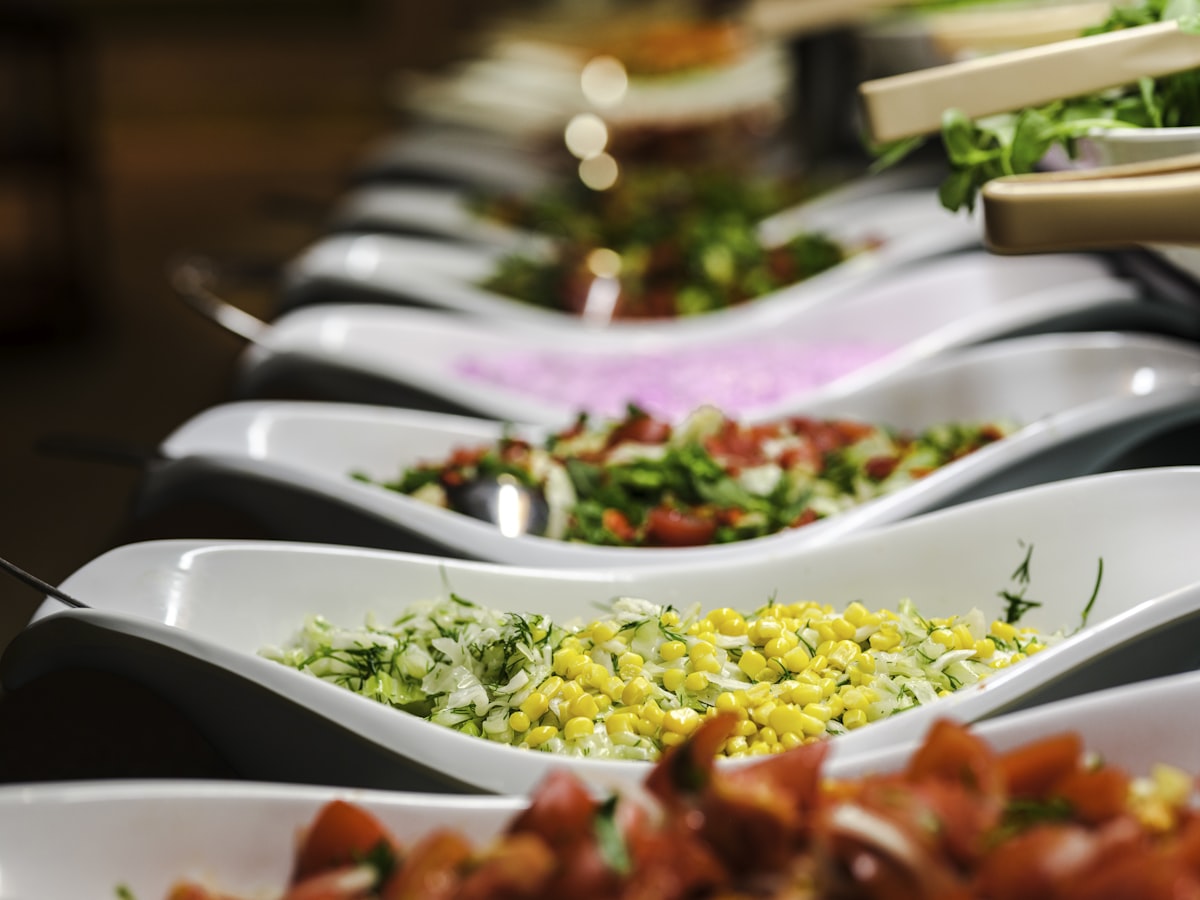
Event Catering Cost per Person by Event Type

Wedding Vendor Management Spreadsheet Template

Subcontractor Management for Events in Portugal

Hidden Costs of Event Planning You Need to Know
Event Planning Software Pricing Compared

Event Planner Pricing Calculator: Set Your Fees
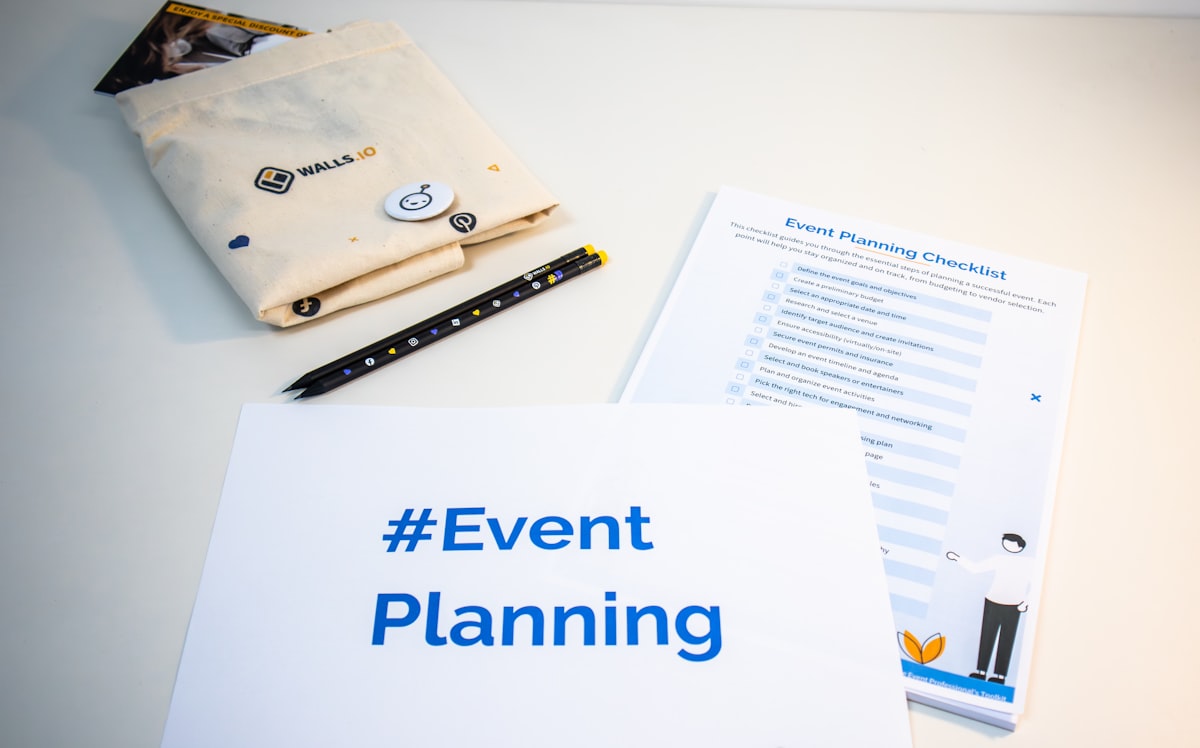
Event RFP Template for Professional Planners

How Much to Tip Event Staff and Vendors
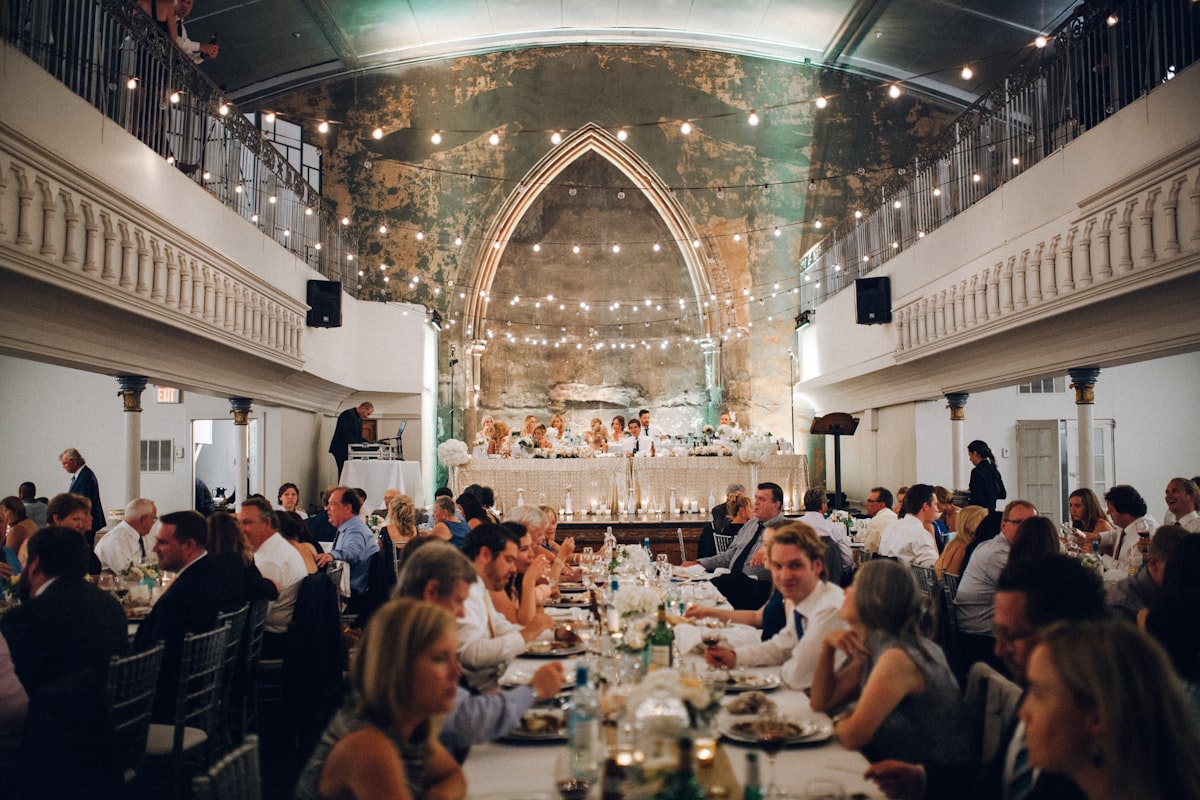
Event Staff-to-Guest Ratios by Service Role

How Much Deposit Do Event Vendors Require?

Micro Wedding Planning Checklist

How to Hire Vendors for Your Wedding

How to Brief Event Staff Before an Event

Cvent Alternatives for Small Event Planners

How to Invoice Event Clients and Get Paid

Event Vendor Performance Scorecard Guide
Event Budgeting Apps: A Practical Guide for Planners
Cut Event Costs Without Sacrificing Quality
Dubsado vs HoneyBook for Event Planners

Event Risk Management Plan Template

Aisle Planner vs HoneyBook for Event Planners
Event Planning Workflow That Keeps Projects on Track

Wedding Planning Software for Portugal

Corporate Event Management Software for Portugal
Event Collaboration Tools for Planning Teams

Best Wedding Planner Tools for 2026 (Solo to Team)

Event Cost Breakdown Template for Planners

Event Budget Contingency Planning Guide

Event Management Automation Tools for 2026
5 Planning Pod Alternatives Compared (2026)
Event Day-of Coordination Checklist

How to Negotiate Event Vendor Pricing
Event Client Onboarding Template
Best Event Planning Apps Compared: 2026 Picks for Pros

AI Tools for Event Planning: A Practical Guide

How to Create a Vendor Shortlist for Events
HoneyBook Alternatives for Event Planners

Event Planner Tools for Brazil: A Practical Guide

Free Wedding Planner Tools That Work

Event Planning Checklist: 6 Phases to Cover

Wedding Planning Software: A Guide for Pros

How to Write an Event Proposal That Wins Clients

How to Coordinate Wedding Vendors Like a Pro

Event Vendor Cancelled? Your 3-Step Recovery Plan

Event Vendor Management Tips That Actually Work

5 Signs You've Outgrown Spreadsheets for Event Planning