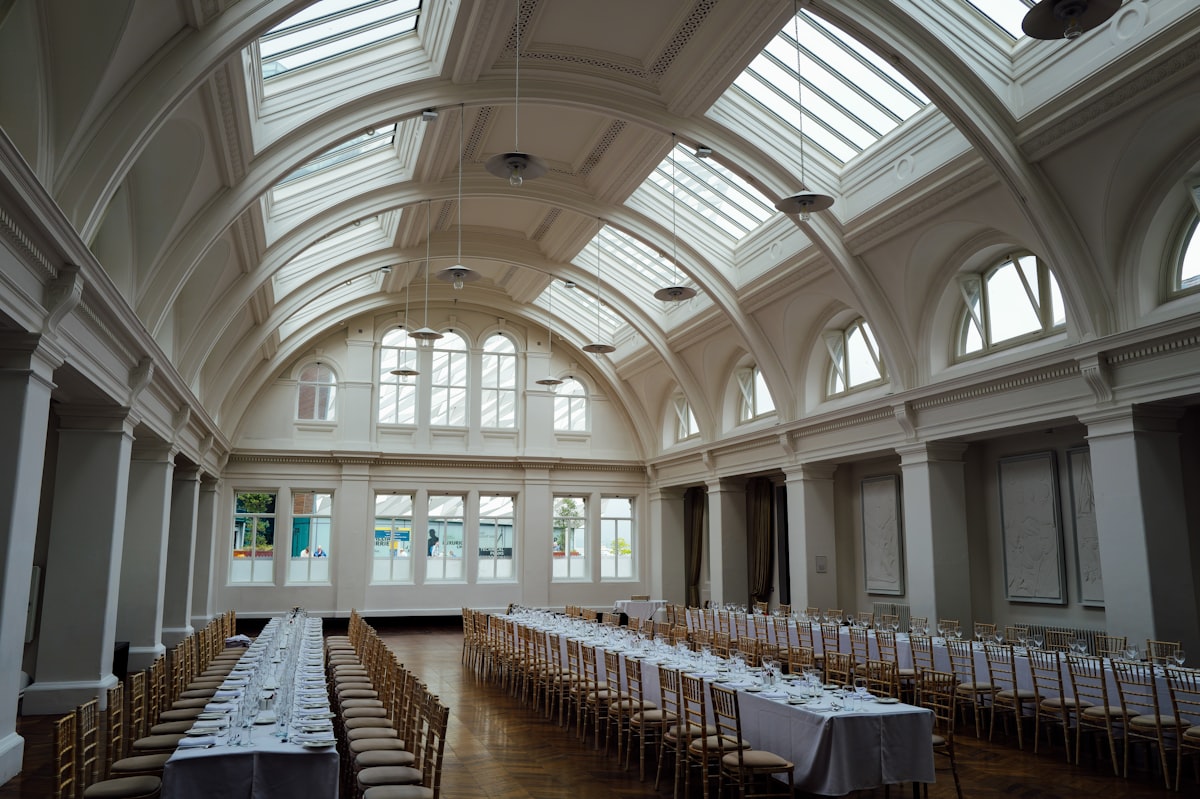
A corporate event with 200 attendees and 15 vendors can unravel fast without a plan. One missed AV delivery or one late caterer sets off a chain reaction that eats into your budget and your reputation. This checklist breaks corporate event planning into clear phases with specific tasks, timelines, and ownership. Whether you are organizing a product launch, annual conference, or client appreciation dinner, these steps keep every detail on track.
Define Your Event Objectives and Scope
Every corporate event starts with a core question: what does success look like? You need to go further than "a good conference." Define measurable objectives before you book a single vendor.
Start with three to five specific goals. For example:
- Generate 50 qualified leads from the networking session
- Achieve a 4.5 out of 5 attendee satisfaction score
- Secure three media mentions from the press panel
- Close two partnership deals during the VIP reception
Next, define the event scope. Confirm the format (in-person, hybrid, or fully virtual), audience size, duration, and audience type (internal employees, external clients, or a mix of both).
Document these decisions in a single event brief. Share it with every team member and vendor. When a catering company asks "how formal?", the brief gives the answer. When your AV team asks about livestreaming, the brief confirms the format. This document becomes the filter for every decision that follows. If a request does not serve your stated goals, cut it.
Build a Realistic Budget with Category Allocations
Corporate event budgets fail for one reason: vague line items. "Venue and catering: $30,000" tells you nothing useful six weeks out when the florist sends an invoice you did not plan for.
Break your budget into specific categories with percentage targets. For a mid-size corporate event (100 to 300 attendees), allocate roughly:
- Venue rental: 20-25% of total budget
- Catering and beverages: 25-30%
- AV, production, and technology: 15-20%
- Marketing and printed materials: 5-10%
- Speaker fees and travel: 5-10%
- Decor and signage: 5-8%
- Contingency reserve: 10-15%
Track every expense against these targets from day one. A $50,000 event budget means your catering line should sit between $12,500 and $15,000. If your venue costs push past 25%, trim elsewhere immediately.
Update your budget weekly. Assign one person to own the tracking file, and log every expense the day it is confirmed. Late-stage budget surprises almost always come from costs that nobody recorded for weeks. For a deeper guide on tracking event costs across vendors, see our event budget tracking guide.
Secure Your Venue and Coordinate Your Vendor Team
Book your venue six to twelve months before the event date. Corporate venues fill fast, especially during peak conference season (September through November and January through March). When evaluating venues, check:
- Maximum capacity for your planned layout (theater, banquet, or classroom)
- Built-in AV infrastructure (screens, sound systems, Wi-Fi bandwidth)
- Accessibility for attendees with mobility needs
- Catering flexibility (in-house required, or can you bring external vendors?)
- Parking and public transport access
Once the venue is confirmed, build your vendor roster. A typical corporate event for 200 attendees involves 10 to 20 separate vendors: caterer, AV company, photographer, videographer, florist, signage printer, security team, transportation provider, and entertainment.
For each vendor, document the contact name, phone number, contract terms, payment schedule, delivery date, setup time, and on-site point of contact. Assign a single coordinator to manage all vendor communication. Our guide on managing corporate event vendors covers how to build preferred vendor lists, standardize onboarding, and coordinate suppliers across multi-department events. Scattered emails and group chats between five team members create confusion and missed details. One person, one channel, one source of truth.
Managing 15 or more contractors across a single event is where spreadsheets start to break. Tools like Abastio let you track your entire vendor roster from a single dashboard, with booking status, contact details, and cost tracking for each contractor on every event.
Map Your Planning Timeline with Clear Milestones
Corporate event planning follows a predictable arc. Use this timeline to set milestones and assign owners to each task.
6 to 12 months out:
- Finalize event brief and objectives
- Book venue and sign the contract
- Set preliminary budget
- Begin speaker outreach
3 to 5 months out:
- Confirm all major vendors (catering, AV, decor)
- Open attendee registration
- Launch your marketing campaign (email, social, internal comms)
- Finalize the agenda and session schedule
1 to 2 months out:
- Send vendor load-in schedules with exact arrival times (our event logistics planning guide covers how to build arrival sequences and avoid loading dock conflicts)
- Confirm attendee dietary requirements and accessibility needs
- Print name badges, signage, and event materials
- Test all technology: livestream setup, presentation laptops, microphones
1 week out:
- Conduct a full walk-through with your AV and catering vendors
- Send final attendee confirmation emails with logistics (parking, dress code, agenda)
- Prepare a day-of contact sheet with every vendor's mobile number
- Brief your on-site team on roles and escalation paths using a structured communication plan
Event day:
- Arrive two hours before the first vendor to unlock and inspect the space
- Run a final AV check 90 minutes before doors open
- Station one team member at registration, one at the AV desk, and one as vendor liaison
- Photograph key moments for post-event marketing
Every milestone needs an owner and a deadline. "Confirm catering" is not a milestone. "Sarah confirms catering menu and headcount by March 15" is. Without a name and a date, tasks drift.
Run a Pre-Event Dry Run and Prepare Contingency Plans
The week before your corporate event, walk through the entire experience from an attendee's perspective. Arrive at the venue. Follow the signage. Sit in a session room. Check the Wi-Fi speed. Test the microphones. Order a coffee from the catering station. Every friction point you catch now is one fewer problem when you run through your day-of coordination checklist.
Build contingency plans for the three most common corporate event failures:
Vendor no-show: Identify a backup for your most critical vendors (AV and catering). Keep a short list of local alternatives who can mobilize within 24 hours. For more on protecting your event from last-minute cancellations, read our vendor contingency planning guide.
Technology failure: Bring backup laptops, adapters, and a portable speaker. Download all presentations to a local drive, not just the cloud. Test the Wi-Fi under realistic load if the venue allows it.
Attendance drop or surge: Confirm final headcount with catering 72 hours out, and negotiate a 10% flexibility clause in your contract. For registration, prepare a process for walk-ins that does not bottleneck the entry line.
Print your contingency plans on paper. Do not leave them in a shared drive that nobody can access when the Wi-Fi goes down.
Measure Results and Debrief Within 48 Hours
A thorough post-event evaluation separates professional corporate event teams from those who repeat the same mistakes every quarter. Send your attendee survey within 24 hours while the experience is fresh. Keep it to five to seven questions. Anything longer drops response rates below 20%.
Measure against the objectives you set in step one:
- Lead generation: How many qualified leads did your sales team collect? How many converted within 30 days?
- Satisfaction: What was the average survey score? Which sessions scored highest and lowest?
- Media coverage: How many articles, social mentions, or shares did the event generate?
- Budget accuracy: What was your final spend versus your planned budget? Where did you overshoot?
Hold a vendor debrief within one week. Review what each vendor delivered against the contract terms. Note which vendors arrived early, communicated well, and adapted to changes. Record which ones required follow-up or caused friction. This performance record makes vendor selection for your next event faster and more reliable.
Tracking vendor performance across events is one of the biggest time-savers in corporate event management. Compare Abastio's plans to see how contractor tracking, budget tools, and event templates fit your team's needs.
Frequently Asked Questions
How far in advance should you start planning a corporate event?
Start six to twelve months ahead for large events (200+ attendees, multi-day agendas, or complex AV setups). Smaller events like team off-sites or client dinners need three to five months. The venue booking is usually the bottleneck, so secure that first and build the rest of your corporate event planning checklist around the confirmed date.
What is a realistic budget for a 200-person corporate event?
Budgets vary by city and format, but a well-run 200-person corporate event in a major metro area typically costs $40,000 to $80,000. Venue and catering together consume roughly half that total. Always include a 10-15% contingency reserve for unplanned costs.
How many vendors does a typical corporate event require?
A mid-size corporate event (100-300 attendees) usually involves 10 to 20 vendors: venue, caterer, AV provider, photographer, videographer, florist, signage vendor, security, transportation, and entertainment. Each vendor needs a clear contract, a delivery schedule, and a single point of contact on your team.
What should a corporate event brief include?
Your event brief should cover the event name, date, objectives, target audience, expected headcount, format (in-person or hybrid), budget range, and key contacts. Include notes on brand guidelines, dress code, and any restrictions. Distribute this brief to every vendor and team member so everyone works from the same reference.
How do you measure the ROI of a corporate event?
Define success metrics before the event, not after. Common measures include leads generated, deals closed within 30 days, attendee satisfaction scores, media mentions, and budget variance (actual spend versus planned). Compare these results across events to identify what drives the most value for your organization.
Ready to simplify your event management?
Try Abastio free and see how it streamlines vendor coordination.
Start freeMore posts

Event Subcontractor Agreement Template

Destination Wedding Vendor Coordination Guide

Post-Event Vendor Debrief Template

Wedding Timeline Software: A Planner's Guide
Event Setup and Teardown Checklist for Planners

Wedding Vendor Checklist Template for Planners

How to Handle Last-Minute Event Changes

How to Create an Event Run Sheet (Step by Step)

Event Logistics Planning Guide for Organizers

How to Manage Corporate Event Vendors

Client Communication Tips for Event Planners

Planning Pod vs HoneyBook: Which Fits Your Events?

Event Cost per Attendee Calculator and Guide

How to Create a Vendor Management System for Events

Event Staffing Software for Small Business Teams

Whova Alternatives for Event Planners in 2026

Eventbrite Alternatives for Small Events in 2026

Event Vendor Insurance Requirements Checklist

How to Choose Event Management Software
Best Invoicing Software for Event Planners (2026)

Wedding Vendor Payment Schedule Template
Event Planner Markup Percentage by Vendor Type

Bizzabo Alternatives for Event Planners

Vendor Relationship Management for Event Planners

Event Cost Calculator: Estimate Your Budget Right

Event Contractor Payment Tracking Tools for Planners

Event Communication Plan Template for Planners

How to Create Event Planning Packages

Event Insurance Cost: What Percentage of Your Budget

Social Tables Alternatives for Event Planners

How to Avoid Hidden Vendor Fees at Events

Post-Event Evaluation Template for Planners

Event Workflow Software: A Practical Guide

Propared Alternatives for Event Planners

Best Software for Managing Event Contractors

Wedding Planner Commission Rate Guide for 2026

Best CRM for Event Planners in 2026

Event Coordinator Tools for Portugal

Event Planner CRM: What to Look For in 2026
Vendor Contract Red Flags for Event Planners

Tripleseat Alternatives for Independent Planners

Event Catering Cost per Person by Event Type

Freelance Event Planner Toolkit for 2026

Wedding Vendor Management Spreadsheet Template

Subcontractor Management for Events in Portugal

Hidden Costs of Event Planning You Need to Know
Event Planning Software Pricing Compared

Event Planner Pricing Calculator: Set Your Fees
Event RFP Template for Professional Planners

How Much to Tip Event Staff and Vendors
Event Staff-to-Guest Ratios by Service Role

How Much Deposit Do Event Vendors Require?

Micro Wedding Planning Checklist

How to Hire Vendors for Your Wedding

How to Brief Event Staff Before an Event

Cvent Alternatives for Small Event Planners

How to Invoice Event Clients and Get Paid

Event Vendor Performance Scorecard Guide
Event Budgeting Apps: A Practical Guide for Planners

Cut Event Costs Without Sacrificing Quality

Dubsado vs HoneyBook for Event Planners

Event Risk Management Plan Template

Aisle Planner vs HoneyBook for Event Planners

Event Planning Workflow That Keeps Projects on Track

Wedding Planning Software for Portugal

Corporate Event Management Software for Portugal
Event Collaboration Tools for Planning Teams
Best Wedding Planner Tools for 2026 (Solo to Team)

Event Cost Breakdown Template for Planners

Event Budget Contingency Planning Guide

Event Management Automation Tools for 2026
5 Planning Pod Alternatives Compared (2026)
Event Day-of Coordination Checklist

How to Negotiate Event Vendor Pricing
Event Client Onboarding Template

Best Event Planning Apps Compared: 2026 Picks for Pros

AI Tools for Event Planning: A Practical Guide

How to Create a Vendor Shortlist for Events
HoneyBook Alternatives for Event Planners

Event Planner Tools for Brazil: A Practical Guide

Free Wedding Planner Tools That Work

Event Planning Checklist: 6 Phases to Cover

Wedding Planning Software: A Guide for Pros

How to Write an Event Proposal That Wins Clients

How to Coordinate Wedding Vendors Like a Pro

Event Vendor Cancelled? Your 3-Step Recovery Plan

Event Vendor Management Tips That Actually Work

5 Signs You've Outgrown Spreadsheets for Event Planning