
A missed vendor confirmation costs more than the vendor fee. It costs the hours you spend finding a replacement, the stress of explaining the gap to your client, and the reputation hit when the event falls short. Most event communication failures happen not because someone forgot to send a message, but because nobody defined who should send what, to whom, and by when.
An event communication plan template gives that structure to every event you run. It defines stakeholders, messages, channels, and timing so nothing slips between planning meetings and event day. This guide provides a complete template and walks you through how to adapt it for weddings, corporate functions, and multi-vendor productions.
What an Event Communication Plan Covers
An event communication plan is not a marketing calendar. Marketing plans focus on promoting the event to attendees. A communication plan focuses on operational coordination: the messages between you, your vendors, your team, and your client that keep the event on track.
A solid plan covers four areas:
Stakeholder identification. Who needs information from you, and what kind? Your vendor list, your internal team, your client, and any venue contacts each need different information at different times.
Channel selection. Email works for contracts and formal confirmations. Phone or WhatsApp works for time-sensitive day-of updates. Choosing the wrong channel for a message type creates delays. A load-in schedule sent by text gets lost in a chat thread. A last-minute vendor substitution sent by email sits unread for hours.
Message timing. Every event has a natural rhythm of communication. Contracts go out 60-90 days before. Confirmations happen at 14 days. Final details land at 7 days. Day-of coordination runs in real time. Mapping these milestones prevents the "I thought you already told them" problem.
Escalation paths. When something goes wrong, who calls whom? If the caterer is delayed by 45 minutes, does your assistant call you, or do they call the venue coordinator directly? Define this before the event, not during the crisis.
The Stakeholder Communication Matrix
The core of any event communication plan template is the stakeholder matrix. This table maps every person or group to their information needs, preferred channel, and contact owner.
Here is a starter matrix you can adapt:
| Stakeholder | Info They Need | Channel | Frequency | Owner |
|---|---|---|---|---|
| Client | Budget updates, timeline changes, vendor confirmations | Email + scheduled calls | Weekly during planning, daily in final week (see cadence guide) | Lead planner |
| Vendors/contractors | Load-in times, event specs, payment schedule | Email (formal), WhatsApp (day-of) | At booking, 14 days out, 7 days out, day-of | Vendor coordinator |
| Internal team | Task assignments, schedule changes, vendor contacts | Team chat or shared doc | As needed, daily briefing in final week | Lead planner |
| Venue contact | Setup requirements, timing, access details | Email + phone | At booking, 30 days, 7 days, day-of | Production lead |
Start with this structure and add rows for any stakeholder specific to your event type. Wedding planners might add a "family contacts" row. Corporate event managers might add "sponsor liaisons" or "AV team."
If you manage your vendor contacts and categories in a centralized system, building this matrix takes minutes instead of hours. You already have names, roles, and contact details in one place.
Pre-Event Communication Timeline
Timing matters as much as content. Send a confirmation too early and vendors forget. Send it too late and you cannot fix problems. This timeline covers the standard milestones for a 60-day planning window. Adjust dates for shorter or longer lead times.
60-45 days out: Contracts and confirmations
- Send contracts to all booked vendors with event details, scope, and payment terms.
- Confirm venue access times and any restrictions.
- Send the client an overview of confirmed vendors and the working budget.
- If you track your client pipeline through onboarding stages, this is the transition from "signed" to "in planning."
30 days out: Detail collection
- Request final menus, equipment lists, and staffing counts from each vendor.
- Send the client an updated timeline and any budget changes.
- Confirm insurance certificates from vendors if required by the venue.
- Share parking and load-in logistics with all vendors needing site access.
14 days out: Final confirmations
- Send a confirmation email to every vendor with their specific call time, setup location, and event timeline.
- Request written confirmation of attendance. A simple "confirmed" reply works.
- Distribute the final event brief to your internal team. A thorough staff briefing document ensures every vendor and team member knows their role, timeline, and escalation contacts.
- Flag any vendor who has not responded. Follow up by phone within 24 hours.
7 days out: Last details
- Send final guest count to catering and bar services.
- Distribute a contact sheet listing every vendor, their on-site lead, and their phone number.
- Review the day-of coordination checklist and confirm task assignments.
Day before
- Send a "ready to go" message to all vendors confirming tomorrow's schedule.
- Share weather or access updates if relevant.
- Confirm that all team members have the contact sheet and the event timeline.
Day-of Communication Protocols
Event-day communication moves fast. The plan you set before the event determines whether your team handles problems smoothly or scrambles to find answers.
Designate a single point of contact. Vendors should know who to call with questions during the event. If three vendors call three different team members about the same issue, you get three different answers. One team member handles all vendor communication. Everyone else refers questions to that person.
Set check-in times. Schedule brief check-ins at key moments: after setup is complete, after the first transition (e.g., ceremony to reception), and 30 minutes before teardown. These are not meetings. They are 2-minute status updates. "Catering is on schedule." "AV is resolving a mic issue, backup ready." "Florist is 10 minutes behind, adjusting timeline."
Use a tiered urgency system. Not every issue needs the lead planner's attention in real time. Define three levels:
- Green: Information only. "The photographer arrived and is setting up." No response needed.
- Yellow: Needs a decision within 30 minutes. "The rental company sent round tables instead of rectangular. Can we adjust the layout?"
- Red: Immediate action required. "The caterer's truck broke down. They are 90 minutes late."
Green goes to the group chat. Yellow goes to the designated coordinator. Red goes to the lead planner by phone call.
Post-Event Communication Wrap-Up
Communication does not end when the last guest leaves. Post-event messages close the loop with vendors, clients, and your team.
Within 48 hours:
- Send a thank-you message to every vendor. Mention something specific they did well. This builds the relationship for future bookings.
- Send the client a brief recap with highlights and any outstanding items (final invoices, return of rented items, venue deposit refunds).
- Debrief with your internal team. What communication worked? Where did information gaps cause problems? Note any fixes for your template.
Within 7 days:
- Request vendor invoices if not already received. Cross-reference against the budget.
- Send any post-event evaluation surveys to the client and internal team.
- Update your vendor records with performance notes. Did they arrive on time? Was the quality consistent with the contract? These notes inform future hiring decisions.
Within 14 days:
- Close out the event budget and send the final reconciliation to the client.
- Archive the communication plan for this event. It becomes your starting template for similar events in the future.
A platform like Abastio keeps your vendor database, client pipeline, and event records in one place. Instead of rebuilding your stakeholder matrix from scratch for every event, you pull from an existing contractor pool with tags, contact history, and booking records. Budget tracking and quote generation happen alongside your communication workflow, not in a separate spreadsheet. Check Abastio's pricing plans to find the tier that fits your event volume.
Frequently Asked Questions
What should an event communication plan include?
An event communication plan should include a stakeholder matrix (who needs what information), a timeline of key messages mapped to event milestones, channel preferences for each stakeholder, and escalation protocols for day-of issues. The plan covers pre-event, day-of, and post-event phases.
How far in advance should I start vendor communication?
Start formal vendor communication 60-90 days before the event for contracts and scope documents. Follow up at 30 days for detail collection, 14 days for confirmations, and 7 days for final logistics. Shorter lead times compress this schedule but should still include a confirmation milestone at minimum.
What is the best channel for communicating with event vendors?
Use email for formal communication like contracts, confirmations, and payment details. Use phone or WhatsApp for time-sensitive day-of coordination. Avoid sending critical logistics through social media DMs or text messages, where they can get buried in unrelated conversations.
How do I handle a vendor who stops responding before the event?
If a vendor does not respond to your 14-day confirmation email, follow up by phone within 24 hours. If they remain unresponsive after 48 hours, activate your backup vendor list and notify the client of the change. Document the communication gap in your vendor records for future reference. Our guide to vendor cancellation contingency planning covers this scenario in depth.
Should I use a different communication plan for each event type?
Use the same base template for all events and adapt the stakeholder rows and timeline to fit each event type. A wedding communication plan might include family contacts and officiant coordination. A corporate event plan might include sponsor liaisons and AV production teams. The framework stays the same; the details change.
Ready to simplify your event management?
Try Abastio free and see how it streamlines vendor coordination.
Start freeMore posts

Event Subcontractor Agreement Template

Destination Wedding Vendor Coordination Guide

Post-Event Vendor Debrief Template
Wedding Timeline Software: A Planner's Guide
Event Setup and Teardown Checklist for Planners
Wedding Vendor Checklist Template for Planners

How to Handle Last-Minute Event Changes

How to Create an Event Run Sheet (Step by Step)
Event Logistics Planning Guide for Organizers

How to Manage Corporate Event Vendors

Client Communication Tips for Event Planners
Planning Pod vs HoneyBook: Which Fits Your Events?

Event Cost per Attendee Calculator and Guide

How to Create a Vendor Management System for Events

Event Staffing Software for Small Business Teams

Whova Alternatives for Event Planners in 2026

Eventbrite Alternatives for Small Events in 2026

Event Vendor Insurance Requirements Checklist

How to Choose Event Management Software
Best Invoicing Software for Event Planners (2026)

Wedding Vendor Payment Schedule Template
Event Planner Markup Percentage by Vendor Type

Bizzabo Alternatives for Event Planners
Vendor Relationship Management for Event Planners

Event Cost Calculator: Estimate Your Budget Right

Event Contractor Payment Tracking Tools for Planners

How to Create Event Planning Packages

Event Insurance Cost: What Percentage of Your Budget
Social Tables Alternatives for Event Planners

How to Avoid Hidden Vendor Fees at Events
Corporate Event Planning Checklist for 2026

Post-Event Evaluation Template for Planners

Event Workflow Software: A Practical Guide

Propared Alternatives for Event Planners

Best Software for Managing Event Contractors

Wedding Planner Commission Rate Guide for 2026

Best CRM for Event Planners in 2026
Event Coordinator Tools for Portugal

Event Planner CRM: What to Look For in 2026
Vendor Contract Red Flags for Event Planners
Tripleseat Alternatives for Independent Planners

Event Catering Cost per Person by Event Type

Freelance Event Planner Toolkit for 2026

Wedding Vendor Management Spreadsheet Template

Subcontractor Management for Events in Portugal

Hidden Costs of Event Planning You Need to Know
Event Planning Software Pricing Compared

Event Planner Pricing Calculator: Set Your Fees
Event RFP Template for Professional Planners
How Much to Tip Event Staff and Vendors

Event Staff-to-Guest Ratios by Service Role

How Much Deposit Do Event Vendors Require?

Micro Wedding Planning Checklist

How to Hire Vendors for Your Wedding

How to Brief Event Staff Before an Event
Cvent Alternatives for Small Event Planners

How to Invoice Event Clients and Get Paid

Event Vendor Performance Scorecard Guide
Event Budgeting Apps: A Practical Guide for Planners
Cut Event Costs Without Sacrificing Quality
Dubsado vs HoneyBook for Event Planners

Event Risk Management Plan Template

Aisle Planner vs HoneyBook for Event Planners
Event Planning Workflow That Keeps Projects on Track

Wedding Planning Software for Portugal

Corporate Event Management Software for Portugal
Event Collaboration Tools for Planning Teams
Best Wedding Planner Tools for 2026 (Solo to Team)

Event Cost Breakdown Template for Planners
Event Budget Contingency Planning Guide

Event Management Automation Tools for 2026
5 Planning Pod Alternatives Compared (2026)
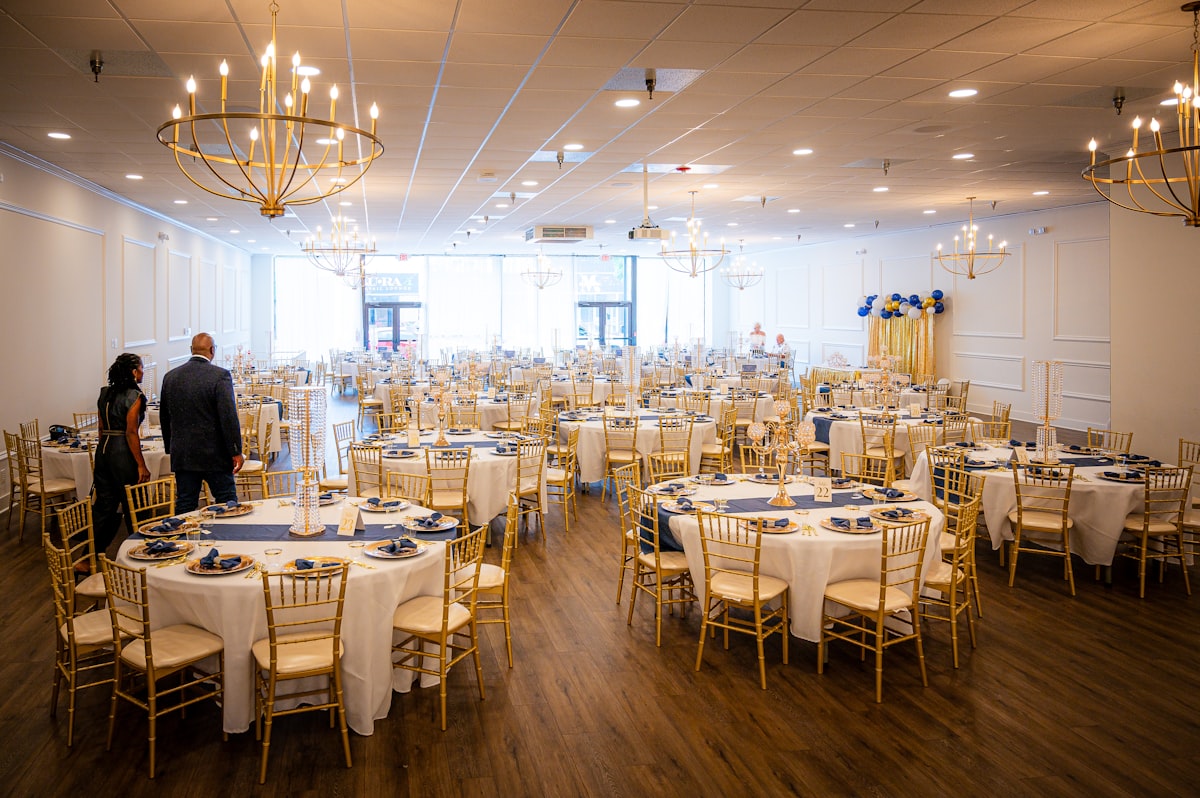
Event Day-of Coordination Checklist

How to Negotiate Event Vendor Pricing
Event Client Onboarding Template

Best Event Planning Apps Compared: 2026 Picks for Pros

AI Tools for Event Planning: A Practical Guide

How to Create a Vendor Shortlist for Events
HoneyBook Alternatives for Event Planners

Event Planner Tools for Brazil: A Practical Guide

Free Wedding Planner Tools That Work

Event Planning Checklist: 6 Phases to Cover

Wedding Planning Software: A Guide for Pros

How to Write an Event Proposal That Wins Clients

How to Coordinate Wedding Vendors Like a Pro

Event Vendor Cancelled? Your 3-Step Recovery Plan

Event Vendor Management Tips That Actually Work

5 Signs You've Outgrown Spreadsheets for Event Planning