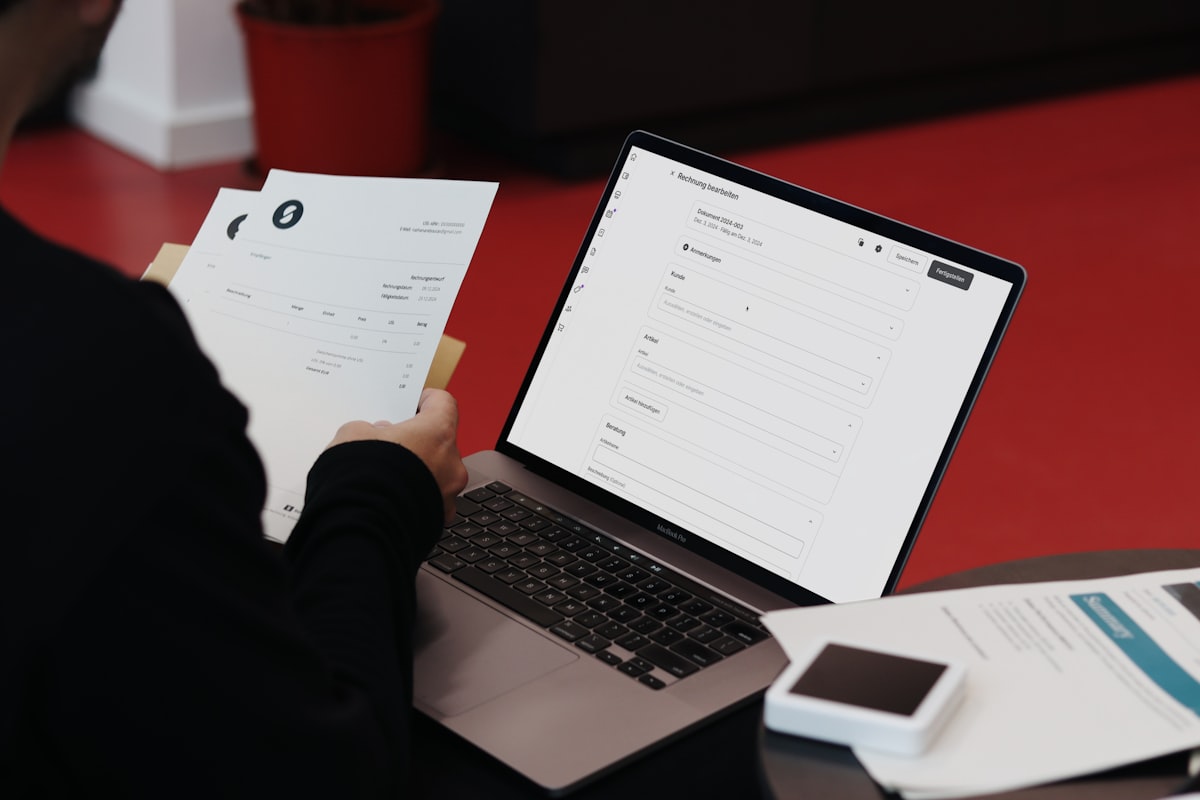
Event planners bill differently from almost every other service business. A graphic designer sends one invoice after the project ships. A consultant bills by the hour. An event planner collects a deposit six months before the event, sends milestone invoices tied to vendor booking deadlines, passes through vendor costs with a markup, and chases a final balance two weeks before the event date.
Generic invoicing software handles the first scenario well. It handles the event planner scenario poorly. The tools on this list were selected because they support the billing patterns event professionals actually use: installment schedules, milestone-triggered invoices, itemized pass-through costs, and payment tracking across dozens of concurrent events.
Why Event Planners Need Specialized Invoicing
Standard invoicing tools assume a simple flow: create an invoice, send it, get paid. Event billing is more complex because of three factors that most industries do not face.
Long payment timelines. A corporate event might span eight months from contract to execution. A wedding can take over a year. During that window, you need to collect payments at specific intervals, not just at the end. Invoicing software that only supports single-payment invoices forces you to create and track separate invoices for each milestone manually.
Pass-through costs. Event planners pay vendors directly and bill clients for those costs, often with a coordination fee or markup. Your invoicing tool needs to handle line items that reference vendor quotes, not just flat service fees. If your tool cannot itemize venue rental, catering, AV rental, and florals as separate line items tied to vendor contracts, your invoices look unprofessional and invite disputes.
Concurrent events. A busy planner manages 10 to 20 active events at any time. Each event has its own payment schedule, vendors, and client. You need invoicing software that gives you a per-event view of outstanding balances and an aggregate view of total receivables across all events.
If your current tool forces workarounds for any of these three patterns, you are spending hours on administration that a better tool would eliminate. For a deeper look at the invoicing process itself, see our guide on how to invoice event clients.
Three Categories of Invoicing Tools
Not every invoicing tool approaches the problem the same way. Understanding the categories helps you narrow your search before comparing individual products.
All-in-one event platforms. Tools like HoneyBook, Dubsado, Aisle Planner, and Planning Pod bundle invoicing with client management, contracts, and project tracking. The advantage is that your invoice data lives alongside your event data. When a client signs a contract, the payment schedule auto-populates. When a vendor quote changes, the pass-through line item can update. The tradeoff is that the invoicing module may lack depth compared to a dedicated tool. If you need advanced accounting features like recurring journal entries or multi-currency reconciliation, an all-in-one platform may not cover it.
Standalone invoicing tools. FreshBooks, Harvest, and Invoice Ninja focus exclusively on billing. They offer deeper invoicing features: automated payment reminders, late fee calculations, time tracking integration, and direct accounting exports. They work well if you already have a separate system for client and event management and just need a reliable invoicing layer. The gap is that they have no concept of "events" or "vendors," so you manage the connection between invoices and events manually.
Accounting-first platforms. QuickBooks, Xero, and Wave start from the accounting side and include invoicing as one module. They are the strongest choice if your accountant needs direct access to your books. The invoicing features are competent but not designed for event-specific workflows. You will not find milestone billing or installment plans built in, though workarounds using recurring invoices exist.
Top Invoicing Software Compared
Here are five tools worth evaluating, each suited to a different type of event business.
HoneyBook starts at $29 per month (annual billing) and targets solo wedding and event planners. Its invoicing is tightly integrated with contracts. You can send a combined contract-and-invoice document, collect the deposit on signature, and schedule remaining payments automatically. HoneyBook handles the deposit-to-final-balance flow better than most tools. It struggles with large corporate events that require PO numbers, net-30 terms, or multi-department billing.
Planning Pod starts at $74 per month and serves mid-size event companies and venues. Its invoicing module supports itemized billing with vendor cost pass-throughs, installment schedules, and payment tracking per event. Planning Pod also integrates with QuickBooks for accounting sync. It is one of the few tools that handles both the event management and financial sides without major gaps.
FreshBooks starts at $10.20 per month and is a strong standalone invoicing tool. It offers automated payment reminders, expense tracking, time tracking, and a clean client portal where clients can view and pay invoices online. It does not have event-specific features, so you manage the event-to-invoice mapping yourself. Best for planners who want professional invoices and reliable payment collection without switching their entire workflow to a new platform.
Aisle Planner starts at $39 per month and targets wedding planners specifically. Its invoicing ties directly to the event timeline: you define payment milestones when you build the event, and invoices generate automatically at each milestone. The tool also handles vendor management and floor plans. If weddings are your primary business, Aisle Planner keeps invoicing connected to the planning workflow.
QuickBooks Online starts at $17.50 per month and is the default choice if your accountant already uses it. Invoicing is straightforward: create an invoice, add line items, send it, track payment. It lacks event-specific features, but its accounting depth is unmatched. For planners who manage their own books or work closely with a bookkeeper, QuickBooks provides the financial reporting that event-specific tools often miss.
How to Evaluate the Right Fit
Price and feature lists only tell part of the story. Test each tool against these five criteria before committing.
Test milestone billing. Create a sample event with a three-payment schedule: 30% deposit on contract signing, 40% at 30 days before the event, 30% final balance at 7 days before the event. If the tool requires you to create three separate invoices manually, it is not designed for event billing.
Test pass-through itemization. Add five vendor line items to a single invoice: venue, catering, photography, florals, and AV. Apply a 15% coordination fee. If the tool cannot calculate the fee automatically or display the breakdown clearly, your clients will question every invoice.
Test multi-event reporting. With three sample events active, pull a report showing total outstanding receivables grouped by payment status. If the tool only shows per-invoice status with no aggregate view, you will build that report in a spreadsheet anyway.
Test payment reminders. Configure an automatic reminder 7 days before a milestone payment is due and a follow-up 3 days after the due date. Manual reminders work for five events. At 15 events, you will miss deadlines.
Test accounting export. Export your invoice data in a format your accountant accepts. If the export requires cleanup before import into QuickBooks or Xero, factor that time into your monthly overhead.
Your payment tracking workflow and invoicing tool should work together. The invoicing side handles client-facing billing. The payment tracking side handles vendor-facing payments. Choosing tools that integrate, or at least export to the same format, prevents double-entry.
Common Invoicing Mistakes That Cost Event Planners Money
The right software helps, but process matters just as much. These mistakes show up across event businesses regardless of the tool they use.
Waiting until after the event to invoice. The hardest invoice to collect is the one sent after the event is over. The client feels the experience is complete and treats the final bill as negotiable. Structure your payment schedule so that 90% of the total is collected before the event date. Use your invoicing software's milestone feature to enforce this.
Sending vague line items. An invoice line that reads "Event planning services: $8,000" invites questions. Break it down: venue coordination, vendor management, timeline development, day-of execution. Clients pay faster when they understand what each dollar covers.
Ignoring late payment patterns. Your invoicing tool tracks payment dates. Use that data. If a corporate client consistently pays 15 days late, adjust their payment schedule to account for the delay. If a wedding client misses the second milestone, have a conversation before the final balance is due.
Skipping the contract-to-invoice link. Your contract defines the payment terms. Your invoice should mirror those terms exactly. If your invoicing tool does not pull terms from the contract automatically, copy them manually. Discrepancies between contract and invoice are the top cause of payment disputes in event planning.
For planners who want to tighten up the operational side of their business, managing your contractor pool and budgets in one place frees up time you would otherwise spend reconciling vendor costs across spreadsheets. Abastio handles contractor management, budget tracking with line items, and quote generation, giving you clean cost data that feeds directly into whatever invoicing tool you choose.
Frequently Asked Questions
What is the best free invoicing software for event planners?
Wave offers free invoicing with unlimited invoices and clients, plus payment tracking and basic reporting. It lacks event-specific features like milestone billing or installment schedules, so you manage those workflows manually. For planners running fewer than five events per year, Wave covers the basics without a monthly fee.
Can I use QuickBooks for event invoicing?
Yes, but with limitations. QuickBooks handles standard invoicing well: create an invoice, add line items, send it, track payment. It does not support milestone-triggered invoicing or installment plan automation. You can work around this by creating separate invoices for each payment milestone and using projects to group invoices by event. The accounting and reporting features are stronger than any event-specific tool.
How do event planners handle deposit and final balance billing?
Most event planners use a three-payment structure: 30% to 50% deposit on contract signing, a mid-planning milestone payment, and the final balance due 7 to 14 days before the event. Tools like HoneyBook and Aisle Planner automate this by generating invoices at each milestone automatically. Standalone tools like FreshBooks require you to create each milestone invoice manually but offer more flexibility in payment terms.
Should I use the same tool for invoicing and event management?
It depends on your volume. Solo planners managing fewer than 10 events per year benefit from an all-in-one tool like HoneyBook or Dubsado because it reduces the number of systems to maintain. Planners managing 20 or more events often prefer a dedicated invoicing tool paired with a separate event management platform, since the dedicated tool handles billing complexity better. The key is that data flows between the two without manual re-entry.
How much does invoicing software cost for event planners?
Pricing in 2026 ranges from free (Wave) to $165 per month (Planning Pod at higher tiers). Most solo planners spend $20 to $40 per month. Small teams with 3 to 5 users typically spend $75 to $150 per month. If you spend more than 3 hours per month on manual invoicing, a $30 per month tool likely pays for itself in recovered time. Compare event planning software pricing to see how invoicing fits into your total tool budget.
Ready to simplify your event management?
Try Abastio free and see how it streamlines vendor coordination.
Start freeMore posts

Event Subcontractor Agreement Template

Destination Wedding Vendor Coordination Guide

Post-Event Vendor Debrief Template

Wedding Timeline Software: A Planner's Guide

Event Setup and Teardown Checklist for Planners

Wedding Vendor Checklist Template for Planners

How to Handle Last-Minute Event Changes

How to Create an Event Run Sheet (Step by Step)

Event Logistics Planning Guide for Organizers

How to Manage Corporate Event Vendors

Client Communication Tips for Event Planners
Planning Pod vs HoneyBook: Which Fits Your Events?

Event Cost per Attendee Calculator and Guide

How to Create a Vendor Management System for Events

Event Staffing Software for Small Business Teams

Whova Alternatives for Event Planners in 2026

Eventbrite Alternatives for Small Events in 2026

Event Vendor Insurance Requirements Checklist

How to Choose Event Management Software

Wedding Vendor Payment Schedule Template
Event Planner Markup Percentage by Vendor Type

Bizzabo Alternatives for Event Planners

Vendor Relationship Management for Event Planners

Event Cost Calculator: Estimate Your Budget Right

Event Contractor Payment Tracking Tools for Planners

Event Communication Plan Template for Planners

How to Create Event Planning Packages

Event Insurance Cost: What Percentage of Your Budget

Social Tables Alternatives for Event Planners

How to Avoid Hidden Vendor Fees at Events

Corporate Event Planning Checklist for 2026

Post-Event Evaluation Template for Planners

Event Workflow Software: A Practical Guide

Propared Alternatives for Event Planners

Best Software for Managing Event Contractors

Wedding Planner Commission Rate Guide for 2026

Best CRM for Event Planners in 2026

Event Coordinator Tools for Portugal

Event Planner CRM: What to Look For in 2026

Vendor Contract Red Flags for Event Planners

Tripleseat Alternatives for Independent Planners

Event Catering Cost per Person by Event Type

Freelance Event Planner Toolkit for 2026

Wedding Vendor Management Spreadsheet Template

Subcontractor Management for Events in Portugal

Hidden Costs of Event Planning You Need to Know
Event Planning Software Pricing Compared

Event Planner Pricing Calculator: Set Your Fees
Event RFP Template for Professional Planners

How Much to Tip Event Staff and Vendors

Event Staff-to-Guest Ratios by Service Role

How Much Deposit Do Event Vendors Require?

Micro Wedding Planning Checklist

How to Hire Vendors for Your Wedding

How to Brief Event Staff Before an Event

Cvent Alternatives for Small Event Planners

How to Invoice Event Clients and Get Paid

Event Vendor Performance Scorecard Guide
Event Budgeting Apps: A Practical Guide for Planners

Cut Event Costs Without Sacrificing Quality
Dubsado vs HoneyBook for Event Planners

Event Risk Management Plan Template

Aisle Planner vs HoneyBook for Event Planners

Event Planning Workflow That Keeps Projects on Track

Wedding Planning Software for Portugal

Corporate Event Management Software for Portugal
Event Collaboration Tools for Planning Teams

Best Wedding Planner Tools for 2026 (Solo to Team)

Event Cost Breakdown Template for Planners

Event Budget Contingency Planning Guide

Event Management Automation Tools for 2026
5 Planning Pod Alternatives Compared (2026)

Event Day-of Coordination Checklist

How to Negotiate Event Vendor Pricing

Event Client Onboarding Template

Best Event Planning Apps Compared: 2026 Picks for Pros

AI Tools for Event Planning: A Practical Guide

How to Create a Vendor Shortlist for Events
HoneyBook Alternatives for Event Planners

Event Planner Tools for Brazil: A Practical Guide

Free Wedding Planner Tools That Work

Event Planning Checklist: 6 Phases to Cover

Wedding Planning Software: A Guide for Pros

How to Write an Event Proposal That Wins Clients

How to Coordinate Wedding Vendors Like a Pro

Event Vendor Cancelled? Your 3-Step Recovery Plan

Event Vendor Management Tips That Actually Work

5 Signs You've Outgrown Spreadsheets for Event Planning