
Every event depends on subcontractors. Caterers, photographers, AV technicians, florists, and security teams all operate as independent suppliers. A clear written agreement protects both parties when something goes wrong, and something always goes wrong.
Generic contract templates miss the realities of event work. Events have fixed dates that cannot move. A vendor who underdelivers at a corporate gala cannot redo the work next week. Your subcontractor agreement needs clauses built for these conditions.
This guide provides a practical event subcontractor agreement template with every clause explained, so you can adapt it to weddings, corporate events, or any production you manage.
Core Sections Every Event Subcontractor Agreement Needs
A complete event subcontractor agreement covers seven areas. Skip any one, and you create a gap that surfaces at the worst possible moment.
1. Parties and event details. Name both parties with full legal business names, addresses, and contact information. Specify the event name, date, venue address, and the scheduled load-in and load-out times. Events operate on fixed timelines, so the agreement must anchor every obligation to specific dates and times rather than vague delivery windows.
2. Scope of work. Describe exactly what the subcontractor will deliver. For a caterer, this means headcount, menu items, service style (plated vs. buffet), equipment provided, and staffing levels. For an AV company, list the specific equipment, setup diagram, operator count, and rehearsal schedule. Vague scope descriptions like "provide sound services for the event" invite disagreements on event day.
3. Compensation and payment terms. State the total fee, what it includes, and what triggers additional charges. Break the payment into a deposit (typically 25% to 50% of the total), a milestone payment at a defined point before the event, and a final balance due within 7 to 14 days after the event. Specify the payment method and whether late payments incur a fee.
4. Cancellation and termination. Define what happens if either party cancels. Include a sliding scale: full deposit refund if cancelled more than 90 days out, 50% refund between 60 and 90 days, no refund within 60 days. Adjust these windows based on the subcontractor type. A caterer who sources ingredients weeks in advance needs different terms than a DJ who books the date.
5. Insurance and liability. Require the subcontractor to carry general liability insurance at a minimum, and list the specific coverage limits your events require. Many venues require a Certificate of Insurance (COI) naming the venue as an additional insured. Our event vendor insurance requirements checklist details the exact coverage types to verify by vendor category.
6. Independent contractor status. State explicitly that the subcontractor is not an employee. They control how they perform the work, provide their own tools and equipment, and handle their own taxes. This clause protects you from misclassification claims.
7. Signatures and date. Both parties sign and date the agreement. Digital signatures are legally valid in most jurisdictions, which speeds up turnaround when you are onboarding multiple vendors for the same event.
Event-Specific Clauses That Generic Templates Miss
Standard subcontractor agreements assume ongoing business relationships with flexible timelines. Event work is different. These clauses address the unique risks of fixed-date, on-site delivery.
Force majeure with event context. Expand the standard force majeure clause to include venue closure, permit revocation, and public health orders. Specify that force majeure does not excuse a subcontractor who simply overbooked their calendar or had a staffing shortage. Your event risk management plan should align with these terms.
Day-of no-show and substitution. Require the subcontractor to notify you at least 48 hours in advance if they cannot perform and to provide a qualified replacement at their cost. Define "qualified" in specific terms: same experience level, same equipment, and approved by you in writing. Without this clause, a photographer who sends an inexperienced assistant has technically fulfilled the contract. If a vendor does cancel despite these protections, your vendor cancellation contingency plan should already have a backup activated.
On-site conduct and coordination. Include a clause requiring subcontractors to follow your event timeline, attend briefings, and comply with venue rules. Specify that disruptive behavior is grounds for immediate removal without payment for remaining hours.
Equipment damage and venue liability. Your agreement should state that the subcontractor is responsible for any damage their team or equipment causes to the venue, and that they will indemnify you against venue damage claims. This is separate from general liability insurance, which covers third-party injury rather than property damage to the venue.
Overtime and scope changes. Events run late. Define the overtime rate in the agreement (typically 1.5x the hourly rate for the first hour, 2x after that). Require that any scope changes during the event be confirmed in writing, even by text message, with the cost agreed before the work begins. Knowing how to negotiate vendor pricing before signing helps you set overtime and change-order rates that are fair to both parties.
How to Structure Payment Terms for Event Subcontractors
Payment disputes damage vendor relationships faster than any other issue. A clear payment structure in your agreement prevents most conflicts before they start.
Deposit on signing. Collect 25% to 50% of the total fee when both parties sign. The deposit secures the date and demonstrates commitment. Higher deposits are standard for vendors with significant upfront costs, like caterers who purchase ingredients or rental companies that reserve inventory.
Progress payment before the event. Schedule a second payment 14 to 30 days before the event, bringing the total paid to 75% to 90% of the contract value. Tie this payment to a milestone like final headcount confirmation or equipment list approval. It gives you a natural checkpoint to verify the vendor is on track.
Final balance after delivery. Hold the remaining 10% to 25% until after the event. Pay within 7 to 14 days, contingent on the subcontractor completing the full scope. This retained balance gives you practical leverage if the vendor underdelivers.
What to do when the client has not paid you. Your agreement with the subcontractor is separate from your client agreement. Do not include "pay-when-paid" clauses that delay the subcontractor's payment until your client pays you. These clauses damage trust and may be unenforceable. Manage client payment risk through your client contracts and cash reserves, not by passing it downstream. Our guide on how to invoice event clients covers strategies for collecting payments on time.
Adapting the Template for Different Event Types
One agreement template will not cover every event. Adjust the emphasis and specific clauses based on the event type and subcontractor category.
Weddings. Wedding subcontractor agreements need stronger creative approval clauses. Couples have specific aesthetic expectations, and a florist or decorator who deviates from the agreed design creates problems that cannot be fixed after the fact. Before signing any wedding vendor agreement, review the vendor contract red flags checklist to catch one-sided terms early. Add a clause requiring the subcontractor to follow an approved design brief, mood board, or shot list. Include a right to review and approve any substitutions, whether that is a different flower variety, a replacement assistant photographer, or an alternative table linen.
Corporate events. Add a non-disclosure clause if the subcontractor will be on-site during a product launch or internal company event. Address branding and photography restrictions: can the subcontractor display their logo on equipment or photograph the event for their portfolio? Corporate clients frequently restrict this, and your agreement must pass those restrictions through.
Multi-day festivals and productions. Extend the scope section to cover daily call times, break schedules, and equipment maintenance responsibilities. Add incremental payments tied to each day of work. Address what happens if the event is cut short: the subcontractor gets paid for days worked plus a reasonable cancellation fee for remaining days.
Outdoor events. Add a clause specifying who bears the cost of weather-related changes: moving a ceremony indoors, setting up tents on short notice, or delaying load-in. Define a weather decision deadline (typically 48 hours before the event) and the cost implications of a weather call.
Managing Multiple Subcontractor Agreements at Scale
A single wedding involves 8 to 12 subcontractors. A corporate event series might require 30 or more vendor agreements per quarter. Managing these contracts with email attachments and file folders breaks down quickly.
Track every agreement in a centralized system that records the vendor name, event, contract status (sent, signed, active, completed), payment milestones, and insurance expiry dates. When you manage your contractor pool alongside your contracts, you spot patterns: which vendors sign on time, which push back on standard terms, and which need insurance renewal reminders.
After each event, review how the agreement performed. Did any clause prove insufficient? Did a vendor exploit a gap in the scope description? Use the post-event vendor debrief to capture lessons and update your template. A good subcontractor agreement is a living document that improves with every event.
Keeping contracts, vendor details, and payment schedules in one place saves time and reduces risk. Abastio gives event planners a central dashboard to manage their entire contractor pool, track budgets, and generate quotes, so you spend less time on admin and more time on production. See pricing plans for teams of every size.
Frequently Asked Questions
What should an event subcontractor agreement include at minimum?
At minimum, include the parties' legal names, event date and venue, scope of work with specific deliverables, total compensation with payment schedule, cancellation terms, insurance requirements, and independent contractor classification. Missing any of these sections creates ambiguity that can lead to disputes on event day or after.
Is a subcontractor agreement different from a vendor contract?
The terms overlap in the events industry. A subcontractor agreement typically describes a relationship where you hire an independent professional to deliver a specific service as part of your larger event production. A vendor contract can also cover product purchases, rentals, or venue agreements. The key legal distinction is the independent contractor relationship, which a subcontractor agreement should explicitly establish.
Can I use the same agreement template for all my event vendors?
Use the same base template for consistency, but customize scope, payment terms, and specific clauses for each vendor category. A caterer's agreement needs food safety and headcount provisions. A photographer's needs creative rights and image delivery timelines. Keep 70% standard and adjust 30% by vendor type.
Do I need a lawyer to create an event subcontractor agreement?
A lawyer-reviewed template is worth the investment, especially for the liability, indemnification, and insurance clauses. Once you have a solid base template reviewed by legal counsel, you can adapt it for individual vendors and events without involving a lawyer each time. Revisit the template with legal review annually or when your business model changes significantly.
What happens if a subcontractor breaches the agreement on event day?
Your options depend on the contract terms. With a strong agreement, you can withhold the final payment, claim damages for the cost of a replacement vendor, or pursue the indemnification clause for third-party claims. Document everything: photographs, written communications, and witness accounts. Most event industry disputes settle through negotiation because both parties want to preserve their professional reputations.
Ready to simplify your event management?
Try Abastio free and see how it streamlines vendor coordination.
Start freeMore posts

Destination Wedding Vendor Coordination Guide

Post-Event Vendor Debrief Template

Wedding Timeline Software: A Planner's Guide

Event Setup and Teardown Checklist for Planners

Wedding Vendor Checklist Template for Planners

How to Handle Last-Minute Event Changes

How to Create an Event Run Sheet (Step by Step)

Event Logistics Planning Guide for Organizers

How to Manage Corporate Event Vendors

Client Communication Tips for Event Planners

Planning Pod vs HoneyBook: Which Fits Your Events?

Event Cost per Attendee Calculator and Guide

How to Create a Vendor Management System for Events

Event Staffing Software for Small Business Teams

Whova Alternatives for Event Planners in 2026

Eventbrite Alternatives for Small Events in 2026

Event Vendor Insurance Requirements Checklist

How to Choose Event Management Software
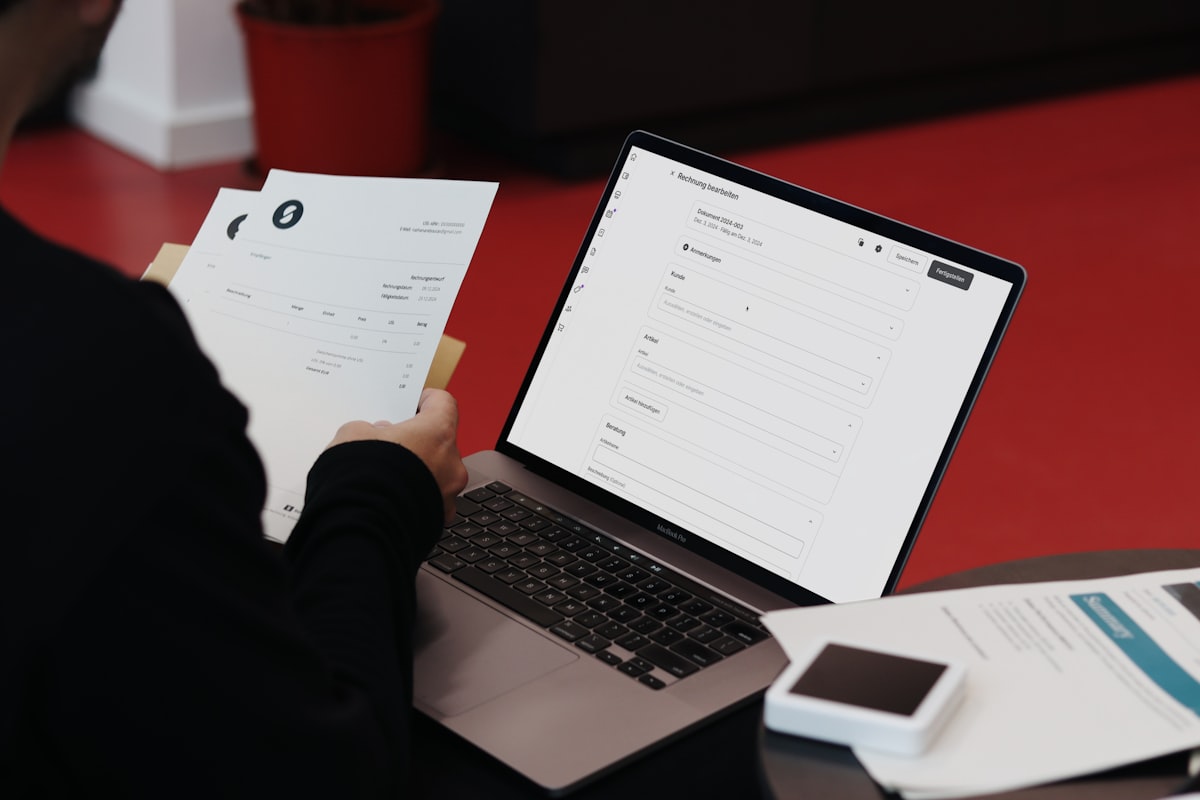
Best Invoicing Software for Event Planners (2026)

Wedding Vendor Payment Schedule Template
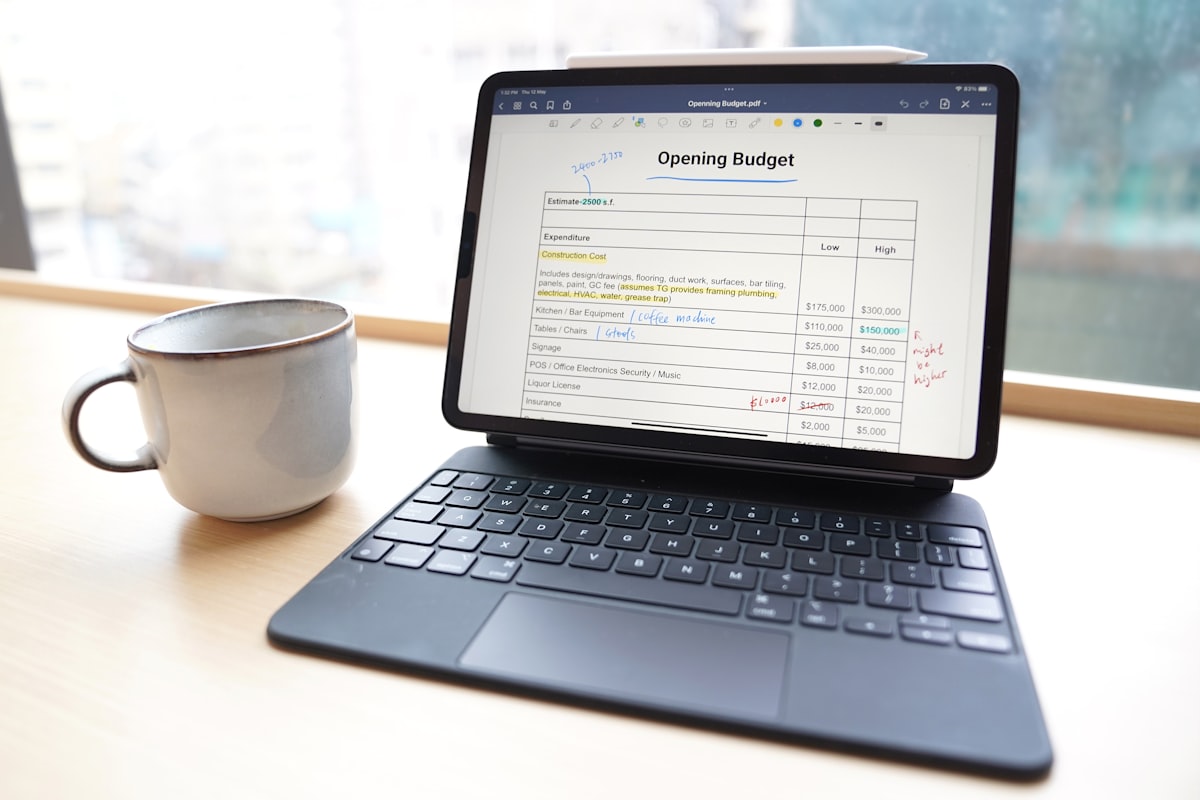
Event Planner Markup Percentage by Vendor Type

Bizzabo Alternatives for Event Planners

Vendor Relationship Management for Event Planners

Event Cost Calculator: Estimate Your Budget Right

Event Contractor Payment Tracking Tools for Planners

Event Communication Plan Template for Planners

How to Create Event Planning Packages

Event Insurance Cost: What Percentage of Your Budget
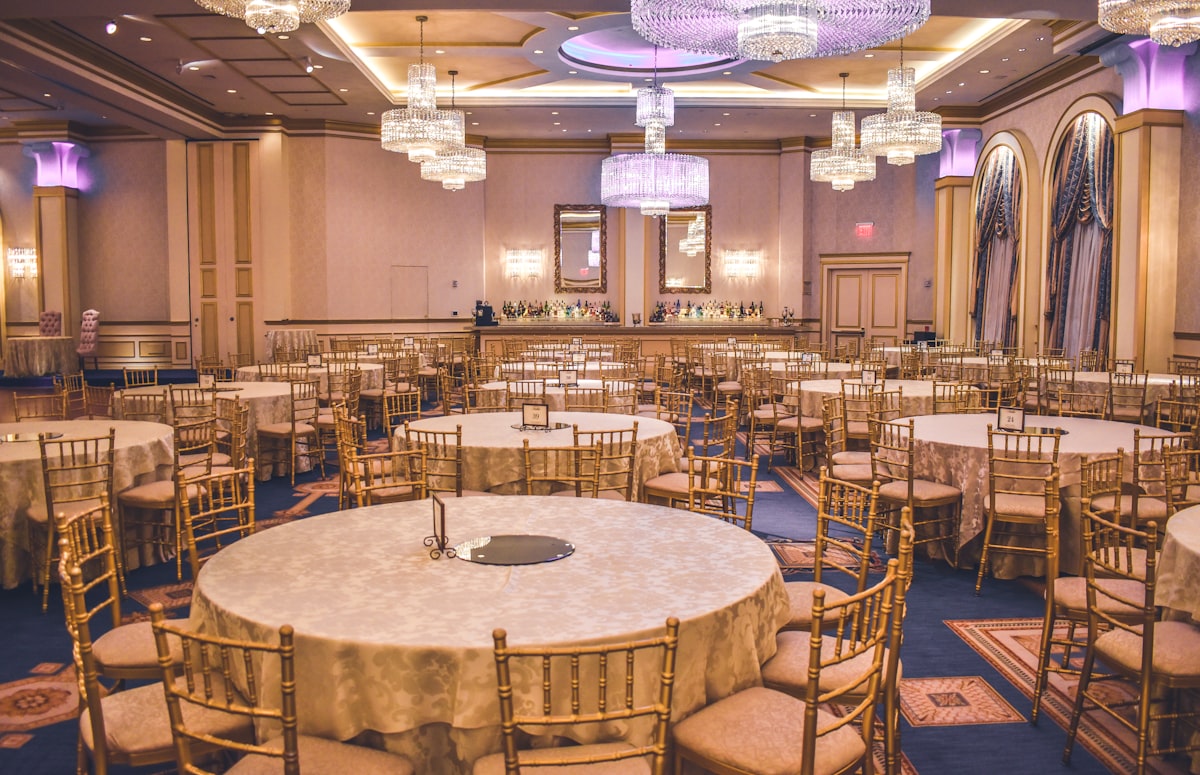
Social Tables Alternatives for Event Planners

How to Avoid Hidden Vendor Fees at Events

Corporate Event Planning Checklist for 2026

Post-Event Evaluation Template for Planners

Event Workflow Software: A Practical Guide

Propared Alternatives for Event Planners

Best Software for Managing Event Contractors

Wedding Planner Commission Rate Guide for 2026

Best CRM for Event Planners in 2026

Event Coordinator Tools for Portugal

Event Planner CRM: What to Look For in 2026
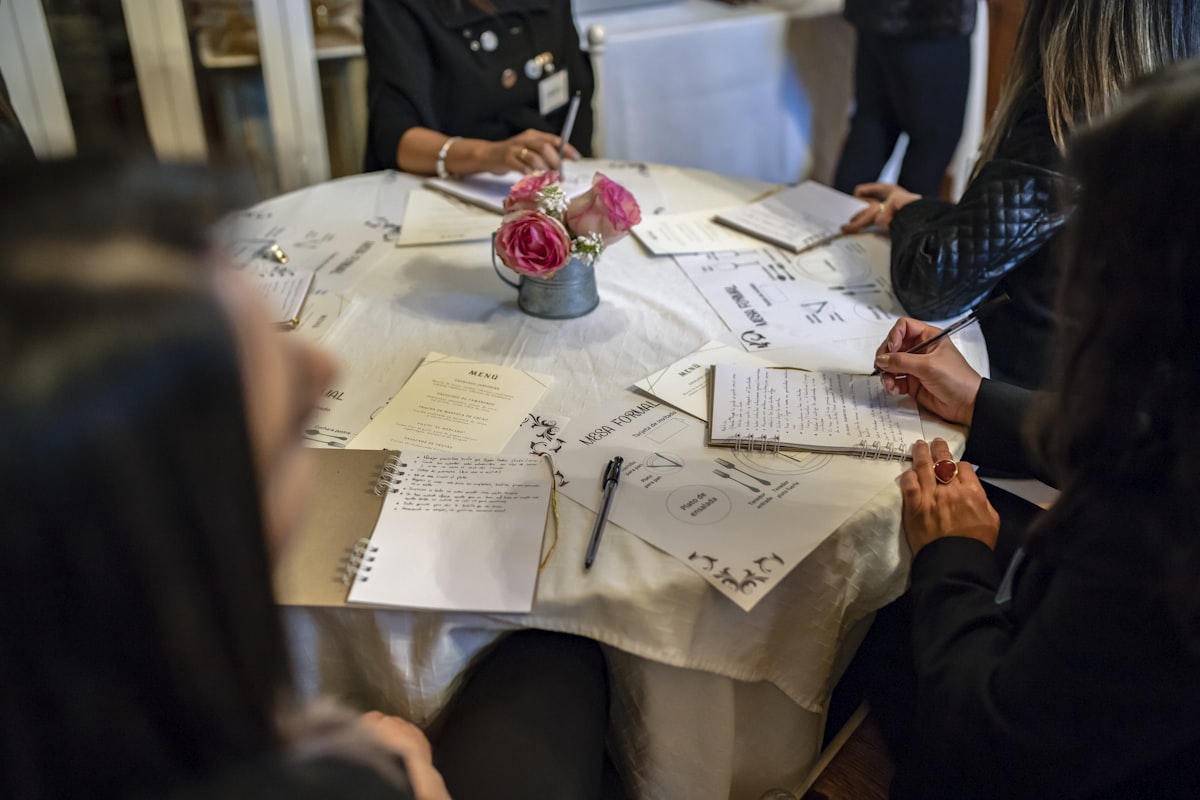
Vendor Contract Red Flags for Event Planners

Tripleseat Alternatives for Independent Planners

Event Catering Cost per Person by Event Type

Freelance Event Planner Toolkit for 2026

Wedding Vendor Management Spreadsheet Template

Subcontractor Management for Events in Portugal

Hidden Costs of Event Planning You Need to Know
Event Planning Software Pricing Compared

Event Planner Pricing Calculator: Set Your Fees
Event RFP Template for Professional Planners

How Much to Tip Event Staff and Vendors

Event Staff-to-Guest Ratios by Service Role

How Much Deposit Do Event Vendors Require?

Micro Wedding Planning Checklist

How to Hire Vendors for Your Wedding

How to Brief Event Staff Before an Event

Cvent Alternatives for Small Event Planners

How to Invoice Event Clients and Get Paid

Event Vendor Performance Scorecard Guide
Event Budgeting Apps: A Practical Guide for Planners

Cut Event Costs Without Sacrificing Quality

Dubsado vs HoneyBook for Event Planners

Event Risk Management Plan Template

Aisle Planner vs HoneyBook for Event Planners

Event Planning Workflow That Keeps Projects on Track

Wedding Planning Software for Portugal

Corporate Event Management Software for Portugal

Event Collaboration Tools for Planning Teams

Best Wedding Planner Tools for 2026 (Solo to Team)

Event Cost Breakdown Template for Planners

Event Budget Contingency Planning Guide

Event Management Automation Tools for 2026
5 Planning Pod Alternatives Compared (2026)
Event Day-of Coordination Checklist

How to Negotiate Event Vendor Pricing
Event Client Onboarding Template

Best Event Planning Apps Compared: 2026 Picks for Pros

AI Tools for Event Planning: A Practical Guide

How to Create a Vendor Shortlist for Events
HoneyBook Alternatives for Event Planners

Event Planner Tools for Brazil: A Practical Guide

Free Wedding Planner Tools That Work

Event Planning Checklist: 6 Phases to Cover

Wedding Planning Software: A Guide for Pros

How to Write an Event Proposal That Wins Clients

How to Coordinate Wedding Vendors Like a Pro

Event Vendor Cancelled? Your 3-Step Recovery Plan

Event Vendor Management Tips That Actually Work

5 Signs You've Outgrown Spreadsheets for Event Planning