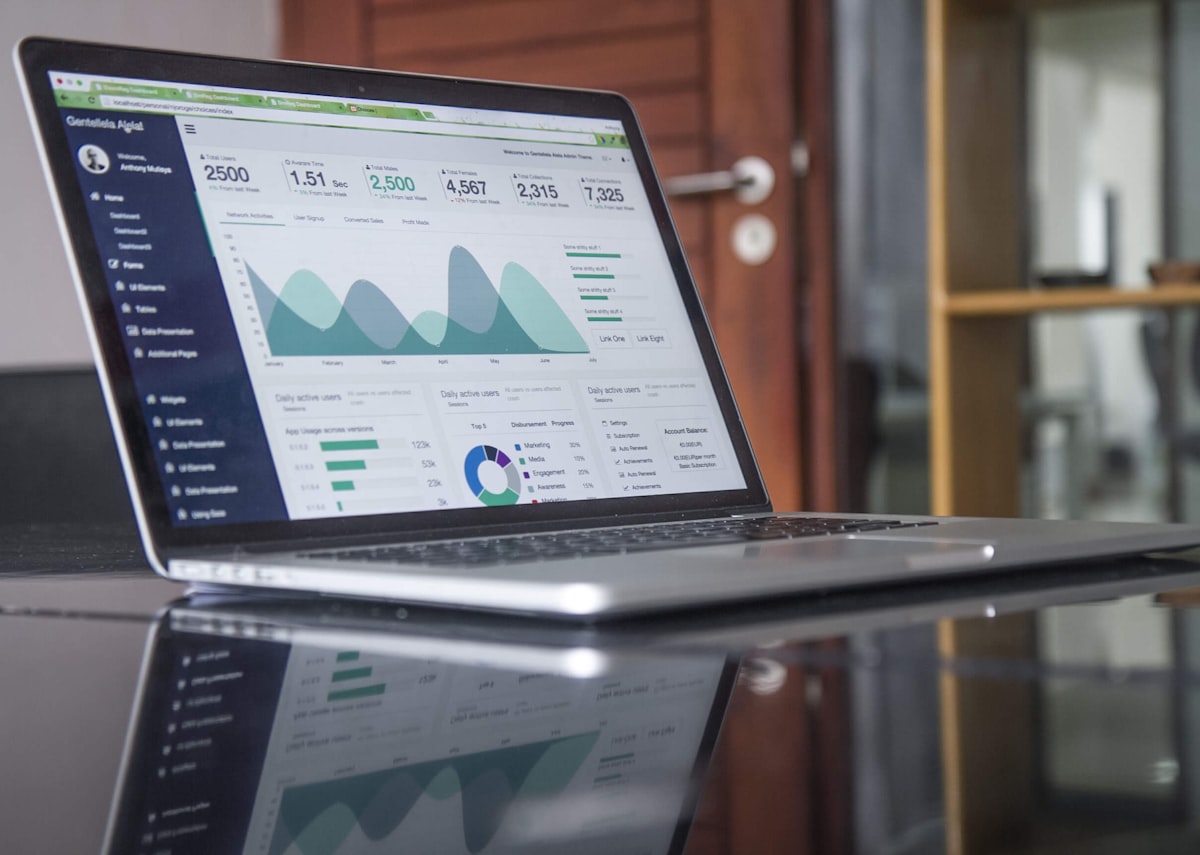
An event cost calculator turns vague budget guesses into structured estimates. Instead of pulling numbers from memory or copying last year's spreadsheet, a calculator forces you to account for every category, from venue rental to contingency reserves. The result is a budget that reflects what the event will actually cost, not what you hope it will cost.
A calculator is only as good as the inputs you feed it. This guide covers the cost categories that matter, how allocations shift by event type, and how to validate calculator outputs against real vendor quotes.
Cost Categories Every Event Calculator Should Cover
Most event cost calculators break expenses into five to eight categories. The specific names vary, but the structure is consistent across corporate conferences, weddings, and private events.
Venue and site fees. This covers rental charges, security deposits, setup and teardown windows, insurance requirements, and any venue-mandated services. Some venues bundle AV equipment or catering into the rental; others charge separately. Always confirm what the venue fee includes before entering a number into your calculator.
Catering and beverages. Food and drink typically represent the largest single line item, ranging from 25% to 50% of the total budget depending on the event format. Include per-person meal costs, bar packages, service staff, equipment rentals (if not bundled with the caterer), and gratuity. Our guide to catering costs per person has detailed price ranges by event type.
Production and technical. Sound systems, lighting rigs, staging, projectors, screens, and the crew to operate them. Corporate events and concerts spend heavily here. Weddings less so, but still need microphones, DJ equipment, and uplighting at minimum.
Staffing. Event coordinators, registration desk staff, security, servers beyond what the caterer provides, photographers, and videographers. Use our staff-to-guest ratio guide to estimate headcount accurately.
Decor and design. Florals, furniture rentals, linens, signage, centerpieces, and any custom installations. This category has the widest variance. A minimalist corporate dinner might allocate 3-5%. A luxury wedding can push past 20%.
Marketing and communications. Invitations, programs, signage, social media promotion, and any digital assets. For conferences and public events, add ticket platform fees and advertising spend.
Transportation and logistics. Shuttle services, parking, freight for equipment, travel expenses for speakers or performers, and accommodation for out-of-town staff.
Contingency reserve. Add 10-15% of the total estimated budget as a buffer. Events rarely land exactly on the original estimate. Weather changes force tent rentals. A speaker cancels and the replacement costs more. Equipment fails and you need a rush rental. The contingency line prevents these surprises from derailing the entire budget.
Budget Allocation by Event Type
The same cost categories apply to most events, but the percentage split changes significantly based on the format. Here are three common event types with typical allocation ranges.
Corporate conferences and seminars. Venue: 25-30%. Catering: 20-25%. Production/AV: 15-20%. Marketing: 10-15%. Staffing: 10%. Contingency: 10%. The production budget runs higher because conferences depend on reliable AV, staging, and connectivity. Catering is usually simpler (boxed lunches, coffee breaks) compared to seated dinners.
Weddings. Venue: 30-40%. Catering: 25-35%. Decor: 10-20%. Photography/video: 8-12%. Music/entertainment: 5-10%. Contingency: 10%. Weddings concentrate spending on venue and catering because the experience revolves around the setting and the meal. Decor is the most variable category, and couples often adjust it to fit whatever budget remains after locking in venue and food.
Music shows and festivals. Talent/performers: 30-40%. Production/AV: 20-25%. Venue/site: 15-20%. Security/staffing: 10-15%. Marketing: 5-10%. Contingency: 10%. Artist fees dominate the budget. Production is the second-largest expense because sound quality and lighting directly affect the audience experience.
When using an event cost calculator, start with these benchmarks, then adjust based on your specific priorities and local pricing. A wedding in a major metro area will push venue costs higher. A corporate event in a hotel with bundled AV will shift production costs lower. To convert these totals into a single comparable number, our cost per attendee calculator guide shows how to divide budget by headcount and benchmark the result against industry standards.
How to Validate Calculator Estimates Against Real Quotes
A calculator gives you a starting point, not a final budget. The gap between estimated and actual costs narrows only when you test your numbers against real vendor quotes.
Get three quotes per major category. For venue, catering, and production, request quotes from at least three providers. Compare not just the total price but what each quote includes. One caterer's per-person rate might include service staff and equipment. Another's might not.
Check for unbundled costs. Venue quotes often exclude parking, coat check, overtime fees, and cleaning charges. Catering quotes may not include cake-cutting fees, corkage charges, or late-night snack stations. Ask every vendor: "What is not included in this quote?"
Compare against your calculator output. If your calculator estimated $15,000 for catering and the average quote comes in at $22,000, your per-person assumption was wrong. Update the calculator inputs and re-run the estimate. Do this for every major category.
Lock in confirmed prices progressively. As you sign contracts, replace estimated figures with actual contracted amounts in your budget tracker. This hybrid view gives you the most accurate picture at any point in the planning process. Our free budget calculator generates cost estimates by event type and guest count to give you that initial baseline. From there, Abastio's budget tracking features let you manage line items with real costs as contracts get signed.
Common Mistakes That Inflate or Undercount Event Costs
Even with a calculator, certain errors consistently lead to inaccurate budgets.
Forgetting taxes and service charges. A venue quote of $5,000 becomes $6,100 after a 10% service charge and 12% tax. Always calculate costs inclusive of taxes and fees, not net of them.
Using outdated per-unit costs. Catering prices from two years ago do not reflect current food and labor costs. Update your calculator inputs with recent local quotes at least once per quarter if you plan events regularly.
Ignoring setup and teardown costs. Venues charge for extra hours. Vendor teams charge for load-in time. Rental companies charge delivery and pickup fees. Planners often miss these logistics costs because they happen before and after the event itself.
Skipping the contingency reserve. First-time planners often see the contingency line as padding they can cut. Experienced planners treat it as the line that saves the event when something goes wrong. Budget for it as a fixed percentage, not a "nice to have."
Double-counting bundled services. If your venue includes AV equipment in the rental fee, do not also budget for AV equipment separately. Review vendor proposals carefully to identify overlap. Our guide on hidden vendor fees walks through the most common bundling traps.
Turning Estimates into a Working Budget
A cost calculator gets you from zero to an initial estimate in minutes. The real value comes from turning that estimate into a living document that tracks actual spending throughout the planning process.
Start by recording your calculator output as a baseline. Then create a budget tracker with three columns for each line item: estimated cost, contracted cost, and actual cost paid. As you sign vendor contracts and make payments, update the contracted and actual columns. Compare them against your estimates to spot trends early.
If catering and decor are running 15% over estimate but venue came in under, you can reallocate without increasing the total budget. This kind of adjustment is only possible when your estimates and actuals live in the same view.
For planners running multiple events, a centralized platform removes the friction of managing separate spreadsheets for each project. Abastio lets you build budgets with line items, track costs per event, and see your total exposure across all active projects. Start a free account to see how it fits your workflow, and compare pricing plans to find the tier that matches your event volume.
Frequently Asked Questions
How accurate are online event cost calculators?
Online calculators provide a useful starting range, not a precise quote. Most use national or regional averages for cost categories like venue, catering, and production. Your actual costs depend on local market pricing, vendor availability, and the specific requirements of your event. Use a calculator to set an initial baseline, then validate each category with real vendor quotes.
What percentage of my event budget should go to contingency?
Plan for 10-15% of your total budget as a contingency reserve. Events with more moving parts, outdoor elements, or tight timelines benefit from the higher end of that range. Indoor corporate events in a single venue with a controlled vendor list can work closer to 10%.
How do I estimate event costs with no prior budgets to reference?
Start with published benchmarks for your event type and guest count. A corporate conference typically runs $150-$300 per attendee for a full day. Weddings range from $100-$500 per guest depending on the market and formality level. Enter these ranges into a calculator, then refine each category as you collect local vendor quotes.
Should I include vendor tips in my event cost estimate?
Yes. Gratuity for catering staff, bartenders, valets, and other service providers typically adds 15-20% on top of contracted fees. Some contracts include gratuity in the quoted rate, others do not. Ask each vendor whether their quote is inclusive or exclusive of tips. Our event tip and gratuity guide covers standard rates by vendor type.
When should I finalize my event budget estimate?
Lock your baseline estimate at least four to six months before the event date for large events (200+ guests), and two to three months for smaller events. This gives you time to collect vendor quotes, negotiate rates, and adjust allocations before signing contracts. Continue updating the budget with actual costs as you confirm vendors and make deposits.
Ready to simplify your event management?
Try Abastio free and see how it streamlines vendor coordination.
Start freeMore posts

Event Subcontractor Agreement Template

Destination Wedding Vendor Coordination Guide

Post-Event Vendor Debrief Template

Wedding Timeline Software: A Planner's Guide
Event Setup and Teardown Checklist for Planners

Wedding Vendor Checklist Template for Planners

How to Handle Last-Minute Event Changes

How to Create an Event Run Sheet (Step by Step)
Event Logistics Planning Guide for Organizers

How to Manage Corporate Event Vendors

Client Communication Tips for Event Planners
Planning Pod vs HoneyBook: Which Fits Your Events?

Event Cost per Attendee Calculator and Guide

How to Create a Vendor Management System for Events

Event Staffing Software for Small Business Teams

Whova Alternatives for Event Planners in 2026

Eventbrite Alternatives for Small Events in 2026

Event Vendor Insurance Requirements Checklist

How to Choose Event Management Software
Best Invoicing Software for Event Planners (2026)
Wedding Vendor Payment Schedule Template
Event Planner Markup Percentage by Vendor Type

Bizzabo Alternatives for Event Planners

Vendor Relationship Management for Event Planners

Event Contractor Payment Tracking Tools for Planners

Event Communication Plan Template for Planners

How to Create Event Planning Packages

Event Insurance Cost: What Percentage of Your Budget

Social Tables Alternatives for Event Planners

How to Avoid Hidden Vendor Fees at Events
Corporate Event Planning Checklist for 2026

Post-Event Evaluation Template for Planners

Event Workflow Software: A Practical Guide
Propared Alternatives for Event Planners

Best Software for Managing Event Contractors

Wedding Planner Commission Rate Guide for 2026

Best CRM for Event Planners in 2026

Event Coordinator Tools for Portugal

Event Planner CRM: What to Look For in 2026
Vendor Contract Red Flags for Event Planners

Tripleseat Alternatives for Independent Planners

Event Catering Cost per Person by Event Type

Freelance Event Planner Toolkit for 2026

Wedding Vendor Management Spreadsheet Template

Subcontractor Management for Events in Portugal

Hidden Costs of Event Planning You Need to Know
Event Planning Software Pricing Compared

Event Planner Pricing Calculator: Set Your Fees
Event RFP Template for Professional Planners
How Much to Tip Event Staff and Vendors
Event Staff-to-Guest Ratios by Service Role

How Much Deposit Do Event Vendors Require?

Micro Wedding Planning Checklist

How to Hire Vendors for Your Wedding

How to Brief Event Staff Before an Event

Cvent Alternatives for Small Event Planners

How to Invoice Event Clients and Get Paid

Event Vendor Performance Scorecard Guide
Event Budgeting Apps: A Practical Guide for Planners
Cut Event Costs Without Sacrificing Quality
Dubsado vs HoneyBook for Event Planners

Event Risk Management Plan Template

Aisle Planner vs HoneyBook for Event Planners

Event Planning Workflow That Keeps Projects on Track

Wedding Planning Software for Portugal

Corporate Event Management Software for Portugal
Event Collaboration Tools for Planning Teams

Best Wedding Planner Tools for 2026 (Solo to Team)

Event Cost Breakdown Template for Planners

Event Budget Contingency Planning Guide

Event Management Automation Tools for 2026
5 Planning Pod Alternatives Compared (2026)
Event Day-of Coordination Checklist

How to Negotiate Event Vendor Pricing
Event Client Onboarding Template

Best Event Planning Apps Compared: 2026 Picks for Pros

AI Tools for Event Planning: A Practical Guide

How to Create a Vendor Shortlist for Events
HoneyBook Alternatives for Event Planners

Event Planner Tools for Brazil: A Practical Guide

Free Wedding Planner Tools That Work

Event Planning Checklist: 6 Phases to Cover

Wedding Planning Software: A Guide for Pros

How to Write an Event Proposal That Wins Clients

How to Coordinate Wedding Vendors Like a Pro

Event Vendor Cancelled? Your 3-Step Recovery Plan

Event Vendor Management Tips That Actually Work

5 Signs You've Outgrown Spreadsheets for Event Planning