
Most wedding vendor checklists online are designed for couples planning a single event. They list "photographer" and "caterer" with a checkbox next to each name. For a professional planner managing five weddings at once, that format is useless. You need a checklist that tracks booking timelines, vetting status, collected documents, and vendor dependencies across every event on your calendar.
This template covers 12 vendor categories with booking windows, vetting criteria, and a document collection checklist for each. Use it as a repeatable system, not a one-time list.
The 12 Vendor Categories and When to Book Each
Booking timelines vary by market and season, but these windows reflect industry norms for weddings with 100 to 200 guests. Adjust earlier for peak-season dates (May through October) or destination weddings.
12+ months out:
- Venue. Confirms date, capacity, catering restrictions, and vendor access rules. Everything else depends on this booking.
- Wedding planner. If the couple hires externally, skip this if you are the planner.
- Photographer. Top photographers book 12 to 18 months ahead. Secure this early or lose your first choice.
9 to 12 months out:
- Caterer or food service. Menu tastings need 2 to 3 months of lead time after booking.
- Videographer. Often booked alongside the photographer to share timeline coordination.
- DJ or live band. Saturday dates fill fast in most markets.
6 to 9 months out:
- Florist and decor. Seasonal flower availability affects design, so lock this in early enough to source alternatives.
- Officiant. Religious or civil, confirm their availability for the rehearsal too.
- Lighting and AV. Especially important for outdoor or non-traditional venues with limited infrastructure.
3 to 6 months out:
- Cake or dessert vendor. Tastings and design finalization happen in this window.
- Rentals (tables, chairs, linens, dinnerware). Inventory holds expire, so confirm quantities closer to the date.
- Transportation. Shuttle logistics depend on guest count and venue access.
Professional planners who hire vendors regularly can find detailed sourcing and interview guidance in our wedding vendor hiring guide.
What to Verify Before Booking Each Vendor
A checkbox next to "caterer: booked" tells you nothing about whether that caterer will deliver. Before moving any vendor from "prospecting" to "booked," verify these five criteria.
Portfolio and references. Review three to five recent events similar in size and style to yours. Ask for references from other planners, not just couples. A planner reference tells you how the vendor handles logistics pressure, timeline changes, and coordination with other vendors on the day.
Insurance and licensing. Confirm the vendor carries general liability insurance. Most venues require $1M minimum coverage, and the specific insurance requirements vary by vendor category. For caterers, verify their food handler's permit and health department compliance. For transportation, confirm commercial vehicle insurance and proper licensing.
Venue compatibility. Not every vendor works well at every venue. Check whether the vendor has worked at your specific venue before. Ask the venue coordinator which vendors they recommend and which have caused problems. Venues with exclusive vendor lists or preferred vendor programs will restrict your options, so verify this before you start sourcing.
Backup and contingency plan. Ask every vendor: "What happens if you cannot make it on the day?" The answer should include a named backup, not a vague promise. Photographers and DJs are the most common day-of no-shows. Our guide on vendor cancellation contingency planning covers backup strategies in detail.
Communication responsiveness. Track how long each vendor takes to reply during the sales process. A vendor who takes five days to respond to a booking inquiry will take five days to respond when you need a timeline update two weeks before the wedding. This is data, not a feeling. Note response times on the checklist.
Documents to Collect for Every Vendor
A booked vendor without a paper trail is a liability. For each vendor on your checklist, collect and file these documents before the booking status moves to "confirmed."
Signed contract. The contract should include the scope of work, total fee, payment schedule, cancellation terms, and a force majeure clause. Read the cancellation policy closely. Some vendors charge 50% for cancellations within 90 days; others charge the full fee. Know what you are agreeing to. Watch for common contract red flags before signing.
Certificate of insurance. Request a copy of the vendor's general liability insurance certificate. The venue will ask for this, and if the vendor cannot produce one, that is a disqualifying problem.
Payment schedule and receipts. Record every payment milestone: deposit amount, deposit date, interim payments, and final payment due date. File receipts for each payment. For a planner running eight weddings, missed payment deadlines compound fast. Our wedding vendor payment schedule template provides a tracking format built for this. The free budget calculator can help you set baseline cost allocations per vendor category before you start collecting quotes.
Permits and licenses. Caterers need food service permits. Bartenders need liquor licenses, or the venue holds the license. Pyrotechnic vendors need fire permits. Transportation companies need commercial operating authority. Collect copies and verify expiry dates.
Contact sheet. For each vendor, record the primary contact name, phone, email, day-of contact (if different), and preferred communication channel. Many vendors prefer WhatsApp or text for day-of coordination, not email. Note this on the checklist so your team reaches the right person through the right channel on the wedding day.
Mapping Vendor Dependencies
Vendors do not operate in isolation. The caterer needs kitchen access times from the venue. The florist needs the lighting rig installed before hanging centerpieces. The photographer needs the DJ's playlist timeline to plan shots. Missing one dependency creates a cascade of delays on the wedding day.
Map these common dependencies at the time of booking, not the week before the event.
Venue + caterer + rentals. The venue dictates kitchen access, load-in windows, and capacity. The caterer plans setup and service around these constraints. Rental companies need the venue floor plan to deliver the right quantities. Confirm all three are aligned on the timeline before the month of the wedding.
Florist + lighting + decor. Floral installations, lighting rigs, and decorative elements share physical space. Installation order matters. Lighting typically goes first (rigging above tables), followed by florals, then smaller decor. Coordinate a shared load-in schedule across all three vendors.
Photographer + videographer + DJ. The photography timeline drives the entertainment timeline. First dance, toasts, cake cutting, and bouquet toss all require the photographer, videographer, and DJ to sync. Share a single event timeline document across all three, and consider using wedding timeline software that generates vendor-filtered views so each of these three sees only their relevant blocks.
Transportation + venue + catering. Guest shuttle schedules depend on ceremony and reception start times. The venue's parking capacity affects how many shuttles you need. The caterer's cocktail hour timing depends on when guests arrive. One change in transportation logistics ripples through all three areas.
Build these dependency maps into your checklist as linked notes or a separate coordination tab. When you update one vendor's timeline, the dependency map shows you who else to notify, and a structured vendor coordination system ensures those notifications actually happen.
Scaling the Checklist Across Concurrent Weddings
A single-wedding checklist works fine for couples. Professional planners need a system that handles five, ten, or twenty weddings in various stages of vendor booking.
Tag vendors by availability window. When you book a photographer for June 15, mark them as unavailable for that date across all your active weddings. A vendor pool with date-based availability tracking prevents double-booking and speeds up sourcing for the next event. Tools like Abastio let you maintain a contractor pool with tags, booking status, and contact details in one place, replacing the multi-tab spreadsheet.
Standardize the checklist per vendor category. Use the same vetting criteria and document collection requirements for every wedding. When you onboard a new florist for one wedding, the verified insurance, contract, and references carry over to the next event with that vendor. Your checklist should distinguish between "first-time vendor" (full vetting required) and "returning vendor" (verify insurance is current, confirm availability, sign new contract).
Track status at the wedding level and the vendor level. Each wedding needs its own checklist showing which categories are filled. Your vendor pool also needs a view showing each vendor's bookings across all active weddings. This dual view prevents the situation where you think a category is covered because the vendor is in your pool, but you never actually booked them for that specific event.
For planners tracking this in spreadsheets, our vendor management spreadsheet template provides the column structure. For planners ready to move beyond spreadsheets, Abastio's event management tools centralize the vendor pool, booking status, and budget tracking across all your events.
Frequently Asked Questions
How many vendors does a typical wedding need?
A typical wedding with 100 to 200 guests involves 8 to 15 vendor categories. The exact number depends on the venue (full-service venues may provide catering and rentals) and the couple's priorities. Budget-conscious weddings often combine categories, like hiring a DJ who also handles lighting, or choosing a venue that includes tables and linens.
When should I start booking vendors for a wedding?
Start with the venue and photographer 12 to 18 months before the wedding date, especially for peak-season Saturdays. Work through the remaining categories in the timeline order listed above, finishing with transportation and rentals at 3 to 6 months out. Destination weddings and holiday weekends require even earlier booking.
What is the most important document to collect from each vendor?
The signed contract. It defines scope, payment terms, and cancellation policy. Without a signed contract, you have no legal protection if the vendor fails to deliver. Insurance certificates are a close second, as most venues will not allow a vendor on-site without proof of liability coverage.
How do I track vendor bookings across multiple weddings at the same time?
Use a system with two views: a per-wedding checklist showing which categories are filled, and a vendor-level view showing each vendor's bookings across all your events. Spreadsheets work for two or three concurrent weddings. Beyond that, dedicated contractor management tools centralize your vendor pool, booking status, and budget in one dashboard.
Should I use a digital or printed vendor checklist?
Use digital for tracking and printed for day-of reference. A digital checklist in a spreadsheet or vendor management tool lets you update status, filter by category, and share with your team in real time. Print a simplified version for the wedding day that includes vendor contact details, arrival times, and setup locations. Your day-of coordinator and lead assistant each need a printed copy as a backup.
Ready to simplify your event management?
Try Abastio free and see how it streamlines vendor coordination.
Start freeMore posts

Event Subcontractor Agreement Template

Destination Wedding Vendor Coordination Guide

Post-Event Vendor Debrief Template

Wedding Timeline Software: A Planner's Guide

Event Setup and Teardown Checklist for Planners

How to Handle Last-Minute Event Changes

How to Create an Event Run Sheet (Step by Step)

Event Logistics Planning Guide for Organizers

How to Manage Corporate Event Vendors

Client Communication Tips for Event Planners

Planning Pod vs HoneyBook: Which Fits Your Events?

Event Cost per Attendee Calculator and Guide

How to Create a Vendor Management System for Events

Event Staffing Software for Small Business Teams

Whova Alternatives for Event Planners in 2026

Eventbrite Alternatives for Small Events in 2026

Event Vendor Insurance Requirements Checklist

How to Choose Event Management Software
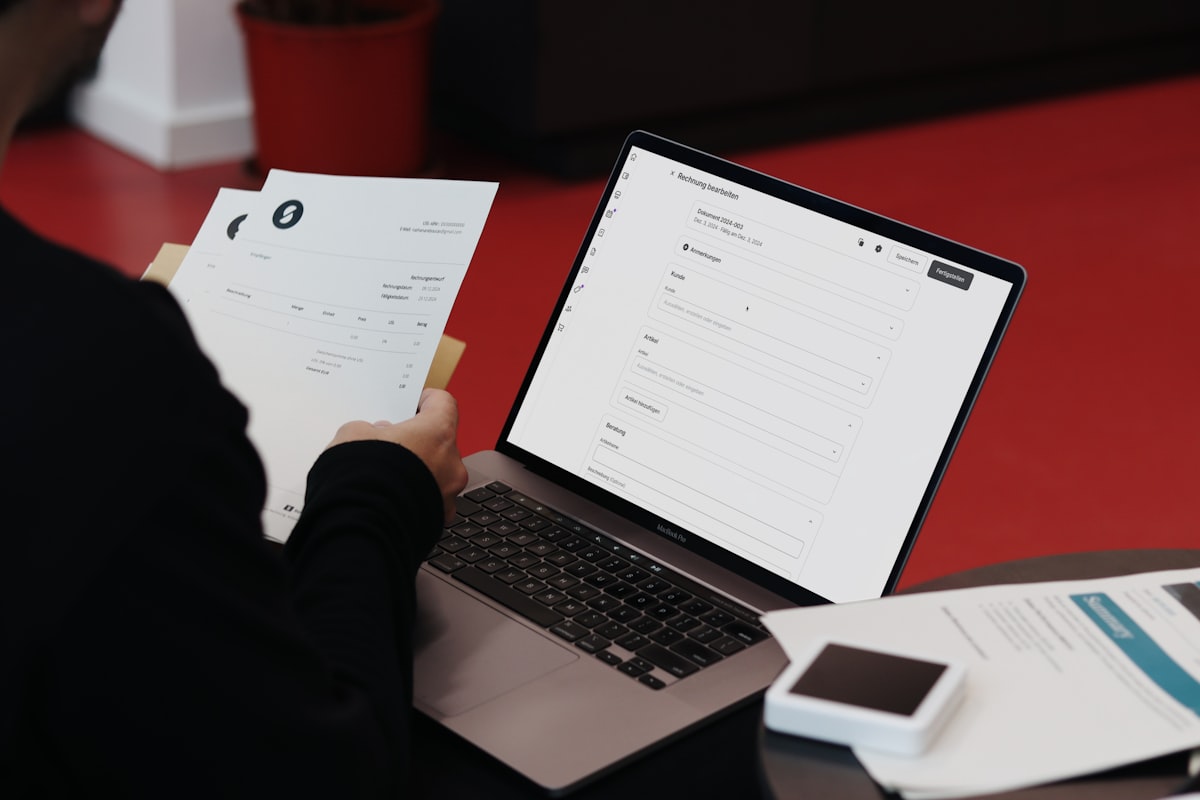
Best Invoicing Software for Event Planners (2026)

Wedding Vendor Payment Schedule Template
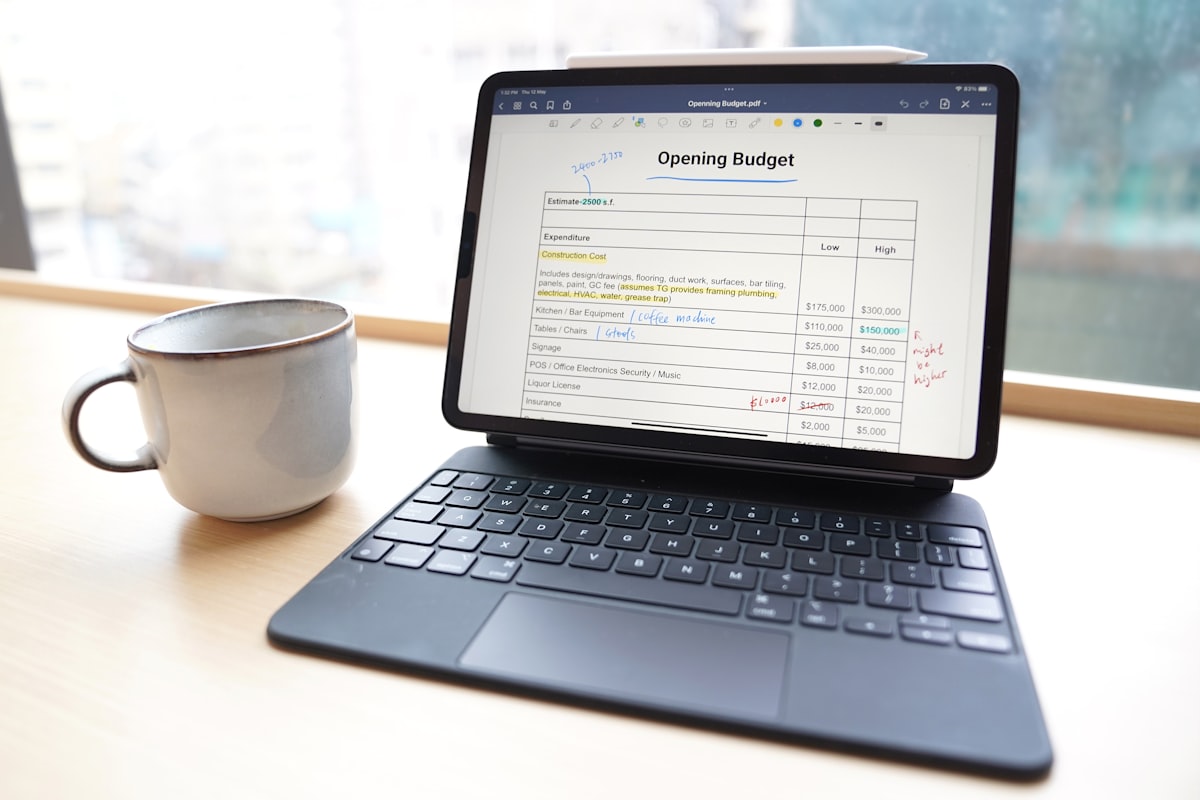
Event Planner Markup Percentage by Vendor Type

Bizzabo Alternatives for Event Planners

Vendor Relationship Management for Event Planners

Event Cost Calculator: Estimate Your Budget Right

Event Contractor Payment Tracking Tools for Planners

Event Communication Plan Template for Planners

How to Create Event Planning Packages

Event Insurance Cost: What Percentage of Your Budget

Social Tables Alternatives for Event Planners

How to Avoid Hidden Vendor Fees at Events

Corporate Event Planning Checklist for 2026

Post-Event Evaluation Template for Planners

Event Workflow Software: A Practical Guide

Propared Alternatives for Event Planners

Best Software for Managing Event Contractors

Wedding Planner Commission Rate Guide for 2026

Best CRM for Event Planners in 2026

Event Coordinator Tools for Portugal

Event Planner CRM: What to Look For in 2026
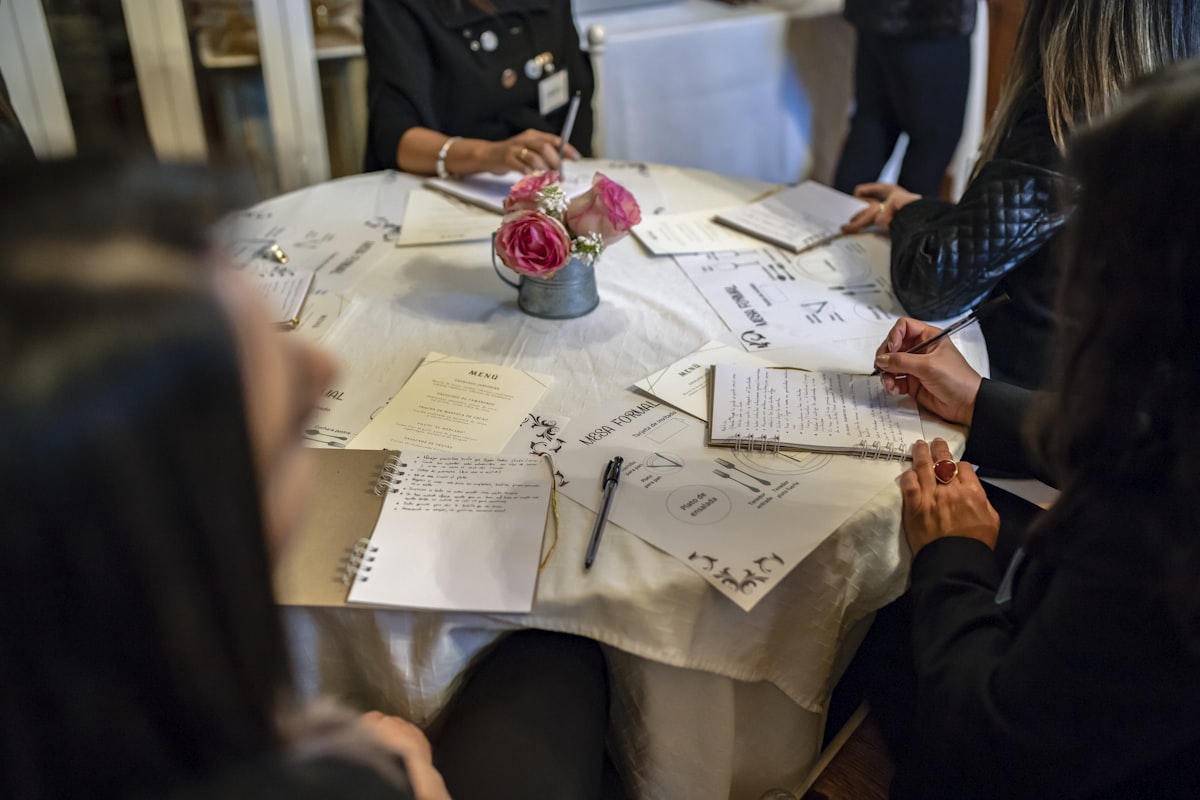
Vendor Contract Red Flags for Event Planners

Tripleseat Alternatives for Independent Planners

Event Catering Cost per Person by Event Type

Freelance Event Planner Toolkit for 2026

Wedding Vendor Management Spreadsheet Template

Subcontractor Management for Events in Portugal

Hidden Costs of Event Planning You Need to Know
Event Planning Software Pricing Compared

Event Planner Pricing Calculator: Set Your Fees
Event RFP Template for Professional Planners

How Much to Tip Event Staff and Vendors

Event Staff-to-Guest Ratios by Service Role

How Much Deposit Do Event Vendors Require?

Micro Wedding Planning Checklist

How to Hire Vendors for Your Wedding

How to Brief Event Staff Before an Event

Cvent Alternatives for Small Event Planners

How to Invoice Event Clients and Get Paid

Event Vendor Performance Scorecard Guide
Event Budgeting Apps: A Practical Guide for Planners

Cut Event Costs Without Sacrificing Quality

Dubsado vs HoneyBook for Event Planners

Event Risk Management Plan Template

Aisle Planner vs HoneyBook for Event Planners

Event Planning Workflow That Keeps Projects on Track

Wedding Planning Software for Portugal

Corporate Event Management Software for Portugal

Event Collaboration Tools for Planning Teams

Best Wedding Planner Tools for 2026 (Solo to Team)

Event Cost Breakdown Template for Planners

Event Budget Contingency Planning Guide

Event Management Automation Tools for 2026
5 Planning Pod Alternatives Compared (2026)
Event Day-of Coordination Checklist

How to Negotiate Event Vendor Pricing
Event Client Onboarding Template

Best Event Planning Apps Compared: 2026 Picks for Pros

AI Tools for Event Planning: A Practical Guide

How to Create a Vendor Shortlist for Events
HoneyBook Alternatives for Event Planners

Event Planner Tools for Brazil: A Practical Guide

Free Wedding Planner Tools That Work

Event Planning Checklist: 6 Phases to Cover

Wedding Planning Software: A Guide for Pros

How to Write an Event Proposal That Wins Clients

How to Coordinate Wedding Vendors Like a Pro

Event Vendor Cancelled? Your 3-Step Recovery Plan

Event Vendor Management Tips That Actually Work

5 Signs You've Outgrown Spreadsheets for Event Planning