
Choosing event management software should take less time than planning the events themselves. But most planners spend weeks comparing tools, reading feature lists that all sound identical, and signing up for trials they never finish. The problem is not a lack of options. Most software guides compare 25 platforms without telling you how to figure out which one matches your actual workflow. This guide gives you a decision framework built for working event planners, not enterprise procurement teams.
Define What You Actually Need First
Skipping the requirements step is the most expensive shortcut in software selection. A wedding planner managing 20 contractors per event has fundamentally different needs than a corporate team running 200-person conferences. Before you open a single product page, answer four questions.
What is your primary coordination problem? For most small event planning teams, the answer falls into one of three buckets: contractor and vendor coordination, client communication and quoting, or budget tracking and cost control. Your primary pain point determines which category of software deserves your attention.
How many people need access? Solo planners need simplicity. Teams of three to five need role-based access so coordinators handle logistics while the lead planner manages client relationships and pricing. Teams above five need permission controls to protect sensitive financial data.
What are you replacing? If you are moving from spreadsheets and WhatsApp groups, you need a tool that simplifies your workflow, not one that adds complexity. If you are switching from another platform, your migration requirements are different. Knowing your starting point shapes everything from feature priorities to your trial plan. If you are stuck between two specific tools, head-to-head comparisons like Planning Pod vs HoneyBook help you narrow the field before starting trials.
What is your monthly budget? Event management software ranges from free to over $500 per month. Compare actual pricing across platforms before narrowing your shortlist. A tool that costs $200 per month but saves you five hours of admin work per week pays for itself quickly if your hourly rate exceeds $40.
Write your answers down. Every platform you evaluate gets measured against these four constraints, not against its own marketing page.
The Wrong-Category Trap
Half of the "event management software" listicles online recommend tools built for a completely different job. This is the single biggest mistake planners make during software selection.
Event software splits into two distinct categories. Operations platforms handle the work of planning and executing events: managing contractors, tracking budgets, generating quotes, coordinating with clients, and organizing your team. Attendee platforms handle the event audience: ticketing, registration, check-in, attendee engagement, and post-event surveys.
If you are a wedding planner, corporate event manager, or freelance organizer, your core challenge is operations. You need to track 15 to 40 contractors per event, manage client expectations, control costs, and coordinate your team. Buying a ticketing platform because it calls itself "event management software" leaves you with a tool that solves the wrong problem.
Before adding any platform to your shortlist, check whether its primary features serve the organizer or the attendee. Look at the product's homepage. If the first three features mentioned are registration, ticketing, and attendee engagement, it is an attendee platform. If the first three features are contractor management, budgets, and client CRM, it is an operations platform. Both are legitimate. They just solve different problems.
If you have already outgrown spreadsheets for event planning, an operations platform is almost certainly what you need. And if your primary challenge is tracking freelance contractors and shift-based staff rather than attendees, our focused guide to event staffing software for small businesses narrows the field further.
Five Features That Separate Good Operations Software from the Rest
Once you know you need an operations platform, not every feature on the comparison chart matters equally. These five capabilities make the biggest difference for planning teams handling multiple events per month.
Contractor Database with Booking History
You manage dozens of contractors across multiple events. A basic contact list is not enough. You need a searchable, filterable database that shows each contractor's rates, availability, past bookings, and performance notes. When a florist cancels two weeks before a wedding, you need to find a replacement from your pool in minutes, not hours. Tools that let you tag contractors by category, location, and reliability help you build shortlists fast.
Client Pipeline Management
Every client moves through stages: inquiry, proposal, booked, in production, post-event. Software that gives you a visual client pipeline, like a Kanban board, shows your entire client portfolio at a glance. You can see which proposals need follow-up, which events are actively in production, and which clients are at risk of going cold. Without this, client management stays trapped in your email inbox.
Budget Tracking with Line-Item Detail
Top-line budget numbers are not enough. You need line-item visibility: what each contractor costs, what has been quoted to the client, what has been paid, and what margin remains. Software that tracks this in real time prevents the budget surprises that damage client trust and eat into your profit. Look for tools that let you export budget reports as PDFs for client presentations.
Quote Generation
Generating quotes manually in Word or Google Docs is slow and error-prone. Operations software should let you build quotes from your service catalog, apply markup, present multiple pricing tiers, and export a professional document. The faster you can turn a client inquiry into a polished proposal, the higher your conversion rate.
Team Access with Role Controls
Not every team member should see client pricing or contractor rates. Role-based access lets you give coordinators visibility into logistics and scheduling while restricting financial data to the lead planner or business owner. This protects sensitive information and reduces the noise each team member sees in the dashboard.
How to Run a Software Trial That Gives You Real Answers
Most software trials fail because planners sign up, click around for ten minutes, and never test the features that actually matter. A structured trial takes one to two hours spread over a week and tells you everything you need to know.
Day one: enter a real event. Do not use sample data. Pick an upcoming event and enter the actual client, contractors, and budget. If the software makes this setup painful, imagine doing it for every event.
Day two: test daily workflows. Update a contractor status, add a budget line item, move a client through the pipeline. Time how long each action takes compared to your current process. If the software is slower than your spreadsheet on routine tasks, it will never get adopted.
Day three: invite a team member. Give them a limited-access account and ask them to complete a task without help. If they need training for basic operations, the tool is too complex for your team size.
Day four: export something. Generate a budget report or a quote and check the output quality. Your clients will see these documents. If the PDF looks unprofessional or requires manual cleanup, that is ongoing work for every event.
Day five: decide. Compare your notes across platforms. The right software is the one that made your real-world test event easier to manage, not the one with the longest feature list. Compare the top event planning apps side by side after you have your evaluation criteria locked in.
Making the Switch Without Disrupting Active Events
The migration question stops many planners from switching tools at all. You have active events, existing client data, and contractors who are mid-project. You cannot shut everything down to set up new software.
Start with your next new event, not your current ones. Let active events finish in your existing system. Use the new platform exclusively for the next event you book. This eliminates migration risk because you are not moving live data under pressure.
Migrate your contractor database first. Your contractor pool is your most valuable data asset. Export it from your spreadsheet or current tool and import it into the new platform before you need it for a live event. Clean up duplicates and outdated contacts during the migration.
Set a cutoff date. Pick a date, usually four to six weeks out, after which all new client work goes into the new system. Communicate this to your team so everyone knows the timeline. Two systems running in parallel is manageable for a few weeks but becomes chaotic after a month.
Skip historical data migration. Unless you regularly reference old events for pricing benchmarks or client history, leave them in your old system. Migrating data you will never use wastes setup time.
If your team manages contractors, clients, and budgets from a single dashboard, the transition goes faster. Start a free trial with Abastio to test how your next event fits into a centralized operations platform built for event planning teams.
Frequently Asked Questions
How long does it take to set up event management software?
Initial setup for a solo planner takes two to four hours: importing your contractor database, entering current clients, and configuring event templates. Teams of three to five should budget a full day for setup and basic training. Enter one real event during setup rather than using sample data to learn the workflow while doing productive work.
What is the typical cost of event management software for small teams?
Pricing ranges from free for solo plans with limited features to $79 to $399 per month for professional and team plans. Most small event planning businesses spend $50 to $200 per month. Total cost depends on the number of users, active events, and whether you need features like quote generation or team role controls. Check event planning software pricing comparisons for detailed breakdowns.
Should I choose event-specific software or a general project management tool?
Event-specific software wins for planners who manage contractors, client pipelines, and event budgets. General tools like Trello, Asana, or Notion handle task management well but lack contractor databases with booking history, quote generation, budget tracking with line items, and client pipelines. If you spend more time building workarounds in a general tool than you would using a purpose-built platform, switch.
How do I get my team to adopt new software?
Involve one team member in the trial from day one. People adopt tools they helped choose. Start with features that solve your team's biggest daily pain point, not the full feature set. Set a hard cutoff date for the old system and do not maintain two systems beyond four to six weeks. If the old spreadsheet is still available, people will default to it.
What red flags should I watch for during a software trial?
Watch for five warning signs: the platform focuses on attendee features (ticketing, check-in) rather than operations; basic tasks like adding a contractor require more than three clicks; data export is locked behind higher pricing tiers; the mobile experience is unusable for on-site work; and pricing jumps dramatically between tiers with no intermediate option. Any one of these signals a poor fit for a working event planning team.
Ready to simplify your event management?
Try Abastio free and see how it streamlines vendor coordination.
Start freeMore posts

Event Subcontractor Agreement Template

Destination Wedding Vendor Coordination Guide

Post-Event Vendor Debrief Template

Wedding Timeline Software: A Planner's Guide

Event Setup and Teardown Checklist for Planners

Wedding Vendor Checklist Template for Planners

How to Handle Last-Minute Event Changes

How to Create an Event Run Sheet (Step by Step)

Event Logistics Planning Guide for Organizers

How to Manage Corporate Event Vendors

Client Communication Tips for Event Planners
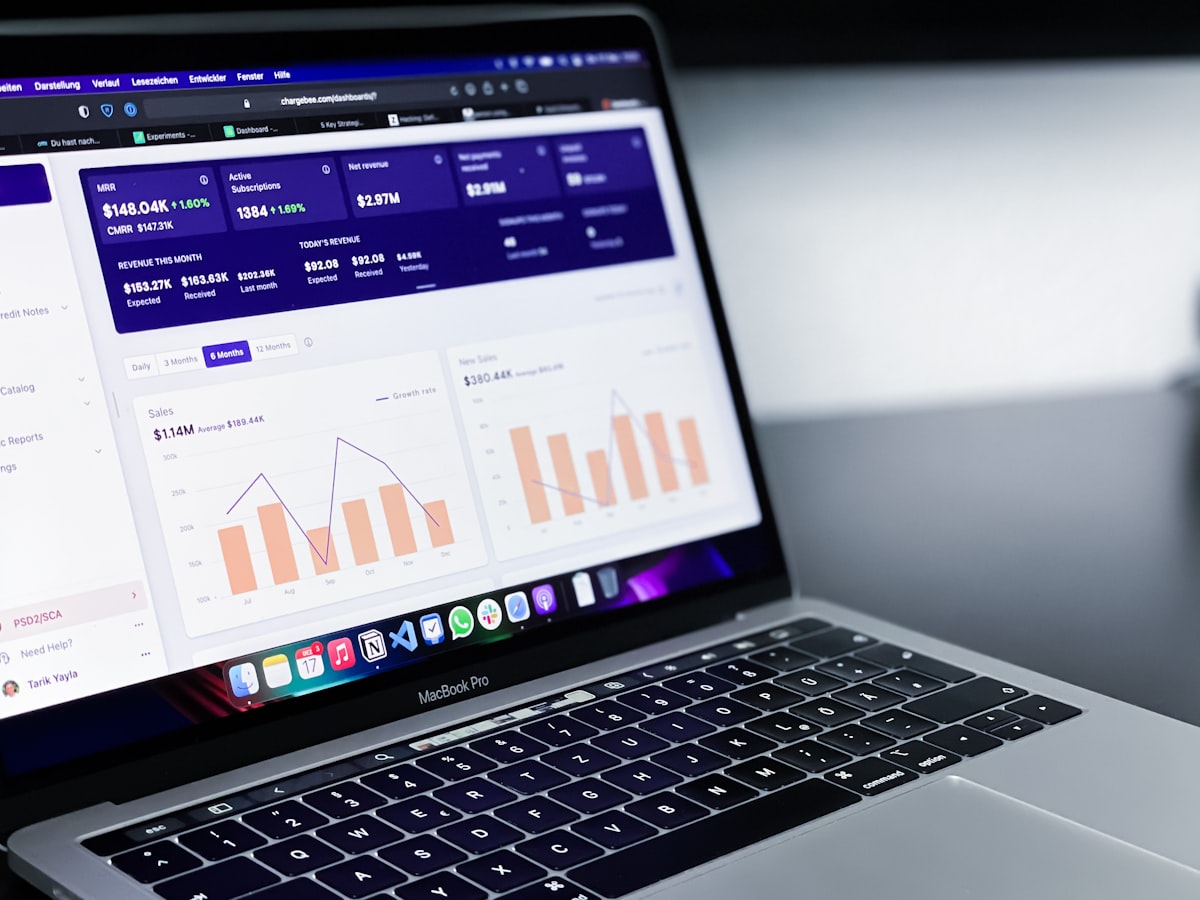
Planning Pod vs HoneyBook: Which Fits Your Events?
Event Cost per Attendee Calculator and Guide

How to Create a Vendor Management System for Events

Event Staffing Software for Small Business Teams

Whova Alternatives for Event Planners in 2026

Eventbrite Alternatives for Small Events in 2026

Event Vendor Insurance Requirements Checklist
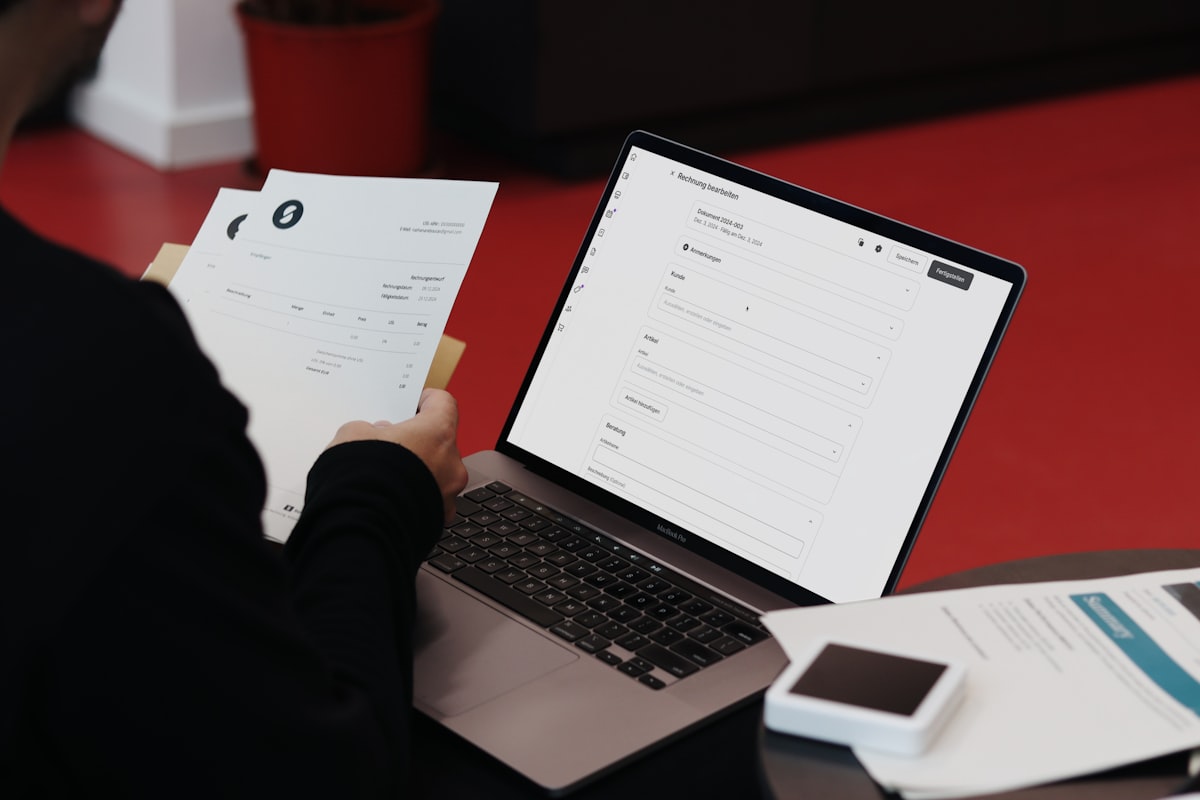
Best Invoicing Software for Event Planners (2026)

Wedding Vendor Payment Schedule Template
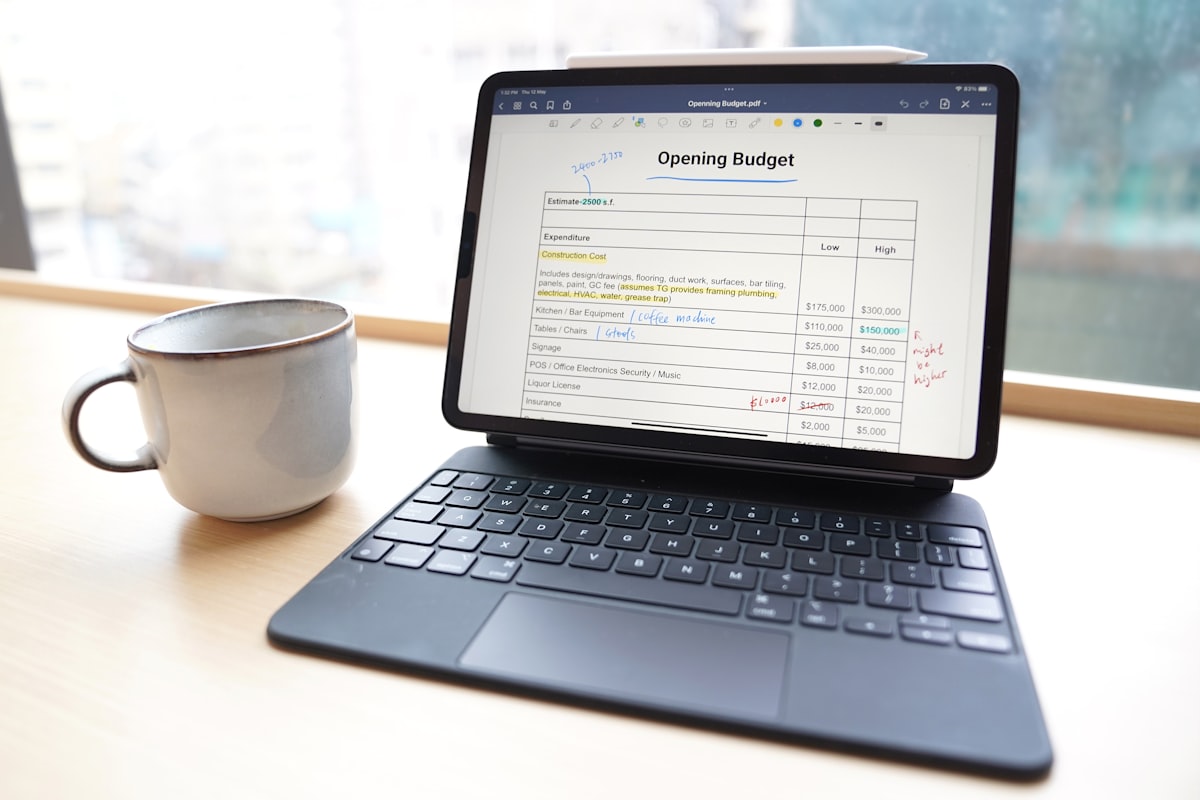
Event Planner Markup Percentage by Vendor Type

Bizzabo Alternatives for Event Planners

Vendor Relationship Management for Event Planners

Event Cost Calculator: Estimate Your Budget Right

Event Contractor Payment Tracking Tools for Planners

Event Communication Plan Template for Planners

How to Create Event Planning Packages

Event Insurance Cost: What Percentage of Your Budget

Social Tables Alternatives for Event Planners

How to Avoid Hidden Vendor Fees at Events

Corporate Event Planning Checklist for 2026

Post-Event Evaluation Template for Planners

Event Workflow Software: A Practical Guide

Propared Alternatives for Event Planners

Best Software for Managing Event Contractors

Wedding Planner Commission Rate Guide for 2026

Best CRM for Event Planners in 2026

Event Coordinator Tools for Portugal

Event Planner CRM: What to Look For in 2026

Vendor Contract Red Flags for Event Planners

Tripleseat Alternatives for Independent Planners

Event Catering Cost per Person by Event Type

Freelance Event Planner Toolkit for 2026

Wedding Vendor Management Spreadsheet Template

Subcontractor Management for Events in Portugal

Hidden Costs of Event Planning You Need to Know
Event Planning Software Pricing Compared

Event Planner Pricing Calculator: Set Your Fees
Event RFP Template for Professional Planners

How Much to Tip Event Staff and Vendors

Event Staff-to-Guest Ratios by Service Role

How Much Deposit Do Event Vendors Require?

Micro Wedding Planning Checklist

How to Hire Vendors for Your Wedding

How to Brief Event Staff Before an Event

Cvent Alternatives for Small Event Planners

How to Invoice Event Clients and Get Paid

Event Vendor Performance Scorecard Guide
Event Budgeting Apps: A Practical Guide for Planners

Cut Event Costs Without Sacrificing Quality
Dubsado vs HoneyBook for Event Planners

Event Risk Management Plan Template

Aisle Planner vs HoneyBook for Event Planners

Event Planning Workflow That Keeps Projects on Track

Wedding Planning Software for Portugal

Corporate Event Management Software for Portugal
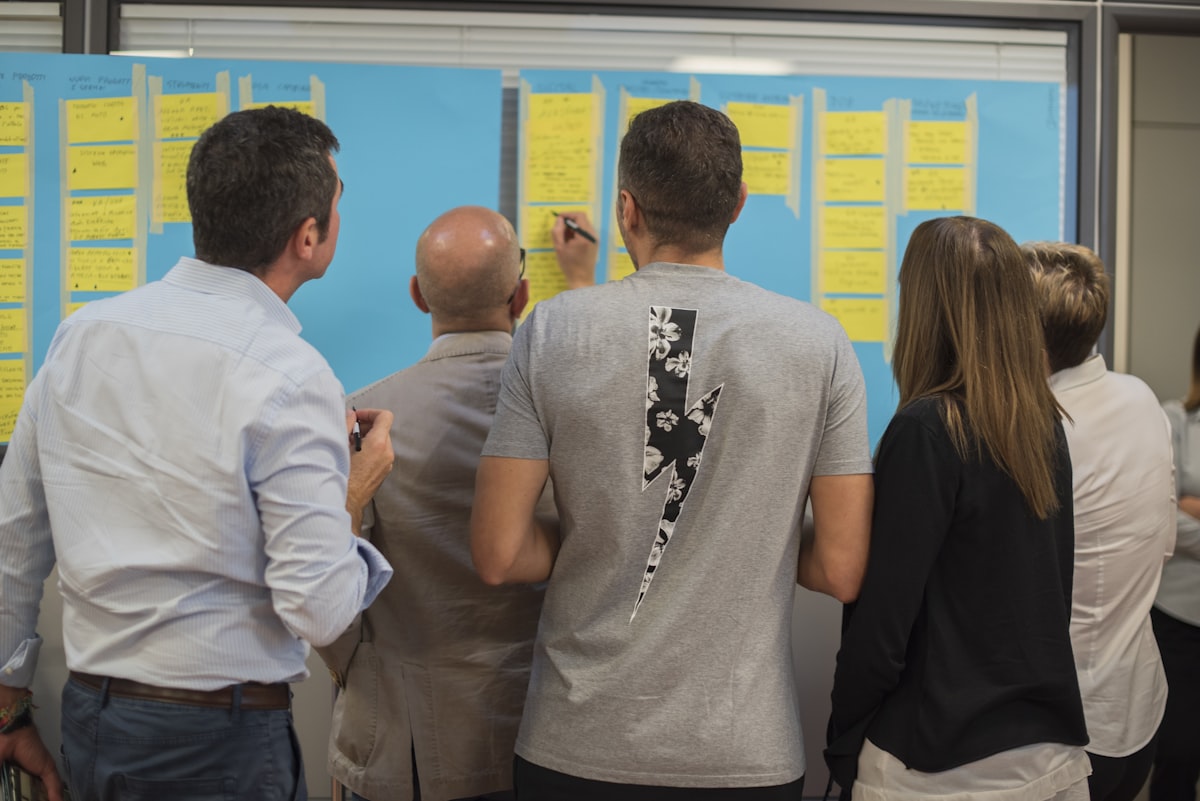
Event Collaboration Tools for Planning Teams

Best Wedding Planner Tools for 2026 (Solo to Team)

Event Cost Breakdown Template for Planners

Event Budget Contingency Planning Guide

Event Management Automation Tools for 2026
5 Planning Pod Alternatives Compared (2026)

Event Day-of Coordination Checklist

How to Negotiate Event Vendor Pricing

Event Client Onboarding Template

Best Event Planning Apps Compared: 2026 Picks for Pros

AI Tools for Event Planning: A Practical Guide

How to Create a Vendor Shortlist for Events
HoneyBook Alternatives for Event Planners

Event Planner Tools for Brazil: A Practical Guide

Free Wedding Planner Tools That Work

Event Planning Checklist: 6 Phases to Cover

Wedding Planning Software: A Guide for Pros

How to Write an Event Proposal That Wins Clients

How to Coordinate Wedding Vendors Like a Pro

Event Vendor Cancelled? Your 3-Step Recovery Plan

Event Vendor Management Tips That Actually Work

5 Signs You've Outgrown Spreadsheets for Event Planning