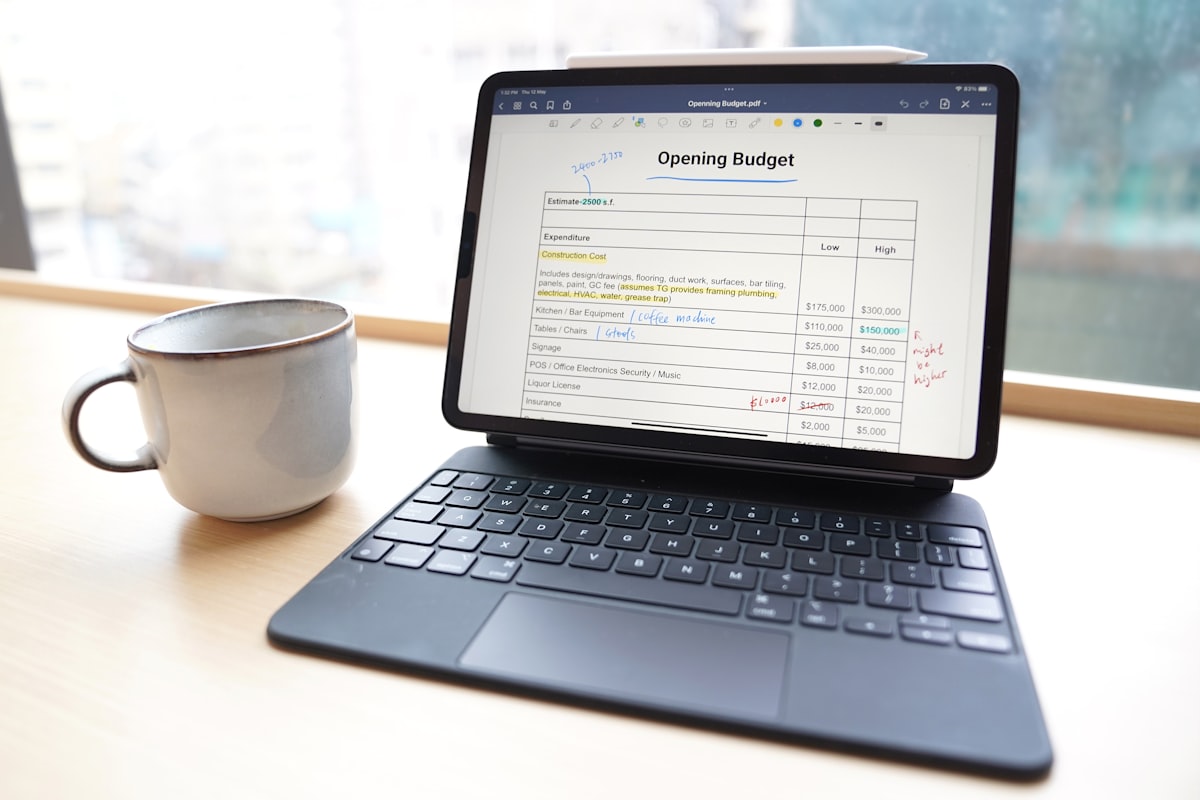
Event planners who mark up vendor costs typically add 10% to 20% on top of the vendor's invoice. The most common markup sits at 15% for full-service planners coordinating five or more vendors. This percentage covers the time you spend sourcing, vetting, negotiating, and managing each vendor throughout the planning cycle. Below you will find standard markup rates by vendor category, the formula for calculating markup, and guidance on when markup pricing works better than other fee models.
Standard Markup Rates by Vendor Category
Each vendor type carries different coordination demands and sourcing complexity. Those factors determine where your markup should fall.
Catering: 10-15%. Catering contracts involve menu planning, tastings, headcount adjustments, and coordination with venue staff. A $10,000 catering contract at 12% markup generates $1,200 in planner revenue. Lower markups apply when the caterer is venue-preferred and requires minimal sourcing effort from you.
Floral and decor: 15-20%. Floral work requires multiple consultations, mood boards, site visits, and coordination with the designer's timeline. The creative direction involved justifies the higher end of the markup range. A $5,000 floral contract at 18% adds $900 to your income.
AV and production: 10-15%. Technical production involves load-in schedules, power requirements, sound checks, and rehearsal coordination. Contract values tend to be high, so even 10% on a $20,000 production generates $2,000 in markup revenue.
Photography and videography: 10-15%. Sourcing and vetting creative vendors takes time upfront, but once booked, photographers and videographers require less ongoing management than caterers or florists. A $4,000 photography package at 12% markup adds $480.
Entertainment and music: 12-18%. Booking bands, DJs, or specialty performers involves contract review, technical riders, sound requirements, and schedule coordination. Multi-act entertainment pushes toward the higher end because each performer adds a layer of logistics.
Transportation: 8-12%. Shuttle buses, limousines, and valet services involve fewer creative decisions and simpler contracts. The coordination is primarily logistical: routes, timing, and headcount.
Rentals (tables, chairs, linens): 10-15%. Rental orders require inventory checks, delivery coordination, setup timelines, and damage deposits. Events with complex tablescaping or custom furniture push markup toward 15%.
Markup vs. Commission vs. Planning Fee
These three pricing terms describe different revenue models. Confusing them creates problems in client conversations and contract negotiations.
Markup is a percentage added on top of a vendor's invoice. The vendor charges you $5,000. You bill the client $5,750. The $750 (15%) is your markup. The client's total cost increases by your percentage.
Commission is a payment from the vendor to you for referring the client. The vendor charges the client $5,000 and pays you $500 (10%) as a referral fee. The client's cost stays the same. Our guide on wedding planner commission rates covers standard commission structures and transparency requirements in detail.
Planning fee is a separate charge for your overall coordination services, calculated as a flat fee, hourly rate, or percentage of the total event budget. This fee exists independently of individual vendor costs. Our event planner pricing calculator walks through the formulas for each model.
Most planners use one primary model. Some combine a reduced planning fee with moderate vendor markup to create a hybrid that keeps the upfront fee lower while maintaining profitability on higher-spend events. Our guide on building event planning packages covers how to structure these pricing tiers.
Factors That Influence Your Markup Rate
Five variables determine where your markup should fall within the standard range.
Your involvement level. Full-service planners who source, vet, negotiate, contract, and manage every vendor justify 15-20% markup. If the client found the vendor themselves and you handle only logistics, 8-10% reflects the reduced scope.
Vendor category complexity. Vendors requiring creative direction (florists, designers, entertainers) warrant higher markups than logistics-focused vendors (transportation, rentals). Your markup should reflect the actual coordination hours each vendor demands.
Event scale. Larger events with 200+ guests involve higher vendor contract values. Even at the same percentage, the dollar amount scales up. Some planners reduce their rate on very large contracts. Charging 10% on a $50,000 catering contract produces $5,000, which may already exceed the hours involved.
Market norms. Research what planners in your region charge. Luxury markets and destination weddings support higher markup rates than budget-conscious regional markets. Clients in premium markets expect markups and factor them into their budgets.
Client transparency expectations. Corporate clients and high-budget weddings increasingly request itemized vendor costs. If your clients expect to see raw vendor pricing, markup becomes harder to justify than a transparent planning fee. Match your pricing model to your clientele.
Calculating and Applying Vendor Markup
The markup formula is straightforward:
Client price = vendor cost x (1 + markup percentage)
A $3,000 DJ contract at 15% markup: $3,000 x 1.15 = $3,450. Your revenue from that vendor: $450.
To estimate total markup revenue across an event, apply the formula to each vendor contract and sum the results. For a $40,000 event spread across seven vendors at an average 15% markup, your total markup revenue is approximately $6,000.
When to use markup vs. a planning fee. Markup works best when your value centers on vendor sourcing and management. Clients who rely on your network and negotiation skills accept markup because you deliver vendors they would not find or negotiate with on their own. Use a planning fee when your value centers on overall coordination, timeline management, and creative direction.
Track your effective hourly rate under your markup model. If your total markup across a 200-hour project comes to $5,000, your effective rate is $25 per hour. That signals you need to raise your percentages or switch to a model that better reflects your time investment. Our free budget calculator helps estimate baseline vendor costs by event type so you can model your markup revenue against realistic budgets.
When your pricing model involves passing vendor costs to clients with markup applied, your quotes need to show each vendor as a separate line item with the total clearly stated. Abastio generates vendor-level cost breakdowns in quotes and budget reports, which makes it straightforward to present transparent pricing to clients without manual spreadsheet work. Compare pricing plans to find the fit for your business.
Frequently Asked Questions
What is a normal markup percentage for event planners?
The standard event planner markup ranges from 10% to 20% of each vendor's contract value. Full-service planners coordinating multiple vendors typically apply 15%. The rate varies by vendor category, with creative services like floral and entertainment marked up higher than logistics vendors like transportation and rentals.
Is vendor markup the same as a planning fee?
No. Markup is a percentage added on top of individual vendor invoices, which increases the client's total spend. A planning fee is a separate charge for your coordination services, calculated as a flat rate, hourly rate, or percentage of the total event budget. Some planners combine both at reduced rates. Others choose one model.
Do I need to disclose vendor markup to clients?
Transparency builds trust and prevents disputes. Many planners disclose their markup structure in the initial contract. Corporate clients and high-budget wedding clients frequently request itemized vendor costs. Whether legally required depends on your jurisdiction, but disclosure is the industry best practice.
Can I charge both a planning fee and vendor markup?
You can, but reduce one to compensate. Planners who charge a full planning fee (15-20% of budget) typically skip vendor markup. Those who combine both usually charge a lower planning fee (5-10%) plus a moderate markup (8-12%). The combined total should reflect your actual time and value.
When should I switch from markup to a flat planning fee?
Consider switching when your clientele expects full cost transparency, when you work with repeat corporate clients who negotiate vendor rates directly, or when your markup revenue consistently falls below your target hourly rate. A flat fee gives you predictable income regardless of which vendors the client selects or how their contracts are priced.
Ready to simplify your event management?
Try Abastio free and see how it streamlines vendor coordination.
Start freeMore posts

Event Subcontractor Agreement Template

Destination Wedding Vendor Coordination Guide

Post-Event Vendor Debrief Template
Wedding Timeline Software: A Planner's Guide
Event Setup and Teardown Checklist for Planners

Wedding Vendor Checklist Template for Planners

How to Handle Last-Minute Event Changes

How to Create an Event Run Sheet (Step by Step)
Event Logistics Planning Guide for Organizers

How to Manage Corporate Event Vendors

Client Communication Tips for Event Planners
Planning Pod vs HoneyBook: Which Fits Your Events?
Event Cost per Attendee Calculator and Guide

How to Create a Vendor Management System for Events

Event Staffing Software for Small Business Teams

Whova Alternatives for Event Planners in 2026

Eventbrite Alternatives for Small Events in 2026

Event Vendor Insurance Requirements Checklist

How to Choose Event Management Software
Best Invoicing Software for Event Planners (2026)

Wedding Vendor Payment Schedule Template

Bizzabo Alternatives for Event Planners
Vendor Relationship Management for Event Planners
Event Cost Calculator: Estimate Your Budget Right

Event Contractor Payment Tracking Tools for Planners

Event Communication Plan Template for Planners

How to Create Event Planning Packages

Event Insurance Cost: What Percentage of Your Budget
Social Tables Alternatives for Event Planners

How to Avoid Hidden Vendor Fees at Events
Corporate Event Planning Checklist for 2026

Post-Event Evaluation Template for Planners

Event Workflow Software: A Practical Guide
Propared Alternatives for Event Planners

Best Software for Managing Event Contractors

Wedding Planner Commission Rate Guide for 2026

Best CRM for Event Planners in 2026

Event Coordinator Tools for Portugal

Event Planner CRM: What to Look For in 2026
Vendor Contract Red Flags for Event Planners
Tripleseat Alternatives for Independent Planners

Event Catering Cost per Person by Event Type

Freelance Event Planner Toolkit for 2026

Wedding Vendor Management Spreadsheet Template
Subcontractor Management for Events in Portugal

Hidden Costs of Event Planning You Need to Know
Event Planning Software Pricing Compared

Event Planner Pricing Calculator: Set Your Fees
Event RFP Template for Professional Planners
How Much to Tip Event Staff and Vendors
Event Staff-to-Guest Ratios by Service Role

How Much Deposit Do Event Vendors Require?

Micro Wedding Planning Checklist

How to Hire Vendors for Your Wedding

How to Brief Event Staff Before an Event

Cvent Alternatives for Small Event Planners

How to Invoice Event Clients and Get Paid

Event Vendor Performance Scorecard Guide
Event Budgeting Apps: A Practical Guide for Planners
Cut Event Costs Without Sacrificing Quality
Dubsado vs HoneyBook for Event Planners

Event Risk Management Plan Template

Aisle Planner vs HoneyBook for Event Planners

Event Planning Workflow That Keeps Projects on Track

Wedding Planning Software for Portugal

Corporate Event Management Software for Portugal
Event Collaboration Tools for Planning Teams

Best Wedding Planner Tools for 2026 (Solo to Team)

Event Cost Breakdown Template for Planners

Event Budget Contingency Planning Guide

Event Management Automation Tools for 2026
5 Planning Pod Alternatives Compared (2026)
Event Day-of Coordination Checklist

How to Negotiate Event Vendor Pricing
Event Client Onboarding Template
Best Event Planning Apps Compared: 2026 Picks for Pros

AI Tools for Event Planning: A Practical Guide

How to Create a Vendor Shortlist for Events
HoneyBook Alternatives for Event Planners

Event Planner Tools for Brazil: A Practical Guide

Free Wedding Planner Tools That Work

Event Planning Checklist: 6 Phases to Cover

Wedding Planning Software: A Guide for Pros

How to Write an Event Proposal That Wins Clients

How to Coordinate Wedding Vendors Like a Pro

Event Vendor Cancelled? Your 3-Step Recovery Plan

Event Vendor Management Tips That Actually Work

5 Signs You've Outgrown Spreadsheets for Event Planning