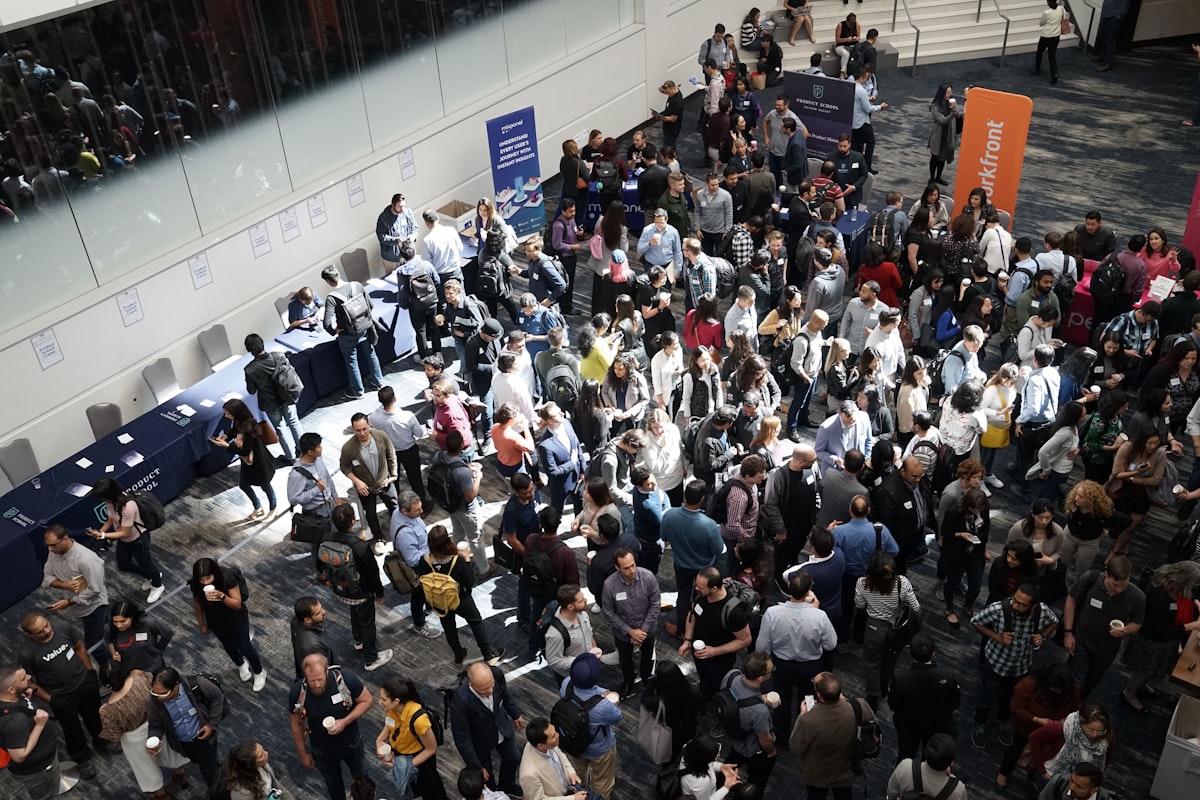
Event cost per attendee tells you the real price of each person at your event. Dividing total costs by headcount turns a complex budget into a single, comparable number. That number drives three decisions: whether your ticket price covers expenses, whether your event scales financially, and whether your clients understand the value of your planning fee.
This guide covers the formula, benchmarks by event type, and practical strategies to bring your per-attendee cost down without cutting quality.
The Cost-per-Attendee Formula
Cost per attendee (CPA) is total event cost divided by total attendees:
CPA = Total Event Cost / Number of Attendees
A $50,000 corporate conference with 200 attendees has a CPA of $250. A $30,000 wedding with 120 guests costs $250 per head. Same CPA, completely different budgets, completely different events.
The formula is simple. The challenge is knowing which costs to include. Most planners calculate CPA in two ways:
All-in CPA includes every expense: venue, catering, decor, entertainment, staffing, equipment rental, insurance, permits, and contingency. Many of these line items carry hidden costs that surface after contracts are signed, so verify each number before finalizing your CPA. This is the number your finance team or client wants.
Direct CPA includes only costs that scale with headcount: catering, place settings, favors, printed materials, and transportation. This number tells you how much each additional guest actually adds to the budget.
Both versions are useful. All-in CPA compares events of different types. Direct CPA helps you set pricing or calculate the cost of adding 20 last-minute guests.
Our free budget calculator generates cost estimates by event type and guest count, giving you a baseline CPA before you collect a single vendor quote.
Cost-per-Attendee Benchmarks by Event Type
Per-attendee costs vary widely by format, service level, and location. These 2026 benchmarks reflect U.S.-based events with professional planning and standard service.
| Event Type | Per-Attendee Cost | Key Cost Drivers |
|---|---|---|
| Corporate lunch or workshop | $75 - $200 | Venue, catering, AV equipment |
| Half-day conference | $150 - $400 | Speaker fees, catering, signage |
| Full-day conference | $300 - $800 | Venue, multi-meal catering, production |
| Corporate retreat (multi-day) | $1,500 - $4,000 | Accommodation, travel, activities |
| Wedding (100-150 guests) | $200 - $500 | Catering, venue, florals, photography |
| Micro wedding (under 50 guests) | $400 - $900 | Fixed costs spread over fewer guests |
| Gala or fundraiser | $250 - $600 | Venue, catering, entertainment, decor |
| Music event or festival (per day) | $50 - $150 | Talent, sound, security, permits |
These ranges assume mid-market quality. Luxury events in major metros run 2x to 3x higher. Budget-conscious events in smaller markets can come in 30% to 40% lower.
Notice the pattern: smaller guest counts push per-attendee costs higher. A micro wedding costs more per person than a 150-guest wedding because fixed costs (venue, photographer, officiant, DJ) stay the same while fewer guests absorb them.
Fixed and Variable Costs That Drive Per-Head Numbers
Understanding which costs are fixed and which scale with headcount gives you direct control over your CPA.
Fixed costs stay constant regardless of guest count. Venue rental, photographer fees, entertainment, sound equipment, event insurance, and your planning fee all fall into this category. A venue that costs $5,000 for 50 guests costs $5,000 for 200 guests. Fixed costs per attendee drop as headcount rises.
Variable costs increase with each additional guest. Catering, beverages, place settings, printed programs, gift bags, transportation, and staffing (once you cross ratio thresholds) all scale with attendance. Variable costs per attendee stay roughly constant.
Semi-variable costs shift at certain thresholds. Staffing is the most common example. One bartender covers 50 guests. At 75, you need two. Security, parking attendants, and registration staff follow similar step patterns.
For a typical 150-person corporate event, expect a roughly 60/40 split: 60% fixed costs, 40% variable. At 50 attendees, that ratio shifts to 70/30 fixed-to-variable, which explains why small events feel disproportionately expensive per head.
This math also explains why adding guests can improve your event economics. If you can add 30 attendees while only increasing variable costs, your CPA drops meaningfully.
Strategies to Reduce Event Cost per Attendee
Lowering CPA without cutting the guest experience requires targeting the right cost categories. These strategies work across event types.
Increase headcount strategically. Adding attendees spreads fixed costs over more people. If your venue fits 200 but you planned for 150, those 50 extra seats reduce CPA by absorbing venue, entertainment, and equipment costs that are already paid. This only works if variable costs per person (mainly catering) stay within budget.
Negotiate volume-based catering rates. Most caterers offer per-person discounts at higher guest counts. Moving from 100 to 150 guests often triggers a 10% to 15% per-head discount on food service. Ask for tiered pricing when requesting proposals.
Bundle vendor contracts. Venues that include tables, chairs, linens, and basic AV in the rental fee eliminate separate line items and reduce coordination overhead. Compare the bundled rate against sourcing each item separately. Our guide to negotiating event vendor pricing covers this tactic in detail.
Simplify service formats. Buffet service costs 20% to 35% less per person than plated service for the same menu. Our guide to catering costs per person breaks down exact price ranges by event type and service style. Standing receptions with stations cost less than seated dinners. Brunch timing costs less than dinner timing. Format changes are the fastest way to cut catering costs without reducing food quality.
Cut low-impact decor. Centerpieces, draping, and custom signage add per-attendee cost but rarely rank in post-event feedback. Redirect those dollars toward food, entertainment, or speaker quality, which guests actually remember.
Track costs in a central platform. Managing vendor contracts, deposits, and deliverables across email threads and spreadsheets creates the budget leaks that inflate CPA. Abastio gives event planners a single dashboard for contractor tracking, budget line items, and quote generation, so cost overruns get caught before they become surprises. Start organizing your event costs for free.
Using Per-Attendee Metrics for Event Pricing
If you sell event planning services, CPA is the foundation of your pricing model. Our event planner pricing calculator guide covers how to set fees using flat-rate, hourly, and percentage models. Here are four ways planners apply per-attendee metrics specifically.
Set minimum guest counts. When you know your fixed costs total $15,000 and your target CPA is $200, you need at least 75 attendees to hit that number before variable costs. Minimum guest counts protect your margins and set clear expectations with clients.
Build tiered packages. Create bronze, silver, and gold packages with different per-attendee pricing. A bronze package at $150 per head covers venue, catering, and basic coordination. A gold package at $350 per head adds custom decor, premium catering, and full-service planning. Clients compare value clearly. Abastio's quote generation feature lets you build and export tiered proposals in minutes.
Justify planning fees to clients. A client who sees "$8,000 planning fee" may push back. A client who sees "$53 per guest for full-service coordination across 12 vendors" understands what they are paying for. Per-attendee framing makes your fee tangible.
Benchmark against industry standards. If your CPA for a 200-person corporate conference is $600 and the industry benchmark is $300 to $800, you can show the client their event is priced competitively. If it exceeds the range, identify which cost categories are above market and adjust. Track this data across events using a cost breakdown template to spot trends over time.
Frequently Asked Questions
What is a good cost per attendee for a corporate event?
For a full-day corporate conference, $300 to $800 per attendee covers venue, catering, speakers, and production at mid-market quality. Half-day events run $150 to $400. Multi-day retreats with accommodation range from $1,500 to $4,000 per person. Your target CPA depends on event format, location, and the experience level your audience expects.
How do I calculate cost per attendee for a wedding?
Divide your total wedding budget by the confirmed guest count. A $40,000 wedding with 160 guests costs $250 per person. Include everything: venue, catering, florals, photography, music, attire, and coordination fees. Track costs by category using an event cost breakdown template to see where your per-head spending concentrates.
Why does cost per attendee increase with smaller events?
Fixed costs (venue, photographer, entertainment, insurance) do not change based on guest count. With 50 guests, a $5,000 venue adds $100 per person. With 200 guests, that same venue adds only $25 per person. Smaller events spread fixed costs across fewer people, which inflates the per-attendee number even when total spending is lower.
Should I include my planning fee in cost per attendee?
Yes, when calculating all-in CPA for client reporting or benchmarking. Your planning fee is part of the total event cost. For internal margin analysis, calculate a separate CPA that excludes your fee to isolate the actual cost of delivering the event. Reporting both numbers to clients builds transparency and trust.
How can I track cost per attendee across multiple events?
Use event management software that records budgets by line item and links costs to specific events. Export budget totals and attendance figures after each event, then compare CPA across event types and time periods. Consistent tracking reveals whether your per-attendee costs are rising, falling, or holding steady as your business scales.
Ready to simplify your event management?
Try Abastio free and see how it streamlines vendor coordination.
Start freeMore posts

Event Subcontractor Agreement Template

Destination Wedding Vendor Coordination Guide

Post-Event Vendor Debrief Template

Wedding Timeline Software: A Planner's Guide
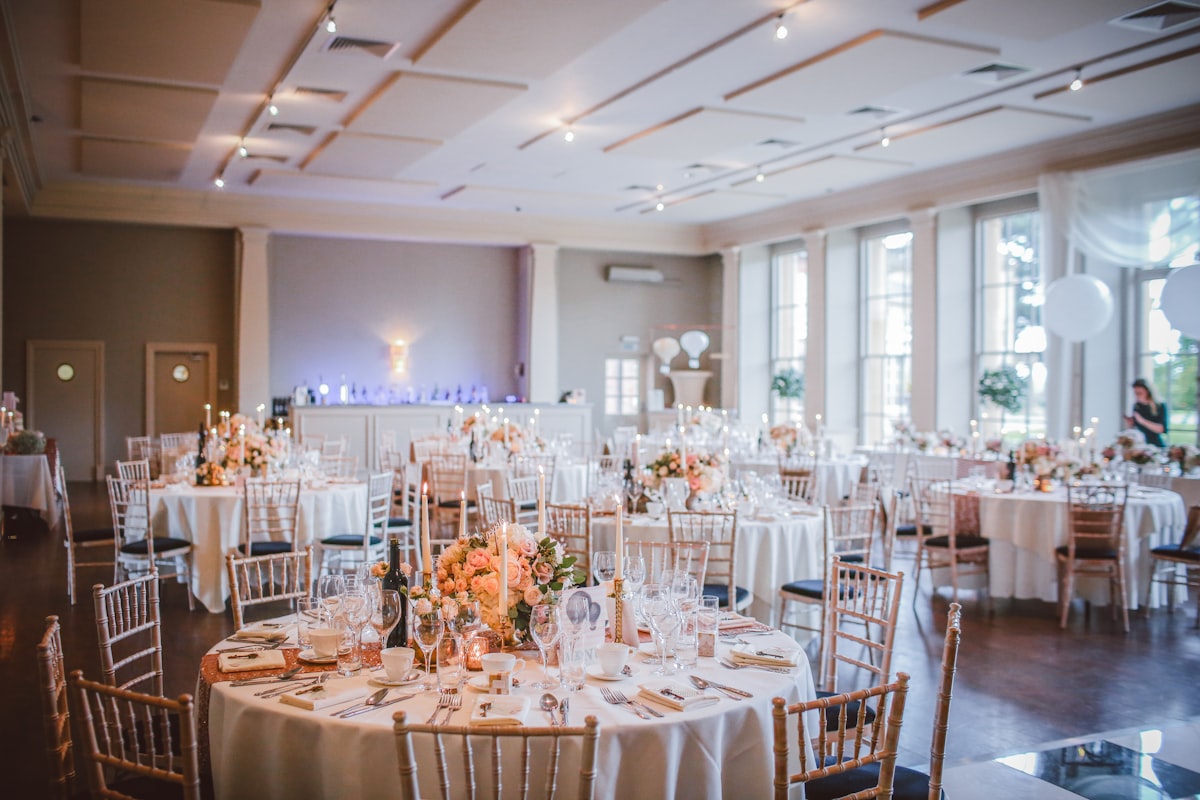
Event Setup and Teardown Checklist for Planners

Wedding Vendor Checklist Template for Planners

How to Handle Last-Minute Event Changes

How to Create an Event Run Sheet (Step by Step)

Event Logistics Planning Guide for Organizers

How to Manage Corporate Event Vendors

Client Communication Tips for Event Planners
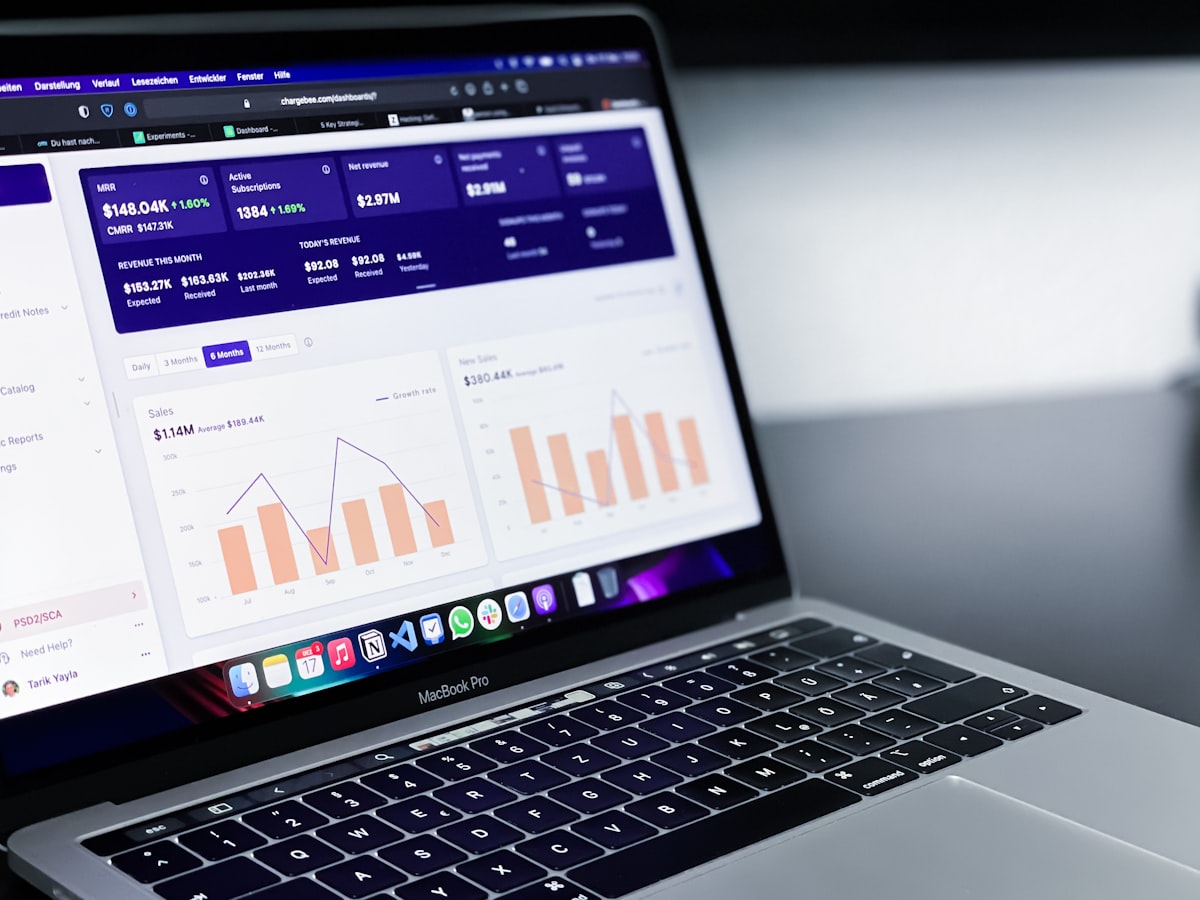
Planning Pod vs HoneyBook: Which Fits Your Events?

How to Create a Vendor Management System for Events

Event Staffing Software for Small Business Teams

Whova Alternatives for Event Planners in 2026

Eventbrite Alternatives for Small Events in 2026

Event Vendor Insurance Requirements Checklist

How to Choose Event Management Software
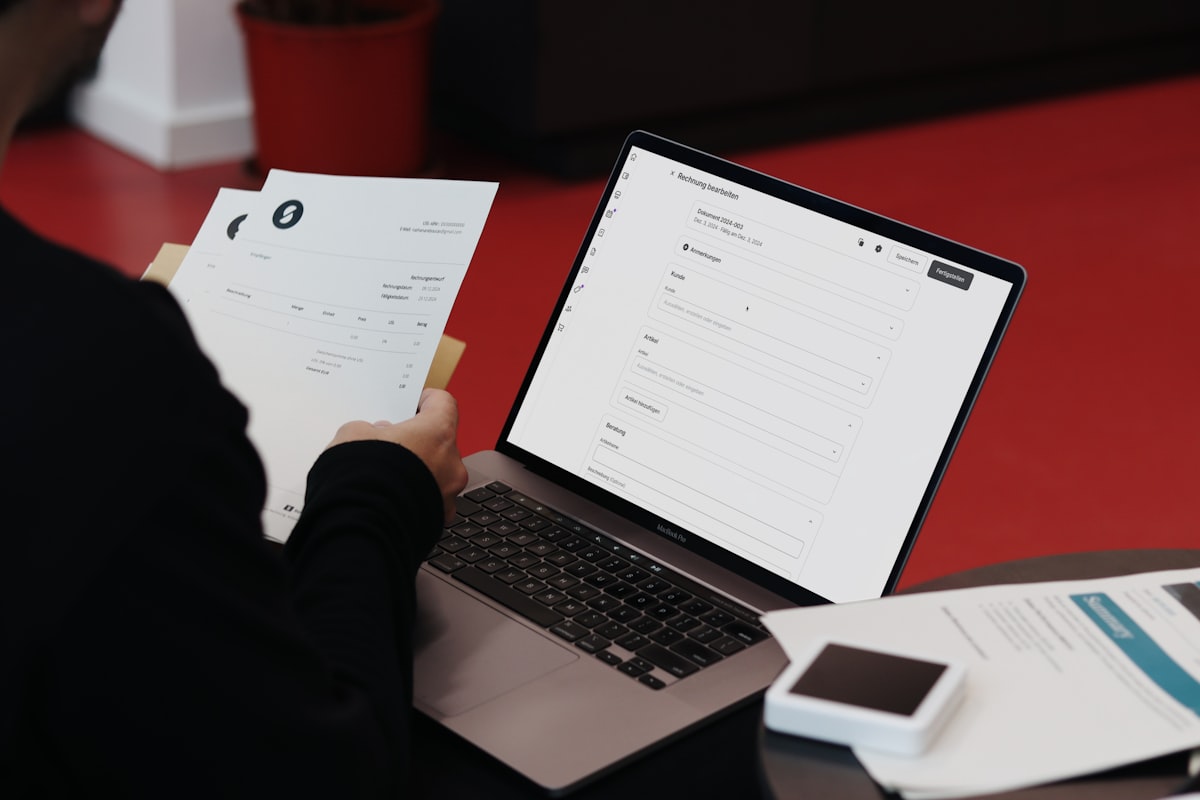
Best Invoicing Software for Event Planners (2026)
Wedding Vendor Payment Schedule Template
Event Planner Markup Percentage by Vendor Type

Bizzabo Alternatives for Event Planners

Vendor Relationship Management for Event Planners

Event Cost Calculator: Estimate Your Budget Right

Event Contractor Payment Tracking Tools for Planners

Event Communication Plan Template for Planners

How to Create Event Planning Packages

Event Insurance Cost: What Percentage of Your Budget

Social Tables Alternatives for Event Planners

How to Avoid Hidden Vendor Fees at Events
Corporate Event Planning Checklist for 2026

Post-Event Evaluation Template for Planners

Event Workflow Software: A Practical Guide
Propared Alternatives for Event Planners

Best Software for Managing Event Contractors

Wedding Planner Commission Rate Guide for 2026

Best CRM for Event Planners in 2026

Event Coordinator Tools for Portugal

Event Planner CRM: What to Look For in 2026
Vendor Contract Red Flags for Event Planners

Tripleseat Alternatives for Independent Planners

Event Catering Cost per Person by Event Type

Freelance Event Planner Toolkit for 2026

Wedding Vendor Management Spreadsheet Template

Subcontractor Management for Events in Portugal

Hidden Costs of Event Planning You Need to Know
Event Planning Software Pricing Compared

Event Planner Pricing Calculator: Set Your Fees
Event RFP Template for Professional Planners
How Much to Tip Event Staff and Vendors
Event Staff-to-Guest Ratios by Service Role

How Much Deposit Do Event Vendors Require?

Micro Wedding Planning Checklist

How to Hire Vendors for Your Wedding

How to Brief Event Staff Before an Event

Cvent Alternatives for Small Event Planners

How to Invoice Event Clients and Get Paid

Event Vendor Performance Scorecard Guide
Event Budgeting Apps: A Practical Guide for Planners

Cut Event Costs Without Sacrificing Quality
Dubsado vs HoneyBook for Event Planners

Event Risk Management Plan Template

Aisle Planner vs HoneyBook for Event Planners

Event Planning Workflow That Keeps Projects on Track

Wedding Planning Software for Portugal

Corporate Event Management Software for Portugal
Event Collaboration Tools for Planning Teams

Best Wedding Planner Tools for 2026 (Solo to Team)

Event Cost Breakdown Template for Planners

Event Budget Contingency Planning Guide

Event Management Automation Tools for 2026
5 Planning Pod Alternatives Compared (2026)
Event Day-of Coordination Checklist

How to Negotiate Event Vendor Pricing
Event Client Onboarding Template

Best Event Planning Apps Compared: 2026 Picks for Pros

AI Tools for Event Planning: A Practical Guide

How to Create a Vendor Shortlist for Events
HoneyBook Alternatives for Event Planners

Event Planner Tools for Brazil: A Practical Guide

Free Wedding Planner Tools That Work

Event Planning Checklist: 6 Phases to Cover

Wedding Planning Software: A Guide for Pros

How to Write an Event Proposal That Wins Clients

How to Coordinate Wedding Vendors Like a Pro

Event Vendor Cancelled? Your 3-Step Recovery Plan

Event Vendor Management Tips That Actually Work

5 Signs You've Outgrown Spreadsheets for Event Planning