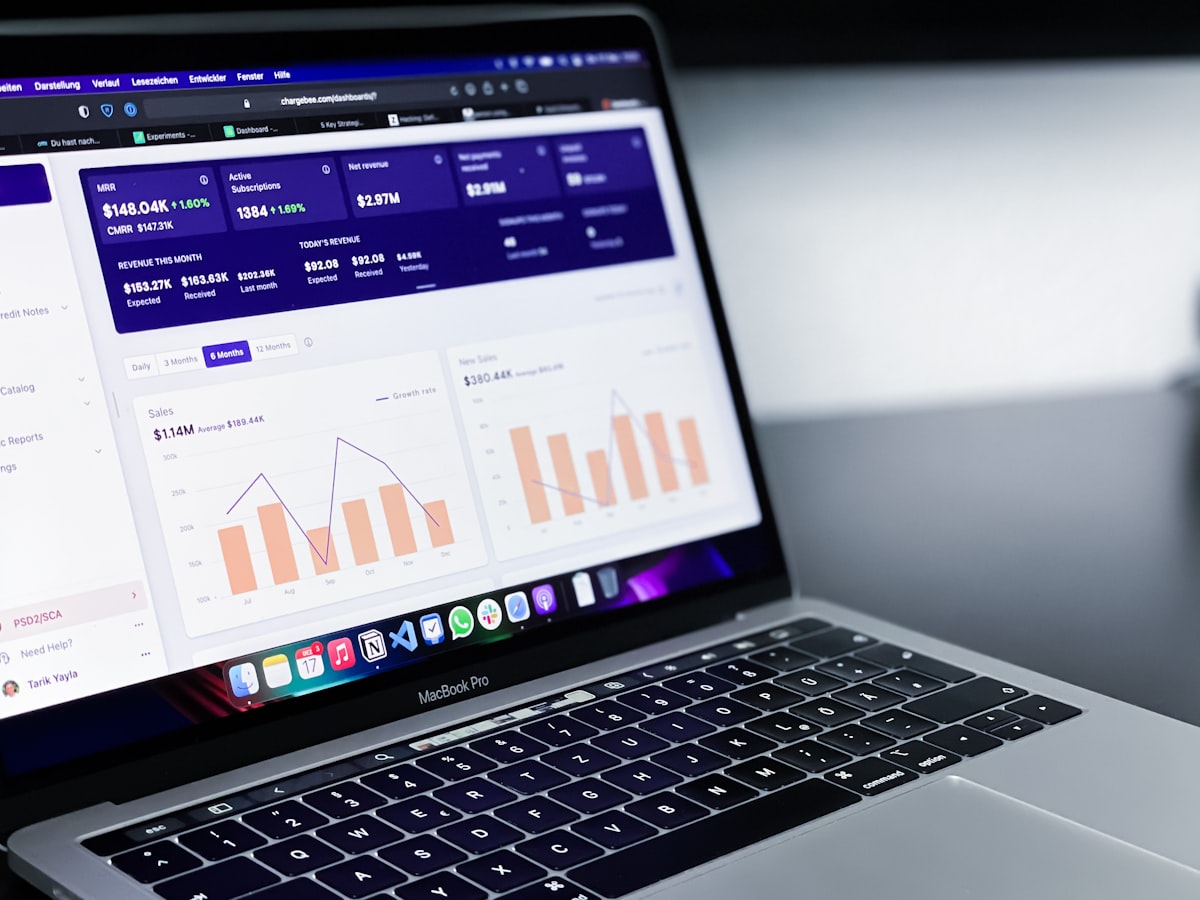
Planning Pod and HoneyBook appear on every "best event planning software" list. Both promise to replace your spreadsheets. Both handle proposals, invoicing, and client communication. But they were built for different types of businesses, and picking the wrong one means paying for features you never use while missing the ones you need daily.
This comparison breaks down where each platform excels, where each falls short, and which type of event work each one actually fits. If you have already read our individual breakdowns of Planning Pod alternatives and HoneyBook alternatives, this guide connects the dots with a direct head-to-head analysis.
Who Each Platform Was Built For
Planning Pod started as venue management software. Its core audience is venue operators, catering companies, and event spaces that manage bookings, floor layouts, and banquet event orders (BEOs) in-house. The platform expanded to cover broader event management, but the venue DNA remains visible in every feature menu.
HoneyBook targets independent creative professionals. Photographers, designers, consultants, and event planners use it to manage client relationships, send branded proposals, collect signatures, and process payments. It treats event planning as one vertical among many, which means flexibility comes at the cost of event-specific depth.
The distinction matters for your buying decision. If you operate a venue and manage events in your own space, Planning Pod speaks your language. If you run a creative services business and need polished client-facing workflows, HoneyBook delivers that experience. The trouble starts when your work falls between these two profiles, which is exactly where most independent event planners land.
Feature Comparison for Event Planners
Client management. HoneyBook offers a polished CRM with pipeline tracking, automated follow-ups, and a branded client portal. Clients can view proposals, sign contracts, and make payments in one flow. Planning Pod includes client management, but it centers on event records rather than relationship nurturing. For lead conversion and client experience, HoneyBook has the edge.
Event logistics. Planning Pod includes floor plan design, room booking, BEO templates, guest seating charts, and food-and-beverage tracking. These features serve venue-based operations well. HoneyBook has no equivalent. If your events require layout planning and venue coordination, Planning Pod is the clear choice.
Proposals and contracts. Both platforms handle proposals and contracts with electronic signatures. HoneyBook's proposal builder is more polished and allows clients to select service packages, add extras, and sign in one branded experience. Planning Pod's proposal tools are functional but less visually refined.
Budget tracking. Planning Pod offers event-level budget tracking with line items, categories, and variance reporting. HoneyBook tracks what clients pay you, not what you pay vendors. For planners who need to manage event budgets with full cost visibility across suppliers, Planning Pod provides more depth.
Payment processing. HoneyBook includes built-in payment processing through its own proprietary system. Clients pay directly through proposals and invoices. Planning Pod integrates with Stripe and other processors. HoneyBook's approach is convenient but locks you into their processing fees (2.5-3.5% per transaction), while Planning Pod gives you more flexibility on which processor to use.
Vendor coordination. Neither platform excels here. Planning Pod tracks vendors at the event level but does not offer a persistent, searchable contractor database with tags, booking history, and availability. HoneyBook does not track vendors at all. Its project model is client-centric, not supplier-centric. For planners managing 15 to 30 sub-contractors per event, this is the biggest shared gap.
Pricing and Value for Small Teams
Planning Pod starts at $59 per month for a single venue or planner. Pricing scales based on the number of events and venues you manage, with most single-location operators paying between $59 and $159 per month. There is no free tier.
HoneyBook starts at $29 per month (annual billing) for its Starter plan. The Essentials plan at $49 per month adds automation and scheduling. HoneyBook also takes a percentage of every payment processed through the platform, which adds up fast on high-value events. A $25,000 wedding with all payments flowing through HoneyBook can generate $625 to $875 in processing fees alone.
For a freelance planner running 8 to 12 events per year, HoneyBook's lower starting price looks attractive. But factor in processing fees and the total cost may rival or exceed Planning Pod. For a venue managing hundreds of events annually, Planning Pod's flat pricing delivers better value per event. For a detailed pricing breakdown across platforms, see our full comparison guide.
Neither platform offers a generous free tier for planners who want to test the tool with real events before committing. This matters if you are just starting out or transitioning from spreadsheets.
Where Each Platform Falls Short
Planning Pod's limitations for independent planners. The venue-centric design means features like floor plans, room booking, and BEO management take up space in the interface whether you need them or not. Users consistently describe the platform as complex to navigate. The minimum $59-per-month price tag is steep for a solo planner handling one or two events per month. If you are not a venue operator, you are paying for functionality built for someone else's workflow.
HoneyBook's limitations for event operations. HoneyBook organizes work around one client and one project. Event planners need to track dozens of suppliers within a single event, each with their own contracts, payment schedules, and deliverables. Nesting that complexity inside HoneyBook's project structure requires workarounds. Dubsado shares many of these same constraints, as our Dubsado vs HoneyBook comparison for event planners explains in detail. There is no budget tracking for vendor costs, no contractor database, and no event-level cost aggregation. If your primary challenge is coordinating sub-contractors rather than impressing clients with branded proposals, HoneyBook leaves you building the operational layer yourself.
The shared gap. Both platforms underserve the core operational need of many event planners: managing a pool of reliable sub-contractors across multiple events. Wedding coordinators, corporate event managers, and freelance producers typically maintain relationships with 50 to 100 contractors (caterers, AV technicians, florists, photographers, security staff). Neither Planning Pod nor HoneyBook provides a dedicated contractor pool with tagging, booking history, performance notes, and cross-event availability tracking.
When Neither Tool Is the Right Fit
If your work centers on coordinating sub-contractors, tracking per-event budgets, and generating client quotes, and you do not need venue management or payment processing built into your planning tool, the Planning Pod vs HoneyBook decision may be a false choice.
Event planners who primarily need contractor pool management, budget line items by vendor, and quote generation with PDF export should evaluate tools designed for that workflow. Abastio is built for event organizers who manage clients, contractors, and budgets from a single dashboard. It includes a Kanban-style client pipeline, a tagged contractor database with booking tracking, event-level budget management, and quote generation with tiered plans. The free Solo tier covers 2 active events and 5 contractors, so you can test it with real work before upgrading. See pricing details for the full breakdown.
The right tool depends on where your operational pain actually lives. For venue logistics, choose Planning Pod. For client-facing polish and payment collection, choose HoneyBook. For sub-contractor coordination and budget control across events, explore the alternatives that focus on that specific problem. Our guide to choosing event management software covers a structured evaluation framework for any category.
Frequently Asked Questions
Can I use Planning Pod and HoneyBook together?
Yes, some planners use HoneyBook for client-facing workflows (proposals, contracts, payments) and Planning Pod for event logistics (floor plans, BEOs, guest management). This adds cost and creates data duplication, so it works best for venue-based teams with high event volume that justifies both subscriptions.
Does HoneyBook work for corporate event planners?
HoneyBook can handle corporate event client management, but its project model is designed for one-to-one client relationships, not the multi-stakeholder coordination that corporate events require. If your corporate events involve managing 20-plus vendors and layered approval processes, HoneyBook will feel limiting compared to tools built for that complexity.
Is Planning Pod worth the price for solo planners?
For solo planners handling fewer than 5 events per year, Planning Pod's $59-per-month minimum is hard to justify, especially if you never use the venue-specific features. Consider whether your primary need is venue management (where Planning Pod excels) or contractor and budget coordination (where other tools offer better value at lower price points).
Which platform has better mobile access?
HoneyBook offers a well-reviewed mobile app for iOS and Android that covers client communication, payments, and project management. Planning Pod is primarily a desktop-first platform. If you spend significant time on-site and need full mobile functionality, HoneyBook has a clear advantage.
Do either Planning Pod or HoneyBook offer free plans?
Neither offers a permanent free plan. HoneyBook provides a 7-day free trial. Planning Pod offers a trial period as well. Both require a paid subscription after the trial ends. If budget is tight, look for platforms with free tiers that let you manage a limited number of events at no cost.
Ready to simplify your event management?
Try Abastio free and see how it streamlines vendor coordination.
Start freeMore posts

Event Subcontractor Agreement Template

Destination Wedding Vendor Coordination Guide

Post-Event Vendor Debrief Template

Wedding Timeline Software: A Planner's Guide

Event Setup and Teardown Checklist for Planners

Wedding Vendor Checklist Template for Planners

How to Handle Last-Minute Event Changes

How to Create an Event Run Sheet (Step by Step)

Event Logistics Planning Guide for Organizers

How to Manage Corporate Event Vendors

Client Communication Tips for Event Planners
Event Cost per Attendee Calculator and Guide

How to Create a Vendor Management System for Events

Event Staffing Software for Small Business Teams

Whova Alternatives for Event Planners in 2026

Eventbrite Alternatives for Small Events in 2026

Event Vendor Insurance Requirements Checklist

How to Choose Event Management Software
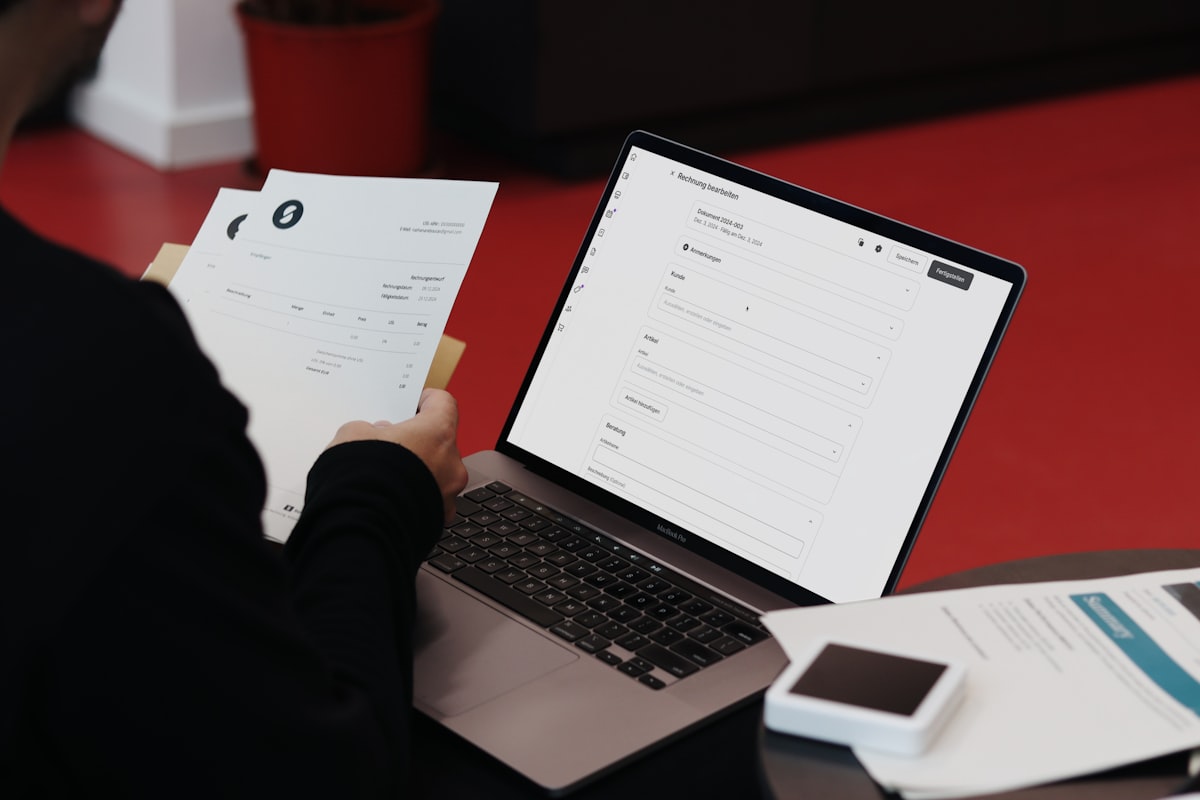
Best Invoicing Software for Event Planners (2026)

Wedding Vendor Payment Schedule Template
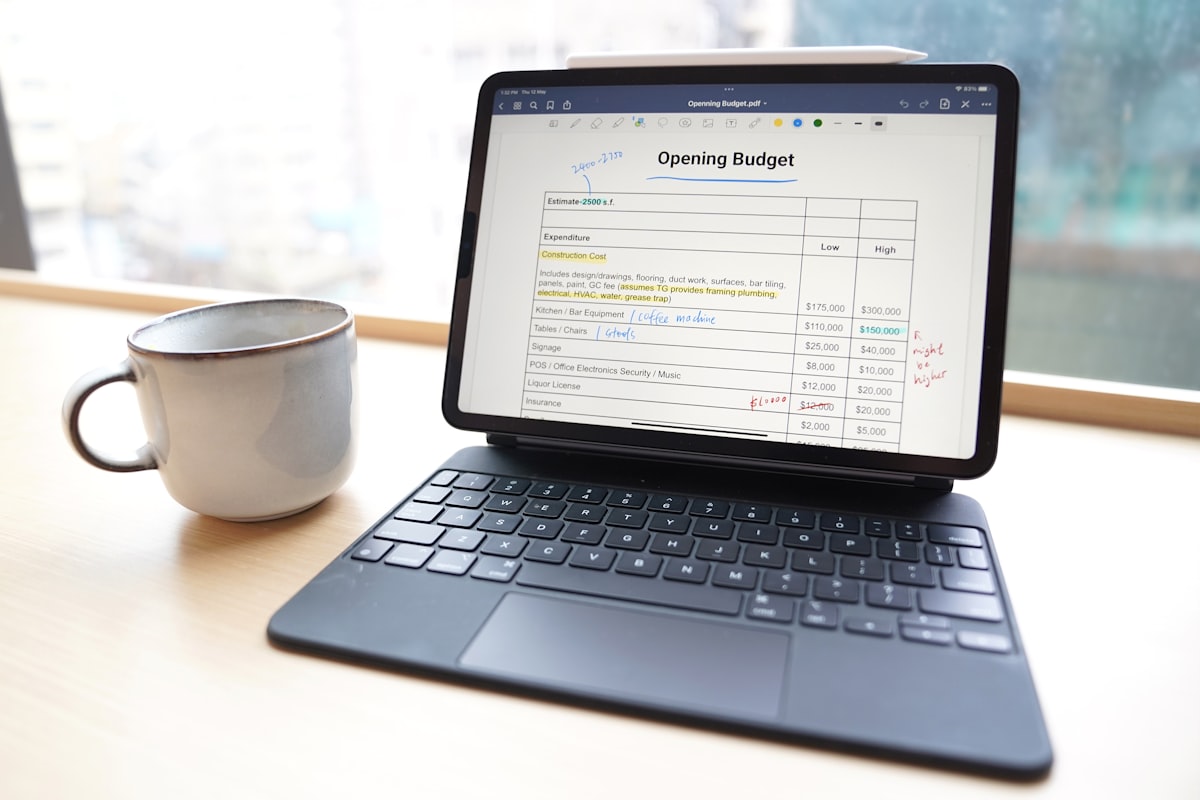
Event Planner Markup Percentage by Vendor Type

Bizzabo Alternatives for Event Planners

Vendor Relationship Management for Event Planners

Event Cost Calculator: Estimate Your Budget Right

Event Contractor Payment Tracking Tools for Planners

Event Communication Plan Template for Planners

How to Create Event Planning Packages

Event Insurance Cost: What Percentage of Your Budget

Social Tables Alternatives for Event Planners

How to Avoid Hidden Vendor Fees at Events

Corporate Event Planning Checklist for 2026

Post-Event Evaluation Template for Planners

Event Workflow Software: A Practical Guide

Propared Alternatives for Event Planners

Best Software for Managing Event Contractors

Wedding Planner Commission Rate Guide for 2026

Best CRM for Event Planners in 2026

Event Coordinator Tools for Portugal

Event Planner CRM: What to Look For in 2026

Vendor Contract Red Flags for Event Planners

Tripleseat Alternatives for Independent Planners

Event Catering Cost per Person by Event Type

Freelance Event Planner Toolkit for 2026

Wedding Vendor Management Spreadsheet Template

Subcontractor Management for Events in Portugal

Hidden Costs of Event Planning You Need to Know
Event Planning Software Pricing Compared

Event Planner Pricing Calculator: Set Your Fees
Event RFP Template for Professional Planners

How Much to Tip Event Staff and Vendors

Event Staff-to-Guest Ratios by Service Role

How Much Deposit Do Event Vendors Require?

Micro Wedding Planning Checklist

How to Hire Vendors for Your Wedding

How to Brief Event Staff Before an Event

Cvent Alternatives for Small Event Planners

How to Invoice Event Clients and Get Paid

Event Vendor Performance Scorecard Guide

Event Budgeting Apps: A Practical Guide for Planners

Cut Event Costs Without Sacrificing Quality

Dubsado vs HoneyBook for Event Planners

Event Risk Management Plan Template

Aisle Planner vs HoneyBook for Event Planners

Event Planning Workflow That Keeps Projects on Track

Wedding Planning Software for Portugal

Corporate Event Management Software for Portugal
Event Collaboration Tools for Planning Teams

Best Wedding Planner Tools for 2026 (Solo to Team)

Event Cost Breakdown Template for Planners

Event Budget Contingency Planning Guide

Event Management Automation Tools for 2026
5 Planning Pod Alternatives Compared (2026)

Event Day-of Coordination Checklist

How to Negotiate Event Vendor Pricing

Event Client Onboarding Template

Best Event Planning Apps Compared: 2026 Picks for Pros

AI Tools for Event Planning: A Practical Guide

How to Create a Vendor Shortlist for Events

HoneyBook Alternatives for Event Planners

Event Planner Tools for Brazil: A Practical Guide

Free Wedding Planner Tools That Work

Event Planning Checklist: 6 Phases to Cover

Wedding Planning Software: A Guide for Pros

How to Write an Event Proposal That Wins Clients

How to Coordinate Wedding Vendors Like a Pro

Event Vendor Cancelled? Your 3-Step Recovery Plan

Event Vendor Management Tips That Actually Work

5 Signs You've Outgrown Spreadsheets for Event Planning